
 русский
 عربى
عربى
 Tiếng Việt
Professional coating line specially designed for large castings and heavy truck parts, applicable to various large castings (engineering castings, mining equipment castings, industrial castings) and h...
See Details
Yueze Environmental Protection provides one-stop compliant industrial surface treatment solutions with professional tech and fine craftsmanship.
 Get Inquiries
2026-07-02
Content
A complete coating production line is built from four core equipment groups working in sequence: a pretreatment system that cleans and prepares the surface, an application system that applies the coating material, a curing oven that hardens the finish, and a conveying and control system that moves parts through every stage automatically. Beyond these four groups, most lines also include a powder or paint recovery system, a cooling section, ventilation and exhaust equipment, and quality inspection points positioned along the line.
Understanding what each piece of coating production line equipment actually does — rather than treating the line as a single black box — makes it much easier to plan a facility layout, estimate throughput, budget for utilities, or troubleshoot a quality issue when it appears at one specific stage rather than another. The sections below break down each equipment group in detail, along with the practical factors that affect how a line should be configured.
Coating adhesion depends almost entirely on how clean and chemically prepared the surface is before coating material ever touches it. This is why the pretreatment section is typically the longest physical section of the line, often accounting for a significant share of total line length even though it produces no visible finish on its own.
This is the stage most people picture when they think of a coating line, but the specific equipment involved depends heavily on what type of coating material is being used and how consistent the part geometry is from piece to piece.
Powder coating lines use electrostatic spray guns that charge powder particles so they are attracted to the grounded workpiece, along with a spray booth to contain overspray and a powder recovery system that captures and recycles unused powder for reuse. Recovery systems are a major factor in material cost control, since a well-maintained system can recover a large share of oversprayed powder for reapplication rather than treating it as waste.
Liquid coating lines instead rely on spray guns or dip tanks, paired with a ventilated spray booth designed to manage solvent vapor and overspray safely. Liquid lines typically need additional exhaust capacity compared to powder lines, since solvent-based coatings release volatile compounds during application that must be safely extracted and treated.
Many lines add a reciprocating spray gun system that moves guns vertically or horizontally in sync with the conveyor speed, producing a more even coating thickness than manual spraying alone, particularly on parts with consistent, repeated shapes. Higher-volume operations sometimes add robotic spray arms programmed for specific part geometries, which improves repeatability but requires more setup time when part designs change frequently.
Once coating material is applied, it has to be cured or dried under controlled heat to form a durable, bonded finish. This stage typically includes a tunnel-style curing oven with defined temperature zones, since powder coatings generally require sustained temperatures in the range of 180°C to 200°C for a set holding time to fully cross-link and harden.
Curing ovens are commonly heated by gas, electric elements, or infrared panels, and larger lines often divide the oven into multiple zones so temperature can be ramped up gradually rather than applied all at once, reducing the risk of surface defects on heat-sensitive substrates. Oven insulation quality and airflow design also affect energy efficiency significantly, since heat loss through poorly sealed oven panels is one of the largest ongoing operating costs on a coating line.
Some lines add a flash-off zone between application and curing, allowing solvent-based coatings to partially evaporate before entering the oven, which reduces the risk of surface bubbling caused by trapped solvent vapor expanding under heat.
A coating production line only functions as a continuous process because of its conveying and control systems, which coordinate every other piece of equipment along the line.
Beyond the four main process stages, several supporting systems are necessary for a coating production line to run safely and consistently over long production periods.
The table below summarizes the main equipment groups found on a typical coating production line and the specific role each one plays.
| Line Section | Core Equipment | Main Function |
|---|---|---|
| Pretreatment | Degreasing and rinsing tanks, phosphating station | Surface cleaning and adhesion preparation |
| Application | Spray guns, spray booth, recovery system | Applying coating material evenly to the surface |
| Curing | Tunnel curing oven, flash-off zone | Hardening the coating into a durable finish |
| Conveying and Control | Overhead conveyor, hooks, PLC panel | Moving parts and coordinating all line stages |
| Supporting Systems | Exhaust, compressed air, inspection tools | Maintaining safety, air quality, and finish consistency |
Not every facility needs the same configuration of coating production line equipment, since part size, production volume, and coating type all shape the right setup. Selecting equipment without accounting for these variables often leads to bottlenecks at one stage while other sections of the line sit underused.
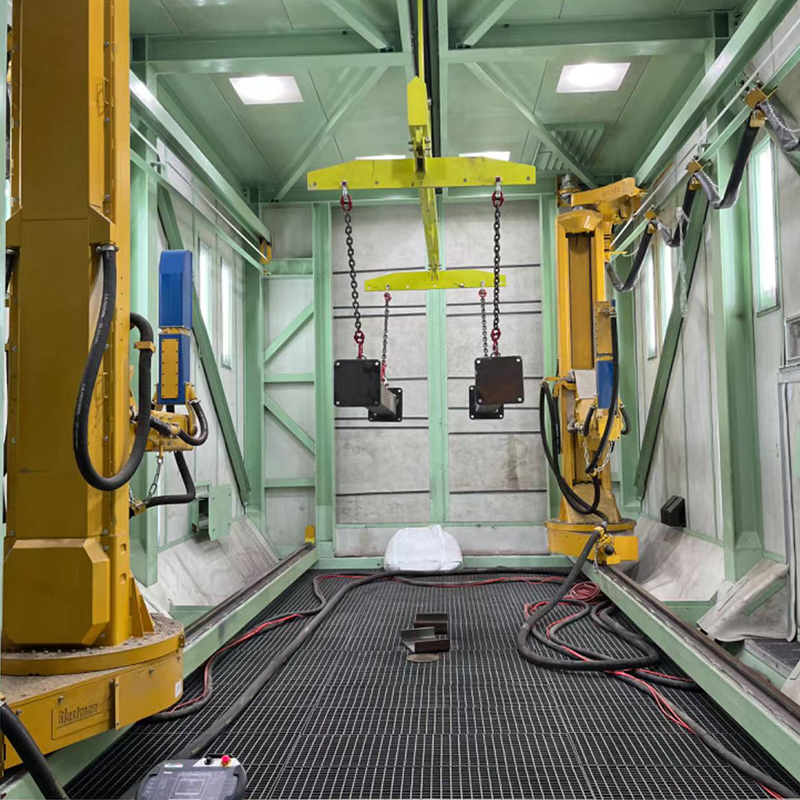
Professional coating line specially designed for large castings and heavy truck parts, applicable to various large castings (engineering castings, mining equipment castings, industrial castings) and h...
See Details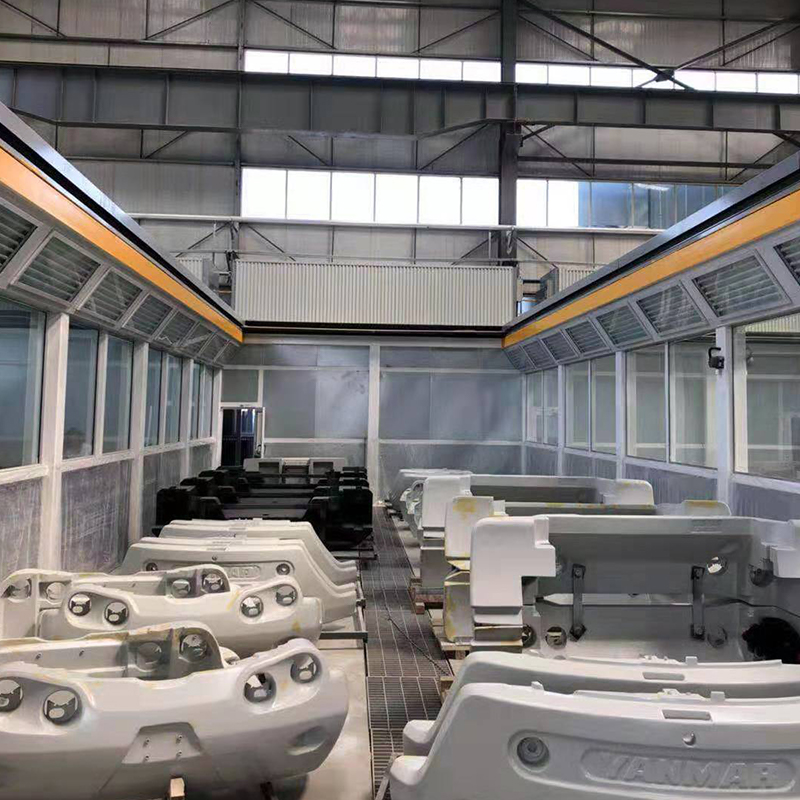
Professional spray coating line specially designed for car wheel manufacturing and refurbishment, applicable to various car wheel types (steel wheel, aluminum alloy wheel, forged wheel, cast wheel, pa...
See Details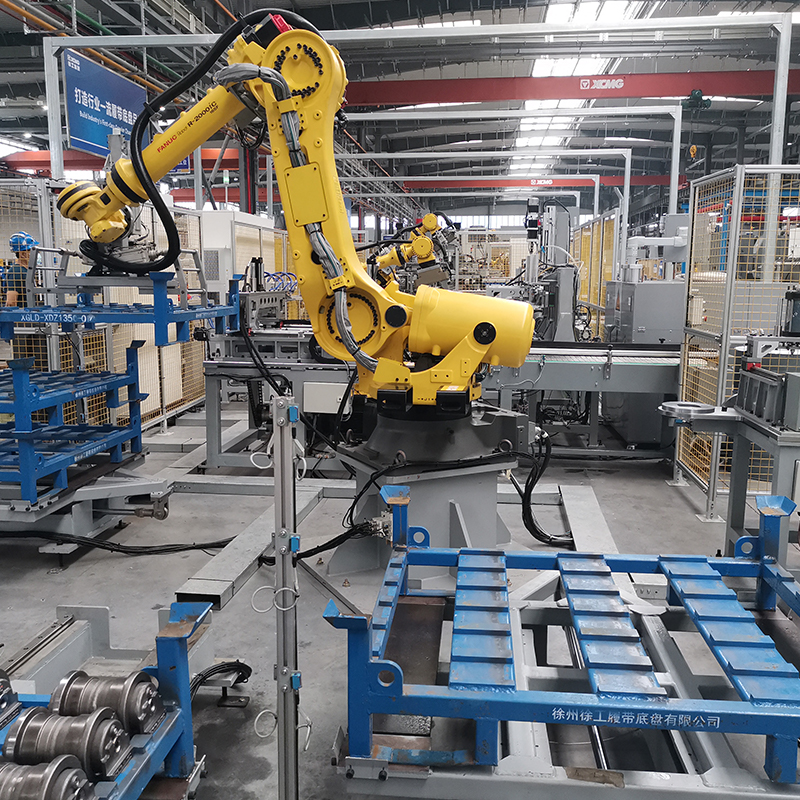
Professional production line specially designed for decorative manhole covers, applicable to various decorative manhole cover types (cast iron decorative manhole cover, stainless steel decorative manh...
See Details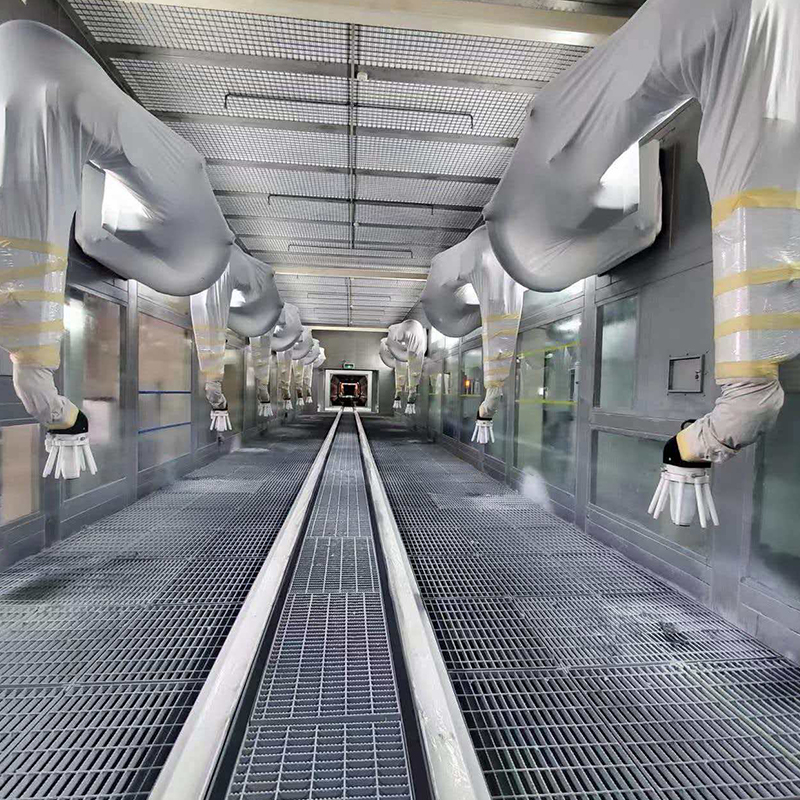
Professional coating line dedicated to truck body manufacturing and refurbishment, applicable to various truck types (heavy-duty truck, light-duty truck, pickup truck, van, commercial truck). Main typ...
See Details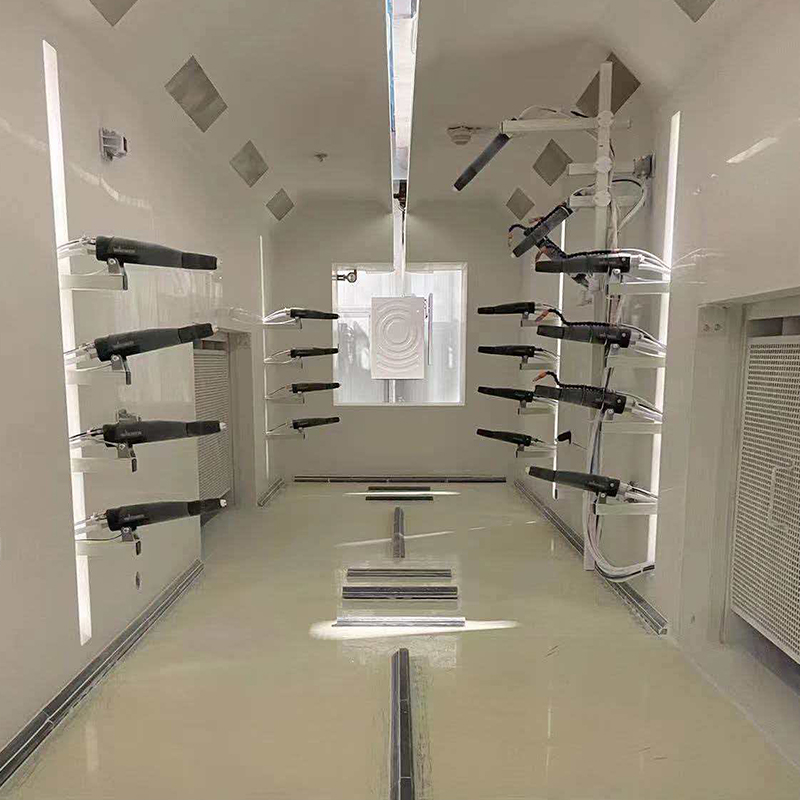
Widely used in metal workpieces such as hardware, auto parts, engineering machinery, metal furniture, art manhole covers, municipal facilities, and precision components, suitable for mass and standard...
See Details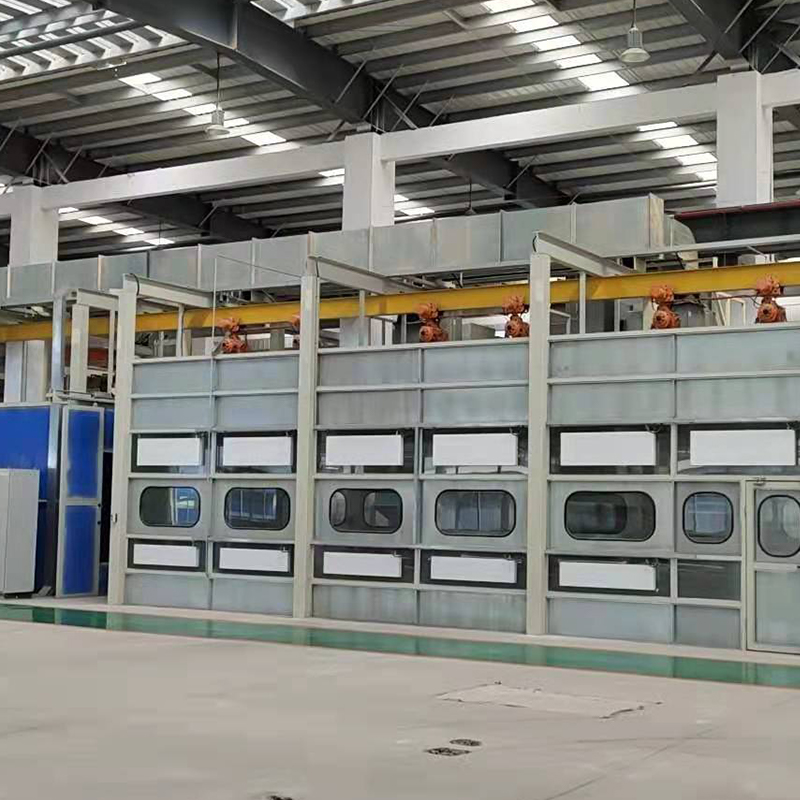
Professional spray coating line designed for engine manufacturing and maintenance, applicable to various engine types (gasoline engine, diesel engine, electric vehicle engine). Main types: engine bloc...
See DetailsBuild Your Customized Industrial Coating System
Send us your workpiece information, production capacity, coating process, workshop layout, and environmental requirements. Yueze will help evaluate your project and develop a suitable coating, conveying, drying, and environmental treatment solution.
Main menu
Products
Contact Us
Company Address:
No. 12, Park Avenue, Shanggang Industrial Park, Jianhu, Yancheng City, Jiangsu Province
Message Us Right Now!

Follow us: