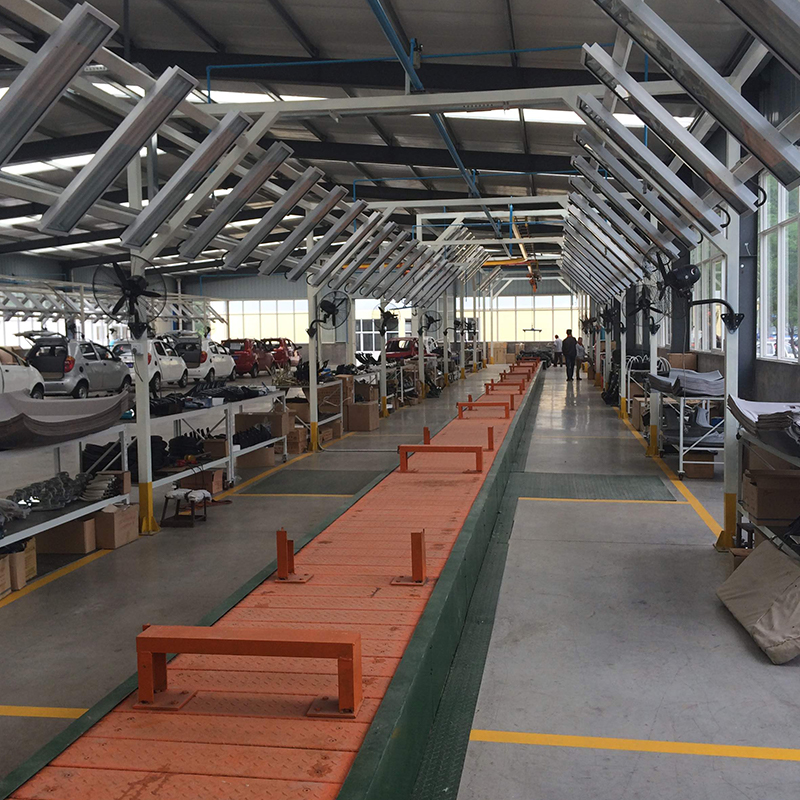
An Automatic Conveyor System replaces manual handling with continuous, powered material transfer between production stages, reducing labor intensity and improving throughput consistency. In coating and assembly workshops, an automated conveyor can maintain a fixed line speed and cycle time regardless of shift changes or operator fatigue, which helps stabilize product quality across large production runs. Compared with manual transport, well-designed conveyor solutions can cut in-plant handling time by 40%-60% while lowering the risk of workpiece damage caused by repeated manual lifting.
Because the conveyor connects pretreatment, spraying, drying, and inspection stations into one continuous flow, it also makes it easier to track production data at each stage, supporting better scheduling and quality traceability.
How a Modular Conveyor System Works
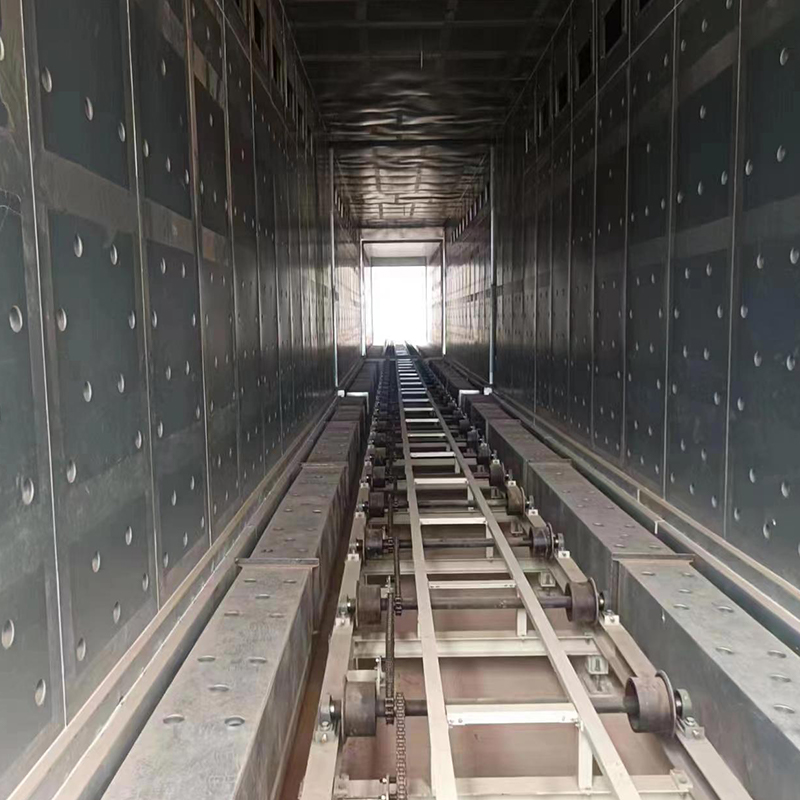
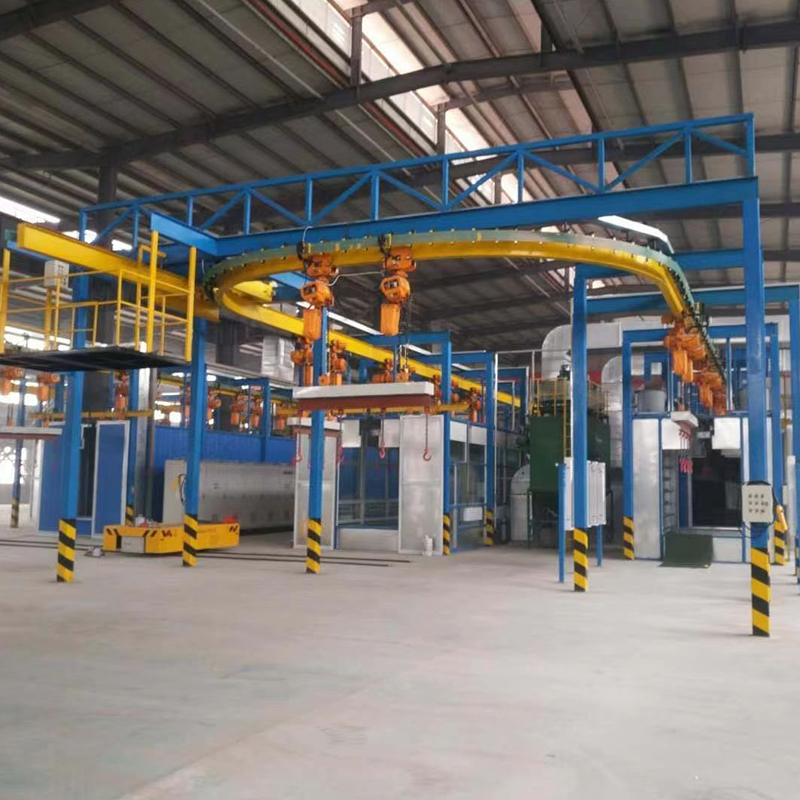
A modular conveyor system is built from standardized track and drive sections that can be arranged into straight runs, curves, inclines, or turntables according to the shape of the workshop. The main components typically include:
- Drive unit: provides the pulling force that moves the chain or track at a set speed;
- Track or rail section: guides workpieces or hangers along the designated path;
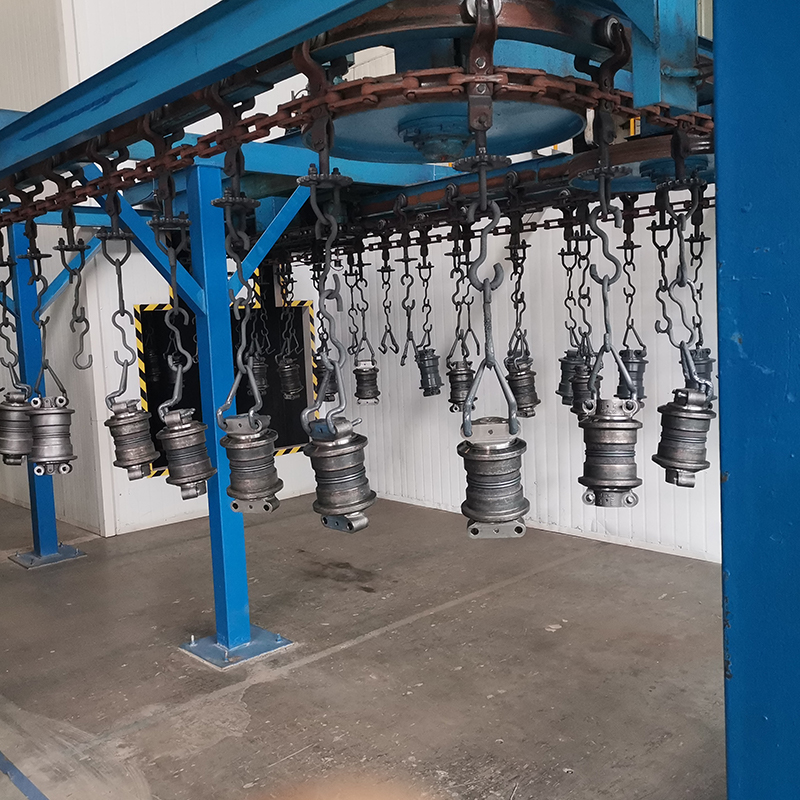
- Load-bearing hangers or carriers: hold parts securely during pretreatment, spraying, and drying;
- Control cabinet: coordinates speed, stop points, and station synchronization across the line.
Because each section is modular, a factory can extend the conveyor path, add turning stations, or adjust line length without replacing the entire system, which is one of the main reasons manufacturers favor a modular conveyor system over a fixed, single-purpose layout.
Choosing Among Conveyor Suppliers and Conveyor Companies
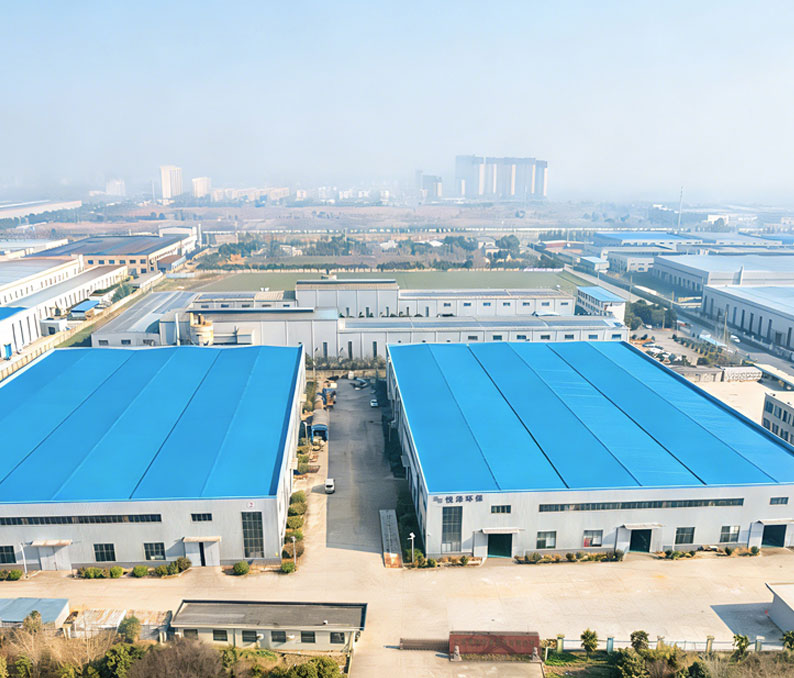
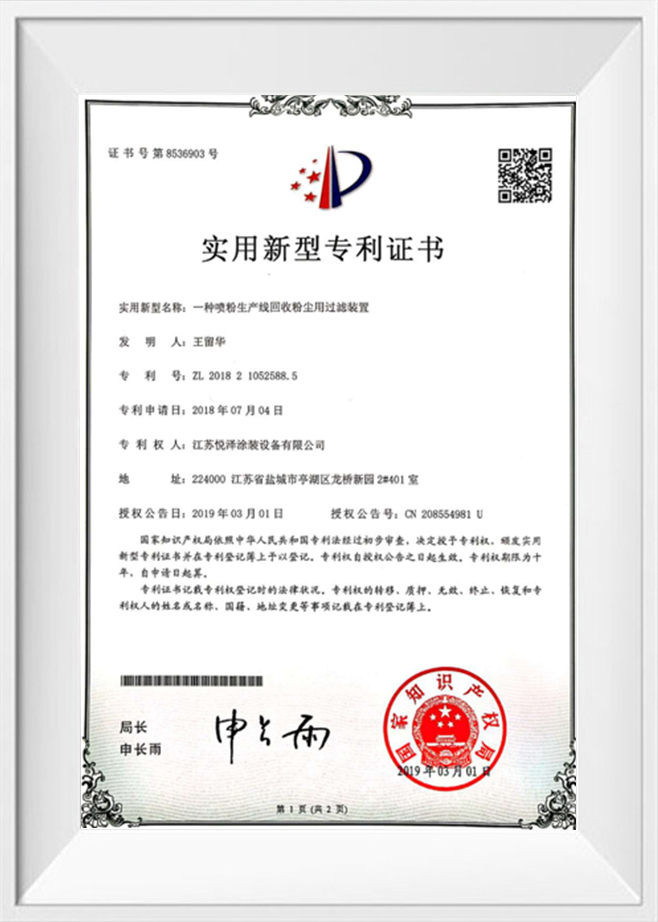
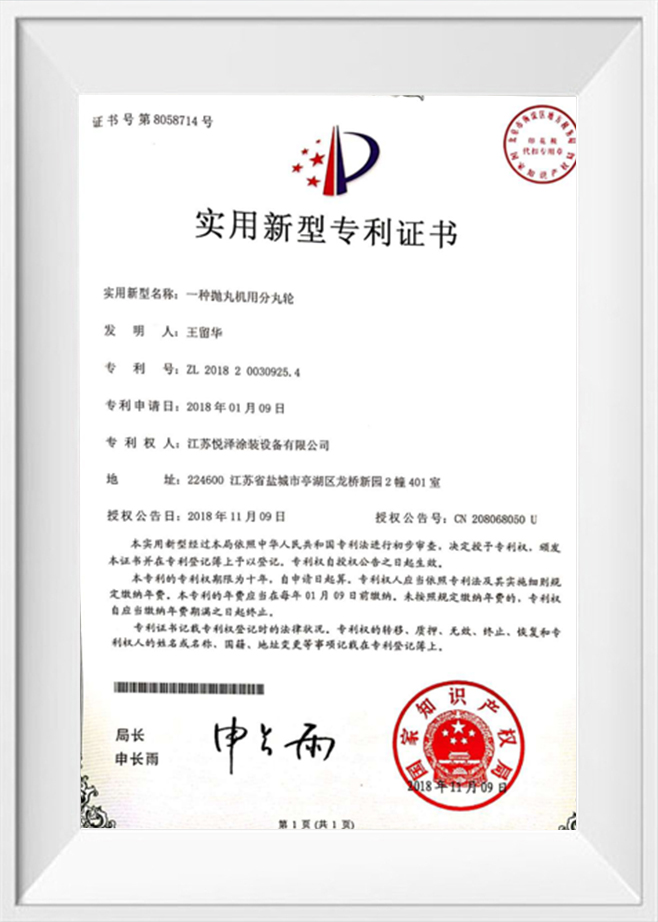
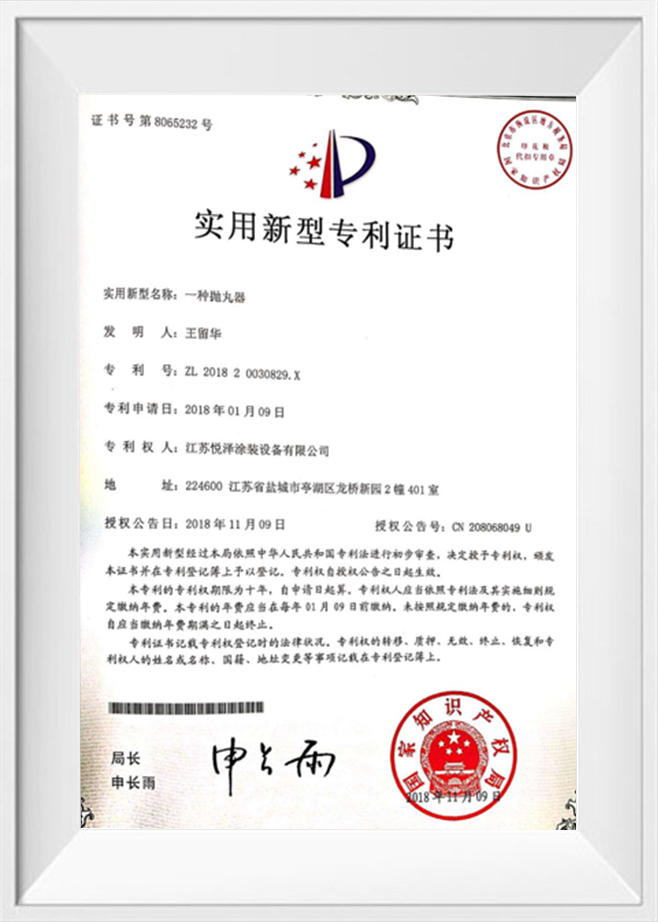
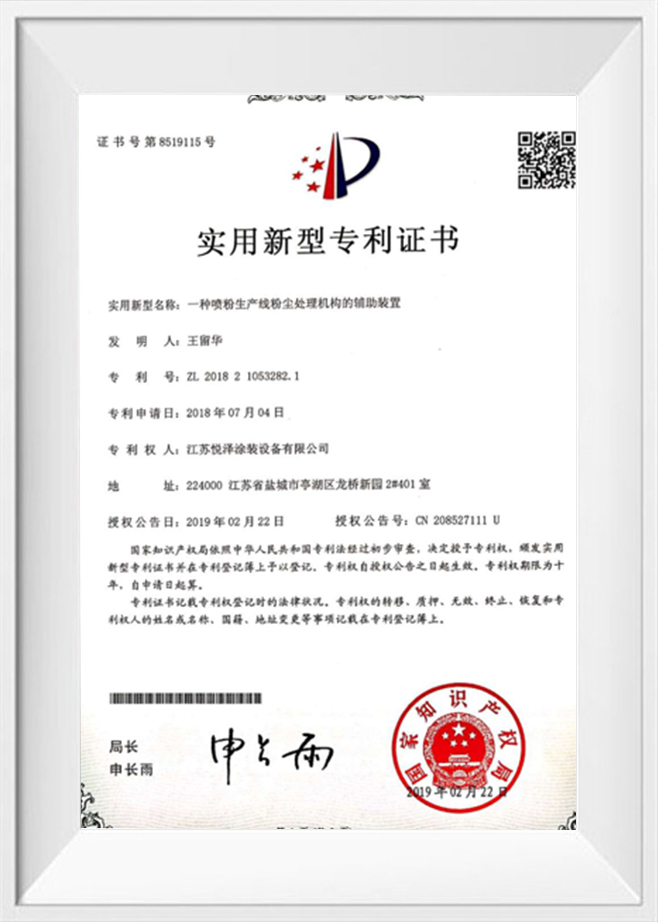
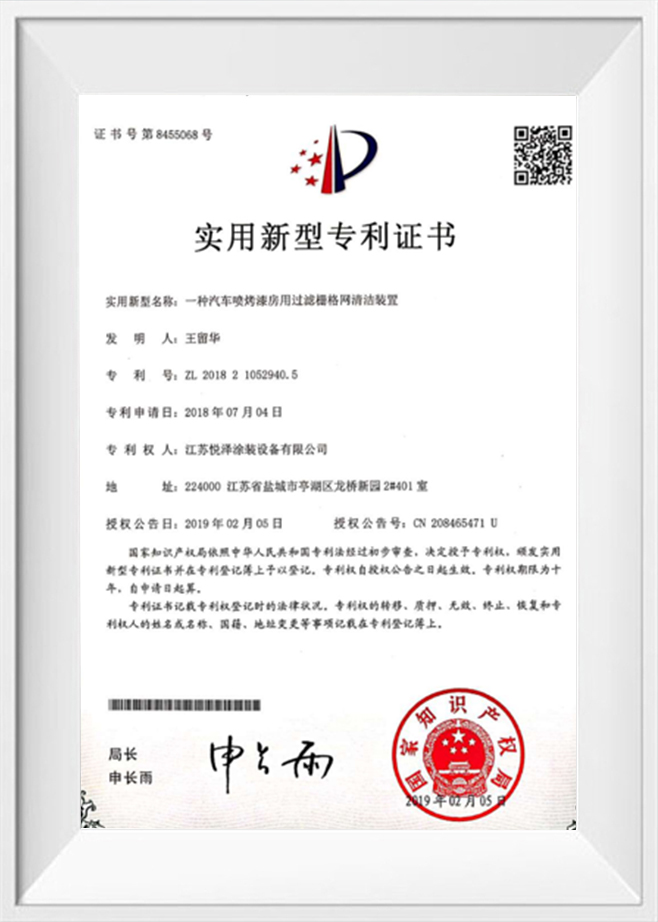
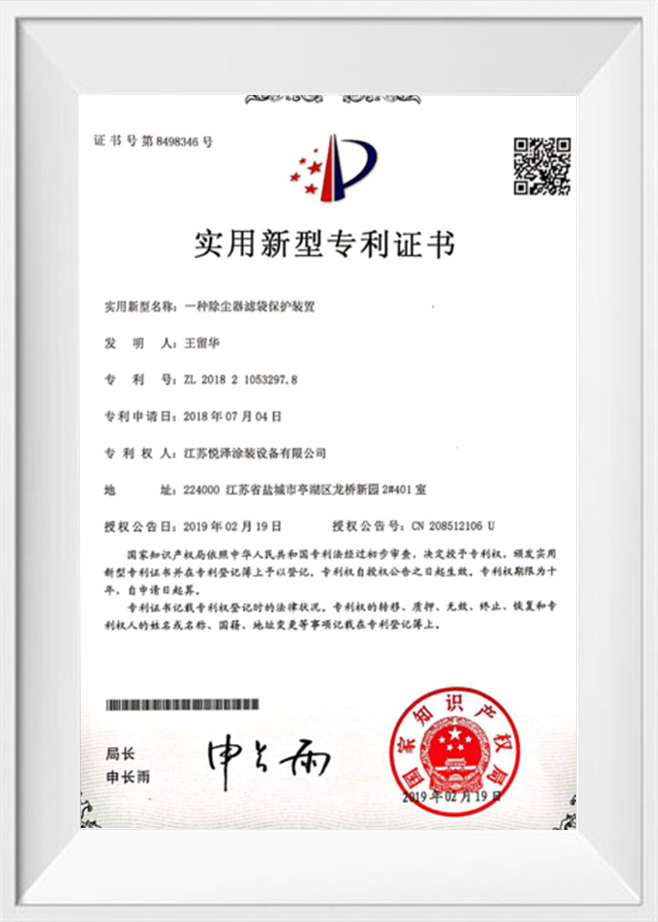
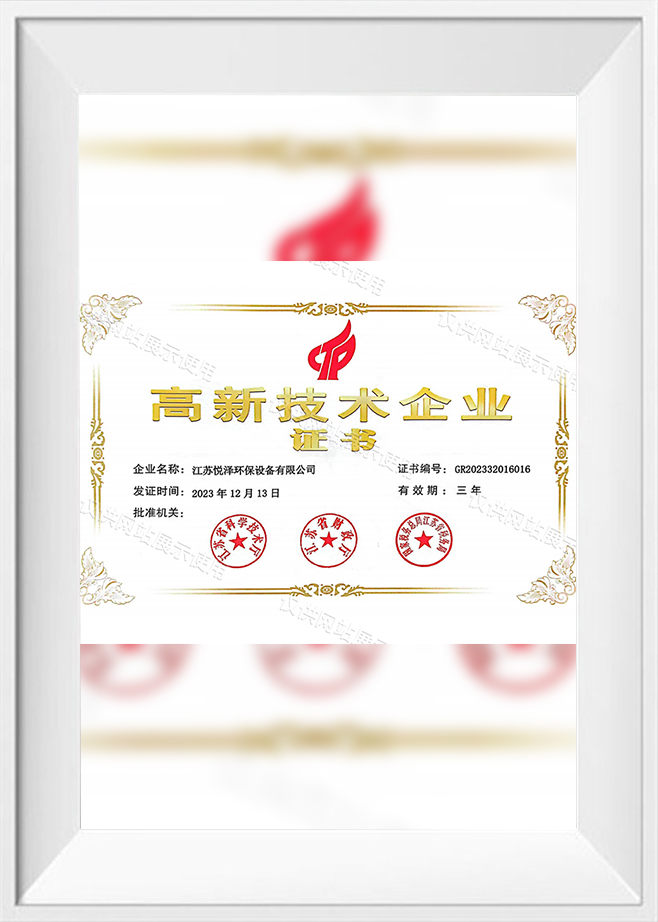
When comparing conveyor suppliers, factories usually evaluate load capacity, track configuration flexibility, and after-sales support. Among established conveyor companies, Jiangsu Yue Ze Environmental Protection Equipment Co., Ltd., based in Yancheng, Jiangsu, China, operates on a 35,000-square-meter site with a registered capital of 58 million yuan and brings more than 40 years of experience in powder coating lines, counterweight block logistics automated conveying series, and related equipment. In 2014, the company was among the first to build a hanging automatic painting process line for cast counterweight blocks, and its custom conveyor systems have since been deployed across multiple provinces in China as well as overseas projects, reflecting extensive engineering experience in large-scale material handling.
Comparing Conveyor Types by Application
Table: Conveyor type selection reference for different workpiece and process needs
| Conveyor Type |
Load Range |
Best Suited For |
| Overhead chain conveyor |
Light to medium parts |
Powder coating, painting lines |
| Plate-chain conveyor |
Medium to heavy parts |
Counterweight blocks, castings |
| Roller conveyor |
Pallets, flat-bottom loads |
Assembly line transfer |
Frequently Asked Questions
Q1: What is the difference between a standard and a modular conveyor system?
A standard conveyor is usually built as a single fixed layout, while a modular conveyor system uses interchangeable track and drive sections that can be reconfigured or extended as production needs change.
Q2: Can conveyor solutions be customized for irregularly shaped workpieces?
Yes. Custom conveyor systems can use specially designed hangers, carriers, or fixtures to accommodate irregular shapes, uneven weight distribution, or parts requiring specific orientation during processing.
Q3: What should a factory look for when selecting conveyor suppliers?
It is important to review the supplier's project history, manufacturing capacity, and ability to provide customized designs. For example, Jiangsu Yue Ze Environmental Protection Equipment Co., Ltd. offers tailored conveyor configurations based on decades of experience serving customers with demanding material handling requirements.


 русский
 عربى
عربى
 Tiếng Việt