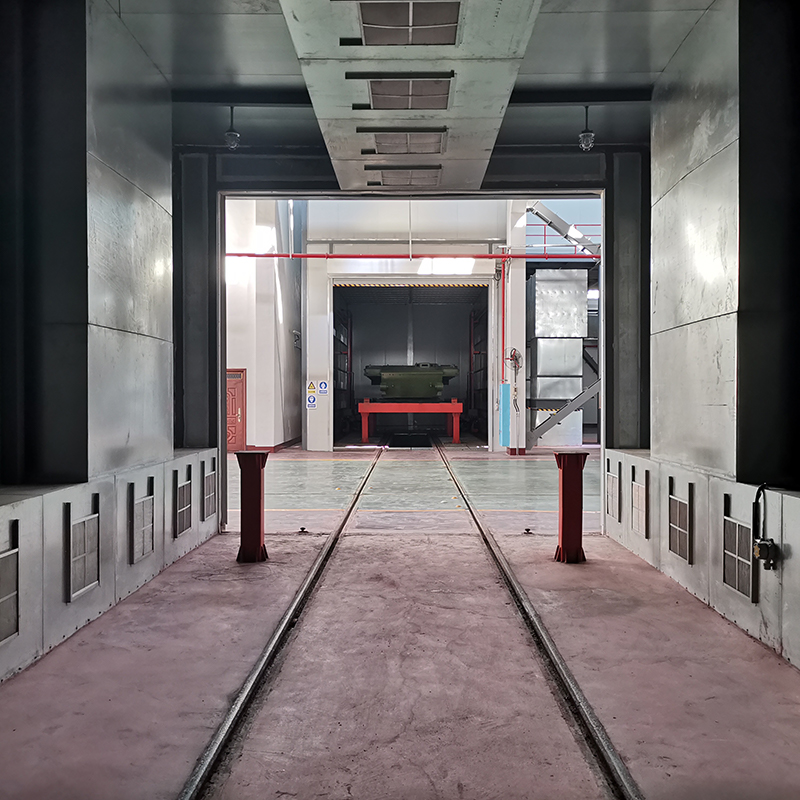
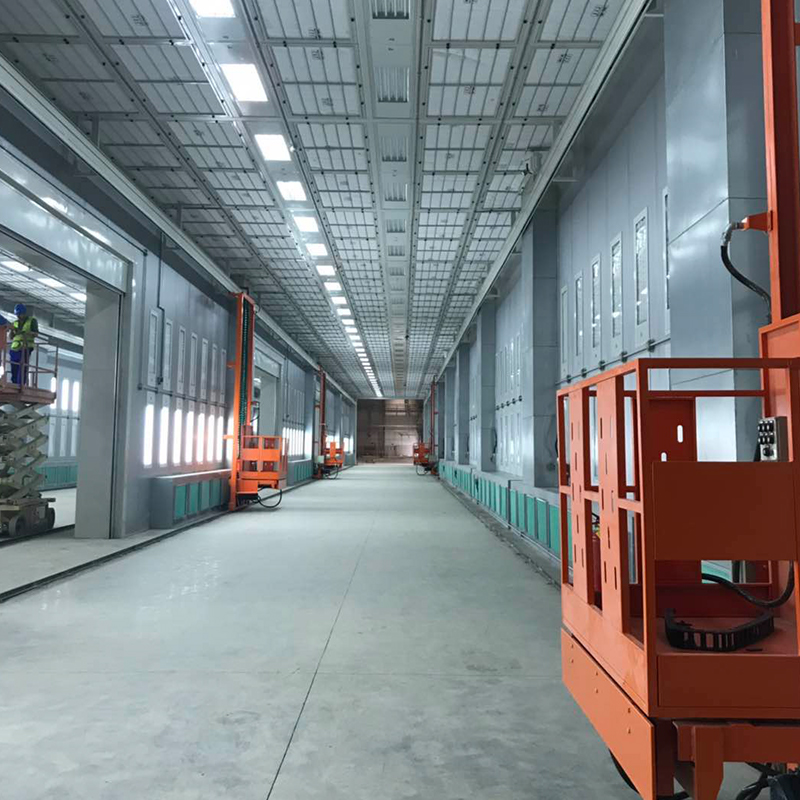
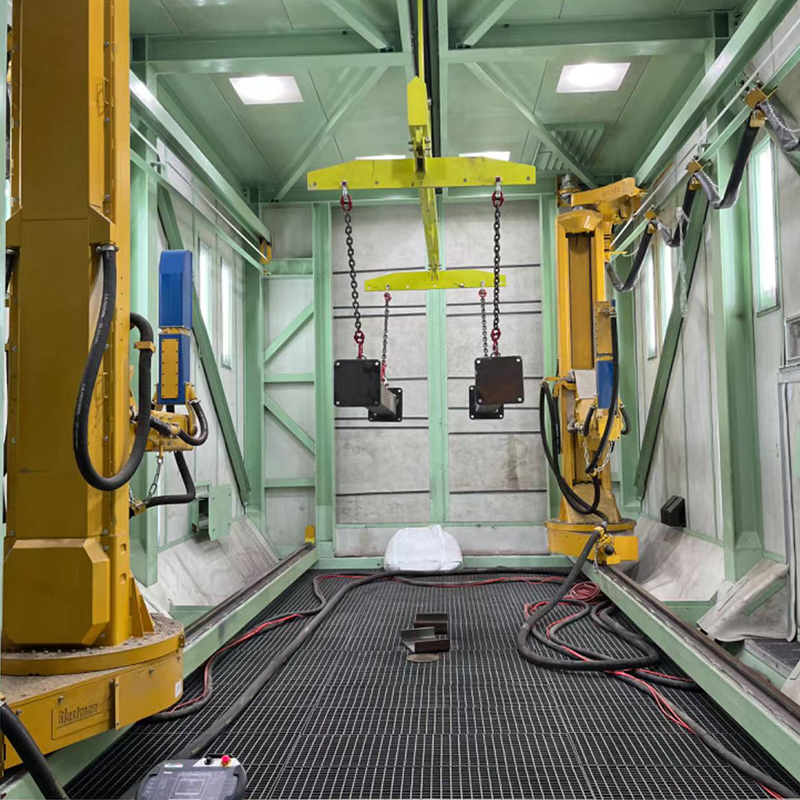
Roller Table Automation Line Custom

Home / Products / Automatic Conveyor System / Roller Table Automation Line

  • Roller Table Automation Line
  • Roller Table Automation Line
  • Roller Table Automation Line
  • Roller Table Automation Line
  • Roller Table Automation Line
  • Roller Table Automation Line
  • Roller Table Automation Line
  • Roller Table Automation Line
  • Roller Table Automation Line
  • Roller Table Automation Line
  • Roller Table Automation Line
  • Roller Table Automation Line
  • Roller Table Automation Line
  • Roller Table Automation Line
  • Roller Table Automation Line
  • Roller Table Automation Line
  • Roller Table Automation Line
  • Roller Table Automation Line
  • Roller Table Automation Line
  • Roller Table Automation Line
  • Roller Table Automation Line
  • Roller Table Automation Line

Roller Table Automation Line

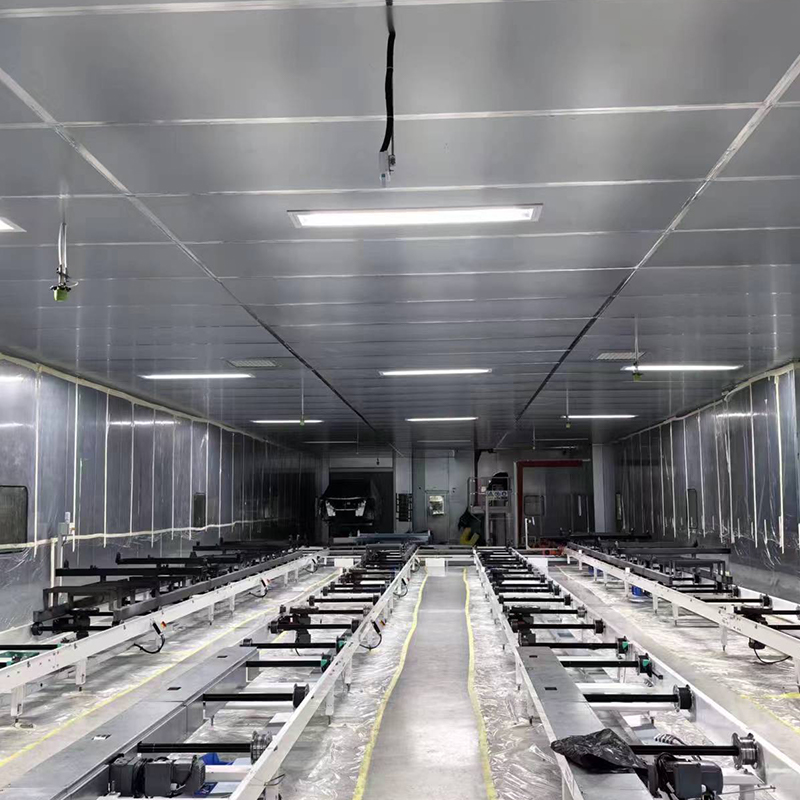
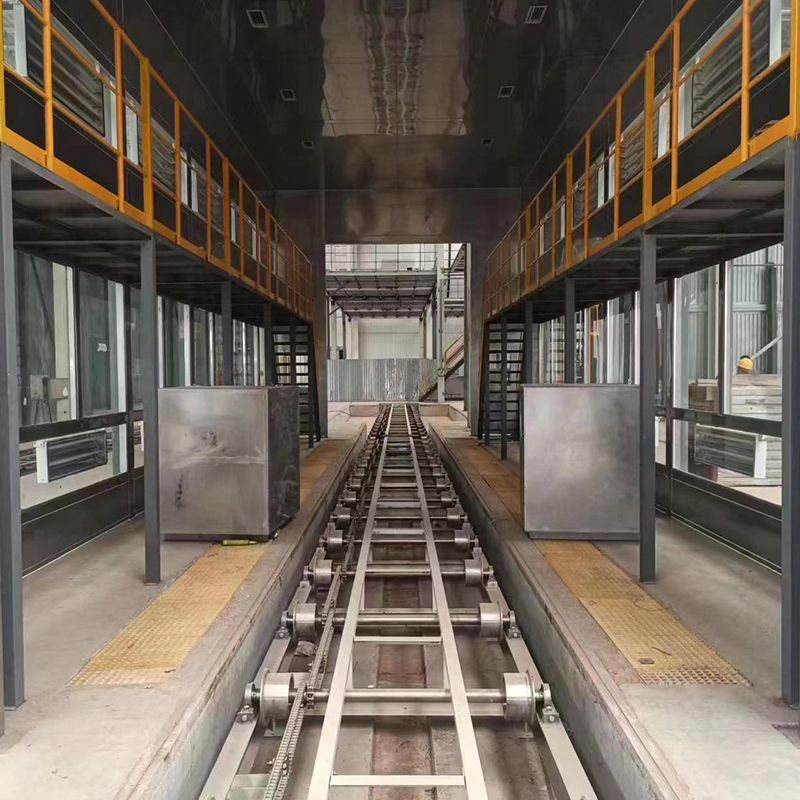
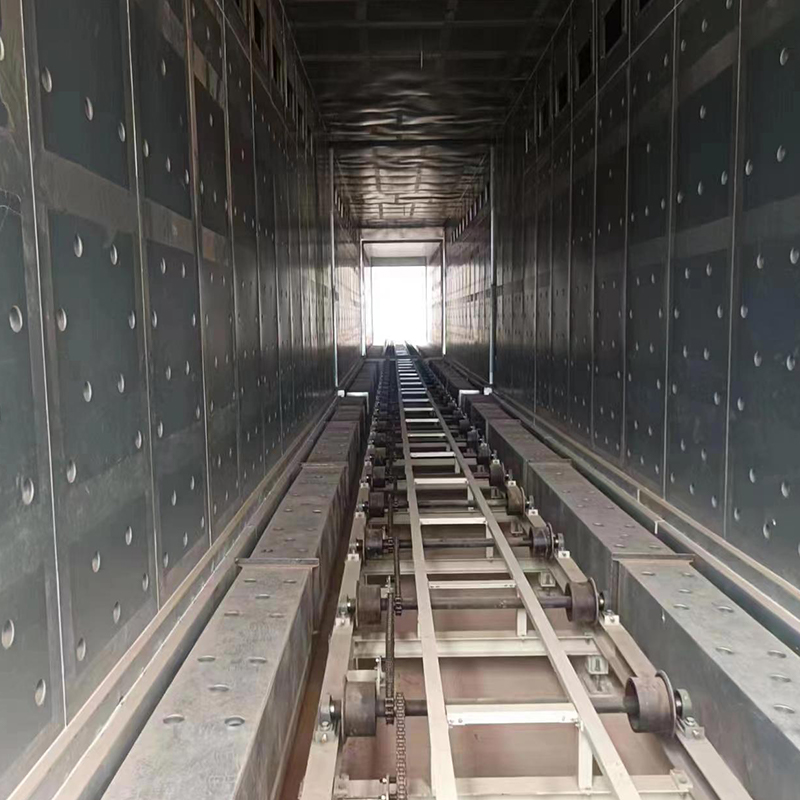
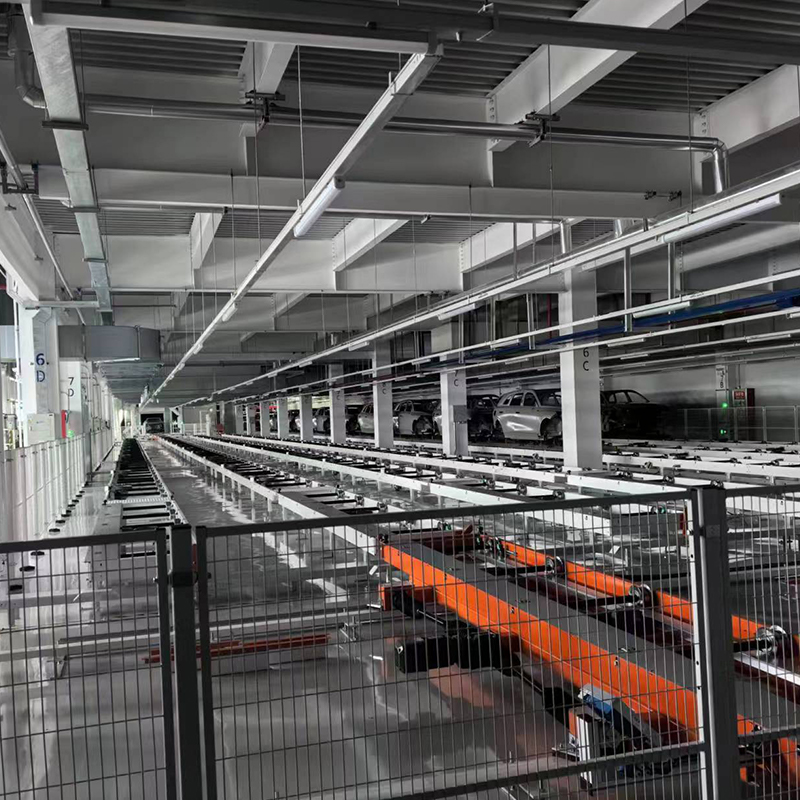
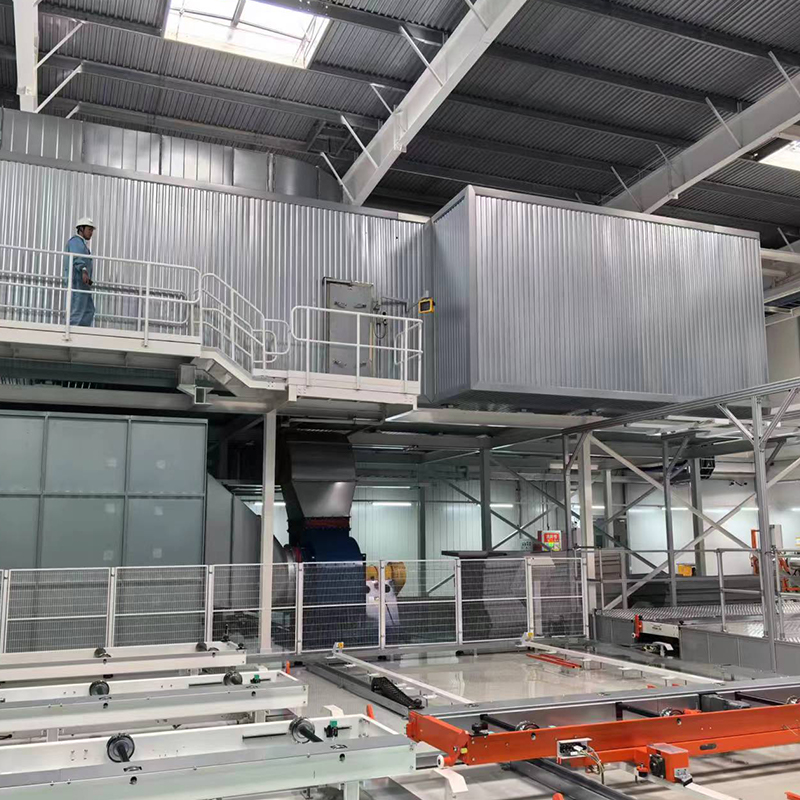
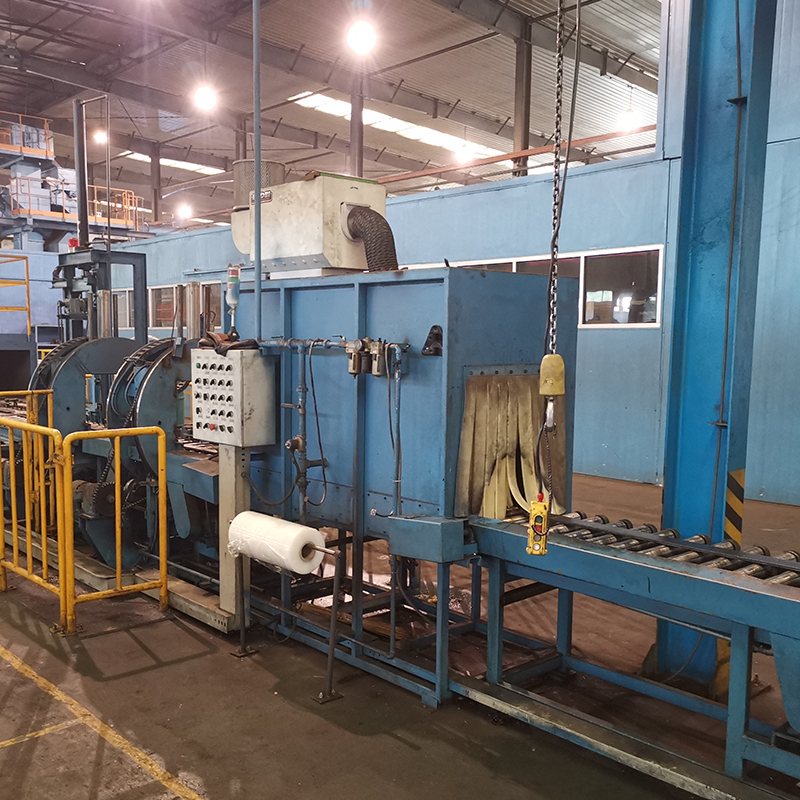
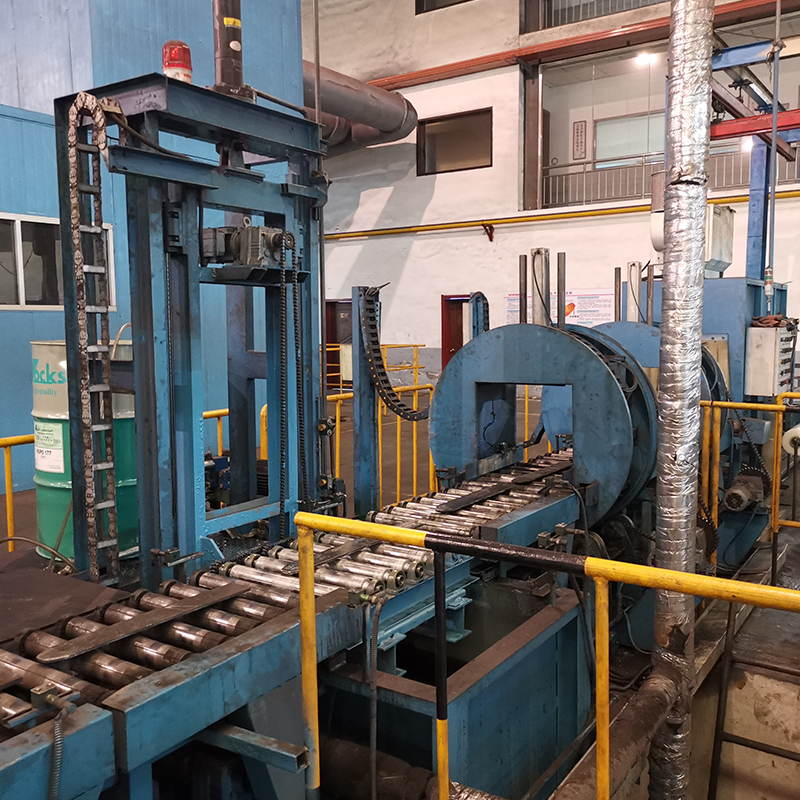
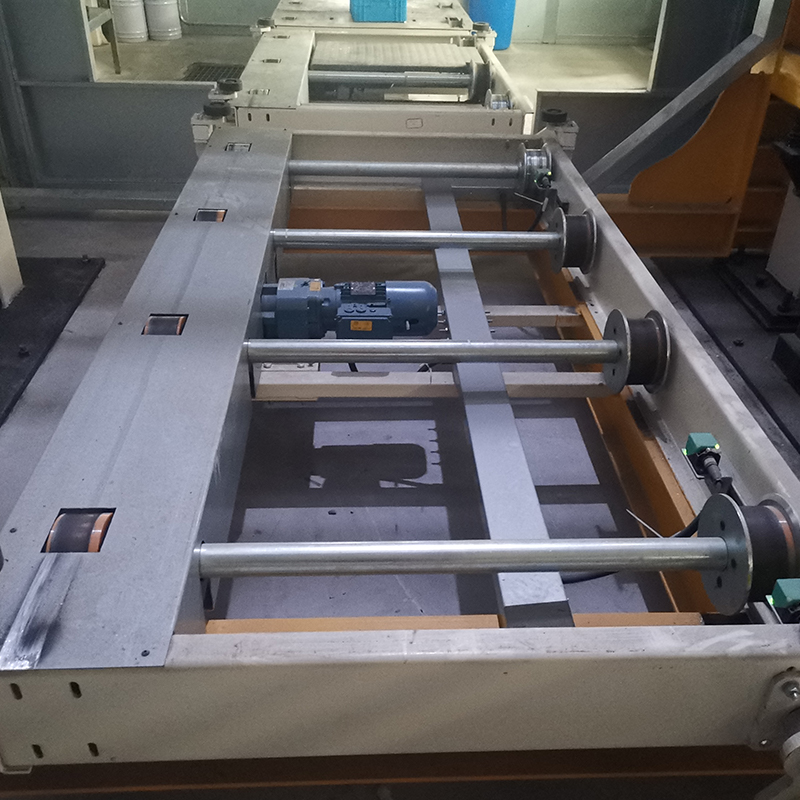
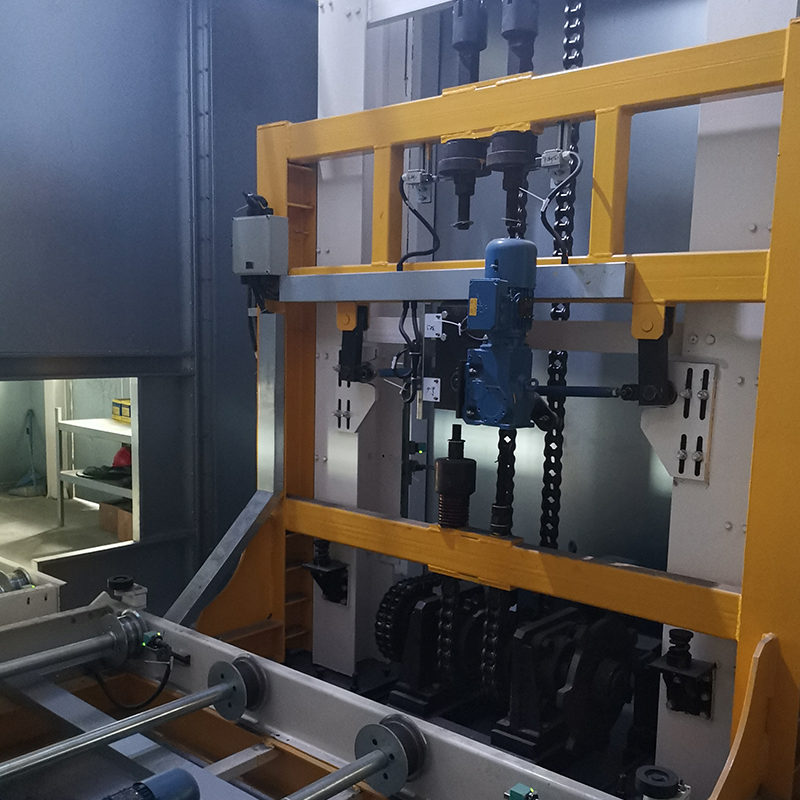
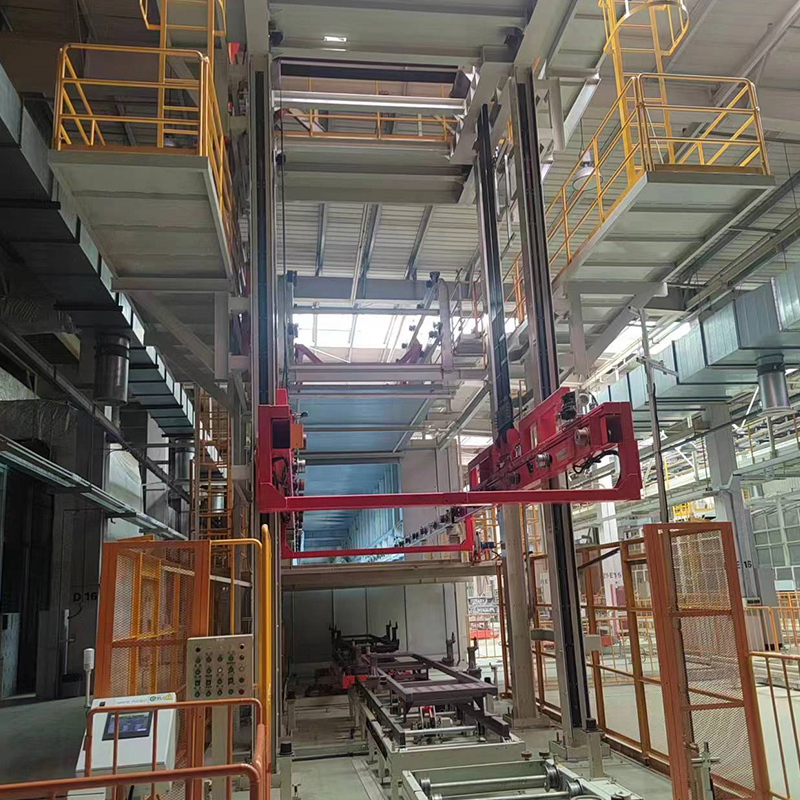
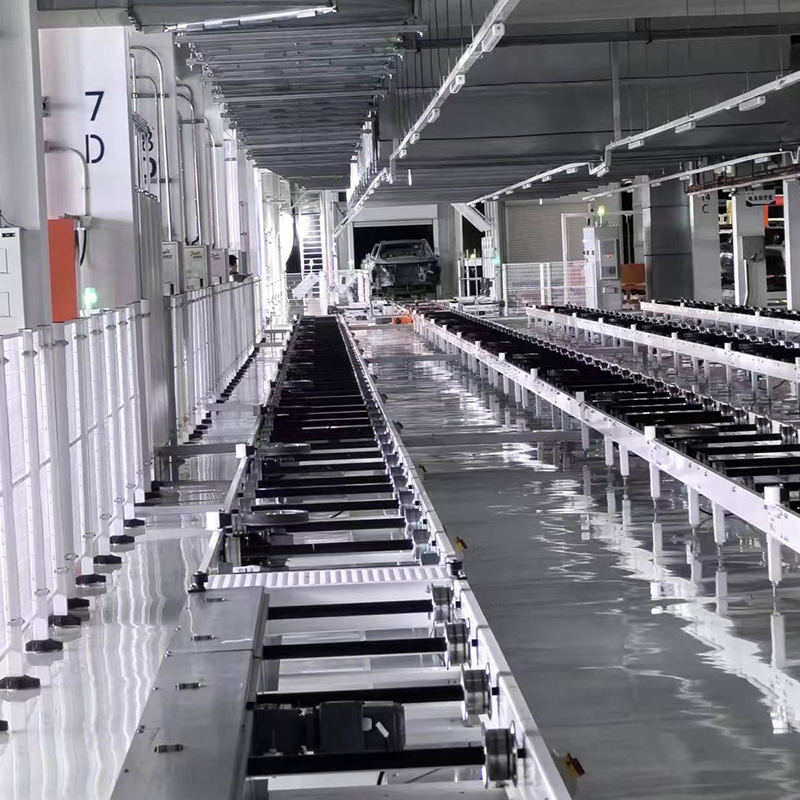
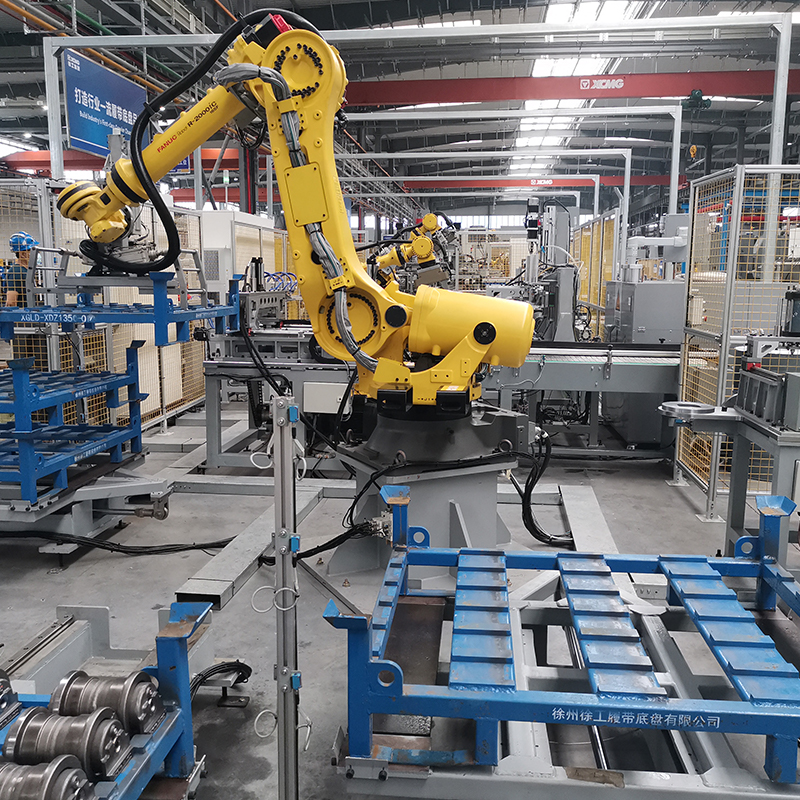
Roller table automation line, electric-driven with stable power output, mainly composed of high-quality steel rollers, drive motor, and intelligent control system. It adopts floor-mounted installation, space-saving, and easy to integrate with workshop layout, with adjustable conveying speed, strong load-bearing capacity, smooth and quiet operation, suitable for continuous conveying of various materials (parts, packages, heavy workpieces), and supports non-standard customization according to conveying speed, load, and on-site space.
Contact Us
  • Product Details

Core Advantages:

1. Automatic continuous conveying is suitable for mass production and improving conveying efficiency.
2. Excellent load-bearing performance, capable of stably conveying various light and heavy workpieces and materials.
3. Smooth operation without jamming, low noise, ensuring a clean and orderly production environment.
4. Precise and adjustable conveying speed, which can flexibly adapt to different production rhythm requirements.
5. Solid and wear-resistant structure, anti-loss and anti-impact, with long service life.
6. Suitable for various production scenarios, and can be seamlessly linked with painting, assembly, and other production lines.
7. Flexible and changeable layout, which can be customized and designed according to workshop space and process requirements.
8. Easy maintenance, low failure rate, reducing production shutdown losses, and lowering operation and maintenance costs.
9. Complete safety protection, equipped with limit, emergency stop and other devices to ensure operation safety.
10. Can realize precise positioning of workpieces, connect various production processes, and improve overall production capacity.

About Us
JIANGSU YUE ZE ENVIRONMENTAL PROTECTION EQUIPMENT CO.,LTD.
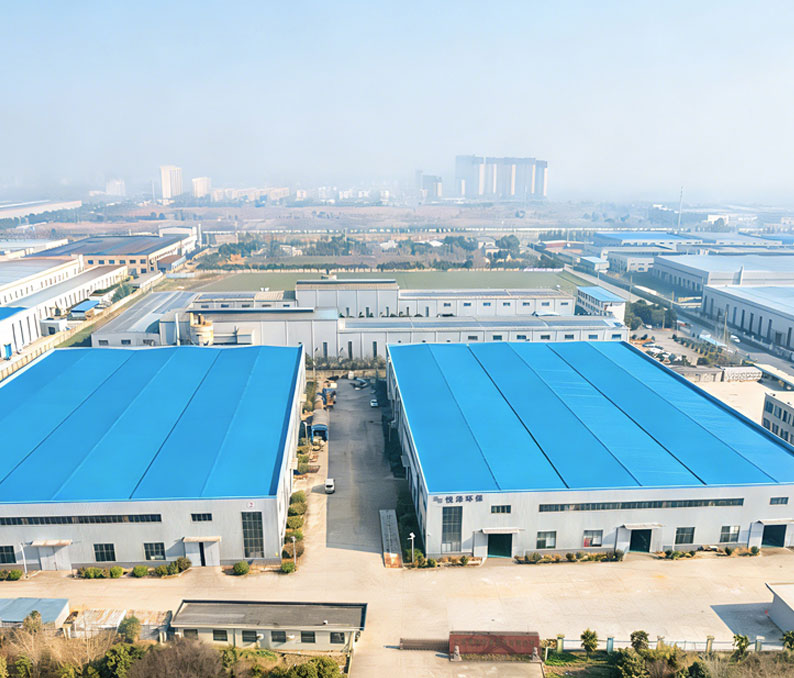
As Roller Table Automation Line Manufacturer and Roller Table Automation Line factory, Jiangsu Yue Ze Environmental Protection Equipment Co., Ltd. located in Yanchen, Jiangsu, China, spanning 35, 000 square meters with a registered capital of 58 million yuan, more than 40 years of experience in powder coating Line; electric car assembly line; drawer type bus production line; automative counterweight spray line; automotive body spray bake paint booth;large-sized parts grinding room; paint and bake booth; waste gas treatment equipment; new high infrared radiation drying series; Counterweight block logistics automated conveying series; and so on.
In 2014, we were the very first factory to create a hanging automatic painting process line for casting counterweight blocks, including a complete set of designs from the finishing and polishing of castings to the primer + top paint line of castings. The products cover different painting processes for large, medium, and small parts. The projects are spread across various provinces in the country and many countries. There are many significant achievements and rich experience in the industry. We have the perfect facilities to deliver the quality ensured equipment to our global customer network. Most of our machines are specially customized to meet customers' challenging machining requirements. Our development and design capabilities allow us to respond quickly and effectively to meet the client's requirements. Our development and design capabilities allow us to respond quickly and effectively to meet the client's requirements. We are expecting your visit and cooperation!
Certificate Of Honor
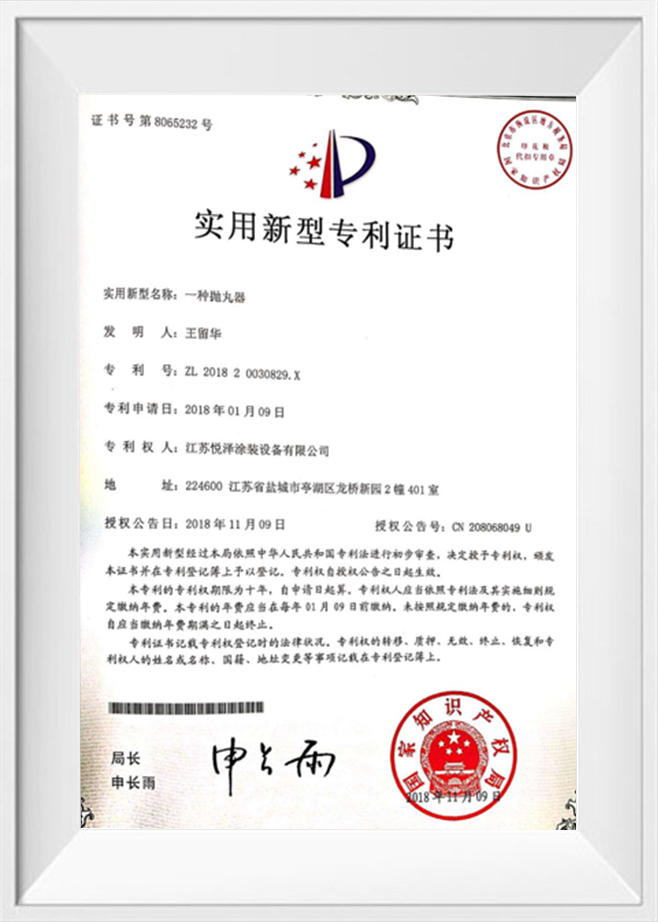
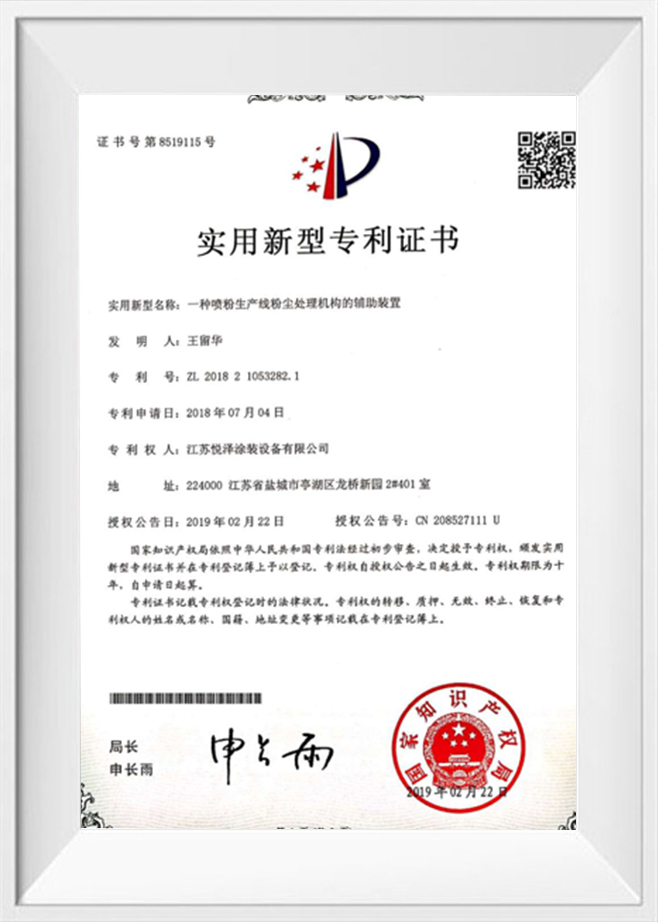
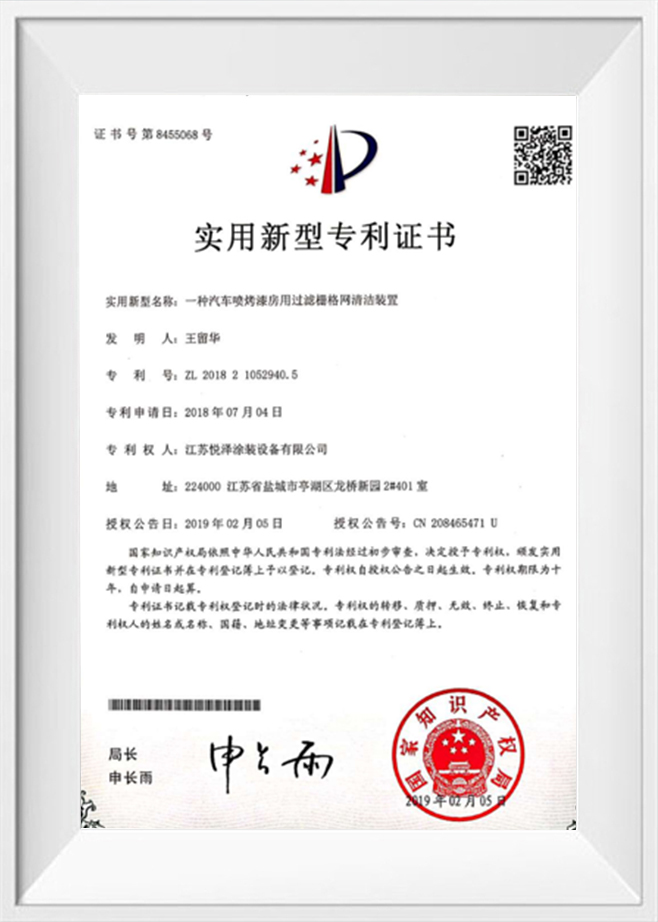
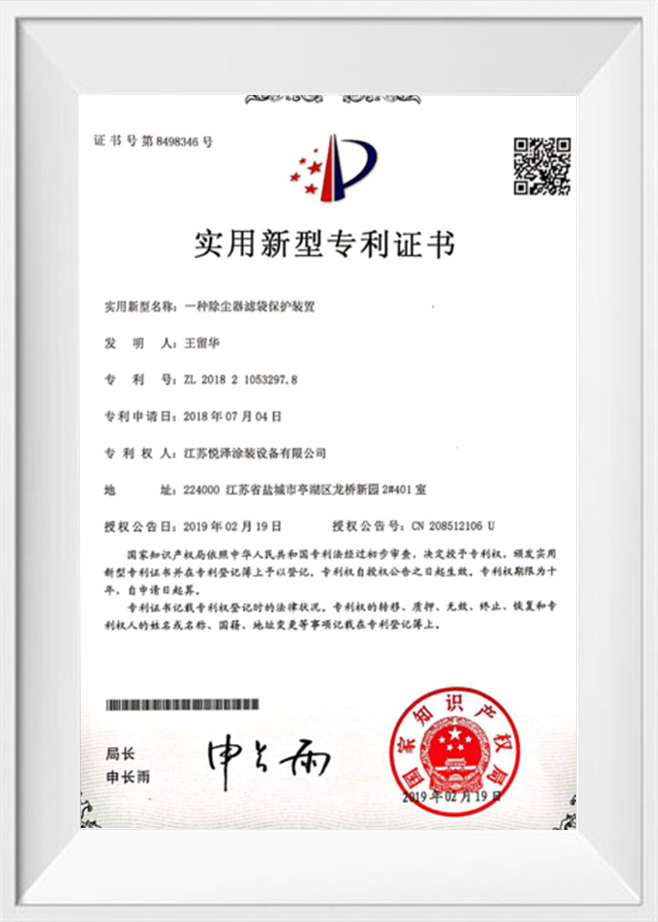
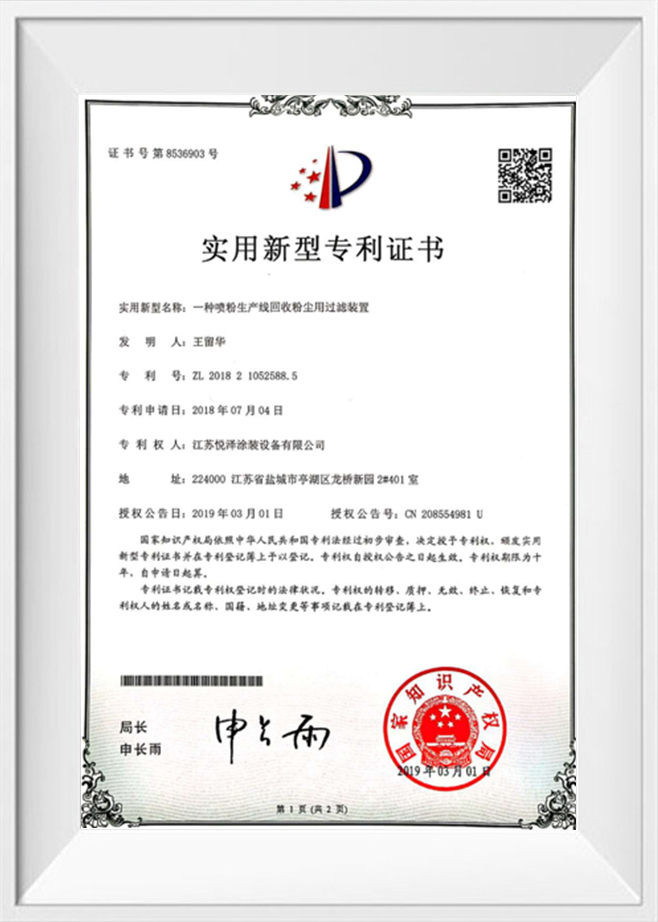
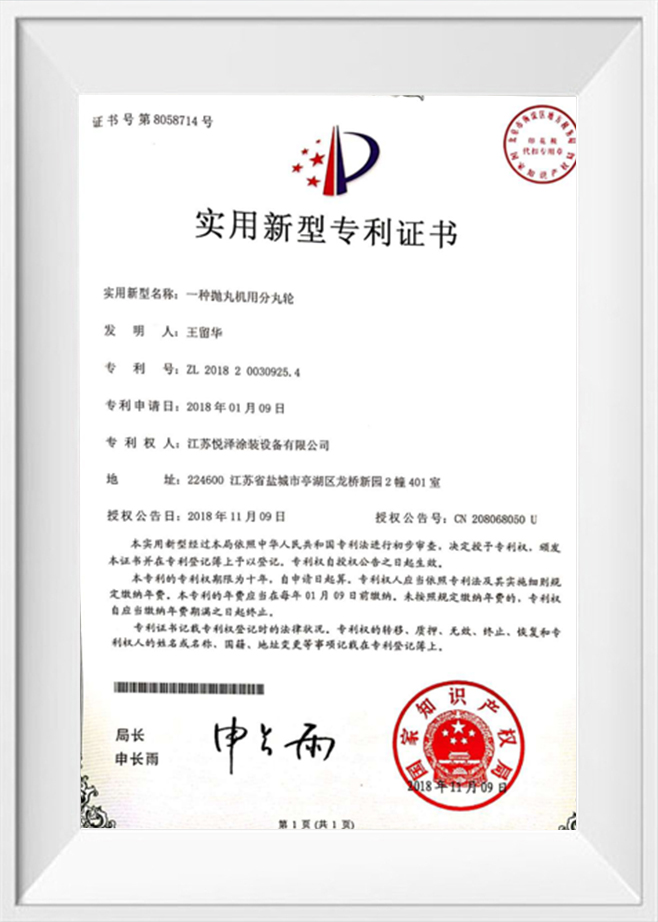
  • Utility Model Patent Certificate
  • Utility Model Patent Certificate
  • Utility Model Patent Certificate
  • Utility Model Patent Certificate
  • Utility Model Patent Certificate
  • Utility Model Patent Certificate
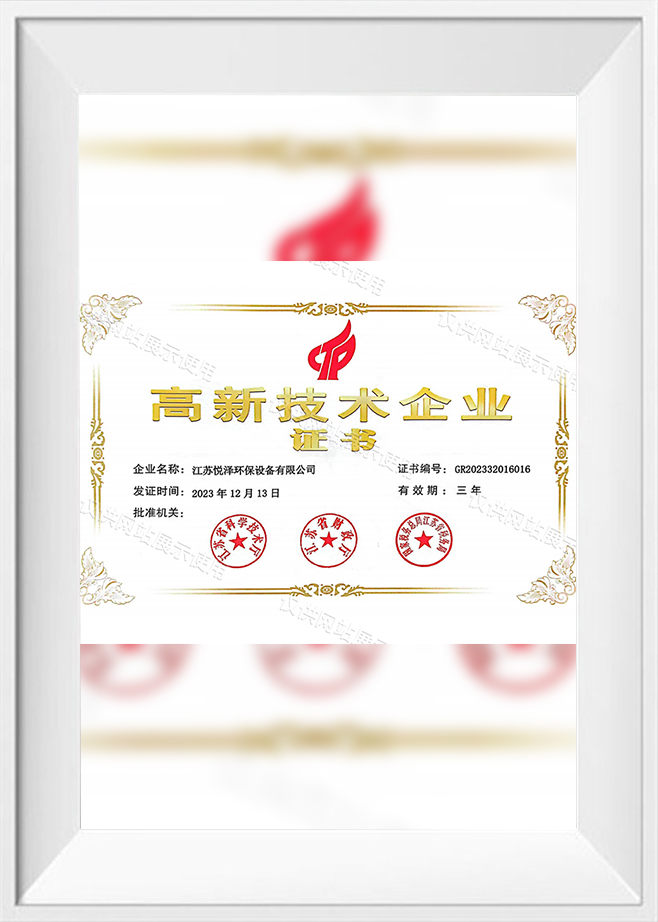
  • High-Tech Enterprise Certificate
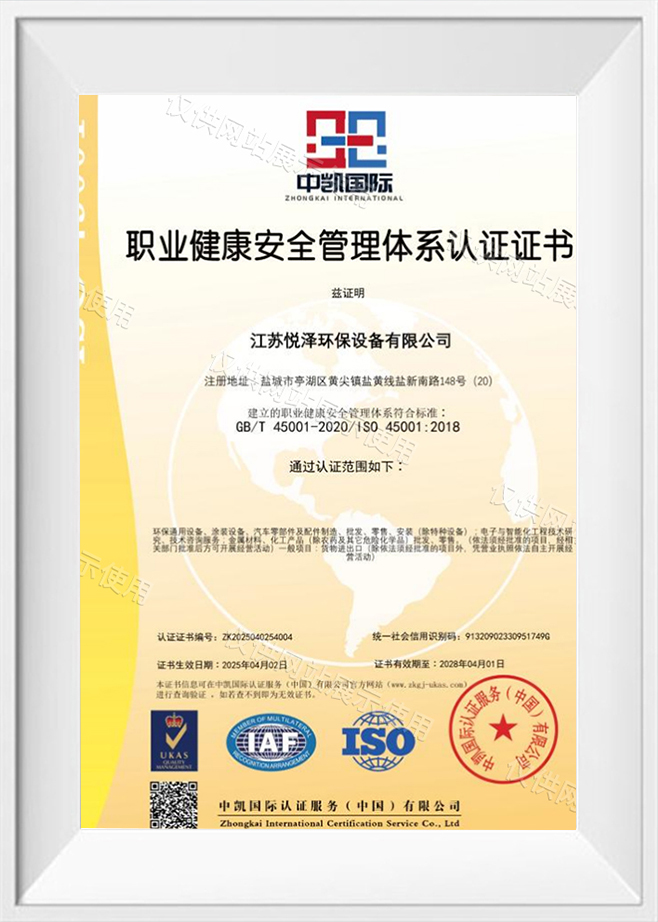
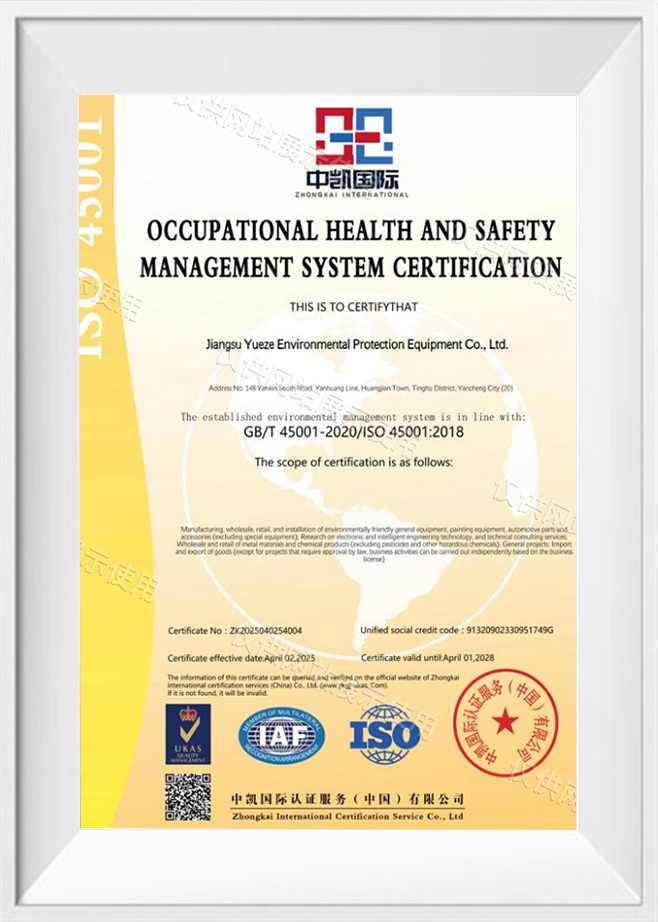
  • Certificate of Occupational Health and Safety Management System Certification
  • Certificate of Occupational Health and Safety Management System Certification
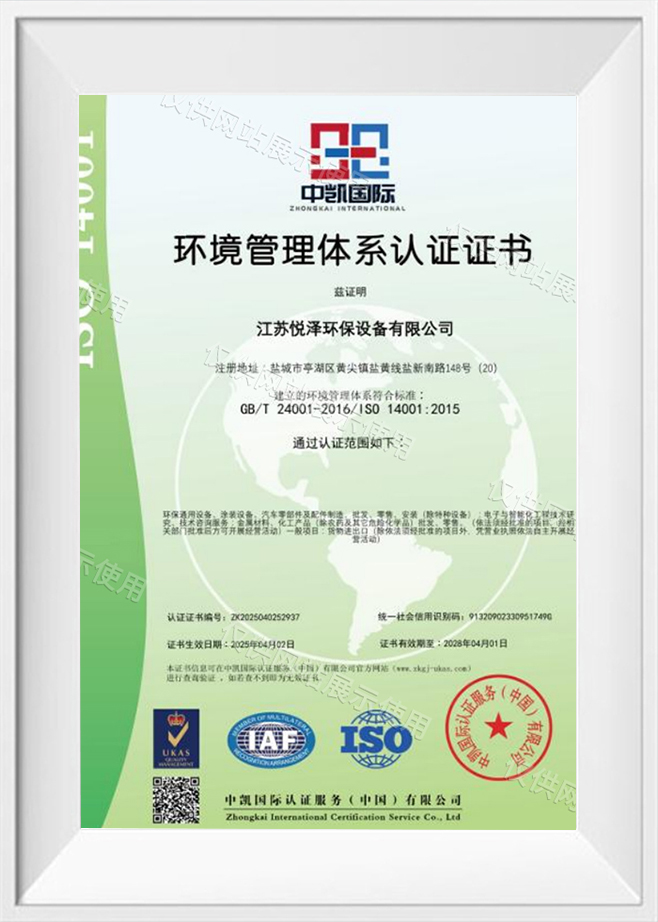
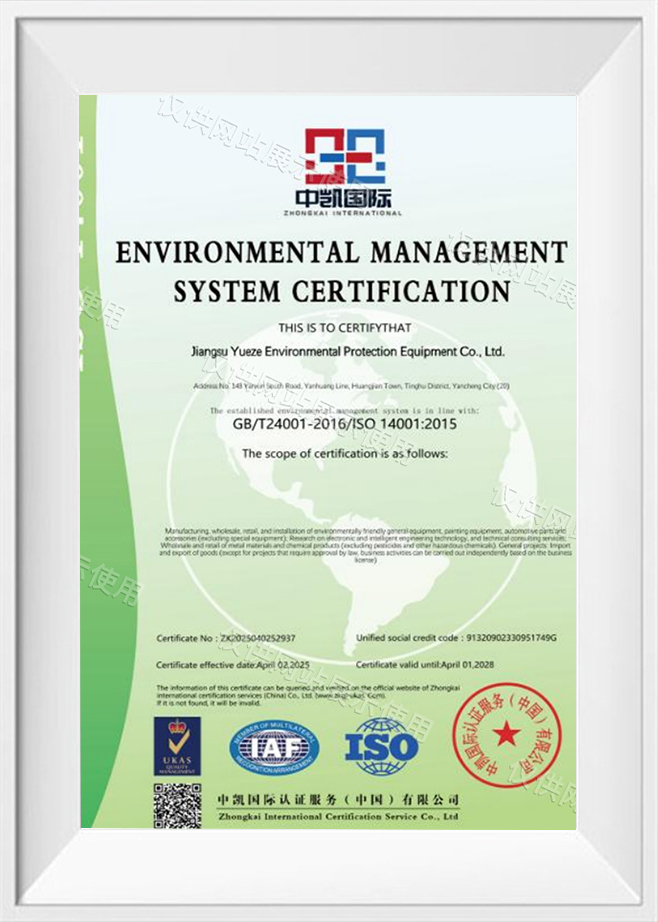
  • Environmental Management System Certification
  • Environmental Management System Certification
News
Industry knowledge

What Is a Roller Table Automation Line

A Roller Table Automation Line moves heavy or bulky workpieces horizontally between production stages using a series of powered rollers, instead of relying on overhead hooks or manual forklift handling. This type of conveying is common between grinding, coating, and inspection stations for parts such as large castings, counterweight blocks, and machined housings that are too heavy or awkwardly shaped for a hanging conveyor.

Because the workpiece rests directly on the rollers rather than hanging from a fixture, the load path is more stable for irregular or top-heavy parts, which reduces the risk of shifting during transfer between stations.

Key Advantages of Roller Table Automation

Replacing manual transfer with a powered roller table addresses several recurring bottlenecks in heavy-part production.

Table 1: Advantages of a roller table automation line
Feature Practical Benefit
Powered driven rollers Moves heavy parts without manual pushing or forklift trips
Variable speed control Matches transfer speed to upstream and downstream station cycle times
Accumulation zones Buffers parts between stations without stopping the entire line
Load-rated roller sections Supports heavier castings and assemblies than typical belt conveyors

How a Roller Table Automation Line Works

A roller table line typically integrates with sensors and drive motors so that parts move automatically between stages without an operator manually triggering each transfer.

Standard Process Sequence

  1. A part is loaded onto the roller table from the previous station, such as a grinding room or paint booth exit
  2. Sensors detect the part's presence and trigger the rollers to begin moving it forward
  3. The part travels through accumulation zones if the next station is not yet ready to receive it
  4. The part is released to the next process stage once the downstream station signals it is clear

Using accumulation zones between stations means a temporary slowdown at one process step does not force the whole line to stop, since parts already in transit can wait on the rollers until the next station is ready.

Where Roller Tables Fit in a Production Line

Roller table sections are usually placed where a part needs to move in a straight line between two heavy-duty process stages rather than being lifted or hung.

  • Between a grinding room and a paint and bake booth for large castings
  • Feeding counterweight block logistics conveying sections after coating is complete
  • Connecting inspection stations to packaging or storage areas

Jiangsu Yue Ze Environmental Protection Equipment Co., Ltd. includes counterweight block logistics automated conveying series among its equipment lines, reflecting direct experience moving heavy cast parts between processing stages.

Manufacturing Scale Behind the Equipment

Jiangsu Yue Ze Environmental Protection Equipment Co., Ltd., located in Yancheng, Jiangsu, China, operates a facility spanning 35,000 square meters with a registered capital of 58 million yuan, and reports more than 40 years of combined experience across powder coating lines, large-sized parts grinding rooms, and automated conveying systems. Machines are custom-built to meet challenging machining requirements, with projects completed across multiple provinces and export markets.

Frequently Asked Questions

Q1: How is a roller table different from a hanging conveyor?

A roller table supports the part from below as it moves, while a hanging conveyor suspends the part from a hook or fixture, which makes the roller table better suited to heavy or irregularly shaped parts.

Q2: What happens if a downstream station is not ready to receive a part?

The part waits in an accumulation zone on the roller table until the next station signals it is clear, which avoids stopping the entire line for a temporary delay.

Q3: Can a roller table automation line handle different part sizes?

Yes, as long as roller spacing and load rating are specified during the design stage to match the range of part sizes and weights expected on the line.

Q4: What should buyers confirm before ordering a roller table automation line?

Buyers should confirm the maximum part weight and footprint, required transfer speed, and whether accumulation zones are needed to buffer parts between existing production stations.