Key Advantages of a Powder Coating Line
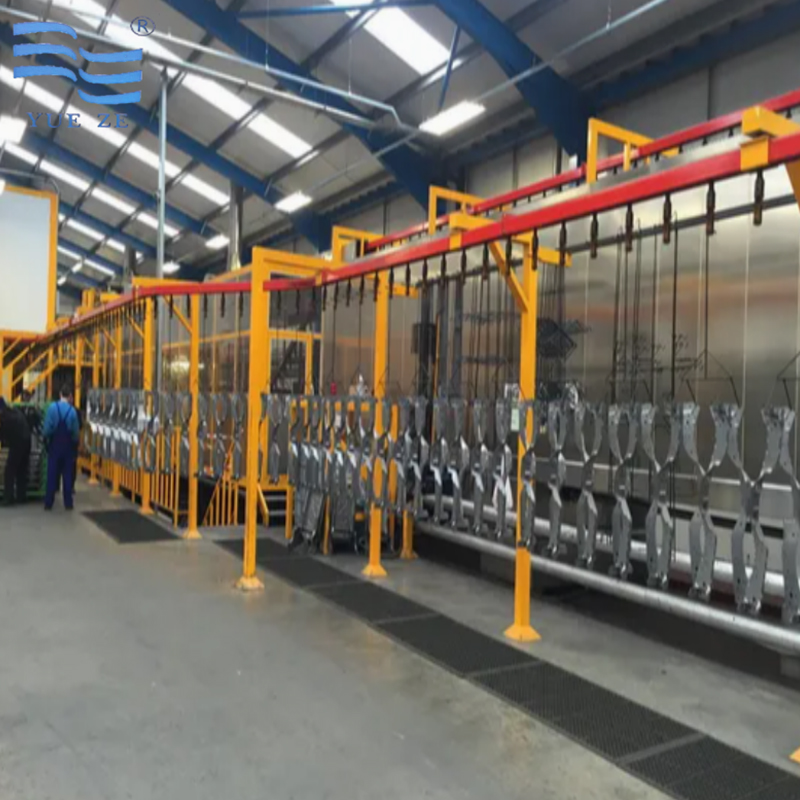
A Powder Coating Line integrates pretreatment, powder application, and curing into a single continuous process, allowing factories to move from bare metal to a finished coated part without manual transfer between separate stations. Compared with liquid painting, powder coating produces minimal volatile organic compound (VOC) emissions and generates less hazardous waste, since overspray powder can typically be recovered and reused rather than discarded. Factories that switch to a fully integrated line often see higher first-pass coating quality because pretreatment, application, and curing conditions remain consistent from one workpiece to the next, rather than varying with manual handling between separate stages.
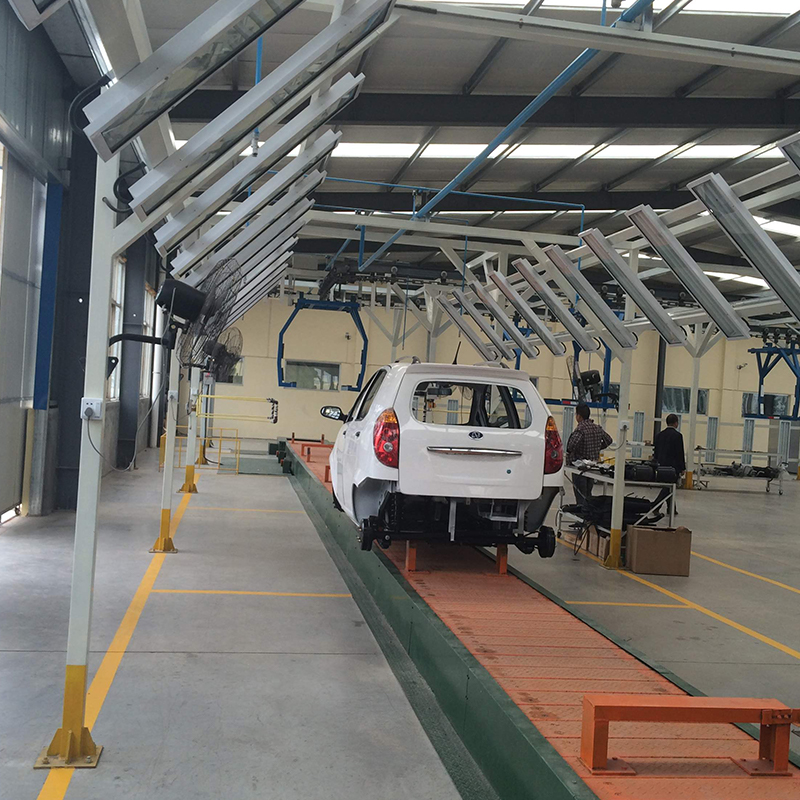
The coating produced through this process is also known for strong impact and corrosion resistance, which is one of the reasons powder coating lines are widely used for automotive parts, appliances, and outdoor equipment that need to withstand repeated handling and environmental exposure.
How an Automated Powder Coating Line Operates
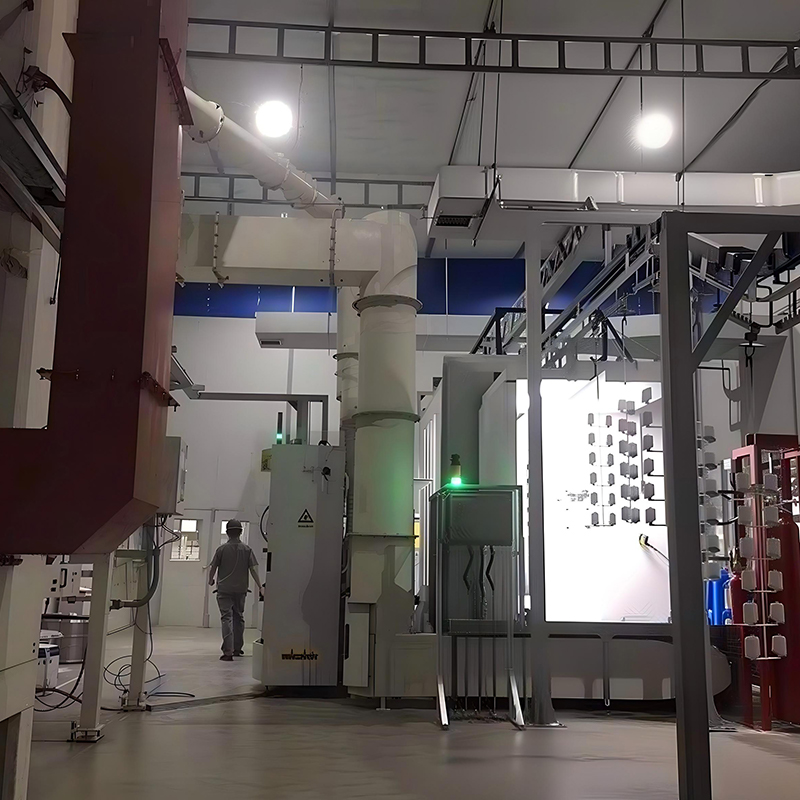
An automated powder coating line typically moves workpieces through the following sequence:
- Pretreatment stage: degreasing, rinsing, and phosphating prepare the surface for coating adhesion;
- Drying stage: removes residual moisture before the part enters the spray booth;
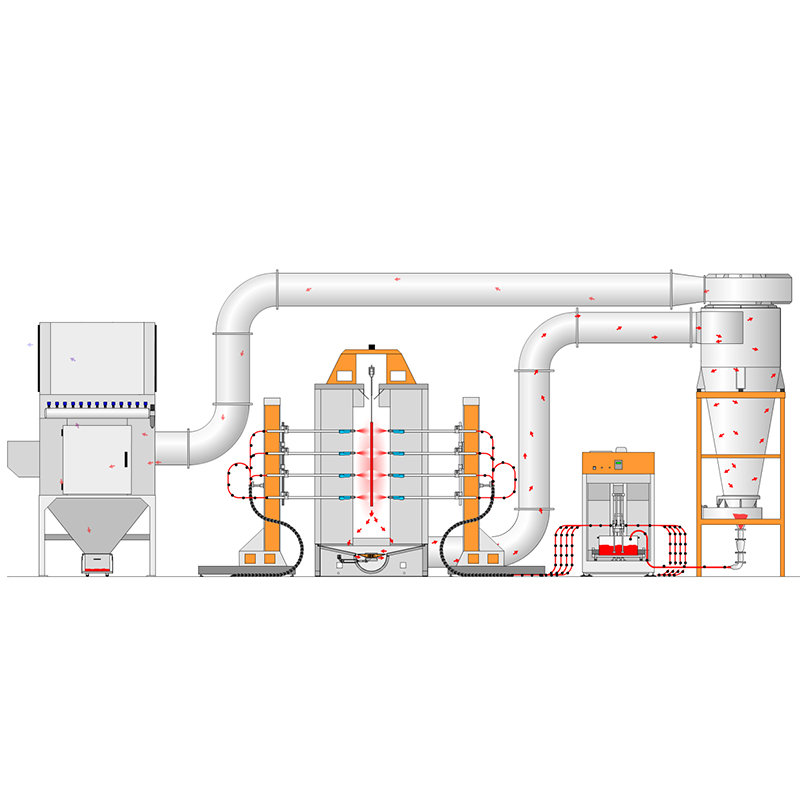
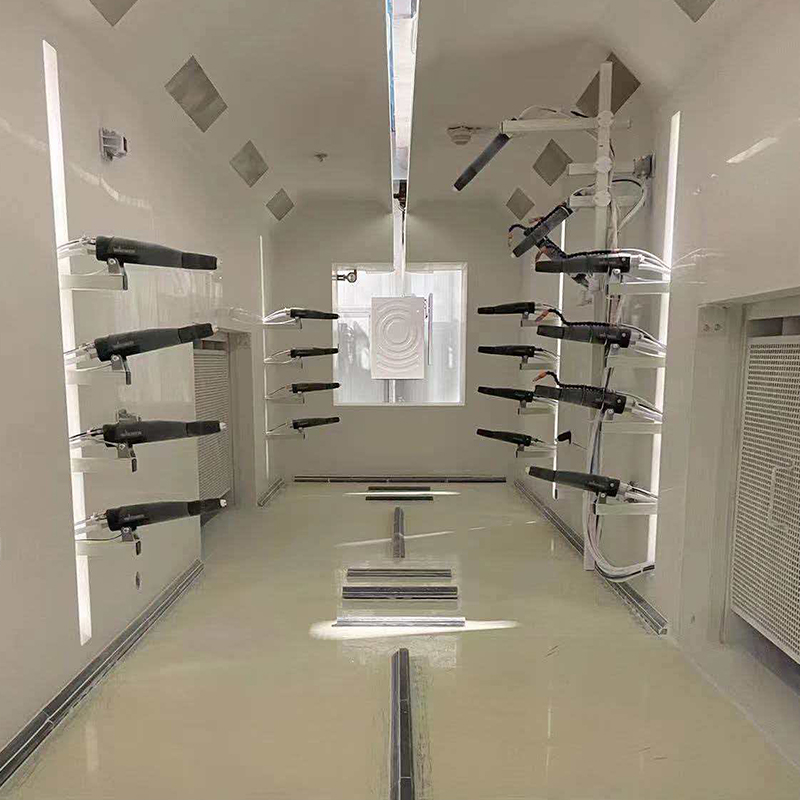
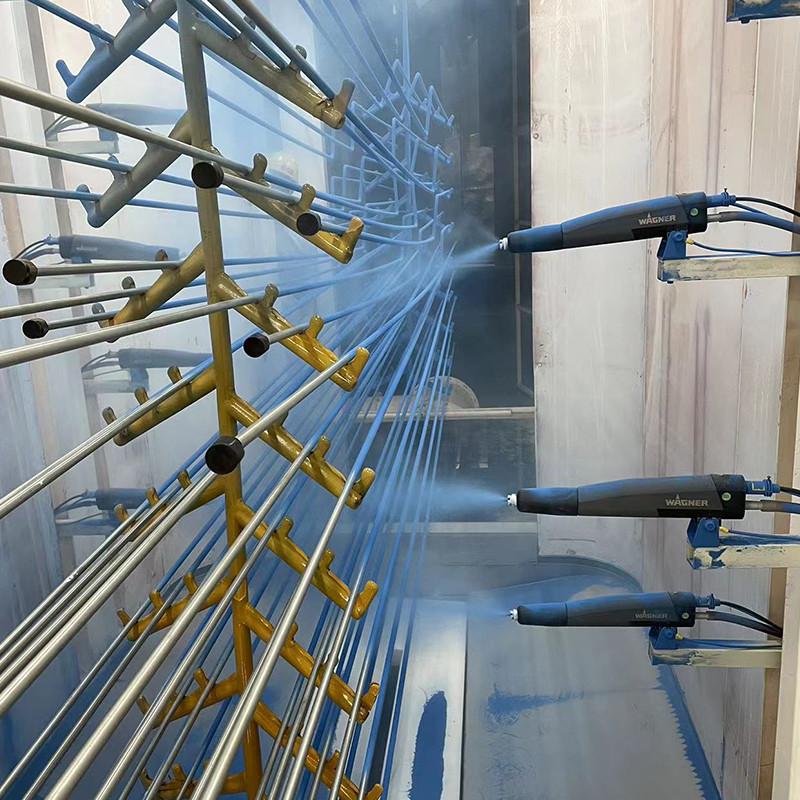
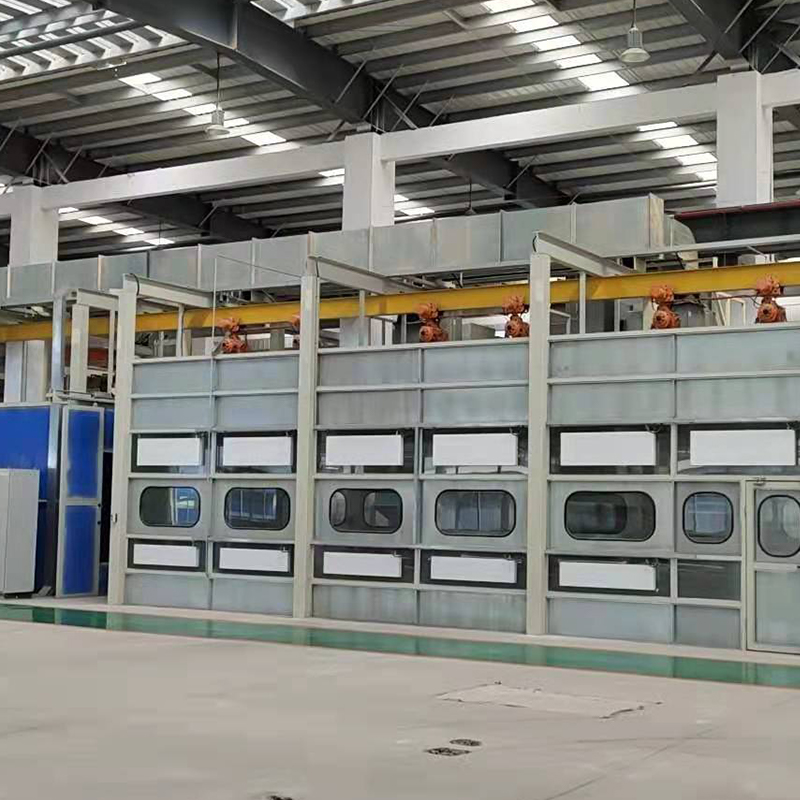
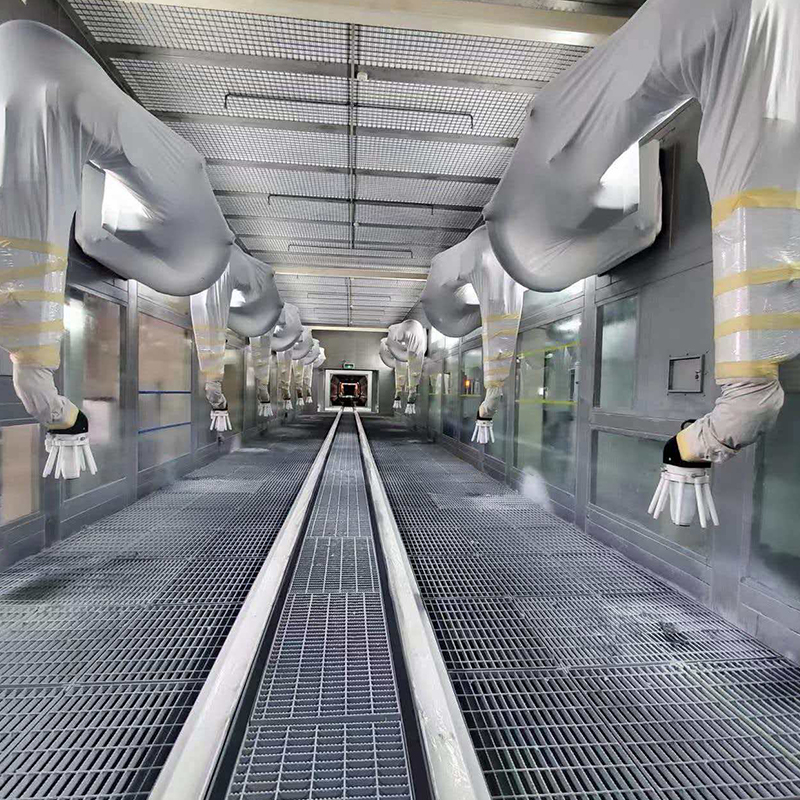
- Powder application: electrostatic guns apply charged powder particles evenly across the surface;
- Curing oven: heat fuses the powder into a continuous, durable coating film;
- Cooling and inspection: parts cool before final quality checks and unloading.
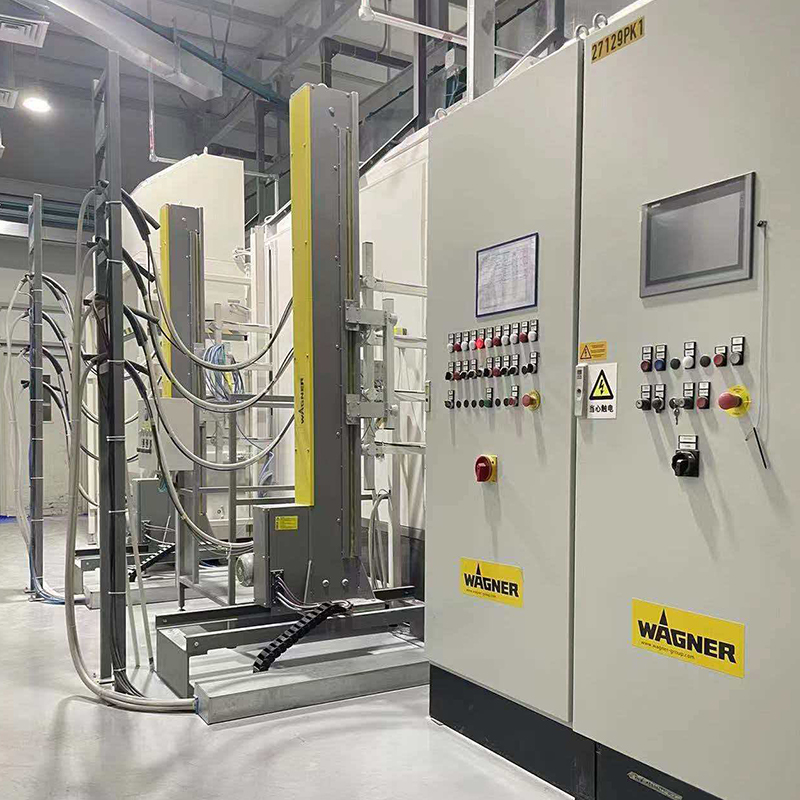
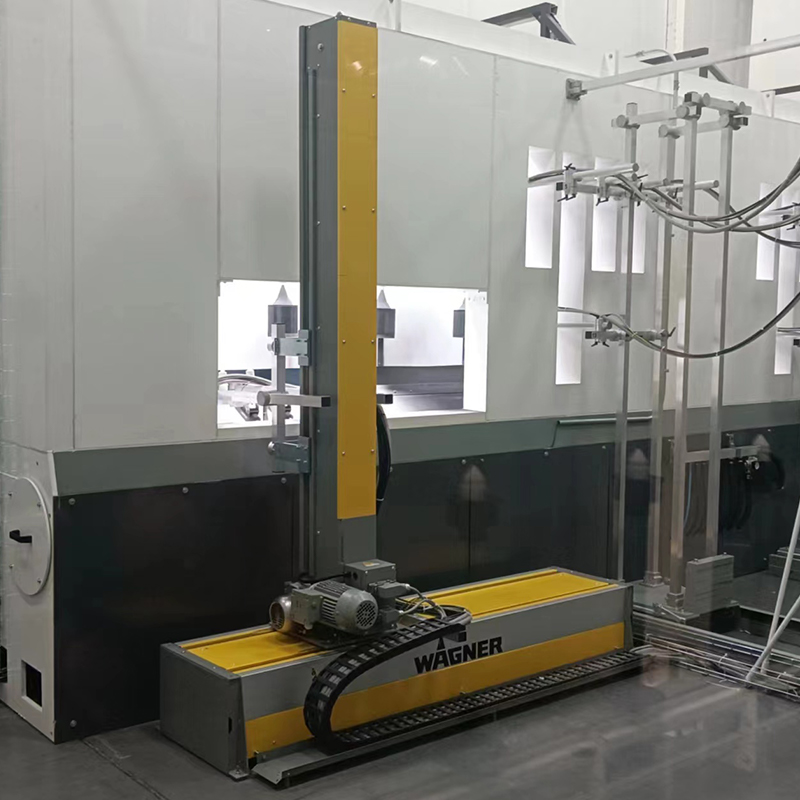
In an automated setup, conveyor systems and programmable logic controllers (PLCs) synchronize the timing between each stage, allowing the line to maintain a steady cycle time even as production volume scales up.
What Defines an Effective Finish Line Powder Coating Process
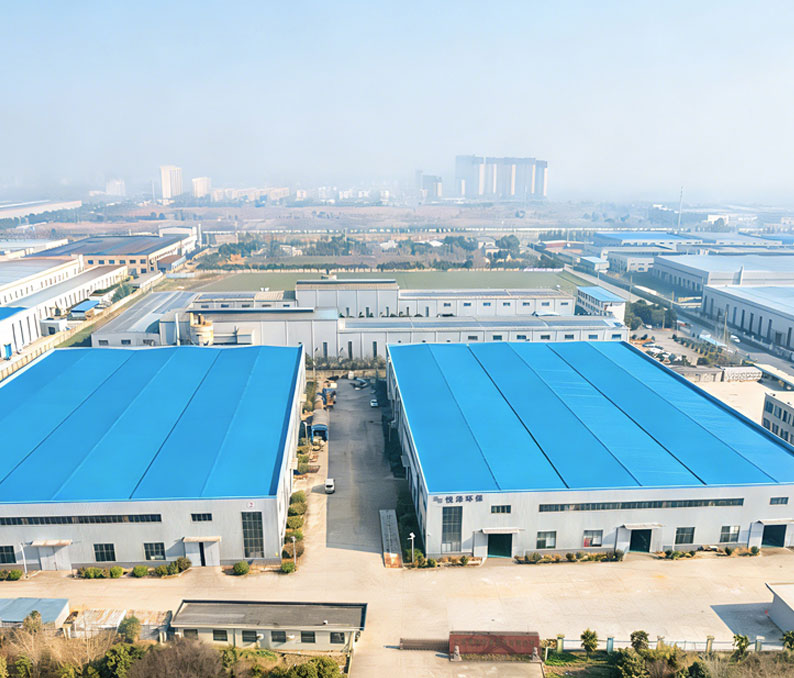
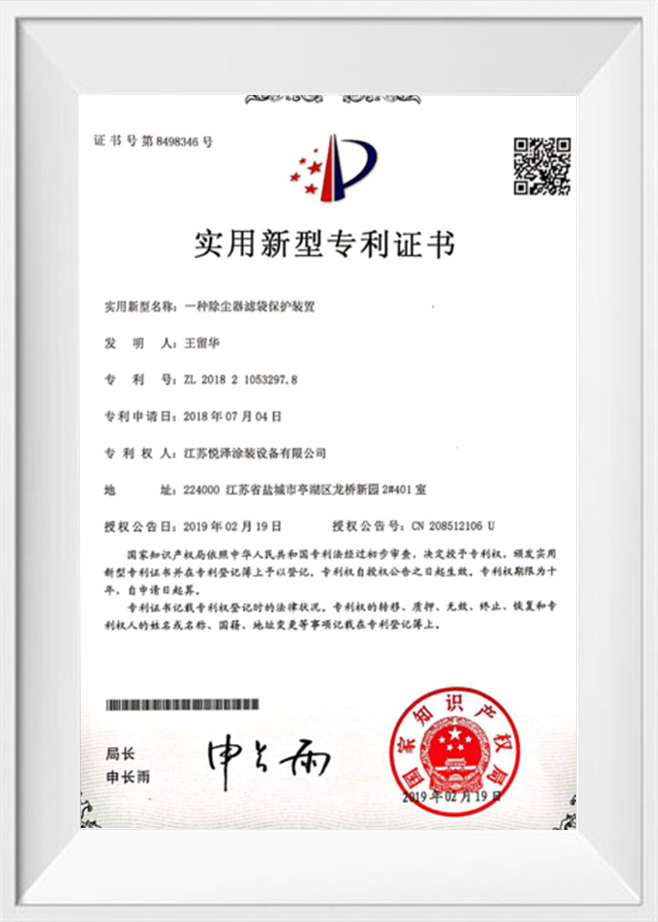
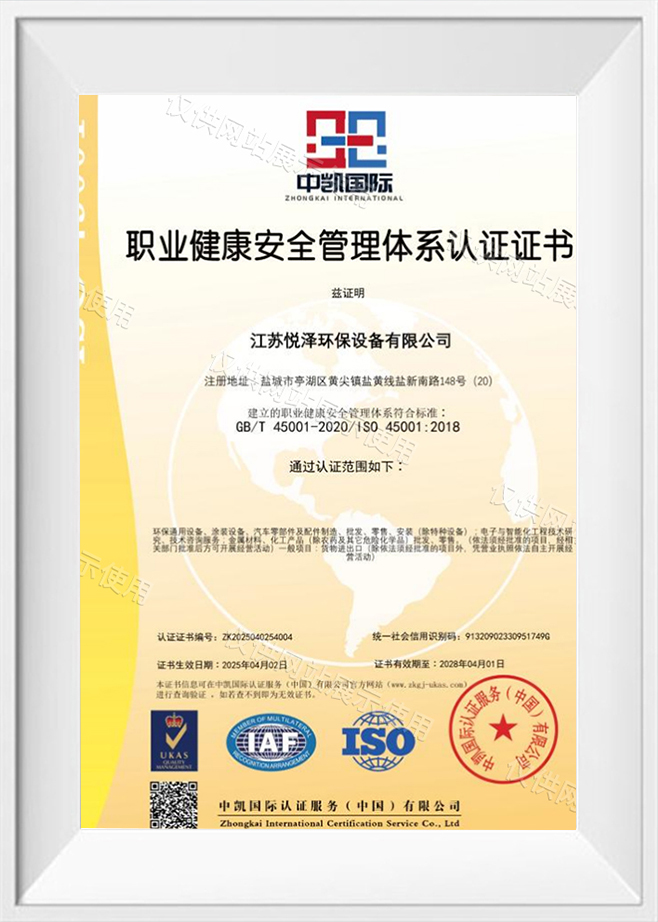
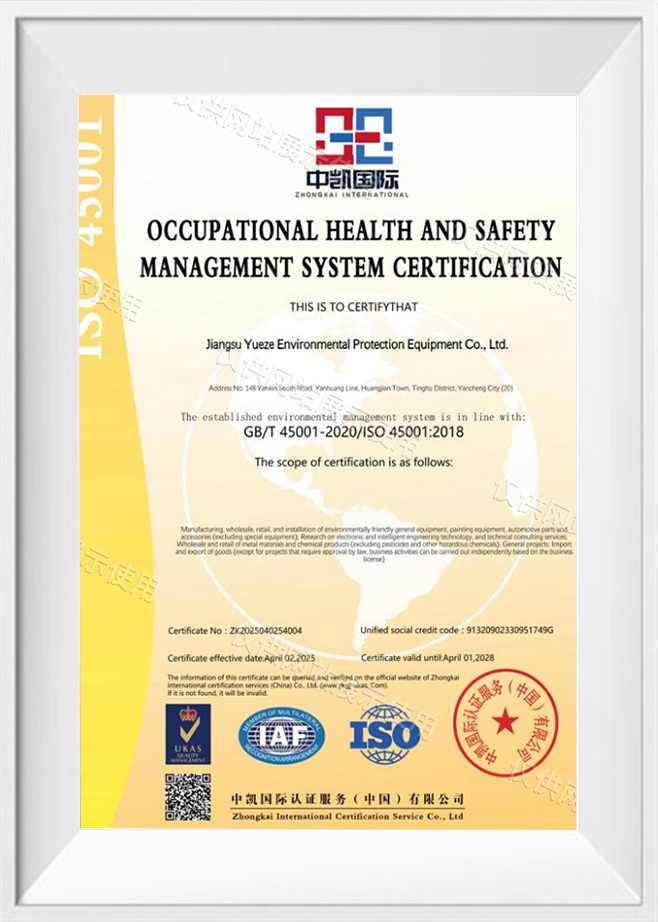
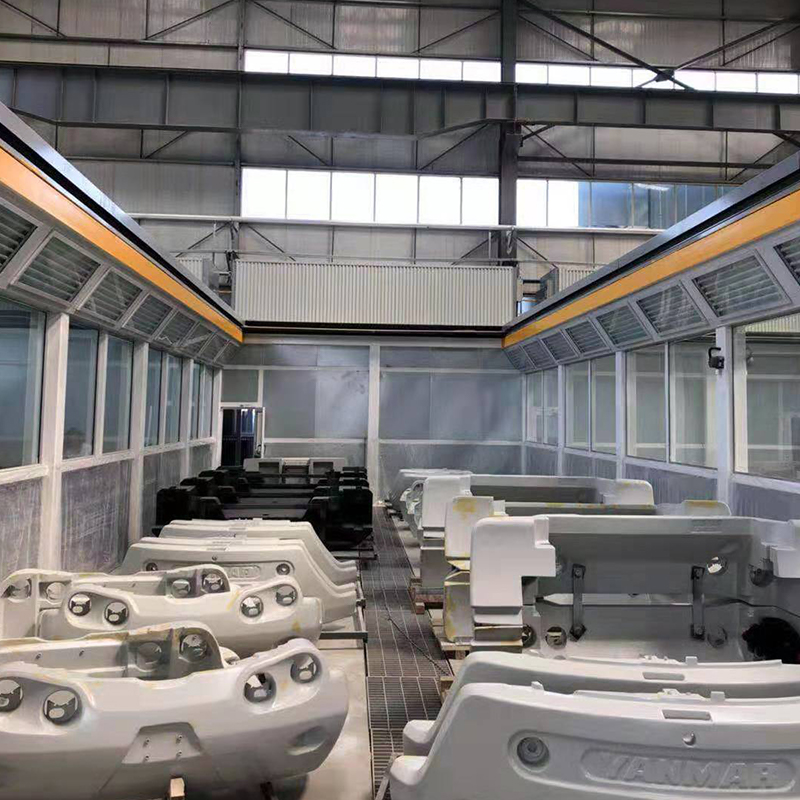
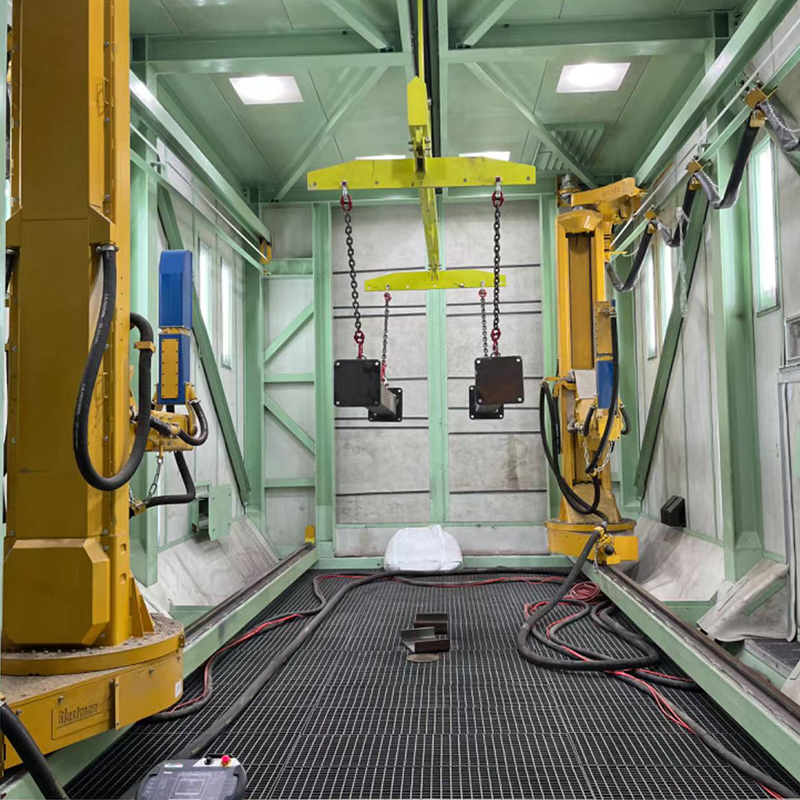
The final stages of a coating line, often referred to as the finish line powder coating process, determine the appearance and durability customers ultimately see. Consistent oven temperature control, proper curing time, and thorough cooling before handling all contribute to a uniform, defect-free finish. Jiangsu Yue Ze Environmental Protection Equipment Co., Ltd., located in Yancheng, Jiangsu, China, spans 35,000 square meters with a registered capital of 58 million yuan and brings more than 40 years of experience in powder coating lines, new high infrared radiation drying series, and related coating equipment. Since developing one of the industry's first hanging automatic painting process lines for cast counterweight blocks in 2014, the company has applied this engineering experience to complete coating line projects across multiple provinces in China and international markets.
Powder Coating Line Stage Reference
Table: Core stages of a powder coating line and their function
| Stage |
Function |
Impact on Quality |
| Pretreatment |
Surface cleaning and preparation |
Determines coating adhesion |
| Powder application |
Electrostatic coating deposition |
Determines film thickness and coverage |
| Curing |
Heat fusion of powder film |
Determines durability and finish quality |
Frequently Asked Questions
Q1: What are the main benefits of a Powder Coating Line compared with liquid painting?
A powder coating line produces lower VOC emissions, allows overspray recovery for reuse, and typically results in a more durable, impact-resistant finish compared with conventional liquid paint systems.
Q2: How does automation improve consistency in an automated powder coating line?
Automation keeps pretreatment time, powder application, and curing temperature consistent across every workpiece, reducing the quality variation that can occur when stages rely on manual handling.
Q3: What factors most affect the final finish line powder coating quality?
Curing oven temperature accuracy, adequate curing time, and proper cooling before handling are among the most important factors, along with a clean, well-prepared surface entering the coating stage.


 русский
 عربى
عربى
 Tiếng Việt