Electrophoresis Coating Line for Electric Vehicles Custom

Home / Products / Modular Automatic Production Line / Electrophoresis Coating Line for Electric Vehicles

  • Electrophoresis Coating Line for Electric Vehicles
  • Electrophoresis Coating Line for Electric Vehicles
  • Electrophoresis Coating Line for Electric Vehicles
  • Electrophoresis Coating Line for Electric Vehicles
  • Electrophoresis Coating Line for Electric Vehicles
  • Electrophoresis Coating Line for Electric Vehicles
  • Electrophoresis Coating Line for Electric Vehicles
  • Electrophoresis Coating Line for Electric Vehicles
  • Electrophoresis Coating Line for Electric Vehicles
  • Electrophoresis Coating Line for Electric Vehicles

Electrophoresis Coating Line for Electric Vehicles

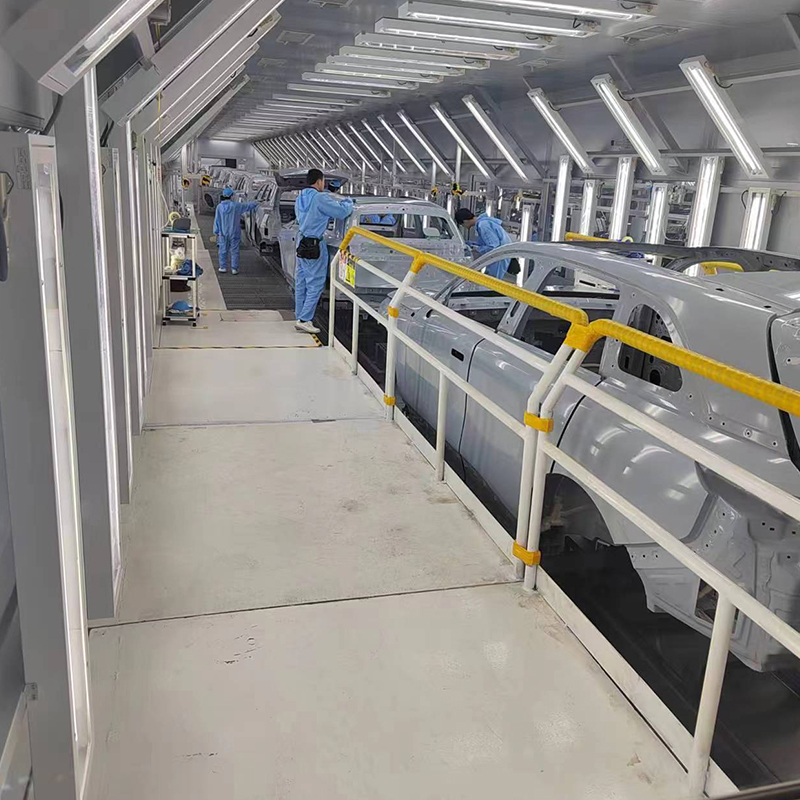
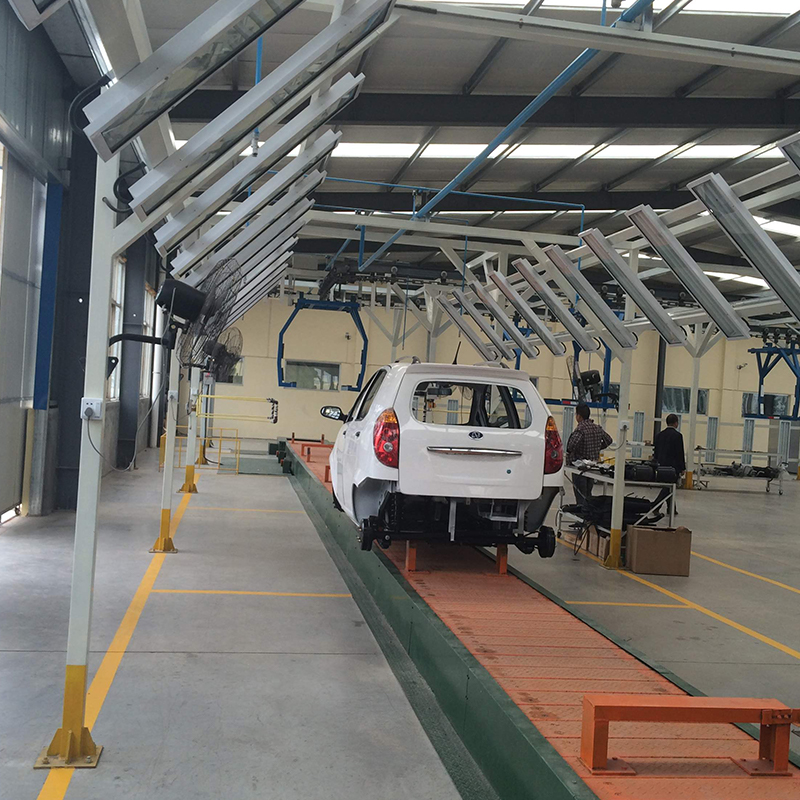
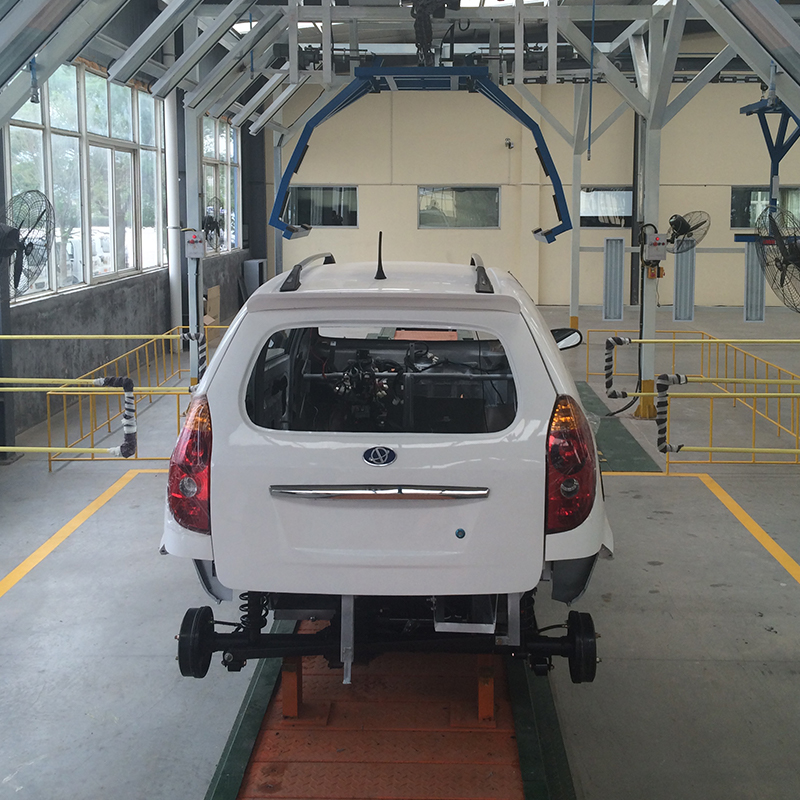
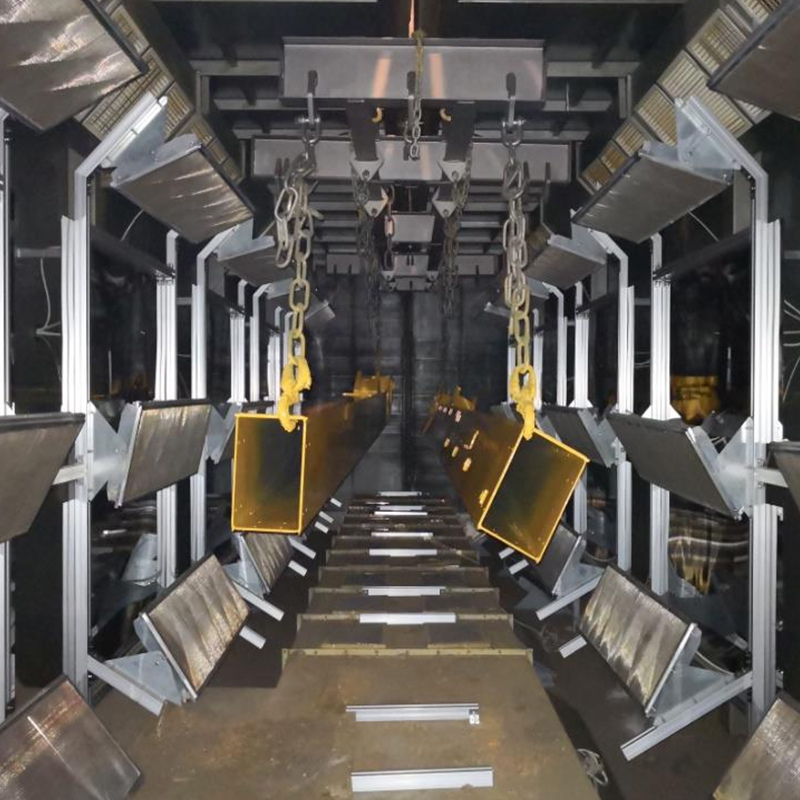
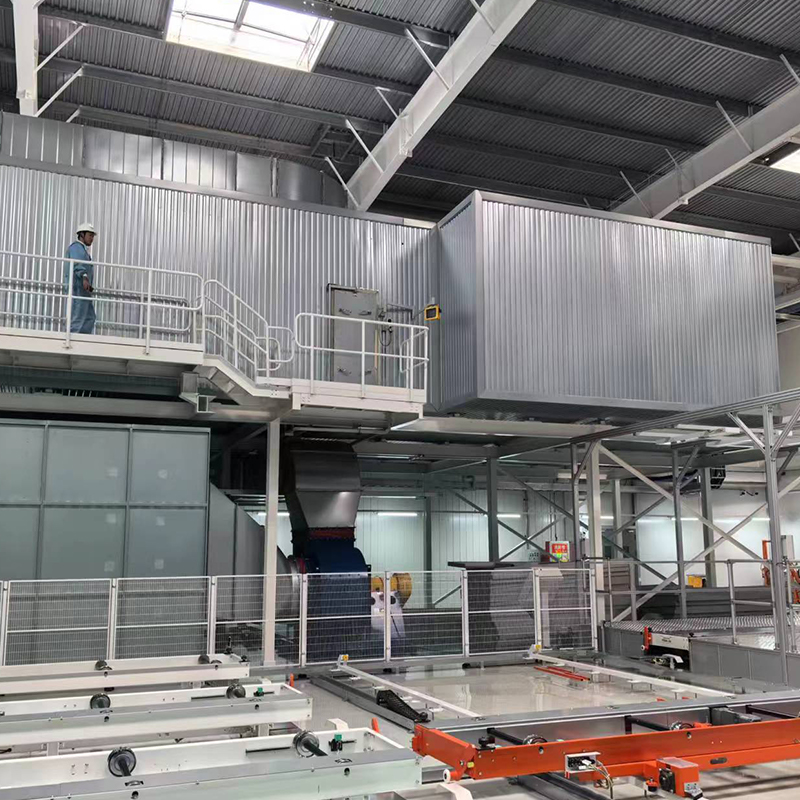
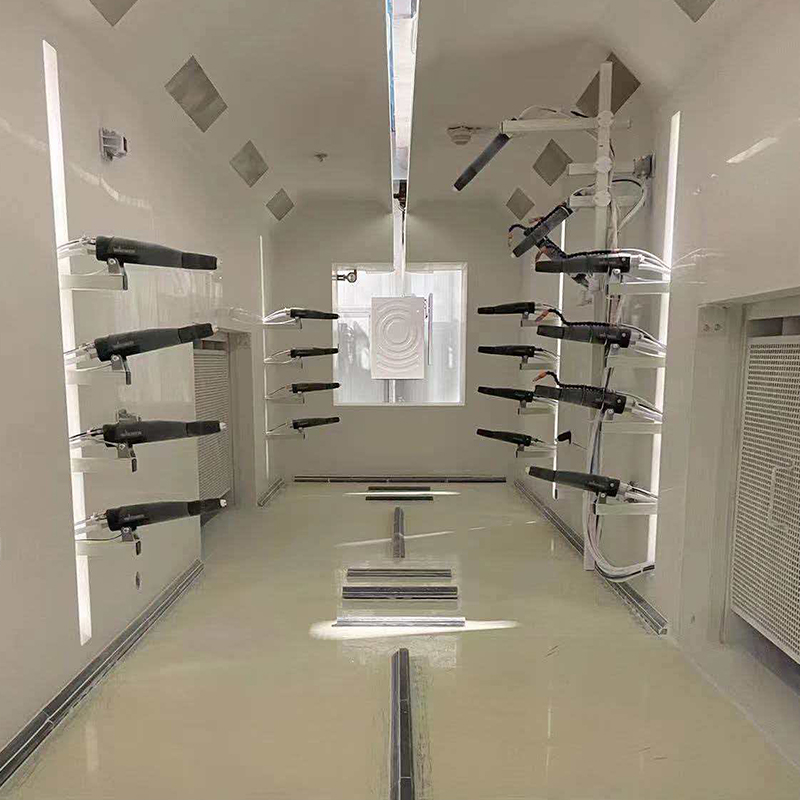
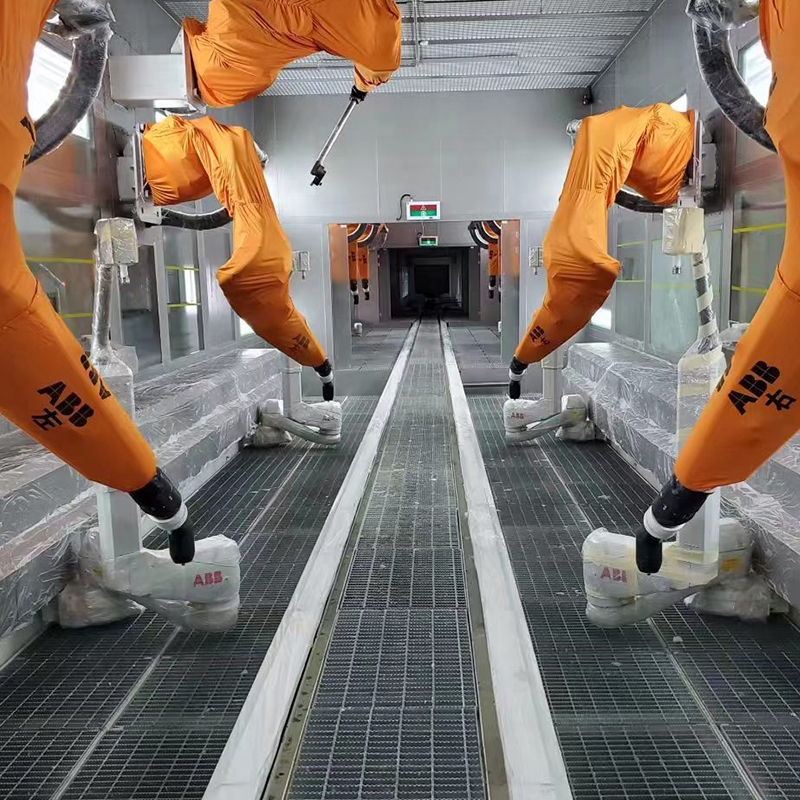
Professional electrophoresis coating line specially designed for electric vehicles (EVs), applicable to various EV types (passenger EV, commercial EV, new energy logistics vehicle) and EV components. Main types: cathodic electrophoresis (CED) coating line for EVs, full-automatic EV electrophoresis production line, EV body electrophoresis line, EV battery case/frame electrophoresis line, and integrated pre-treatment + electrophoresis + curing line.
Contact Us
  • Product Details

Core Advantages:

1. Exclusive Adaptation & Suitable for EV Characteristics
Designed specifically for core components of electric vehicles, such as complete vehicles, battery cases, motor cases, and frames, it adapts to the lightweight (aluminum alloy, high-strength steel) materials of electric vehicles, with stronger electrophoresis adhesion and adaptation to complex, special-shaped structures.
It takes into account both insulation protection and anti-corrosion needs. The electrophoretic coating can improve the insulation performance of electric vehicle parts, adapt to the special coating requirements of high-voltage components such as battery packs and motors, and ensure driving safety.

2. Uniform Electrophoresis & Excellent Anti-Corrosion Performance
Adopting the cathodic electrophoresis process, the paint film is uniform and dense, the thickness is controllable (15-50μm adjustable), no sagging, no pinholes, no missing coating, and can fully cover the internal and external surfaces, corners, and gaps of parts.
The electrophoretic coating is salt spray resistant, damp heat resistant, and aging resistant, which can resist complex environments such as rainy days, humidity, acid, and alkali, effectively extending the service life of electric vehicle parts and reducing later maintenance costs.

3. Environmental Protection & High Efficiency, In Line with Green Travel Concept
Electrophoretic paint is recycled with a utilization rate of more than 95%, no paint mist waste, reducing pollutant emissions; waste liquid and waste water are discharged up to standard after professional treatment, complying with national environmental standards and green production requirements of the electric vehicle industry.
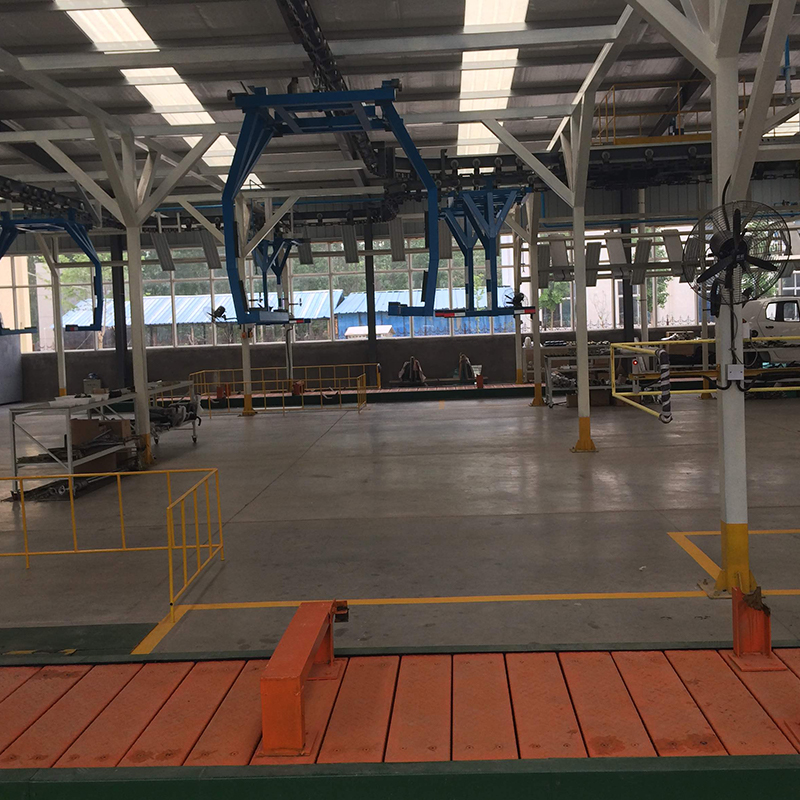
Full automatic assembly line design, integrating pretreatment, electrophoresis, ultrafiltration, and drying, with a controllable production cycle, greatly improves coating efficiency and adapts to the large-scale mass production needs of electric vehicles.

4. Reliable Precision & Stable Quality
PLC intelligent control system can accurately control electrophoresis voltage, temperature, time, and other parameters, monitor the coating process in real time, ensure the consistent quality of each batch of workpiece coatings, and the qualification rate is more than 99.5%.
Equipped with an ultrafiltration system, it effectively removes impurities in electrophoretic paint, ensures the purity of paint liquid, improves the gloss and adhesion of the coating, and meets the high-end quality requirements of electric vehicles.

5. Energy Saving & Consumption Reduction, Reduce Operating Costs
Adopting energy-saving drying equipment and waste heat recovery technology, the energy consumption is reduced by more than 25% compared with traditional electrophoresis lines, greatly reducing electricity and heat energy consumption and lowering enterprise operating costs.
High degree of automation, greatly reducing manual operation and labor costs; stable equipment operation, low failure rate, reducing downtime maintenance time, and improving production continuity.

6. Flexible Customization & Adapt to Diverse Needs
According to electric vehicle models (passenger cars, commercial vehicles, special vehicles) and part sizes (battery cases, frames, etc.), the assembly line length, electrophoresis tank specifications, and drying methods can be customized to adapt to different production scenarios.
Modular structure design, quick installation, can upgrade the automation level and expand coating categories in the later stage, adapt to the technical upgrading and production capacity expansion needs of electric vehicles, and reduce equipment update costs.

About Us
JIANGSU YUE ZE ENVIRONMENTAL PROTECTION EQUIPMENT CO.,LTD.
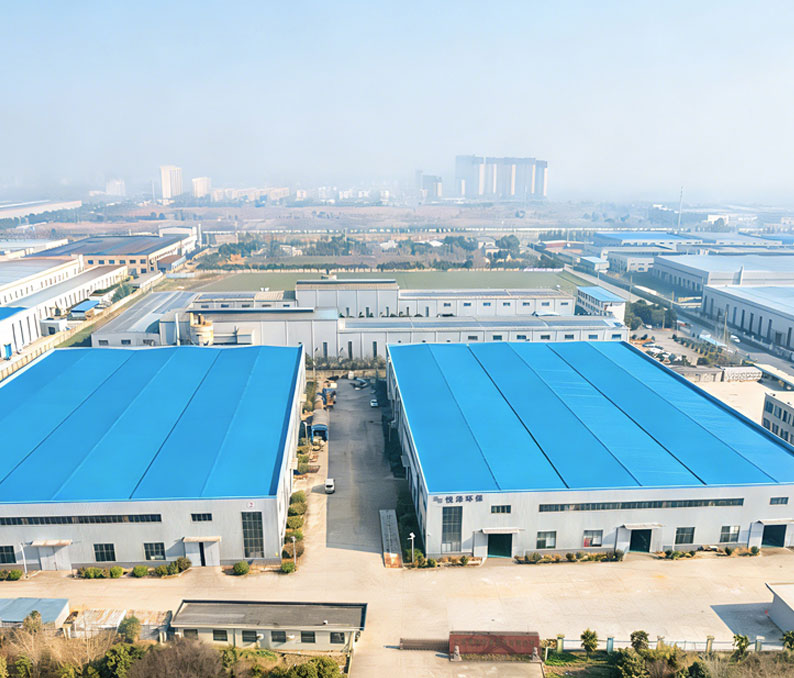
As Electrophoresis Coating Line for Electric Vehicles Manufacturer and Electrophoresis Coating Line for Electric Vehicles factory, Jiangsu Yue Ze Environmental Protection Equipment Co., Ltd. located in Yanchen, Jiangsu, China, spanning 35, 000 square meters with a registered capital of 58 million yuan, more than 40 years of experience in powder coating Line; electric car assembly line; drawer type bus production line; automative counterweight spray line; automotive body spray bake paint booth;large-sized parts grinding room; paint and bake booth; waste gas treatment equipment; new high infrared radiation drying series; Counterweight block logistics automated conveying series; and so on.
In 2014, we were the very first factory to create a hanging automatic painting process line for casting counterweight blocks, including a complete set of designs from the finishing and polishing of castings to the primer + top paint line of castings. The products cover different painting processes for large, medium, and small parts. The projects are spread across various provinces in the country and many countries. There are many significant achievements and rich experience in the industry. We have the perfect facilities to deliver the quality ensured equipment to our global customer network. Most of our machines are specially customized to meet customers' challenging machining requirements. Our development and design capabilities allow us to respond quickly and effectively to meet the client's requirements. Our development and design capabilities allow us to respond quickly and effectively to meet the client's requirements. We are expecting your visit and cooperation!
Certificate Of Honor
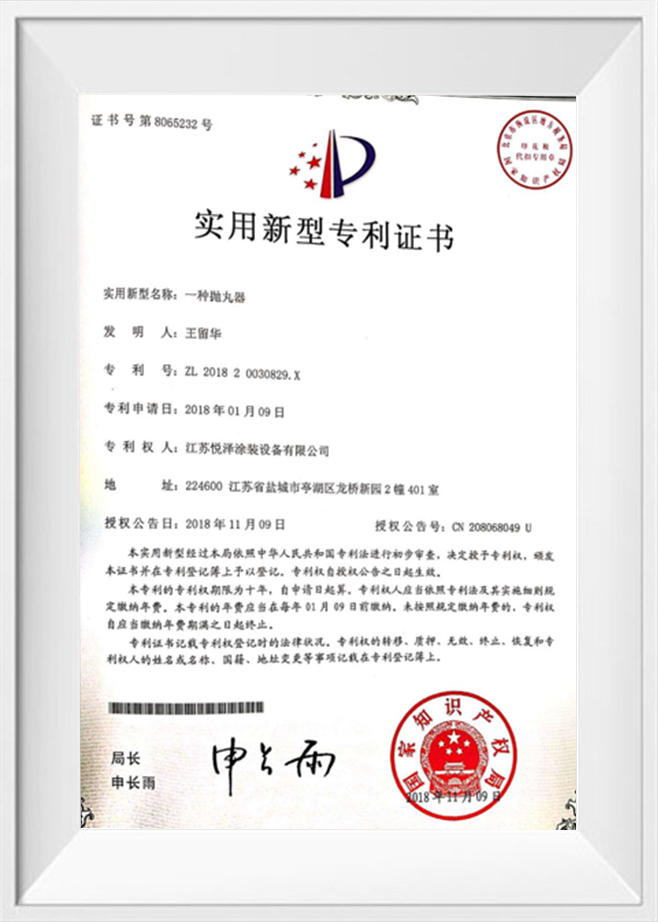
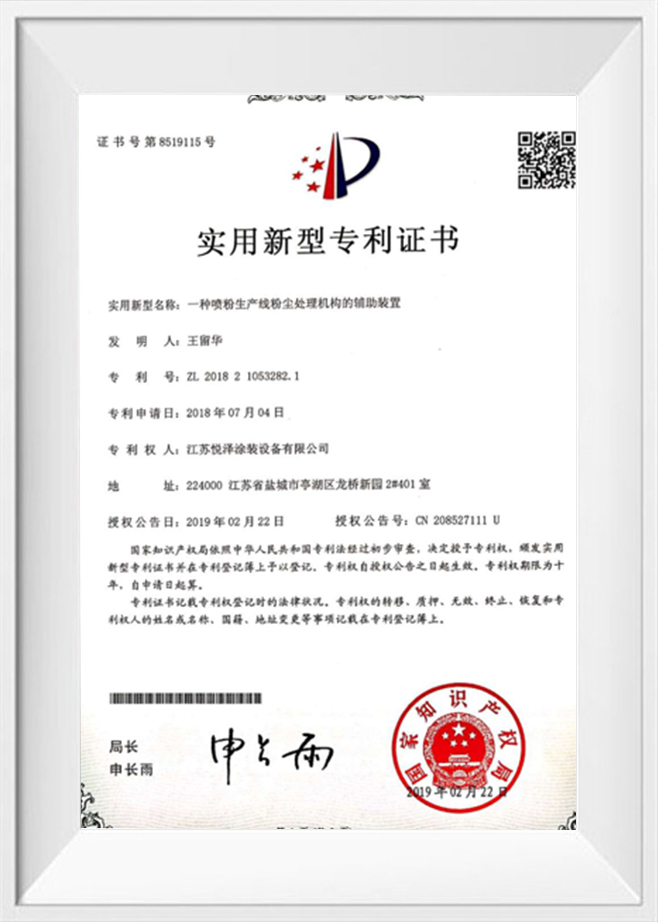
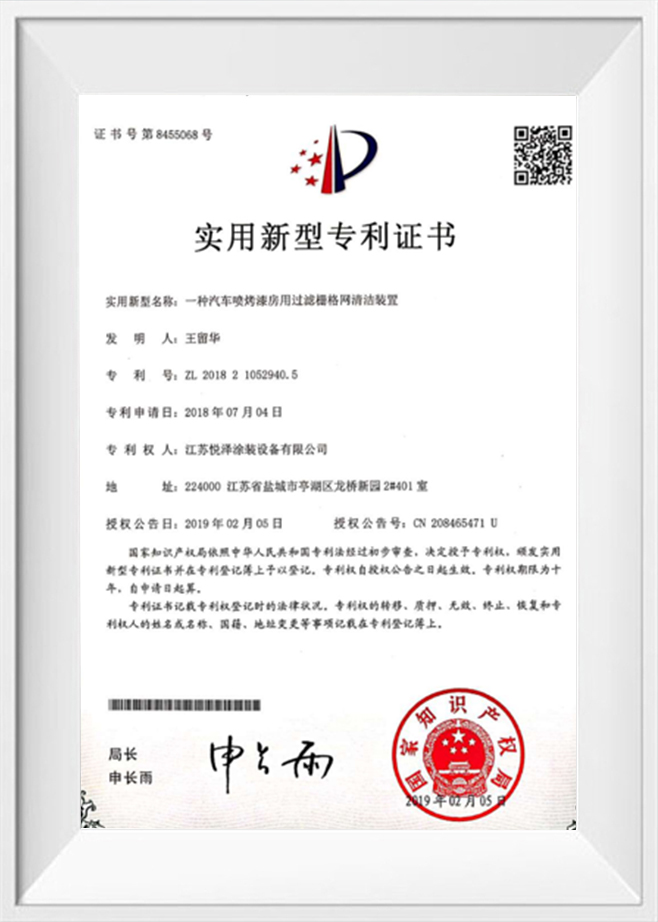
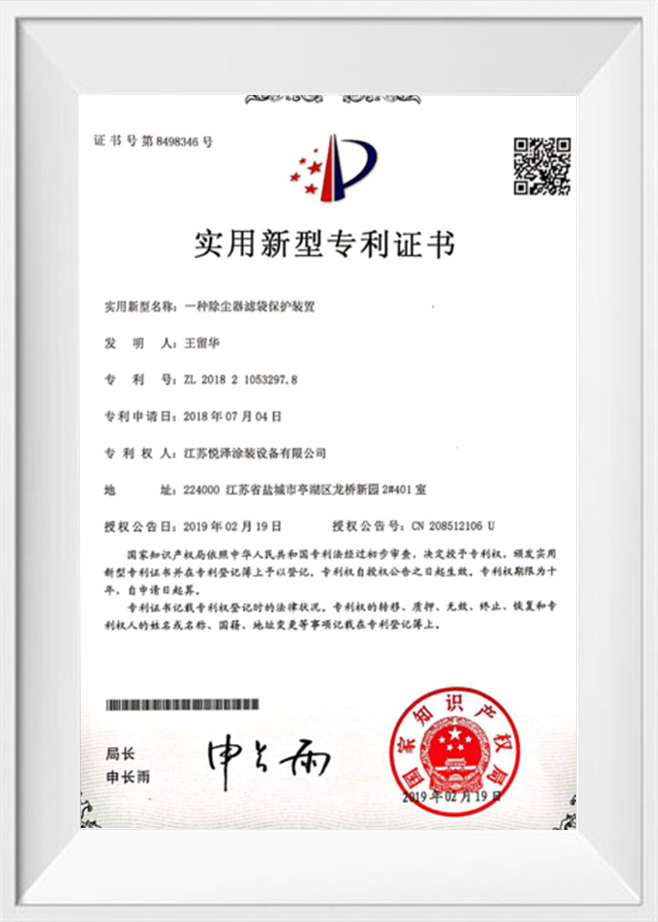
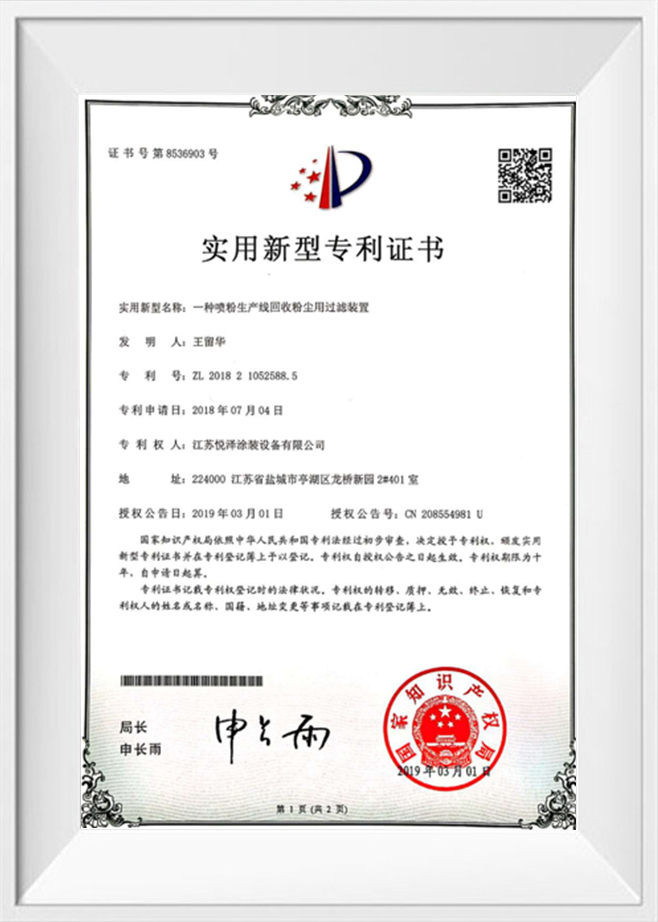
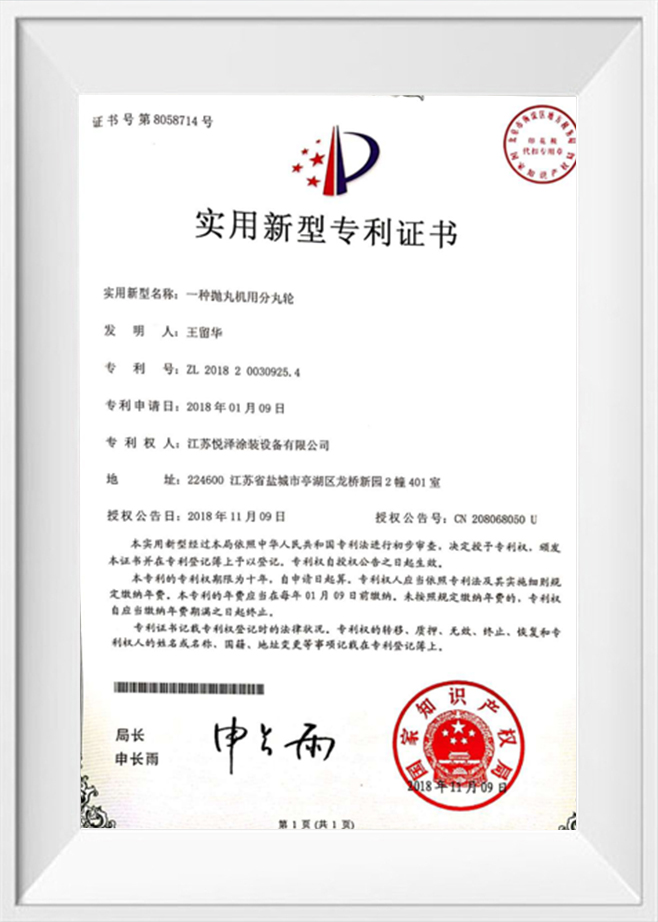
  • Utility Model Patent Certificate
  • Utility Model Patent Certificate
  • Utility Model Patent Certificate
  • Utility Model Patent Certificate
  • Utility Model Patent Certificate
  • Utility Model Patent Certificate
  • High-Tech Enterprise Certificate
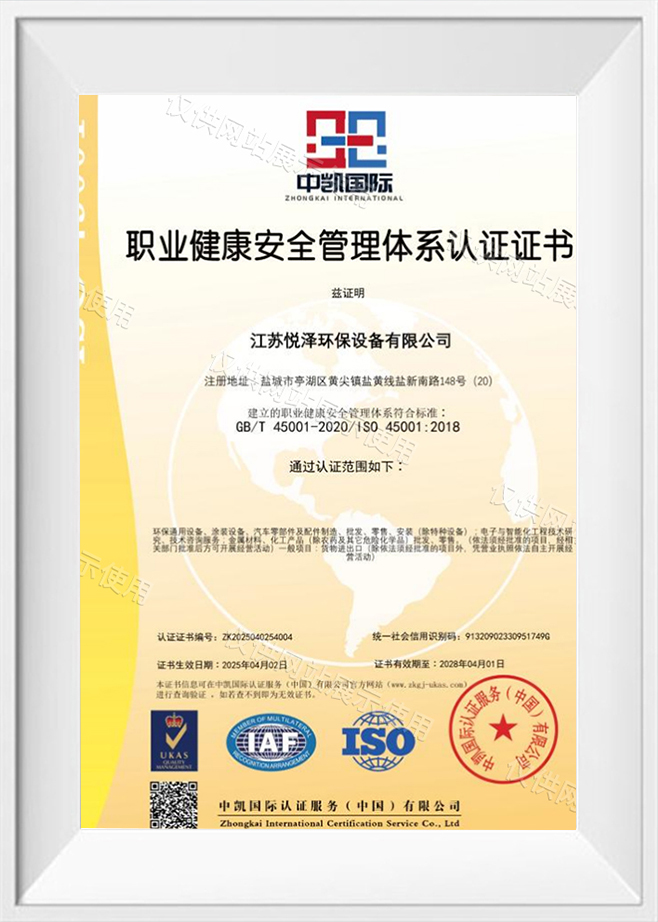
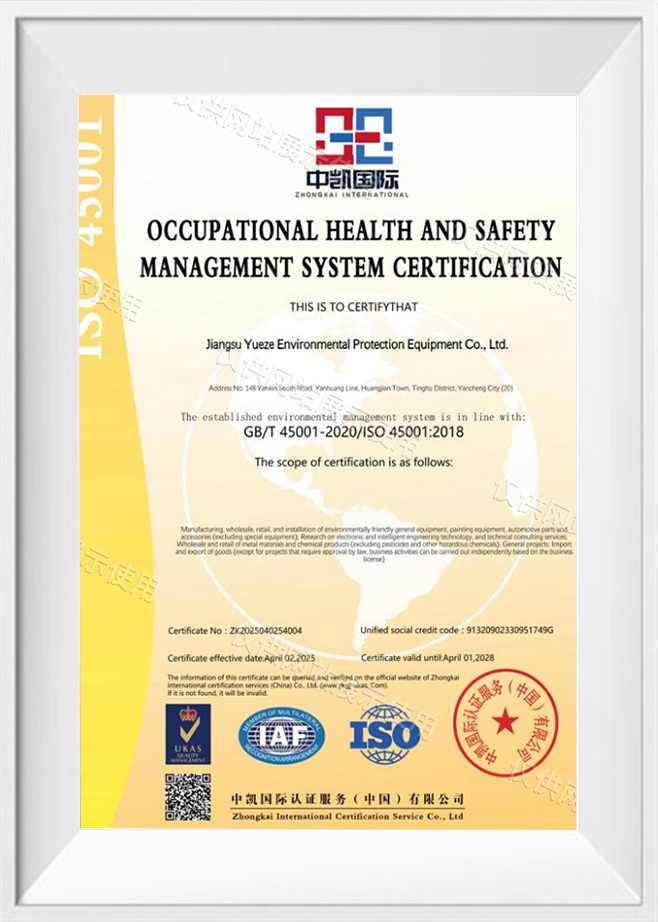
  • Certificate of Occupational Health and Safety Management System Certification
  • Certificate of Occupational Health and Safety Management System Certification
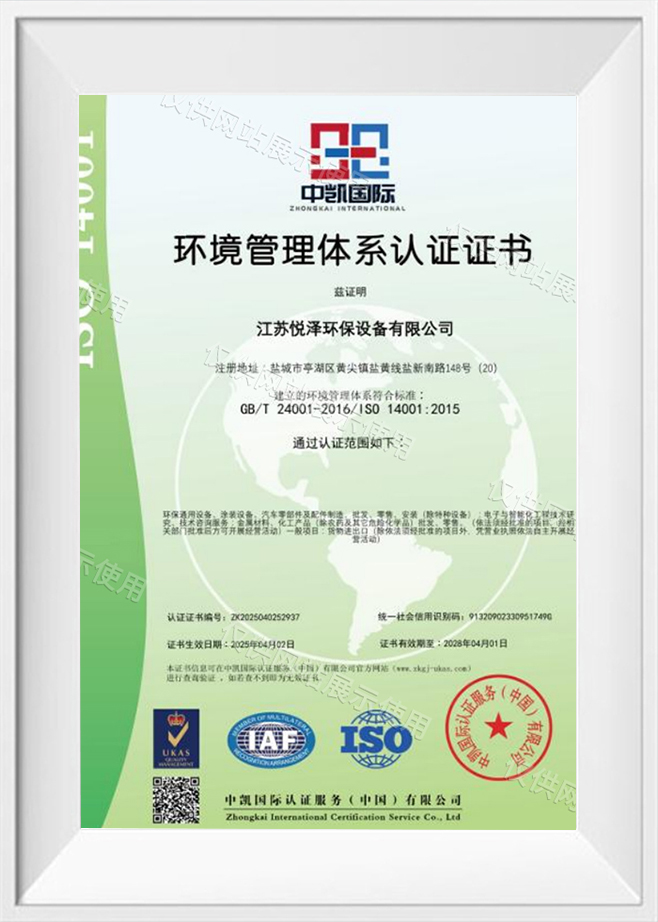
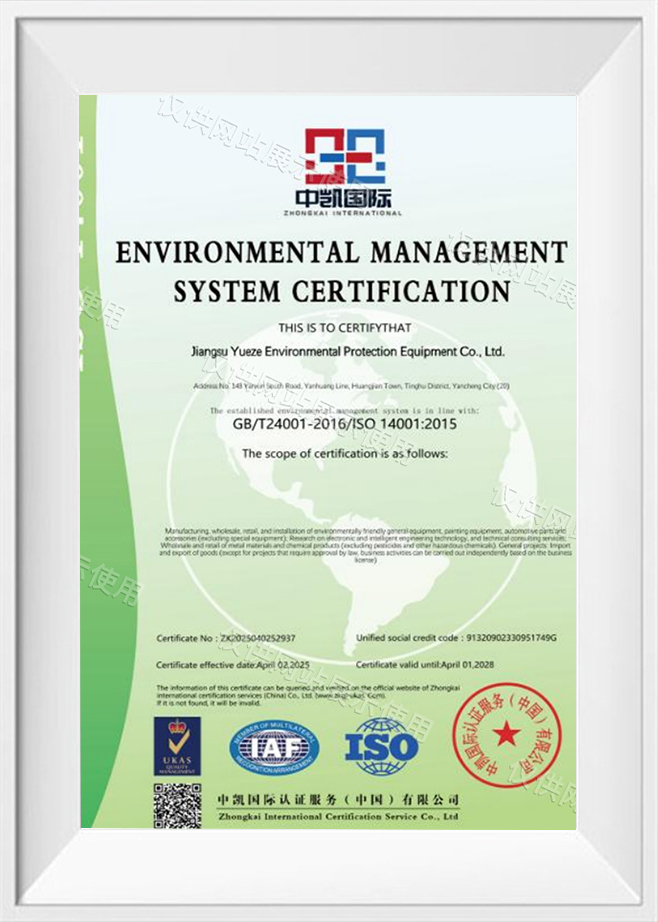
  • Environmental Management System Certification
  • Environmental Management System Certification
News
Industry knowledge

What Is an Electrophoresis Coating Line for Electric Vehicles

An Electrophoresis Coating Line for Electric Vehicles uses an electric current to deposit paint particles onto a metal part that is fully immersed in a water-based paint bath, rather than spraying coating onto the surface. This process, also known as e-coating or electrodeposition, is widely used for EV chassis components, battery enclosures, and body-in-white parts because it coats every reachable surface — including inner cavities, weld seams, and edges — with a uniform film thickness.

For electric vehicles specifically, corrosion protection is critical since battery trays and underbody structures sit closer to road spray, moisture, and de-icing salt than on many conventional vehicles.

Why EV Manufacturers Rely on Electrophoresis Coating

  1. Compared with conventional spray priming, electrophoresis coating solves several problems that are especially relevant to EV structures with hollow frames and dense wiring channels.
Table 1: Advantages of electrophoresis coating for EV components
Requirement How Electrophoresis Coating Helps
Coverage inside cavities Electric field carries paint into recesses spray guns cannot reach
Uniform film thickness Self-limiting deposition stops adding paint once a set resistance is reached
Corrosion resistance Dense primer film protects battery trays and underbody parts from moisture and salt
Material usage Paint transfer efficiency is higher than open-air spraying, reducing overspray waste

How the Electrophoretic Deposition Process Works

Most EV component lines use cathodic electrodeposition, where the part acts as the cathode inside the paint tank. The process follows a fixed sequence regardless of part shape.

Standard Process Sequence

  1. Parts are pretreated and cleaned to remove oil, dust, and surface contaminants
  2. Cleaned parts are fully immersed in the electrophoresis tank containing water-based paint
  3. A direct current is applied, causing charged paint particles to migrate and deposit on the part surface
  4. Parts are rinsed to remove loose, non-deposited paint before entering the curing oven
  5. Infrared or hot-air curing bakes the coating into a hard, corrosion-resistant film

Because deposition slows down once a film builds up on the surface, the coating naturally becomes more even across the whole part — a key reason this method is preferred over spraying for structural EV components with complex geometry.

Where Electrophoresis Coating Fits in EV Production

Electrophoresis coating is typically used as the first structural coating stage, applied before top-coat spraying, on the following EV parts:

  • Battery tray enclosures, where corrosion protection directly affects battery pack service life
  • Body-in-white structures and underbody frames
  • Motor housings and other structural metal components exposed to road conditions

Jiangsu Yue Ze Environmental Protection Equipment Co., Ltd. includes electric car assembly line equipment among its product lines, alongside automotive body spray bake paint booths and waste gas treatment systems designed to work together across pretreatment, coating, and curing stages.

Manufacturing Scale Behind the Equipment

Jiangsu Yue Ze Environmental Protection Equipment Co., Ltd., located in Yancheng, Jiangsu, China, operates a facility spanning 35,000 square meters with a registered capital of 58 million yuan, and reports more than 40 years of combined experience in powder coating lines, electric car assembly lines, and automotive body spray bake booths. Its machines are custom-built to meet challenging machining requirements, with projects completed across multiple provinces and export markets.

Frequently Asked Questions

Q1: How is electrophoresis coating different from spray priming?

Spray priming coats only surfaces the spray gun can directly reach, while electrophoresis coating uses an electric field to deposit paint on every immersed surface, including internal cavities and hidden edges.

Q2: Why is corrosion resistance especially important for EV battery trays?

Battery trays are mounted close to the road and are constantly exposed to moisture, dust, and de-icing salt, so a dense, uniform primer layer helps protect the enclosure and its seals over the vehicle's service life.

Q3: Does electrophoresis coating replace top-coat spraying?

No. Electrophoresis coating typically forms the primer layer, after which a separate spray booth applies the top coat for color and additional surface protection.

Q4: What should buyers check when selecting an electrophoresis coating line supplier?

Buyers should confirm tank size and part throughput capacity, pretreatment stages included before immersion, and whether the supplier has completed similar EV component projects before.