What Is an Electrophoresis Line for Truck Cab
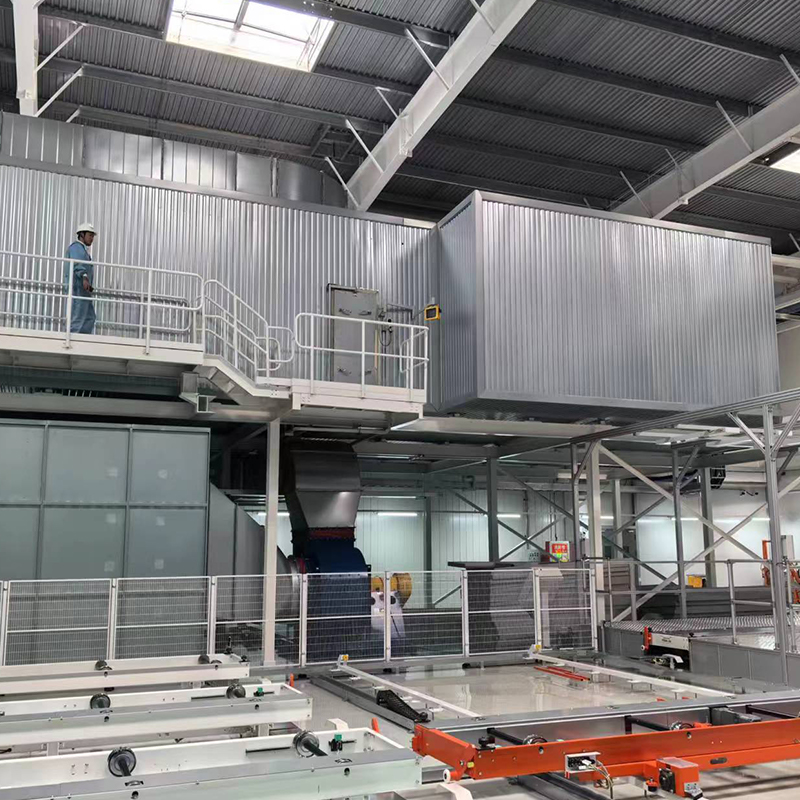
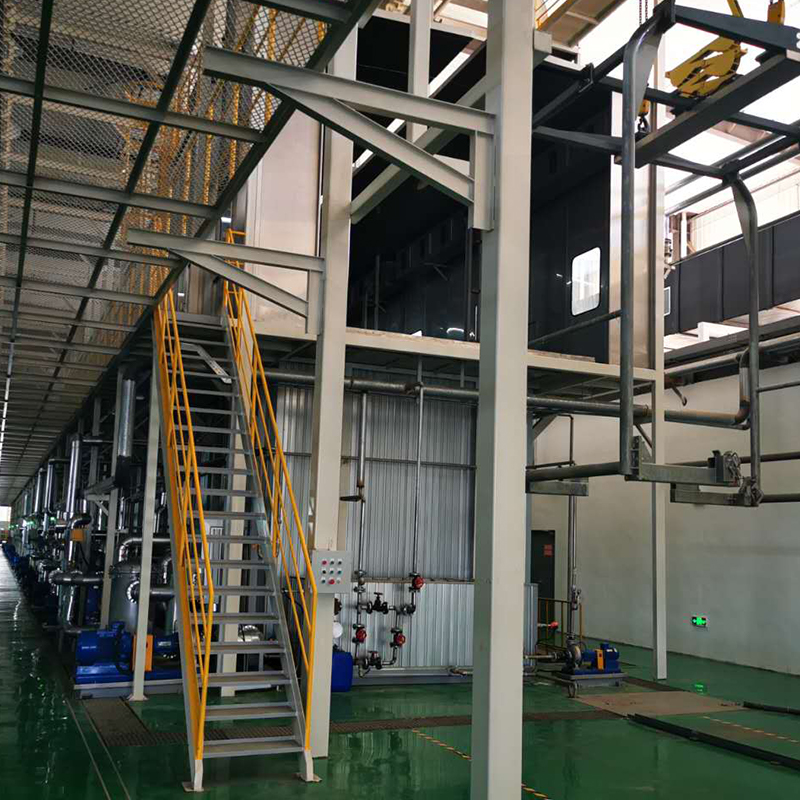
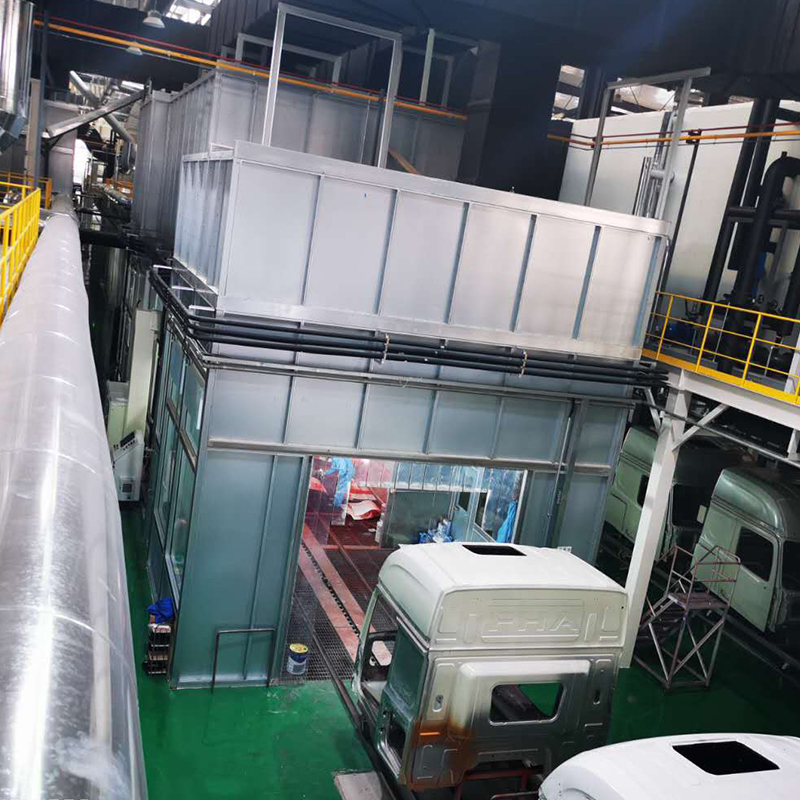
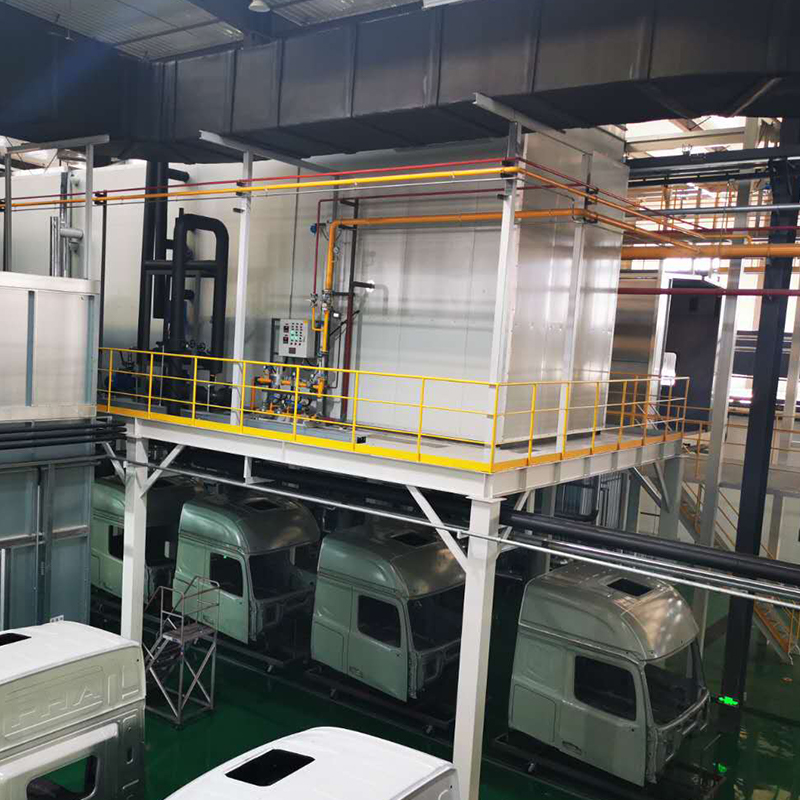
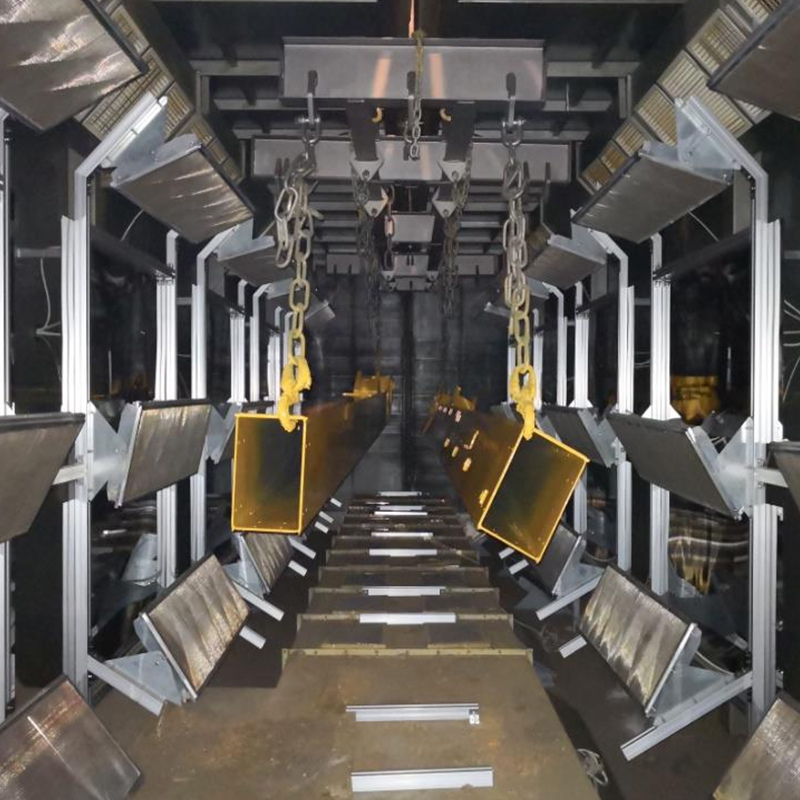
An Electrophoresis Line For Truck Cab immerses a fully welded truck cab shell in a water-based paint tank and uses an electric current to deposit a uniform primer layer across every reachable surface, including door cavities, roof channels, and box-section frame members. This is different from spraying, which only coats surfaces the gun can directly aim at, and it matters for truck cabs because their welded box structures create many hidden interior surfaces that are difficult to reach with a spray gun but are still exposed to moisture over the life of the vehicle.
Truck cabs also operate under harsher conditions than most passenger vehicle cabins — constant road vibration, long service life, and exposure to gravel, moisture, and de-icing salt — which makes a corrosion-resistant primer layer especially important on the inner panels.
Key Advantages for Truck Cab Structures
Electrophoresis coating solves specific problems that come from the cab's welded, box-like construction.
Table 1: Advantages of electrophoresis coating for truck cab shells
| Requirement |
How Electrophoresis Coating Helps |
| Coverage inside box sections |
Electric field carries paint into door frames, pillars, and roof channels |
| Corrosion resistance |
Dense primer film protects hidden panels from long-term moisture exposure |
| Uniform film thickness |
Self-limiting deposition keeps coating consistent across large panel areas |
| Paint transfer efficiency |
Less overspray waste than open-air spraying on a large cab shell |
How the Electrophoretic Coating Process Works
Most truck cab electrophoresis lines use cathodic electrodeposition, where the cab shell acts as the cathode inside the paint tank. The process follows a fixed sequence.
Standard Process Sequence
- The welded cab shell is pretreated and cleaned to remove oil, dust, and welding residue
- The shell is fully immersed in the electrophoresis tank containing water-based paint
- A direct current is applied, causing charged paint particles to migrate and deposit on every wetted surface
- The cab is rinsed to remove loose, non-deposited paint before entering the curing oven
- Curing bakes the coating into a hard film, after which the cab moves on to top-coat spraying
Because the cab is fully submerged rather than sprayed from outside, drain holes and vent points need to be positioned correctly in the design stage so trapped air pockets do not block paint from reaching internal surfaces.
Where This Line Fits in Truck Cab Production
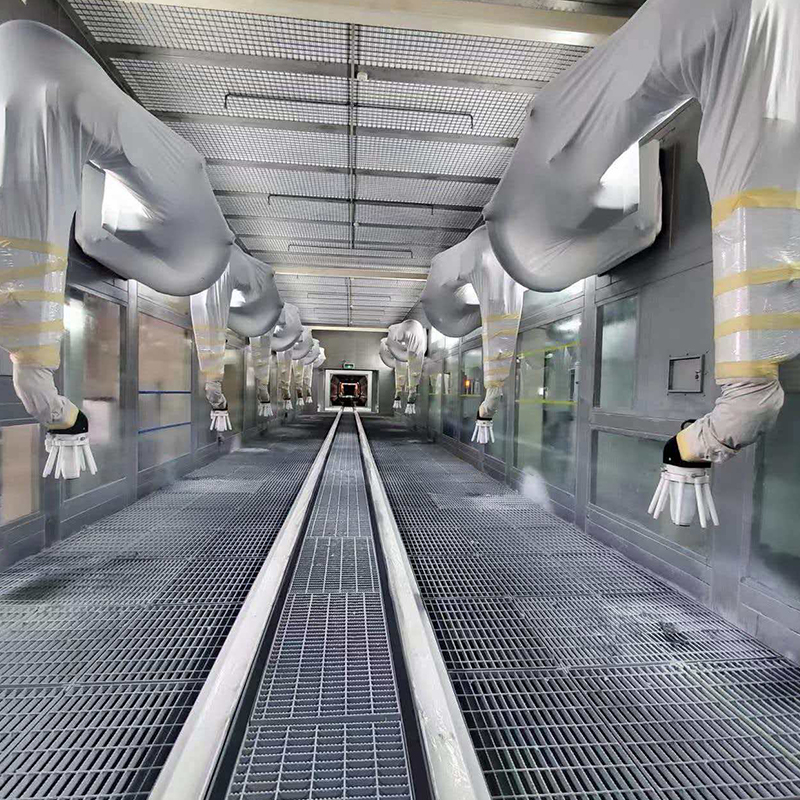
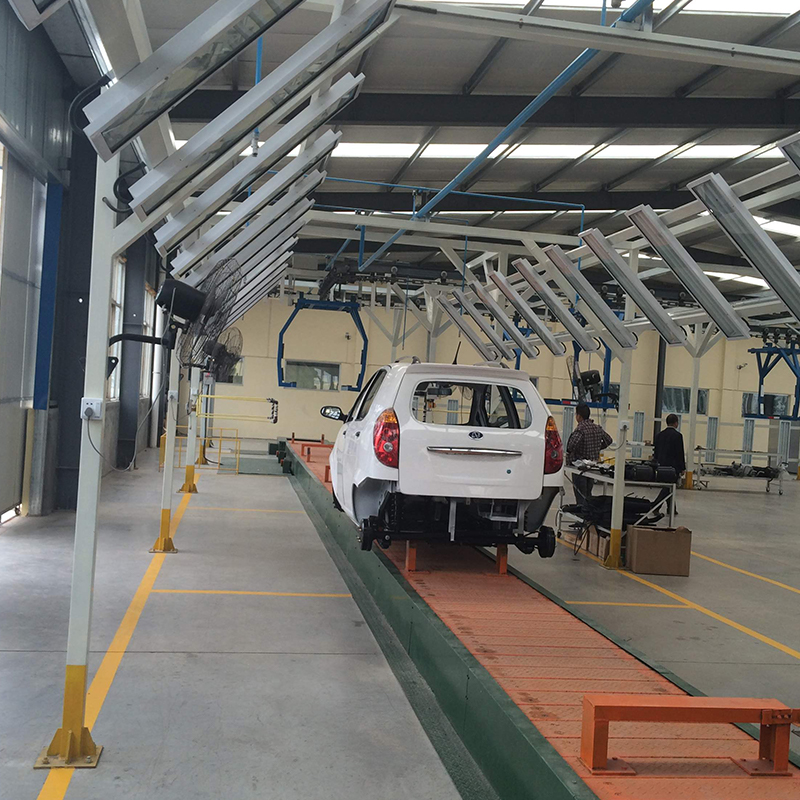
Electrophoresis coating is typically positioned as the first structural coating stage, applied right after the cab shell leaves the body shop and before any top-coat spraying begins.
- Door frames and pillars, where hidden corrosion is hardest to detect during service
- Roof and floor panel channels exposed to condensation over time
- Chassis mounting points that carry structural load throughout the cab's service life
Jiangsu Yue Ze Environmental Protection Equipment Co., Ltd. includes automotive body spray bake paint booths and drawer-type bus production lines among its product range, reflecting experience across different large welded-body structures beyond the truck cab itself.
Manufacturing Scale Behind the Equipment
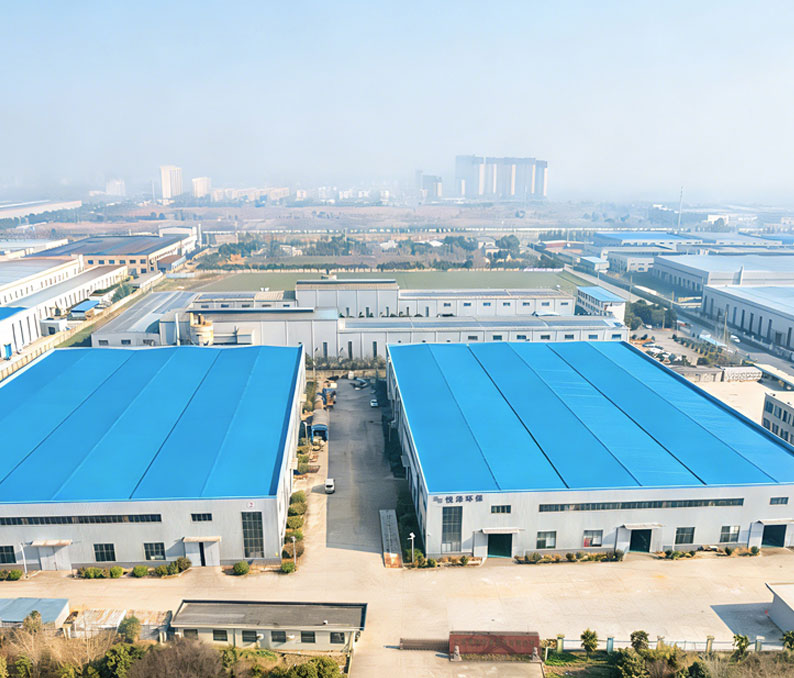
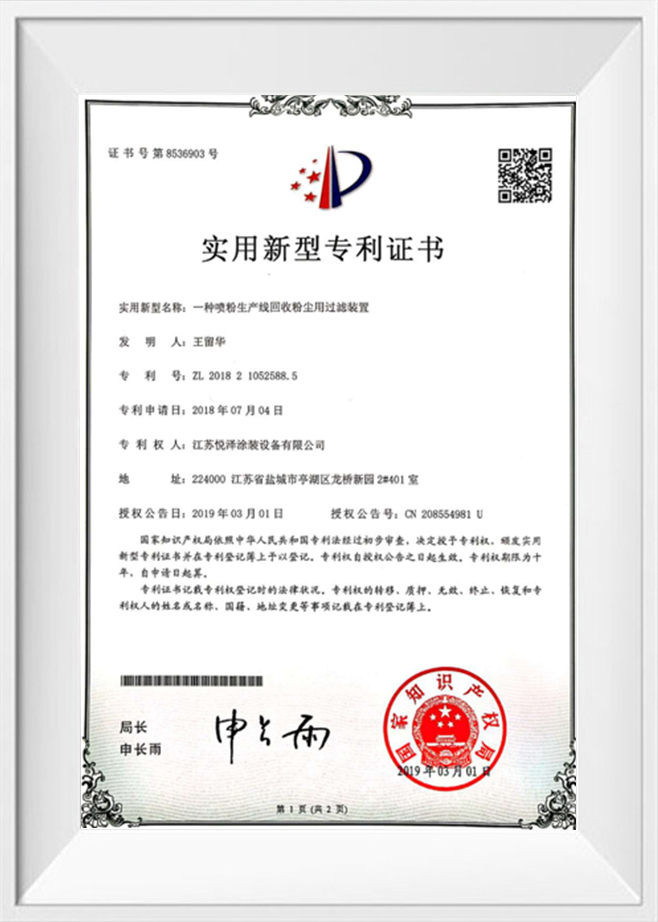
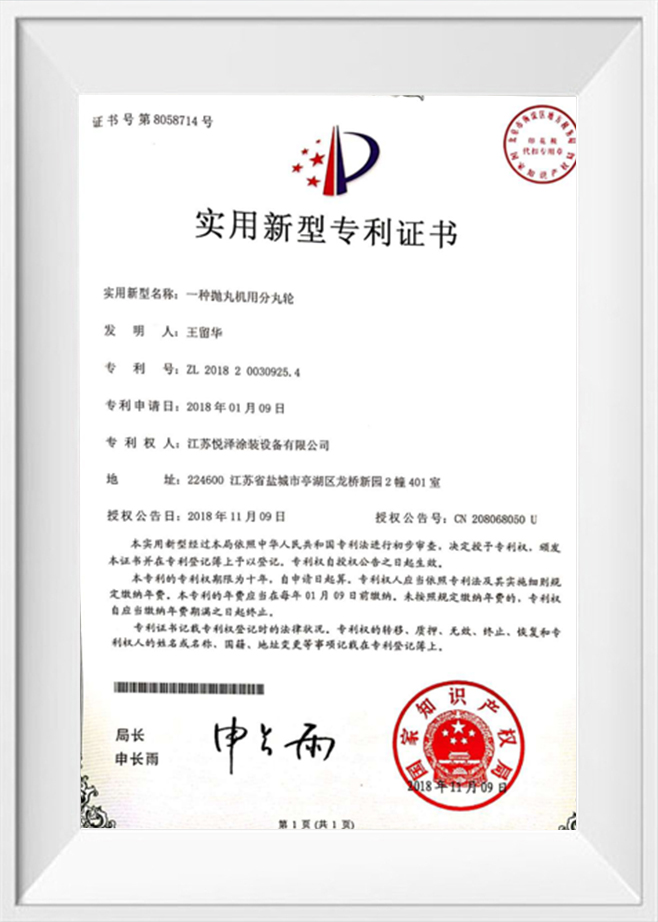
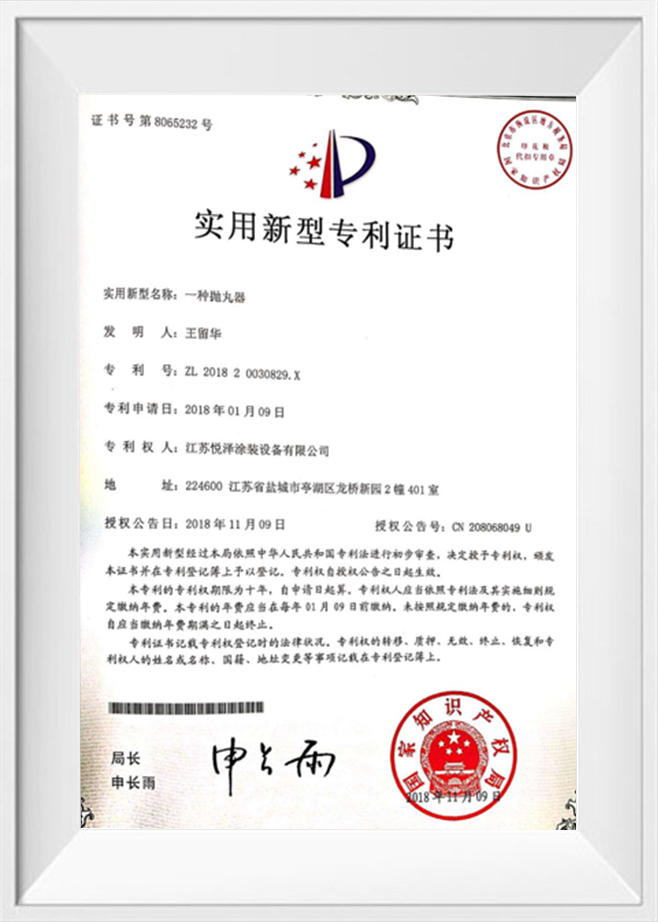
Jiangsu Yue Ze Environmental Protection Equipment Co., Ltd., located in Yancheng, Jiangsu, China, operates a facility spanning 35,000 square meters with a registered capital of 58 million yuan, and reports more than 40 years of combined experience in powder coating lines, paint and bake booths, and waste gas treatment equipment. Machines are custom-built to meet challenging machining requirements, with projects completed across multiple provinces and export markets.
Frequently Asked Questions
Q1: Why do truck cabs need electrophoresis coating instead of just spraying?
Welded box sections inside the cab, such as door frames and roof channels, are difficult for a spray gun to reach directly, while immersion coating deposits paint on every wetted internal surface.
Q2: What happens if drain and vent holes are positioned incorrectly?
Trapped air pockets can prevent paint from reaching certain internal surfaces, leaving unprotected areas that are prone to corrosion later in service.
Q3: Does electrophoresis coating replace the top coat on a truck cab?
No. Electrophoresis coating forms the corrosion-resistant primer layer, and a separate spray booth applies the top coat for color and additional surface protection afterward.
Q4: What should buyers check before ordering a truck cab electrophoresis line?
Buyers should confirm tank size relative to cab dimensions, pretreatment stages included before immersion, and whether the supplier has completed similar truck cab or large welded-body projects before.


 русский
 عربى
عربى
 Tiếng Việt