
 русский
 عربى
عربى
 Tiếng Việt
Professional coating line specially designed for large castings and heavy truck parts, applicable to various large castings (engineering castings, mining equipment castings, industrial castings) and h...
See Details
Yueze Environmental Protection provides one-stop compliant industrial surface treatment solutions with professional tech and fine craftsmanship.
 Get Inquiries
2026-07-17
Content
A complete Coating Production Line needs five categories of equipment working together in sequence: a pretreatment system to clean and prepare the metal surface, a drying oven to remove moisture before coating, a powder application booth with electrostatic spray guns, a curing oven to melt and harden the powder into a durable finish, and a conveyor system that moves parts continuously through each stage. Beyond these core stages, most facilities also need dust collection and environmental control equipment to manage overspray and pretreatment exhaust in compliance with local regulations. The exact configuration of a Coating Production Line — tank sizes, oven dimensions, conveyor load capacity — depends heavily on the size, weight, and volume of parts being processed, which is why no two lines look quite the same even though they share the same basic stages. The sections below walk through each piece of equipment in detail and explain how to match a line's configuration to actual production needs.
Powder coating only adheres properly to a clean, chemically prepared surface, which is why pretreatment is the opening stage of every Coating Production Line. Skipping or rushing this stage is one of the most common reasons a finished coating fails prematurely through peeling, blistering, or poor corrosion resistance once the part is in service.
| Pretreatment Stage | Purpose |
|---|---|
| Degreasing tank | Removes oil, grease, and machining residue from the metal surface |
| Rinse stages | Clears residual chemicals between treatment steps to prevent cross-contamination |
| Phosphating or conversion coating tank | Creates a chemical layer that improves powder adhesion and adds corrosion resistance |
| Final rinse and drying oven | Removes all remaining moisture before parts move on to the powder application stage |
Tank sizing on a Coating Production Line should always be based on the largest part the facility expects to process, since a part that can't fully submerge during pretreatment will leave untreated zones that fail to bond with powder later in the process.
After pretreatment, parts pass through a drying oven, sometimes called a flash-off oven, that raises the surface temperature enough to evaporate any remaining rinse water. This step is easy to overlook, but residual moisture trapped in seams, holes, or overlapping surfaces can seep out during curing and disrupt the powder film just as it begins to melt. On a well-designed Coating Production Line, drying oven dwell time is calculated based on part mass and geometry, not a single fixed setting applied to every product that passes through.
The powder application stage is where the coating itself is applied, using an electrostatic charge to attract dry powder particles evenly onto a grounded metal surface.
These guns charge powder particles as they leave the nozzle, drawing them toward the oppositely charged, grounded part. Most facilities running a Coating Production Line combine automated reciprocating guns for consistent coverage on flat surfaces with manual touch-up guns for recesses, corners, or complex geometries the automated pattern might miss.
The booth contains overspray and manages airflow so powder that misses the part is captured rather than released into the workshop air. Booth size and airflow capacity need to scale with the surface area of parts being coated, since a larger part generates proportionally more overspray that has to be managed without settling back onto the freshly coated finish.
A cyclone separator or cartridge filter system captures overspray powder for reuse, meaningfully reducing material cost over the life of a production run. Recovery efficiency is one of the more overlooked cost factors when specifying a Coating Production Line, since even a small improvement in recovery rate compounds significantly across months of continuous operation.
Once powder is applied, the part moves into a curing oven where heat melts the powder into a continuous liquid film that then chemically cross-links into a hard, durable coating as it cools. Typical curing conditions run around 180°C to 200°C for 10 to 20 minutes, though the exact figures depend on the specific powder chemistry in use.
Oven sizing and heating capacity are among the most important specification decisions on a Coating Production Line, since undersized heating capacity leaves thicker or heavier parts under-cured at the core even when the surface reads correctly on a handheld thermometer, resulting in a coating that looks finished but performs poorly in service.
Every stage of a Coating Production Line is connected by a conveyor system that carries parts through pretreatment, drying, application, and curing in sequence, without requiring manual transfer between stations.
Beyond the core coating process, a compliant Coating Production Line also needs equipment to manage airborne dust and any exhaust generated during pretreatment and curing.
Not every operation needs the same scale of equipment. Matching a Coating Production Line configuration to actual part size and production volume avoids both under-building a line that can't handle the work and over-building one with far more capacity than is ever used.
| Application Type | Suggested Line Configuration |
|---|---|
| Small hardware, brackets, fittings | Compact batch line with standard booth and oven dimensions |
| Automotive and appliance components | Continuous overhead conveyor line with automated spray guns |
| Large fabricated steel parts, beams, and frames | Heavy-duty conveyor, oversized booth and oven, combined manual and automated spray application |
| Construction machinery and counterweight castings | Hanging automated line combining electrophoresis and powder coating stages for heavy castings |
A few recurring planning mistakes tend to show up when a new Coating Production Line is being specified, regardless of the industry it will serve.
Working through part specifications — maximum length, weight, and surface area — before finalizing equipment sizing helps avoid discovering these issues only after a Coating Production Line is already installed and running below expectations.
A Coating Production Line built strictly around today's part sizes and production volume can quickly become a bottleneck if a facility later takes on larger contracts or heavier parts than originally anticipated. Building in modest extra clearance in booth and oven dimensions, along with conveyor load capacity beyond current requirements, is generally far less expensive than retrofitting or replacing core equipment once production demands grow. Facilities that plan for this kind of flexibility upfront typically find it easier to take on new project types without a full line redesign, which can otherwise mean weeks of downtime during equipment replacement.
Jiangsu Yueze Environmental Protection Equipment Co., Ltd. designs and manufactures complete Coating Production Line equipment, including electrophoresis spray treatment systems, electrostatic powder coating series, infrared radiation drying equipment, and automated conveying systems, serving the construction machinery, steel mill, foundry, and agricultural machinery industries. The company's product range extends to environmental waste gas treatment equipment, supporting facilities that need to keep pretreatment and curing emissions within regulatory limits alongside the core coating process.
For a facility planning a new or upgraded Coating Production Line, working with a supplier experienced in sizing pretreatment tanks, ovens, and conveyor systems around actual part specifications — rather than adapting a generic standard configuration — is the most reliable way to avoid throughput bottlenecks and uneven cure quality once the line is running in daily production.
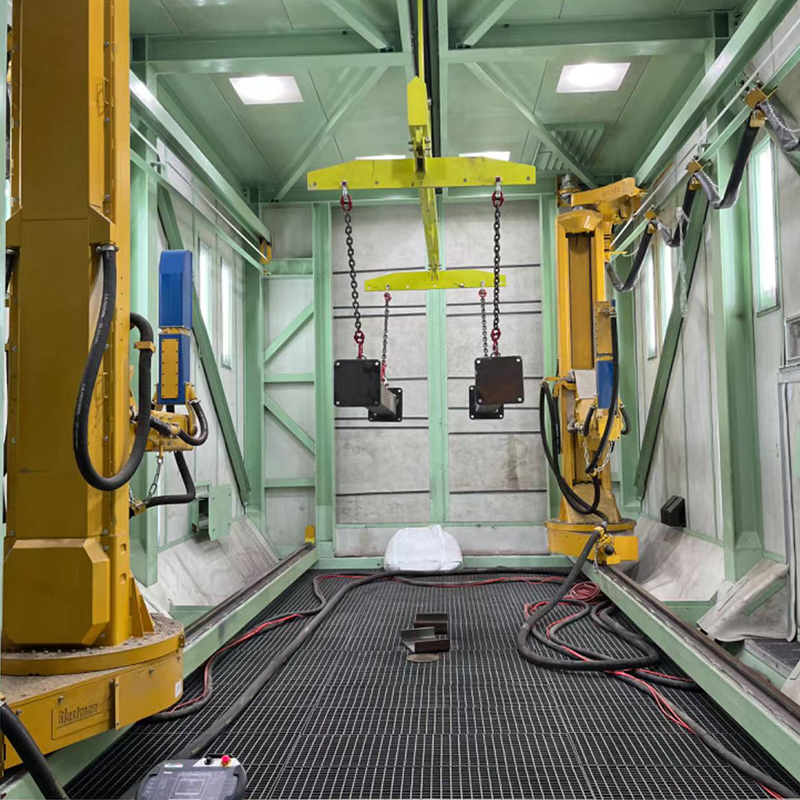
Professional coating line specially designed for large castings and heavy truck parts, applicable to various large castings (engineering castings, mining equipment castings, industrial castings) and h...
See Details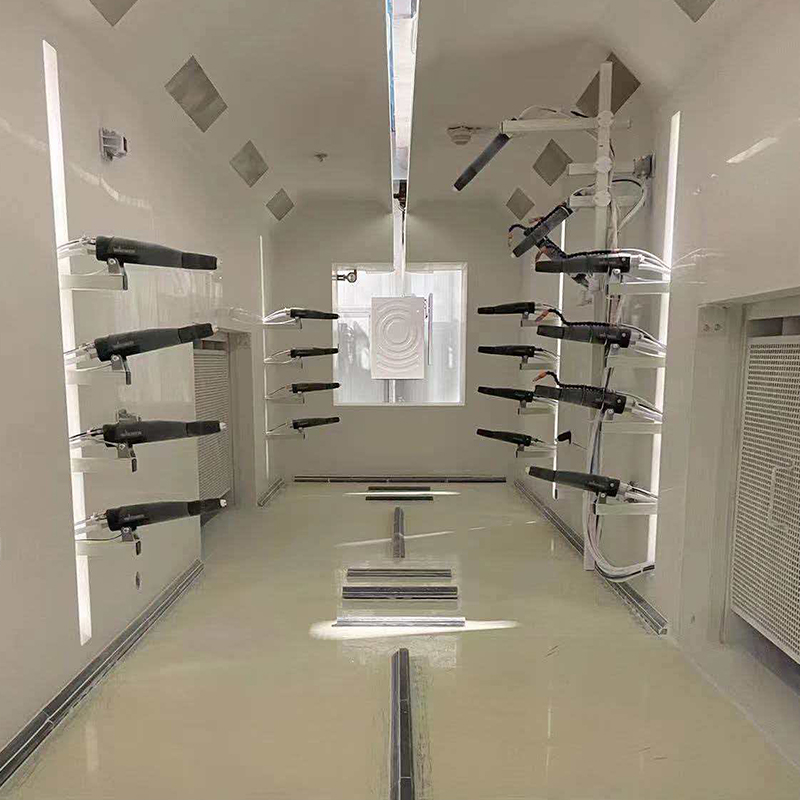
Widely used in metal workpieces such as hardware, auto parts, engineering machinery, metal furniture, art manhole covers, municipal facilities, and precision components, suitable for mass and standard...
See Details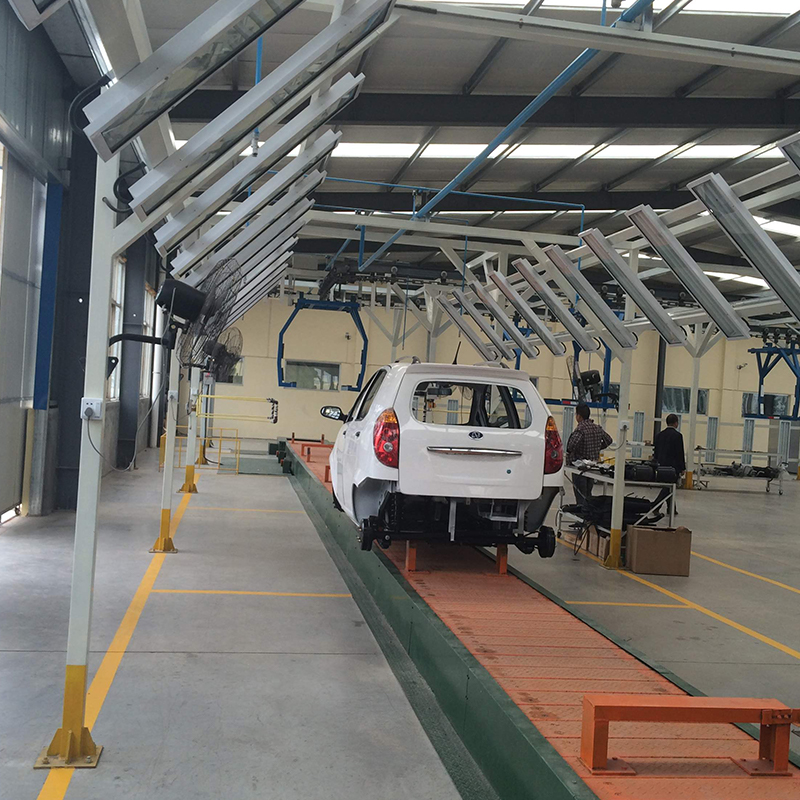
Professional electrophoresis coating line specially designed for electric vehicles (EVs), applicable to various EV types (passenger EV, commercial EV, new energy logistics vehicle) and EV components. ...
See Details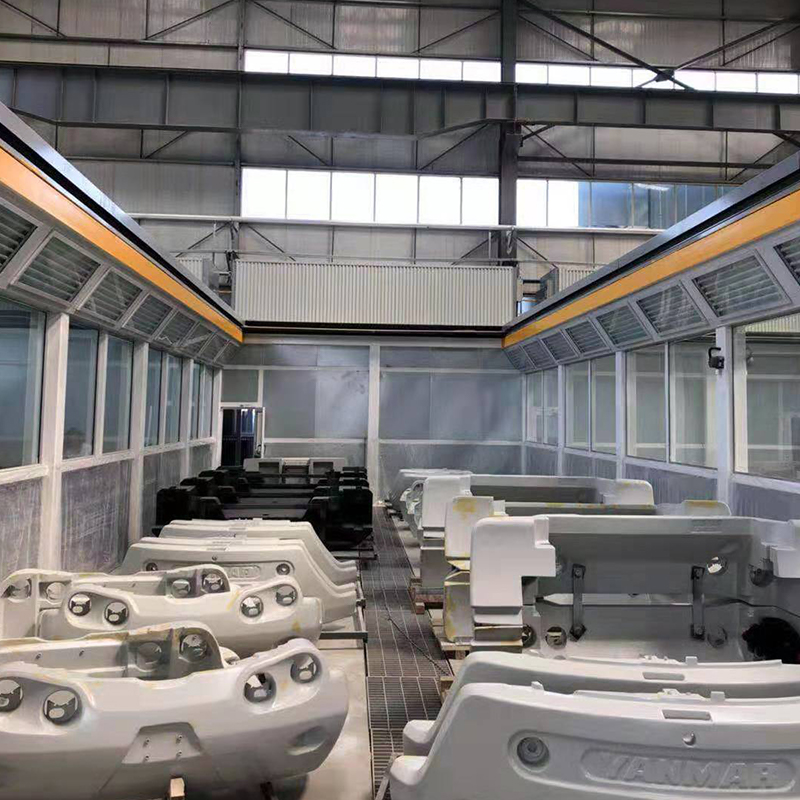
Professional spray coating line specially designed for car wheel manufacturing and refurbishment, applicable to various car wheel types (steel wheel, aluminum alloy wheel, forged wheel, cast wheel, pa...
See Details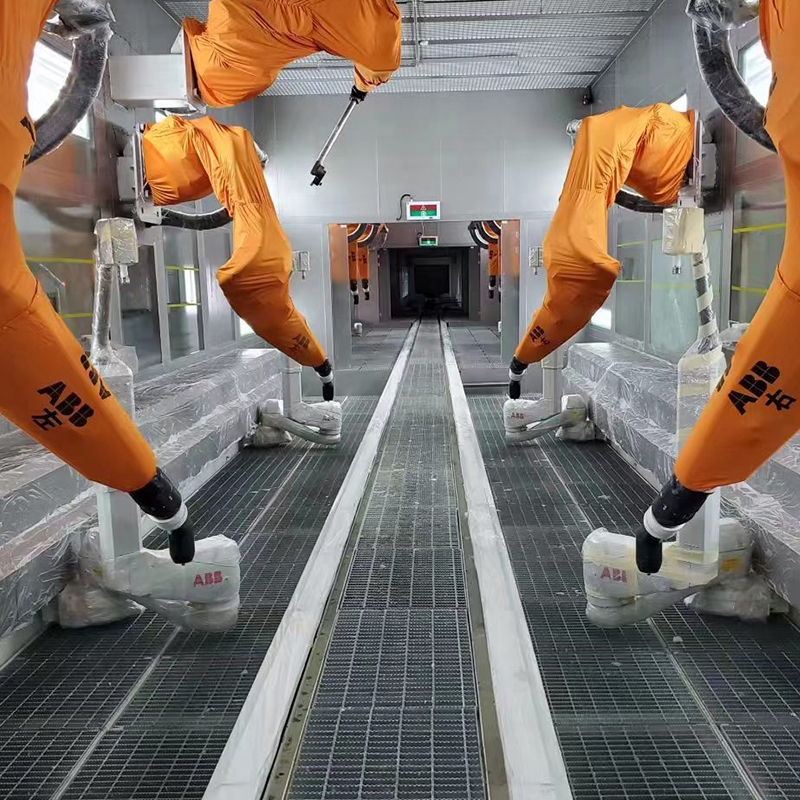
Professional spray coating line specially designed for motor casings, applicable to various motor casing types (electric vehicle motor casing, industrial motor casing, household motor casing, high-tem...
See Details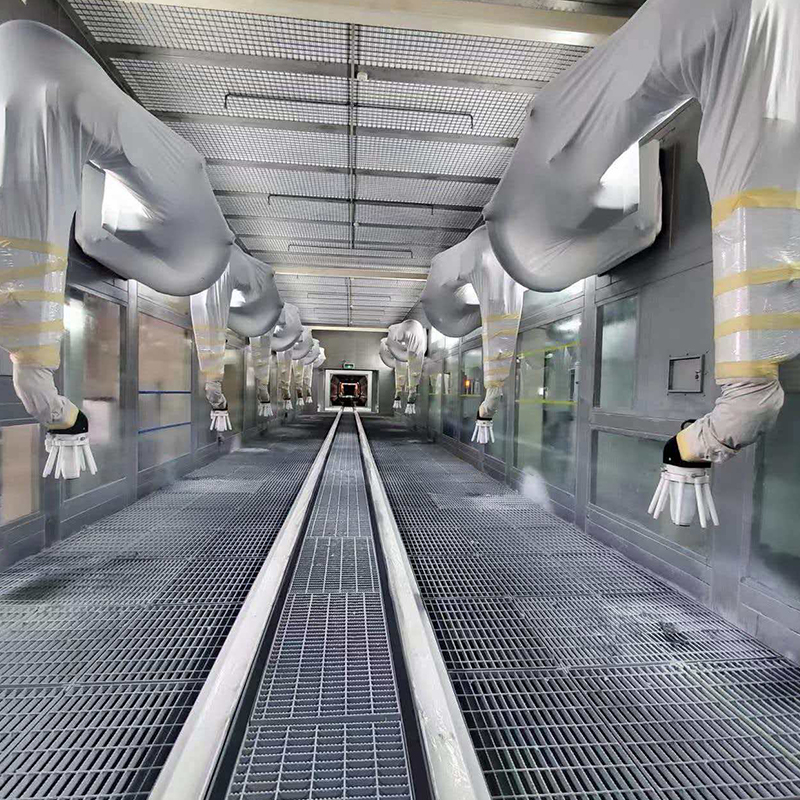
Professional coating line dedicated to truck body manufacturing and refurbishment, applicable to various truck types (heavy-duty truck, light-duty truck, pickup truck, van, commercial truck). Main typ...
See DetailsBuild Your Customized Industrial Coating System
Send us your workpiece information, production capacity, coating process, workshop layout, and environmental requirements. Yueze will help evaluate your project and develop a suitable coating, conveying, drying, and environmental treatment solution.
Main menu
Products
Contact Us
Company Address:
No. 12, Park Avenue, Shanggang Industrial Park, Jianhu, Yancheng City, Jiangsu Province
Message Us Right Now!

Follow us: