
 русский
 عربى
عربى
 Tiếng Việt
Professional coating line specially designed for large castings and heavy truck parts, applicable to various large castings (engineering castings, mining equipment castings, industrial castings) and h...
See Details
Yueze Environmental Protection provides one-stop compliant industrial surface treatment solutions with professional tech and fine craftsmanship.
 Get Inquiries
2026-05-18
Choosing the best Weighted block coating equipment is about matching the machine’s capabilities to your product, production scale, and quality requirements. Below is a clear, practical 1000‑word guide in English to help you decide.
---
1. Understand Your Product and Process
Before you look at any machine, define:
**a. Product dimensions and weight**
- Size range of blocks (length, width, height).
- Weight per piece.
Larger, heavier blocks may need more robust conveyors, higher‑power drives, and stronger frames.
**b. Material of the blocks**
- Concrete, cement, composite, or other materials.
- Surface texture: smooth, rough, porous.
Porous and rough surfaces require different coating viscosity and application methods than smooth surfaces.
**c. Type of coating**
- Acrylic, epoxy, polyurethane, bitumen, or water‑based sealers.
- Single‑component vs. two‑component (2K) coatings.
Some coatings need special mixing, heating, or curing conditions, which will affect equipment selection.
**d. Production volume**
- Required output (blocks per hour or per shift).
- Expected future growth.
High throughput demands an automated, continuous line rather than a simple manual or semi‑automatic unit.
---
2. Define Your Coating Requirements
**a. Coating thickness and uniformity**
- Target thickness (e.g., 100–300 microns dry film).
- Tolerances on thickness variation.
If you need very consistent thickness, choose equipment with precise control over application rate, speed, and pressure.
**b. Coverage area**
- Which faces are coated? Top only, top and sides, or all surfaces?
Machines vary: some are designed for top‑surface coating only; others can handle all sides with multiple application heads or rotating mechanisms.
**c. Aesthetic vs. functional performance**
- Decorative finish (color, texture, gloss).
- Performance (waterproofing, chemical resistance, abrasion resistance).
Functional coatings often require more rigorous quality controls, curing systems, and possibly multiple layers.
---
3. Choose the Right Application Method
Common coating methods for weighted blocks include:
**a. Roller coating**
- Uses rollers to transfer coating onto the block surface.
- Advantages: Good control of thickness, relatively simple, suitable for flat or slightly textured surfaces.
- Best for: High‑volume, uniform blocks, especially facing surfaces.
**b. Spray coating**
- Airless or air‑assisted spray guns.
- Advantages: Good for complex shapes, can cover multiple sides, flexible.
- Disadvantages: More overspray and material loss, higher ventilation needs.
- Best for: Blocks with varied geometries or when you need to coat edges and sides thoroughly.
**c. Dip coating (immersion)**
- Blocks are fully immersed in a coating tank.
- Advantages: Complete coverage including edges and pores.
- Disadvantages: Higher material usage, more difficult thickness control, slower drying.
- Best for: Heavy‑duty protection where full coverage is critical.
**d. Curtain coating / cascade coating**
- Block passes under a “curtain” of coating.
- Advantages: Continuous, uniform layer on flat surfaces; high throughput.
- Best for: Consistent block sizes and high‑speed lines.
Match the method to your block design, coating type, and precision needs.
---
4. Evaluate Automation Level
**a. Manual systems**
- Operators control application with hand tools or simple devices.
- Low cost, flexible, but inconsistent and labor‑intensive.
- Suitable for small workshops, prototypes, or low volumes.
**b. Semi‑automatic systems**
- Mechanized conveyors, rollers, or sprayers, but with manual loading/unloading or adjustments.
- Balance between cost and productivity.
- Good choice for mid‑scale production or when product types change often.
**c. Fully automatic lines**
- Automated feeding, positioning, coating, drying/curing, and stacking.
- Higher investment, but stable quality and high throughput.
- Ideal for mass production with standardized products.
Consider your labor costs, skill levels, and how steady your production mix will be over the next 3–5 years.
---
5. Consider Machine Construction and Durability
Weighted blocks put mechanical stress on equipment. Focus on:
**a. Frame and structure**
- Heavy‑duty steel frame with proper bracing.
- Check max load per meter of conveyor and per station.
**b. Conveyors and handling**
- Type of conveyor: roller, belt, chain.
- Wear‑resistant materials on contact surfaces.
- Smooth transfer between stages to avoid block damage and misalignment.
**c. Corrosion and chemical resistance**
- Coatings and cleaning chemicals may be aggressive.
- Prefer stainless steel or coated parts in critical zones (tanks, nozzles, rollers, housings).
**d. Reliability and uptime**
- Availability of spare parts and service.
- Mean time between failures (MTBF) data if available.
- Look for feedback from existing users in similar industries.
---
6. Control System and Precision
Accurate control improves quality and reduces waste.
**a. Speed control**
- Variable frequency drives (VFDs) for conveyors and rollers.
- Ability to match line speed to coating viscosity and desired thickness.
**b. Coating flow and pressure control**
- Metering pumps, flow meters, and pressure regulators.
- Recipes for different coatings and products stored in PLC/HMI.
**c. Sensors and feedback**
- Level sensors in tanks, temperature sensors for heated coatings, line speed encoders.
- For higher‑end systems: non‑contact thickness measurement or weight checks for coated blocks.
**d. User interface**
- Intuitive HMI touch screen with multilingual support.
- Clear alarms, fault diagnostics, and maintenance reminders.
---
7. Curing and Drying Systems
Coating performance depends on proper curing.
**a. Ambient air drying**
- Simple and cheap, but slow and sensitive to temperature/humidity.
- Suitable for low‑volume lines or fast‑dry materials.
**b. Forced hot air ovens**
- Controlled temperature and airflow.
- Faster and more consistent drying for water‑based or solvent‑based coatings.
**c. Infrared (IR) or UV curing**
- IR: good for heating the coating layer quickly.
- UV: for UV‑curable systems; extremely fast curing but needs special formulations.
Match the curing system to your coating chemistry and available floor space, and plan for energy costs.
---
8. Safety and Environmental Considerations
**a. Ventilation and extraction**
- Proper fume extraction for solvent‑based or spray systems.
- Comply with local occupational safety standards.
**b. Explosion‑proof requirements**
- For flammable solvents, check ATEX or equivalent certification of motors, switches, and control panels.
**c. Waste management**
- Collection and disposal of overspray, sludge, or waste coating.
- Recycling or recovery systems, if economical.
**d. Worker safety**
- Guarding on moving parts.
- Emergency stop buttons within easy reach.
- Clear operating procedures and lock‑out/tag‑out provisions.
---
9. Adaptability and Future Upgrades
Your needs may change. Look for:
**a. Modular design**
- Ability to add stations: extra coating head, second layer, or additional drying tunnel.
- Easy reconfiguration of line layout if you add new product sizes.
**b. Flexible settings**
- Adjustable guides, roller heights, and nozzle positions for different block dimensions.
- Software‑based recipes instead of hard‑wired settings.
**c. Integration options**
- Communication with upstream block production lines and downstream packaging or palletizing.
- Standard industrial communication protocols (e.g., Modbus, Profinet, Ethernet/IP).
---
10. Cost, ROI, and Total Cost of Ownership
Do not judge equipment only by purchase price.
**a. Initial investment**
- Equipment cost, installation, and commissioning.
- Necessary infrastructure (power, air, ventilation, curing ovens).
**b. Operating costs**
- Energy consumption for motors, pumps, ovens.
- Coating material usage and waste rate.
- Labor requirement per shift.
**c. Maintenance costs**
- Scheduled spare parts (seals, nozzles, rollers).
- Service contract or on‑call support.
- Downtime impact if the machine stops unexpectedly.
**d. Return on investment (ROI)**
Estimate:
- Productivity gain (more blocks per hour).
- Reduced rework or rejects due to better coating quality.
- Material savings from precise application.
Calculate payback time (months/years) and compare equipment options accordingly.
---
11. Supplier Selection and Validation
Finally, choose a reliable supplier.
**a. Experience in your industry**
- Ask for reference projects with similar block size, material, and coatings.
- Check case studies or site visits if possible.
**b. Technical support**
- Pre‑sales testing with your actual blocks and coatings.
- Training for operators and maintenance staff.
- After‑sales service response time and availability of local technicians.
**c. Warranty and documentation**
- Clear warranty terms for mechanical, electrical, and control components.
- Complete manuals, wiring diagrams, spare part lists, and maintenance schedules.
---
By clearly defining your product requirements, desired coating performance, and production scale, you can narrow down the right type of weighted block coating equipment. Compare application methods, automation levels, durability, control precision, and lifecycle costs. Then work closely with one or two experienced suppliers, test with your own materials, and select the machine that offers the best balance between quality, flexibility, reliability, and cost over the long term.
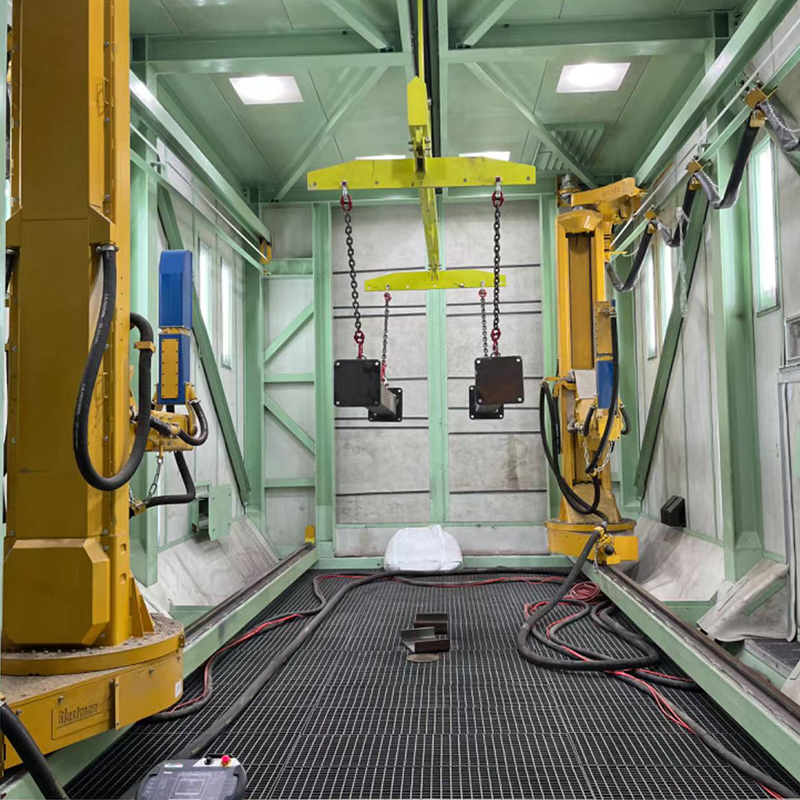
Professional coating line specially designed for large castings and heavy truck parts, applicable to various large castings (engineering castings, mining equipment castings, industrial castings) and h...
See Details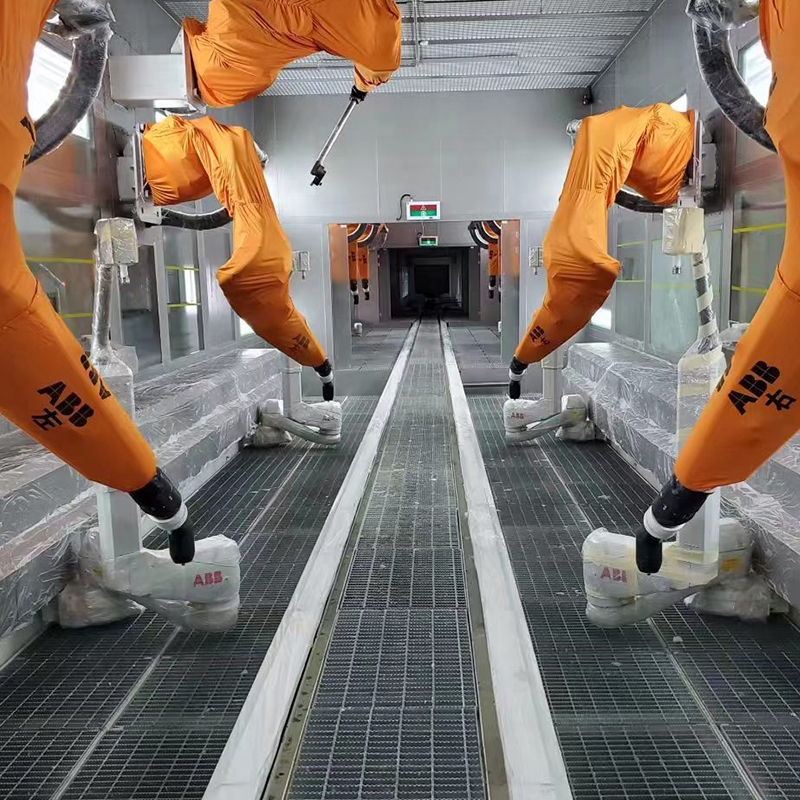
Professional spray coating line specially designed for motor casings, applicable to various motor casing types (electric vehicle motor casing, industrial motor casing, household motor casing, high-tem...
See Details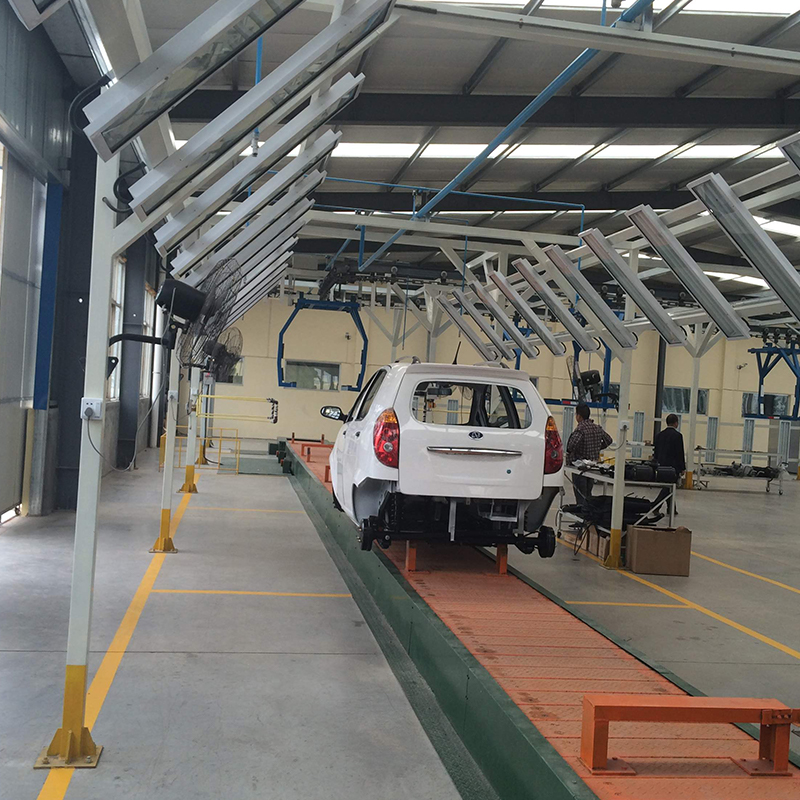
Professional electrophoresis coating line specially designed for electric vehicles (EVs), applicable to various EV types (passenger EV, commercial EV, new energy logistics vehicle) and EV components. ...
See Details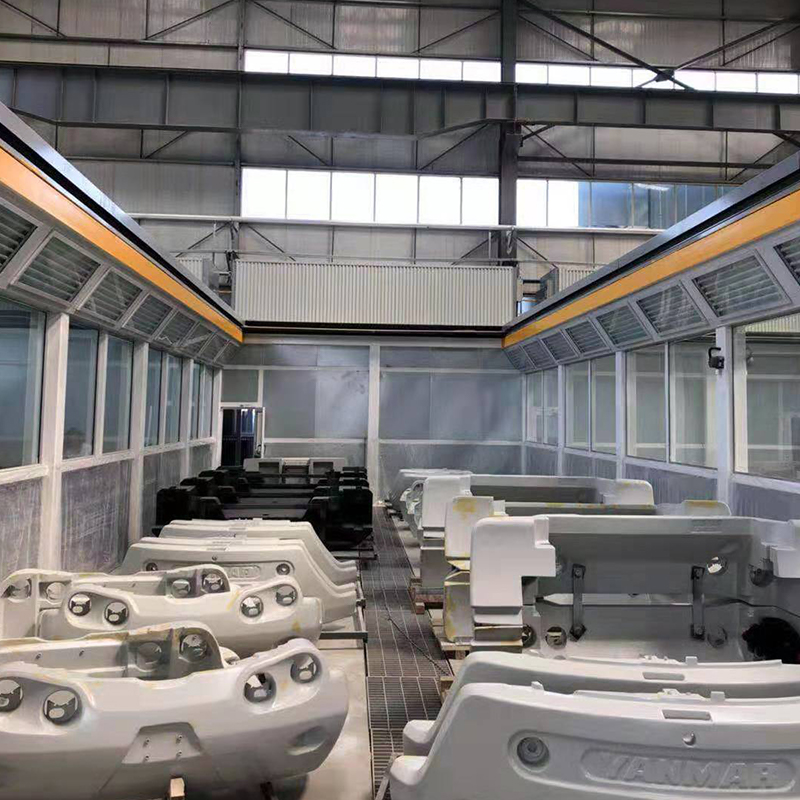
Professional spray coating line specially designed for car wheel manufacturing and refurbishment, applicable to various car wheel types (steel wheel, aluminum alloy wheel, forged wheel, cast wheel, pa...
See Details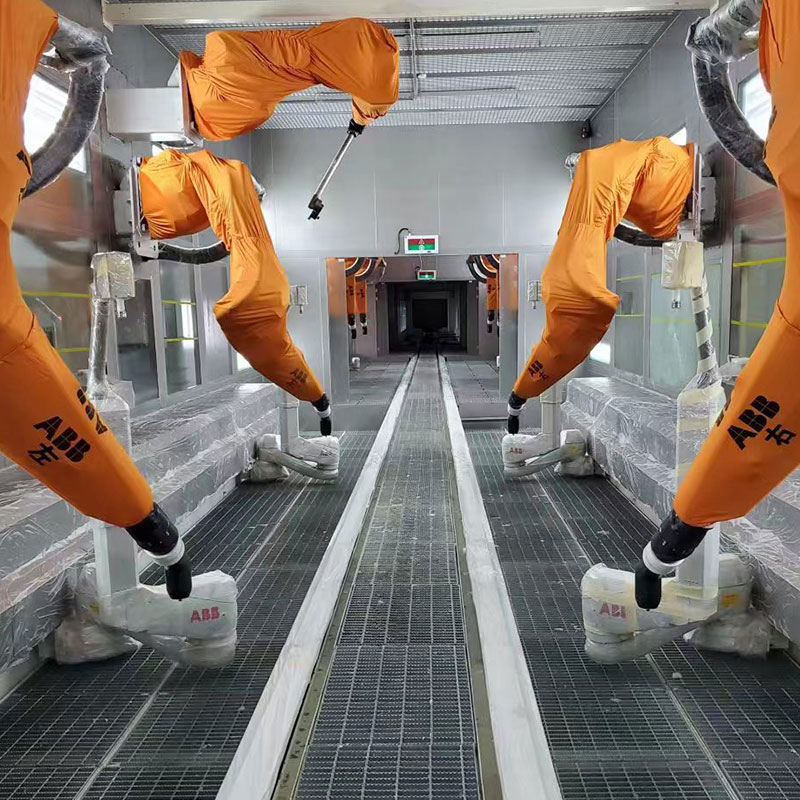
An automatic robotic spray booth is an intelligent, unmanned coating system. Equipped with a robot spraying system, constant temperature air circulation, and a high-efficiency exhaust filtration syste...
See Details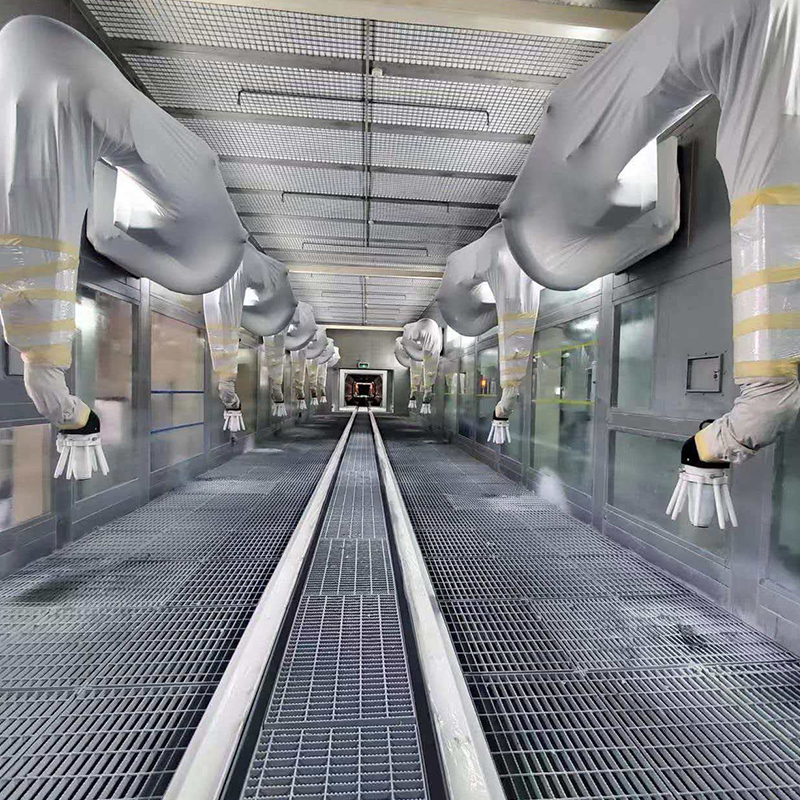
Professional spray coating line specially designed for car wheel manufacturing and refurbishment, applicable to various car wheel types (steel wheel, aluminum alloy wheel, forged wheel, cast wheel, pa...
See DetailsBuild Your Customized Industrial Coating System
Send us your workpiece information, production capacity, coating process, workshop layout, and environmental requirements. Yueze will help evaluate your project and develop a suitable coating, conveying, drying, and environmental treatment solution.
Main menu
Products
Contact Us
Company Address:
No. 12, Park Avenue, Shanggang Industrial Park, Jianhu, Yancheng City, Jiangsu Province
Message Us Right Now!

Follow us: