Key Advantages of a Solid Waste Incineration Furnace
A Solid Waste Incineration Furnace reduces the volume of industrial and municipal solid waste through high-temperature combustion, converting bulky waste materials into a much smaller quantity of ash while destroying organic pollutants in the process. As a type of furnace incinerator, it is designed to sustain stable combustion temperatures, typically in the range of 850°C to 1100°C, which is high enough to break down most hazardous organic compounds and reduce dioxin formation. Compared with landfill disposal, an industrial incinerator can reduce waste volume by up to 90%, easing pressure on limited landfill space while recovering thermal energy for reuse in some configurations.
For factories generating painting residues, packaging waste, or general industrial solid waste, an on-site incinerator also reduces the cost and logistics burden of transporting waste to third-party disposal facilities.
How an Industrial Incinerator Works
The combustion process in a solid waste incinerator generally follows these stages:
- Feeding system: loads waste material into the furnace chamber at a controlled rate;
- Primary combustion chamber: burns the waste at high temperature to break down organic content;
- Secondary combustion chamber: further oxidizes unburned gases to minimize incomplete combustion by-products;
- Flue gas treatment: cools and treats exhaust gas before it is released to meet emission requirements;
- Ash discharge system: removes residual ash for safe collection and disposal.
The furnace lining material and combustion chamber design directly affect thermal efficiency and equipment lifespan, so refractory selection is a key engineering consideration for any furnace incinerator intended for continuous operation.
Selecting the Right Scale: From Standard to Large Incinerator Systems
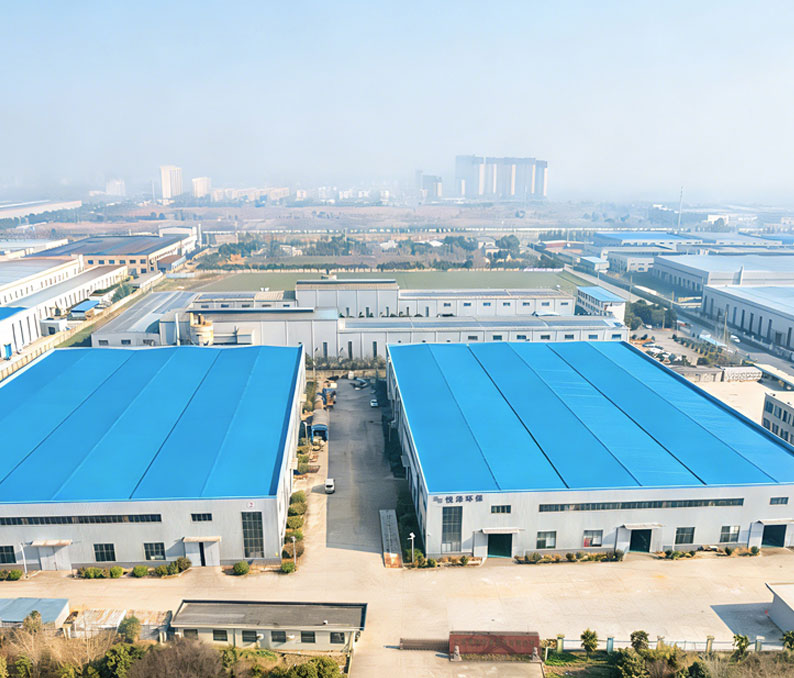
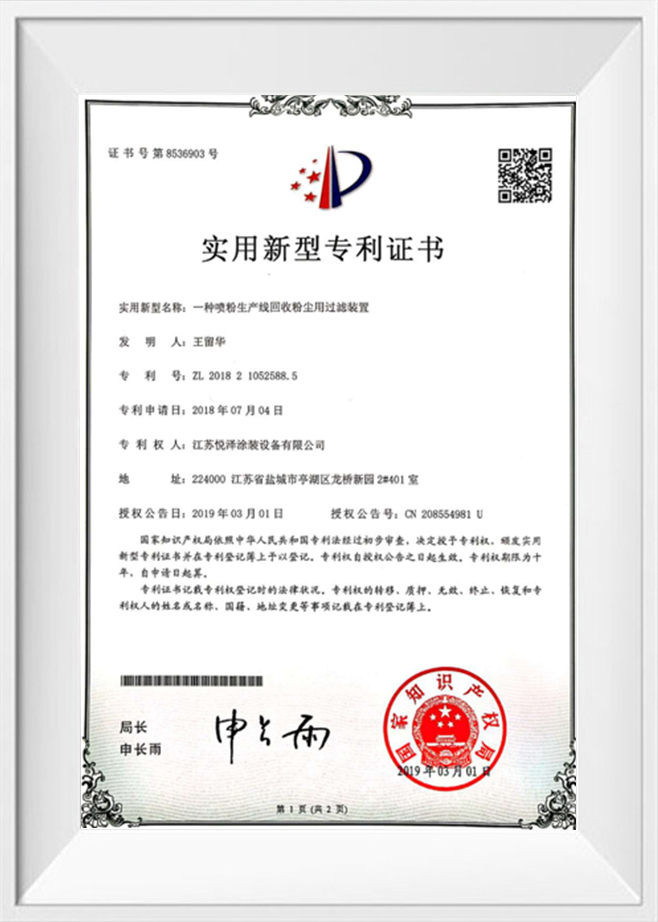
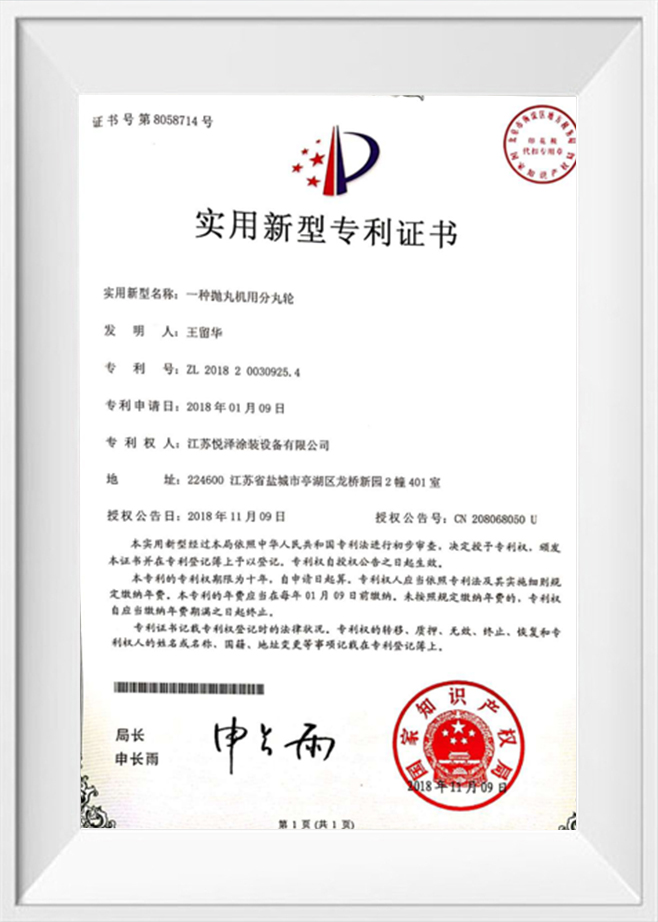
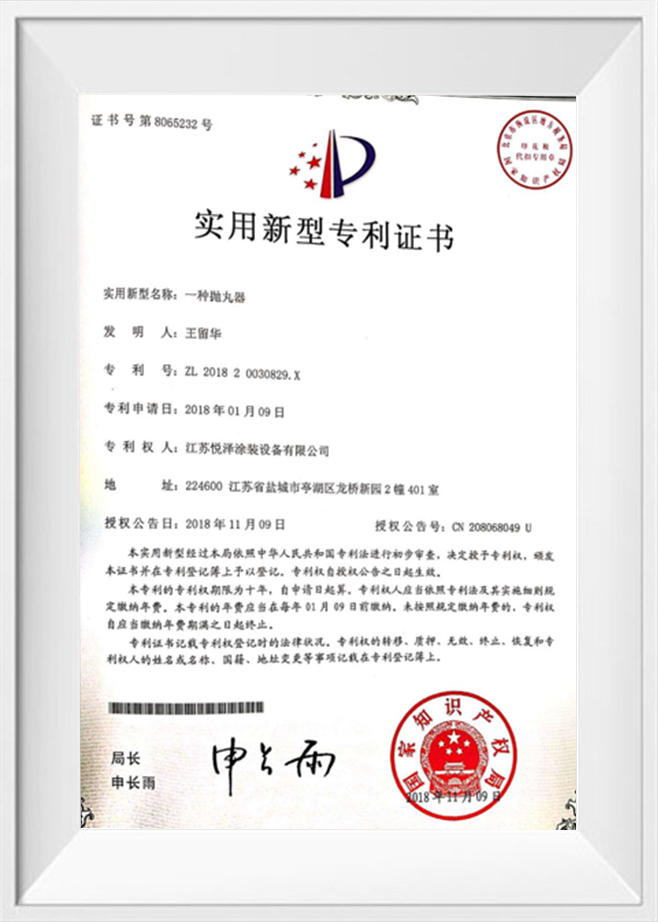
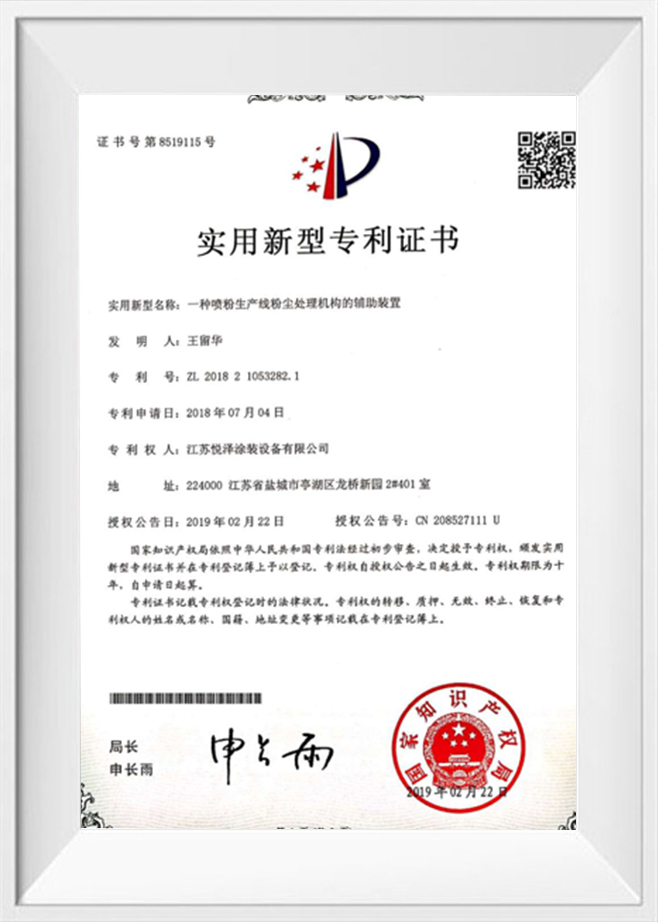
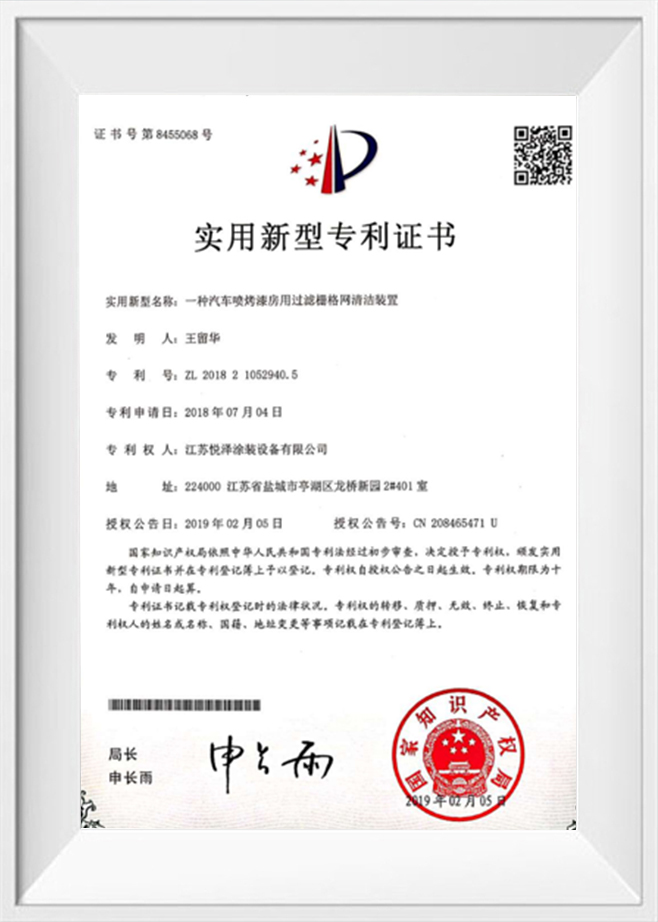
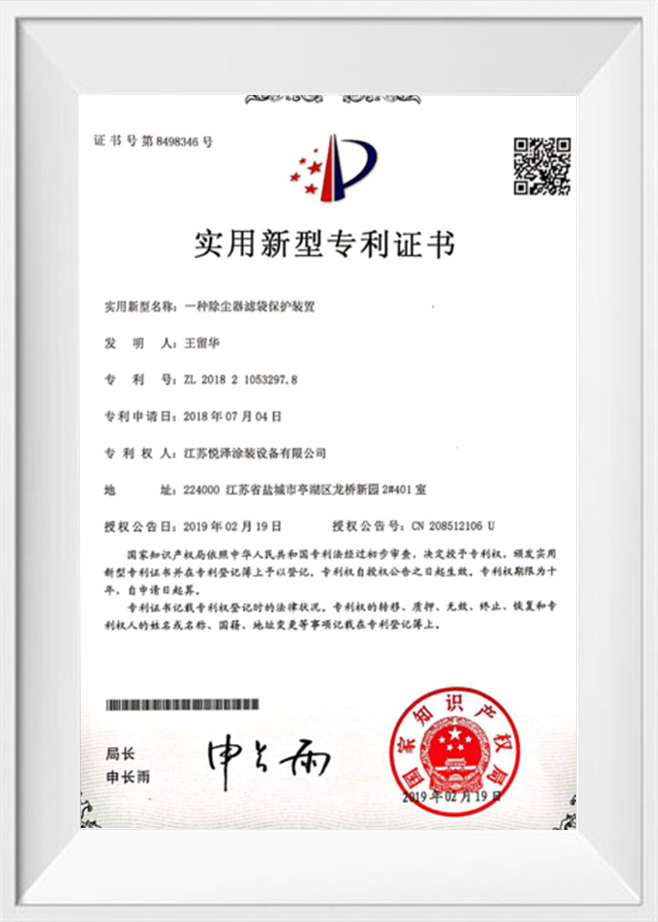
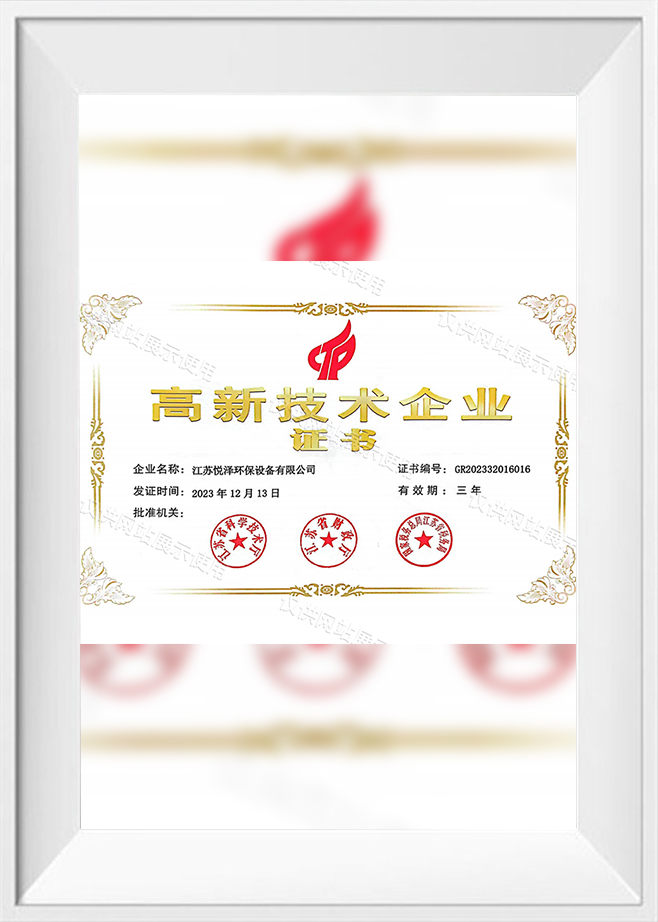
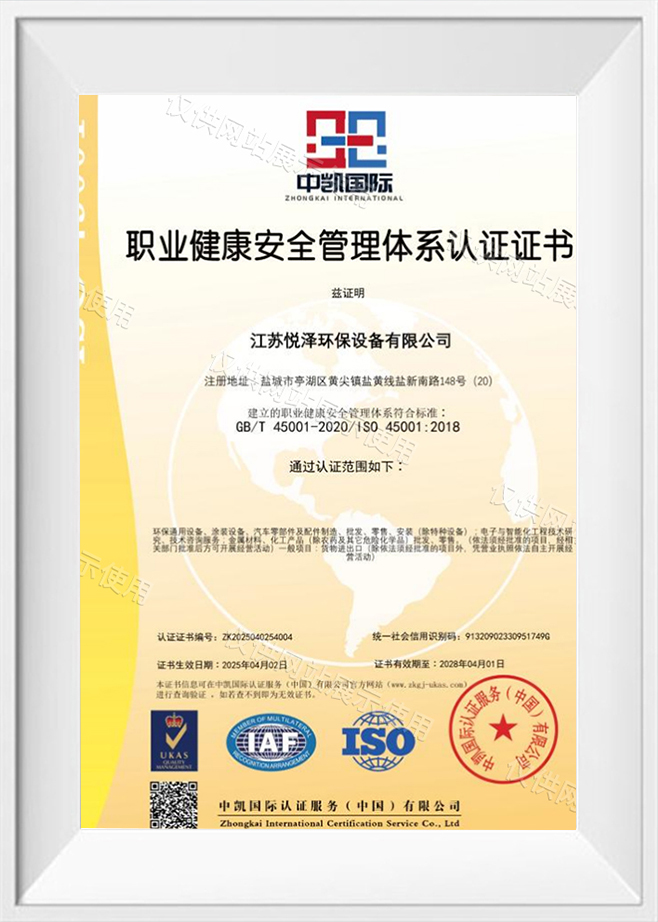
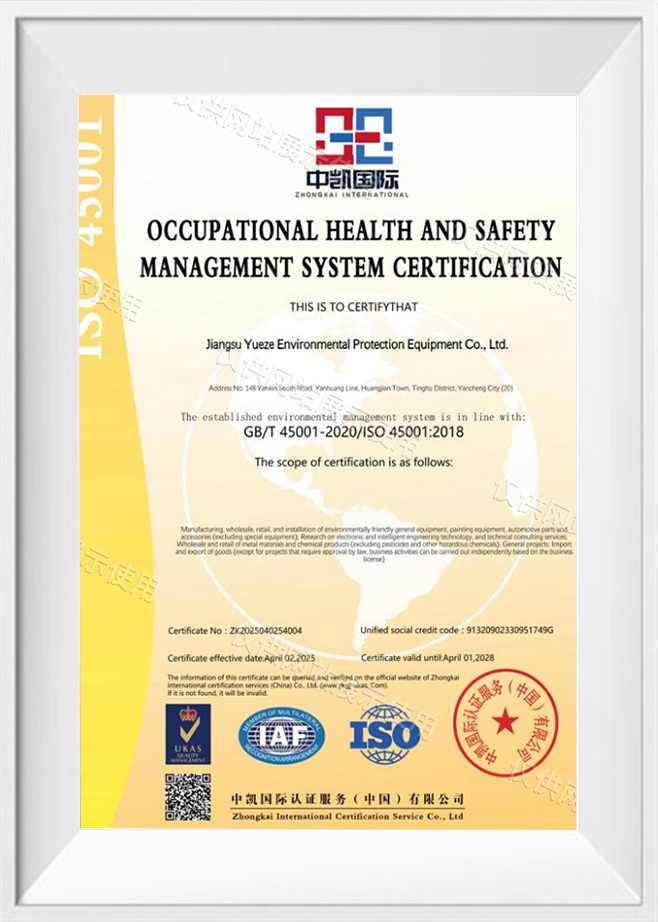
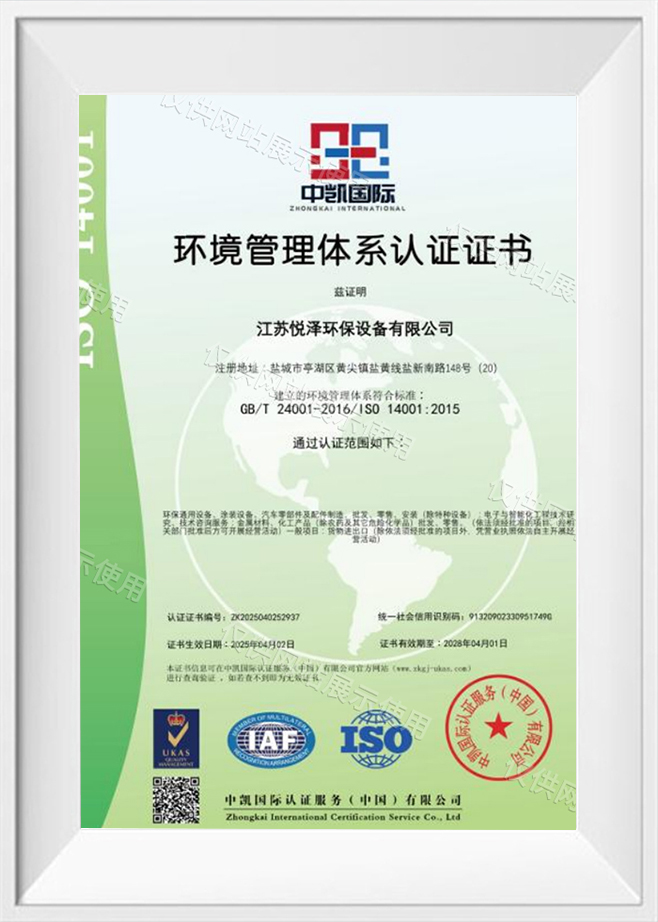
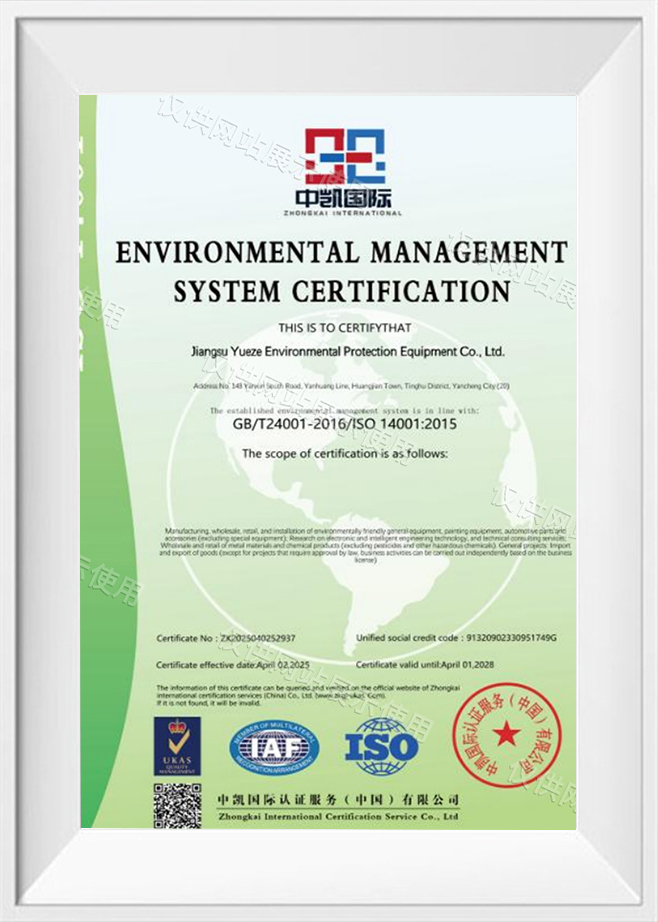
The appropriate furnace scale depends primarily on daily waste volume and the composition of the waste stream. A large incinerator is generally suited to factories or industrial parks with high daily waste generation, while smaller units can serve individual production lines with lower waste output. Jiangsu Yue Ze Environmental Protection Equipment Co., Ltd., an incinerator manufacturer based in Yancheng, Jiangsu, China, spans 35,000 square meters with a registered capital of 58 million yuan and brings more than 40 years of experience in waste gas treatment equipment and related industrial environmental systems. The company's engineering background in designing complete coating and waste treatment lines allows it to configure incineration equipment that integrates with a customer's existing production process.
Reference Capacity by Application Scale
Table: Reference incinerator capacity by facility scale
| Facility Scale |
Typical Daily Capacity |
Suitable For |
| Small unit |
Under 1 ton/day |
Single production line waste |
| Medium unit |
1-5 tons/day |
Mid-sized factory waste |
| Large incinerator |
5+ tons/day |
Industrial parks, multi-plant sites |
Frequently Asked Questions
Common feedstocks include general industrial waste, packaging materials, painting residues, and other combustible solid waste. Waste composition should be evaluated in advance to ensure it is compatible with the furnace design and emission control system.
Q2: How does an industrial incinerator help factories meet environmental requirements?
By combining high-temperature combustion with secondary chamber treatment and flue gas purification, an industrial incinerator reduces pollutant emissions and waste volume, helping facilities align with local environmental discharge standards.
Q3: What should a factory look for when choosing an incinerator manufacturer?
Key factors include the manufacturer's engineering experience, ability to customize furnace capacity, and support for integrating the incinerator with existing waste handling and exhaust treatment systems. Jiangsu Yue Ze Environmental Protection Equipment Co., Ltd. draws on decades of industrial equipment design experience to provide configurations suited to different waste volumes and site conditions.


 русский
 عربى
عربى
 Tiếng Việt