
 русский
 عربى
عربى
 Tiếng Việt
Professional painting line specially designed for grain tank truck body manufacturing and refurbishment, applicable to various grain tank truck types (grain transport tank truck, bulk grain tank truck...
See Details
Yueze Environmental Protection provides one-stop compliant industrial surface treatment solutions with professional tech and fine craftsmanship.
 Get Inquiries
2026-08-28
Content
A plant manager once installed a new paint booth, passed the mechanical trial, and then discovered the local inspector required NFPA 33 separation distances, hazardous-area electrical components, and a documented ventilation interlock. The booth had to be partly rebuilt before the first production batch. That situation is common, and it is avoidable.
Paint booth code requirements are not administrative formalities. They define how a booth is built, ventilated, protected against ignition, and equipped for fire emergencies. The key conclusion is simple: code compliance must be engineered into the booth design before you order equipment, not added afterward.
NFPA 33 is the most widely referenced standard for spray application using flammable or combustible materials, but it is not the only one that matters. Most facilities also need to satisfy the electrical requirements in NFPA 70, worker safety requirements from OSHA, and whichever fire code the local jurisdiction has adopted. The authority having jurisdiction (AHJ) makes the final decision, so your drawings need to show compliance with the code edition they enforce.
| Code or Standard | Scope | Why It Matters |
|---|---|---|
| NFPA 33 | Spray application using flammable or combustible materials | Sets baseline for booth construction, ventilation, electrical area classification, and fire protection. |
| NFPA 70 / NEC | Electrical installations in hazardous locations | Determines explosion-proof wiring, lighting, and controls inside and around spray areas. |
| OSHA 1910.107 / 1926.66 | General industry and construction spray finishing operations | Enforces design, ventilation, and operating safeguards for worker safety. |
| IFC / NFPA 1 | Adopted fire code enforced by local jurisdictions | Sets permitting, inspection, separation, and suppression requirements at the project site. |
Under NFPA 33 Chapter 5, a spray booth must be constructed of fire-resistant materials, typically steel or an approved equivalent. The booth also has to be separated from other operations by 3 feet of clear space or by a partition with a 1-hour fire resistance rating. Connected booths need careful planning because each zone has to keep its own fire rating and airflow characteristics.
For shops with unusual part geometries, the fastest route to a compliant layout is a custom spray booth and sanding booth built around your process and the local code requirements.
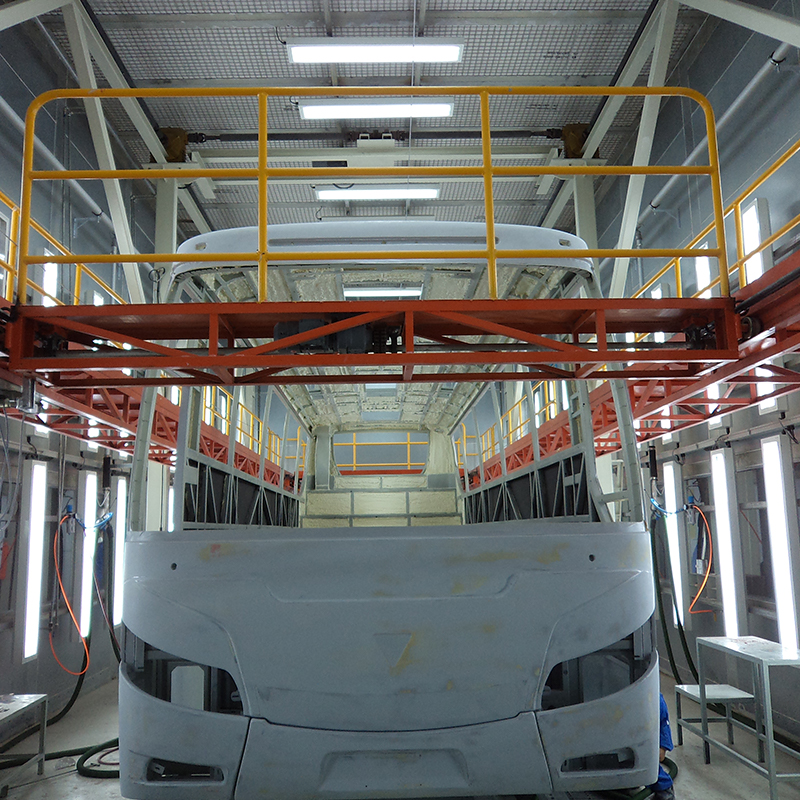 Powder Coating Spray Booth Manufacturer, Cheap Spray Booth CompanyYue Ze Environmental Protection Equipment Co., Ltd is China powder coating spray booth manufacturer and cheap spray booth exporter compan...View Product →
Ventilation is the booth’s first line of defense against flammable vapor accumulation. The exhaust system must operate continuously during spraying and remain on long enough after coating stops to purge residual vapors. In many conventional dry-filter booths, the design target is an air velocity around 100 feet per minute across booth openings, but the AHJ’s calculation method controls.
Crossdraft booths push air across the workpiece, while downdraft booths pull it down through floor grates. Downdraft systems are more uniform and are often preferred for large or complex parts, but they cost more. The decision affects both finish quality and code compliance because airflow must keep vapor concentrations below the flammable limit.
Electrical requirements are where inspectors find the most violations. Wiring, lighting, outlets, motors, and control panels inside the spray area must be suitable for the hazardous location, usually explosion-proof or rated for the assigned class and division under NFPA 70. Ordinary junction boxes and standard fluorescent fixtures have no place inside the spray enclosure. The spray area also must be separated from ignition sources such as open flames, hot surfaces, static discharge, and smoking.
For automated lines, an automatic robotic spray booth is a practical way to combine high transfer efficiency with a fully classified electrical package, because the robot, lighting, controls, and booth body are designed as one system. Automotive and EV finishing lines often receive additional electrical review due to high line speeds and complex part handling; our automotive and EV manufacturing solutions page explains how those line layouts are structured.
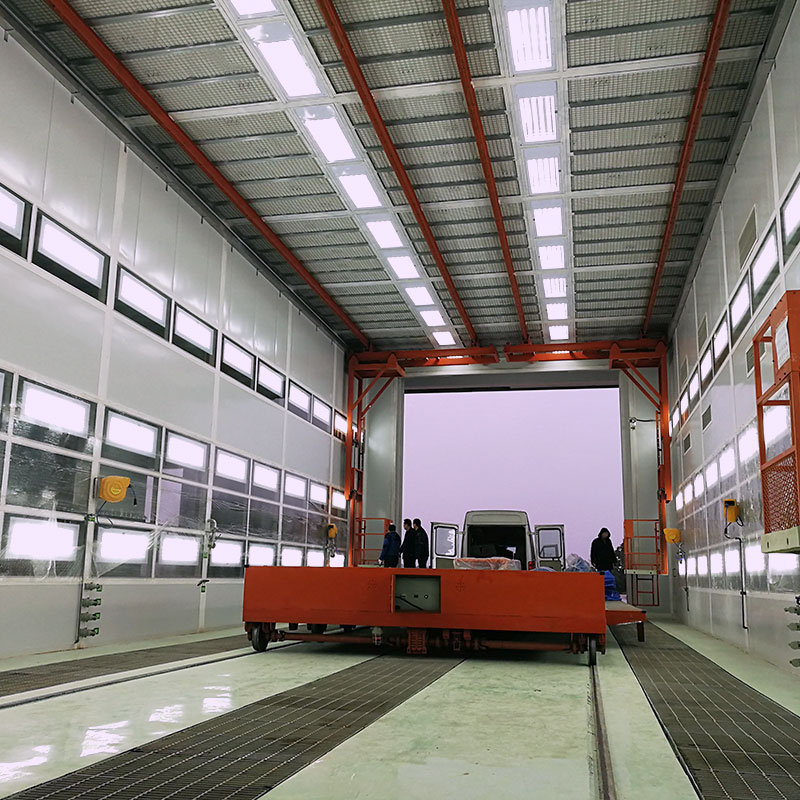 Custom Automatic Robotic Spray Booth Manufacturer, Exporter factory - Jiangsu YuYue Ze Environmental Protection Equipment Co., Ltd is China Automatic Robotic Spray Booth manufacturer and exporter factory, We custom Au...View Product →
Fire protection for a paint booth goes beyond a portable extinguisher. NFPA 33 and the adopted local fire code determine whether a booth needs automatic sprinkler protection, dry-chemical suppression, carbon dioxide, or foam-water systems. Many AHJs require automatic protection when booth volume or material usage exceeds specific thresholds, and the suppression system should cover the booth interior as well as connected exhaust plenums and drying areas.
The operating plan should include an emergency shutdown procedure, clearly located extinguishers, and a documented inspection schedule. Fire suppression is not one-size-fits-all; it has to be matched to the coating materials, the booth design, and the facility’s occupancy.
Storage and mixing create the highest fuel loads in a finishing department. Code limits how much paint and solvent can be kept near the booth, and many facilities need an approved flammable storage cabinet or a dedicated mixing room. Mixing rooms should have fire-rated construction, mechanical ventilation, spill containment, and explosion-proof electrical equipment. Drums should be bonded and grounded whenever flammable liquids are transferred.
Keeping storage separate from the spray area is not just a convenience; it is a practical way to reduce the fire load and keep the booth footprint smaller and more efficient.
If the booth includes a bake or drying cycle, the standard treats it as a more serious hazard because heat adds a potential ignition source. Drying ovens and booths need temperature controls, high-limit switches, and interlocks that shut down heat input when exhaust airflow fails. Insulation and clearances must protect adjacent areas from heat accumulation.
Powder coating has a different risk profile. Instead of solvent vapor, the danger comes from airborne combustible dust and electrostatic ignition. The enclosure must be grounded, the recovery system must prevent overloading, and ventilation equipment should be designed for dust handling. One NFPA advantage is that filtered air can often be recirculated when the powder system uses listed filters and detection equipment.
For manufacturers moving beyond manual powder application, an integrated powder coating line combines the booth, curing, conveyor, and powder handling into one line, which makes it easier to document compliance from a single supplier.
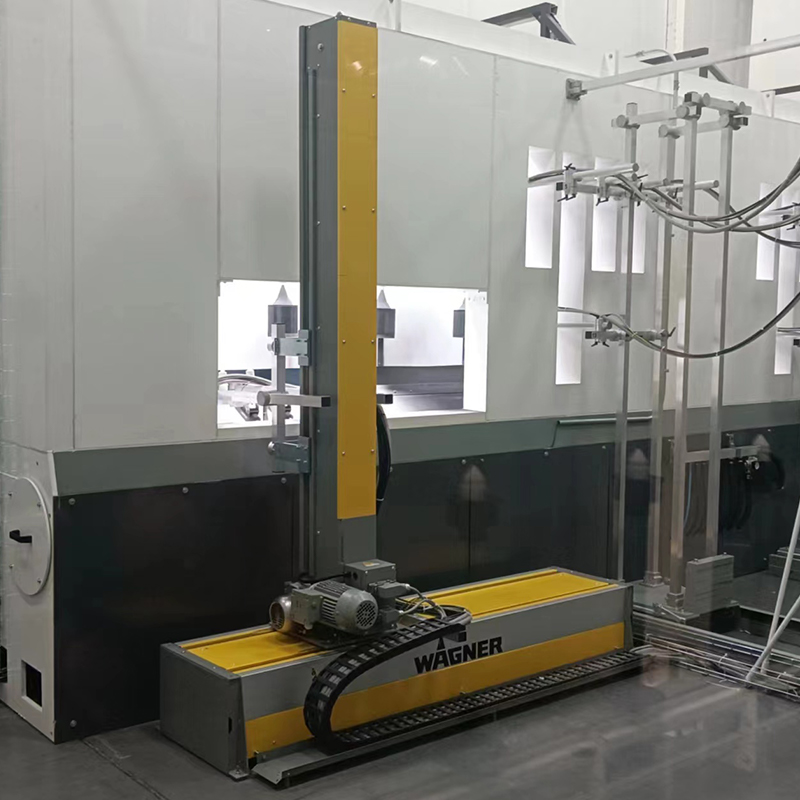 Powder Paint Coating Line Manufacturer, Powder Coating Machine CompanyYue Ze Environmental Protection Equipment Co., Ltd is China powder paint coating line manufacturer and powder coating machine company, We...View Product →
Compliance should not be delegated to the day of inspection. Bring code requirements into the procurement stage and ask for evidence. If you are still defining the full process, start with a practical guide to what equipment a coating production line has so you can see which machine options affect booth compliance.
The more thoroughly you define paint booth code requirements during design, the more predictable the inspection becomes. A compliant booth is simply a well-engineered booth.
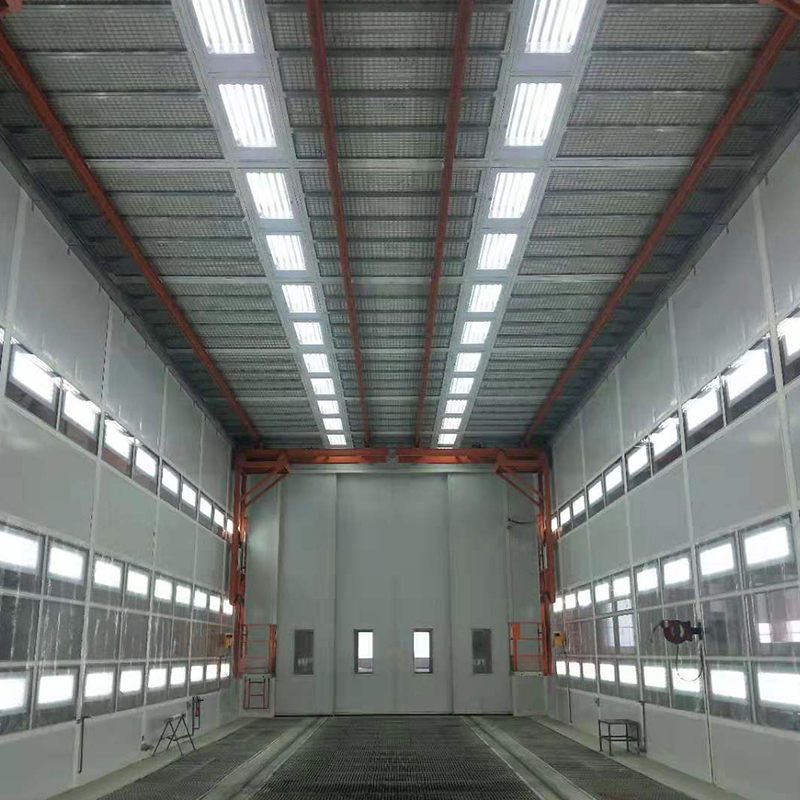
Professional painting line specially designed for grain tank truck body manufacturing and refurbishment, applicable to various grain tank truck types (grain transport tank truck, bulk grain tank truck...
See Details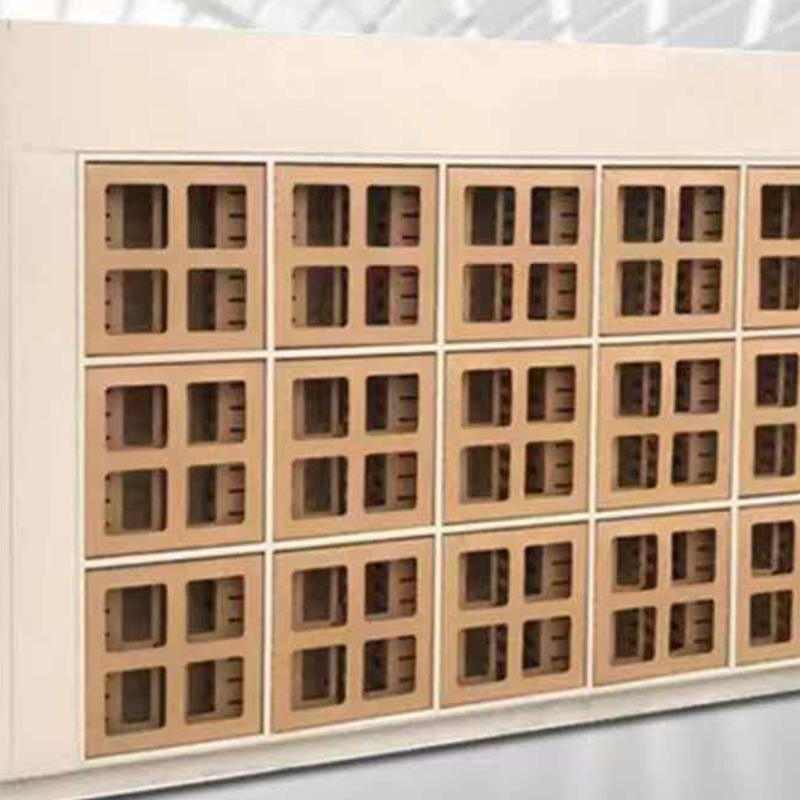
Cardboard Paint Arresto is professional equipment for capturing and filtering paint mist, mainly made of high-quality corrugated cardboard, filter cotton, and waterproof coating. It adopts a modular d...
See Details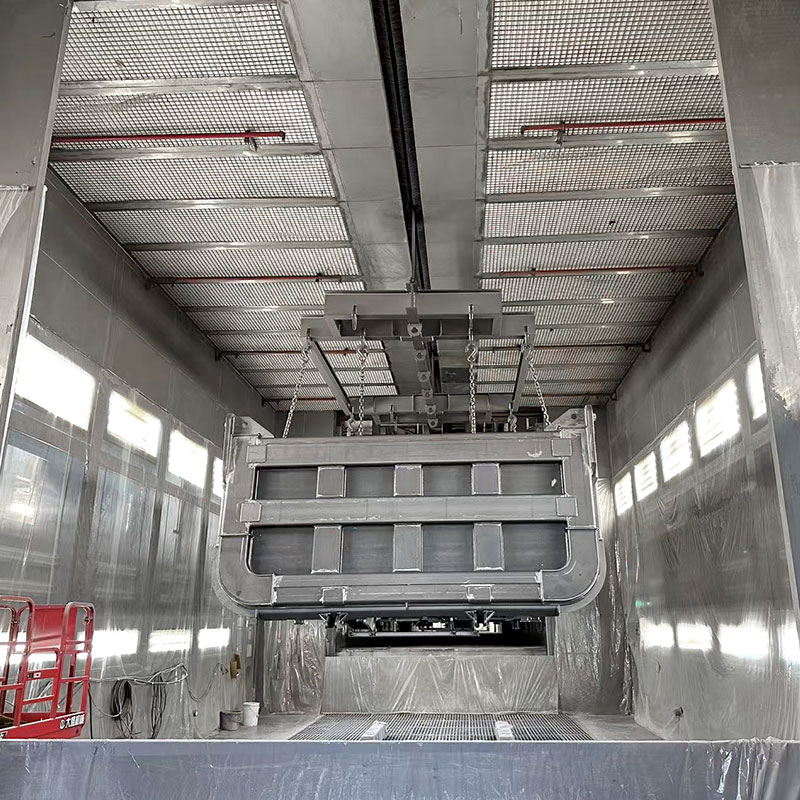
Manual spray booth is a small & economical painting workstation, designed for manual spraying operation. Equipped with efficient paint mist filtration and exhaust system, it ensures clean air and ...
See Details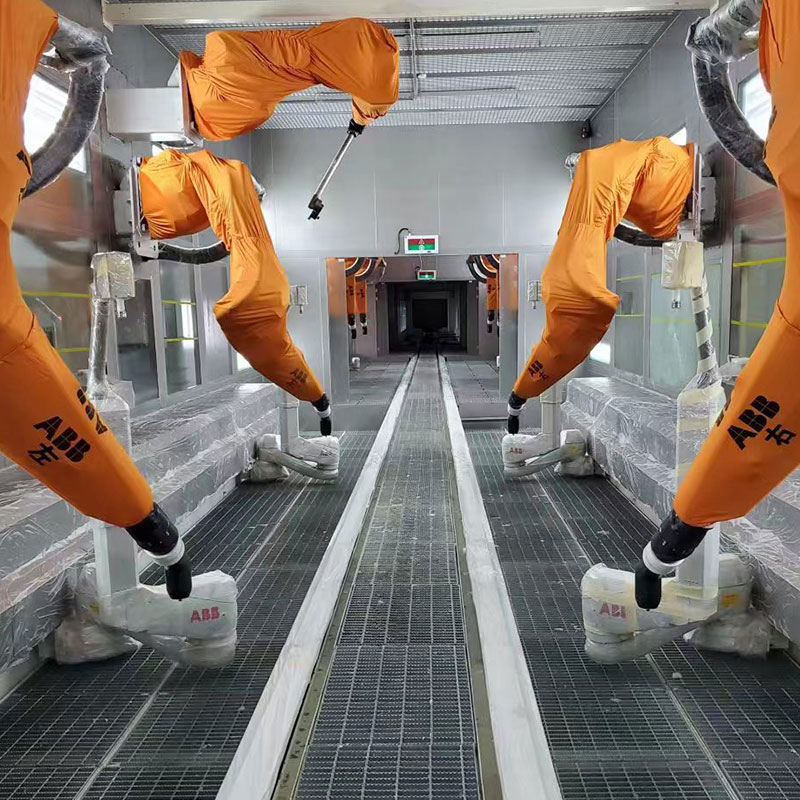
An automatic robotic spray booth is an intelligent, unmanned coating system. Equipped with a robot spraying system, constant temperature air circulation, and a high-efficiency exhaust filtration syste...
See Details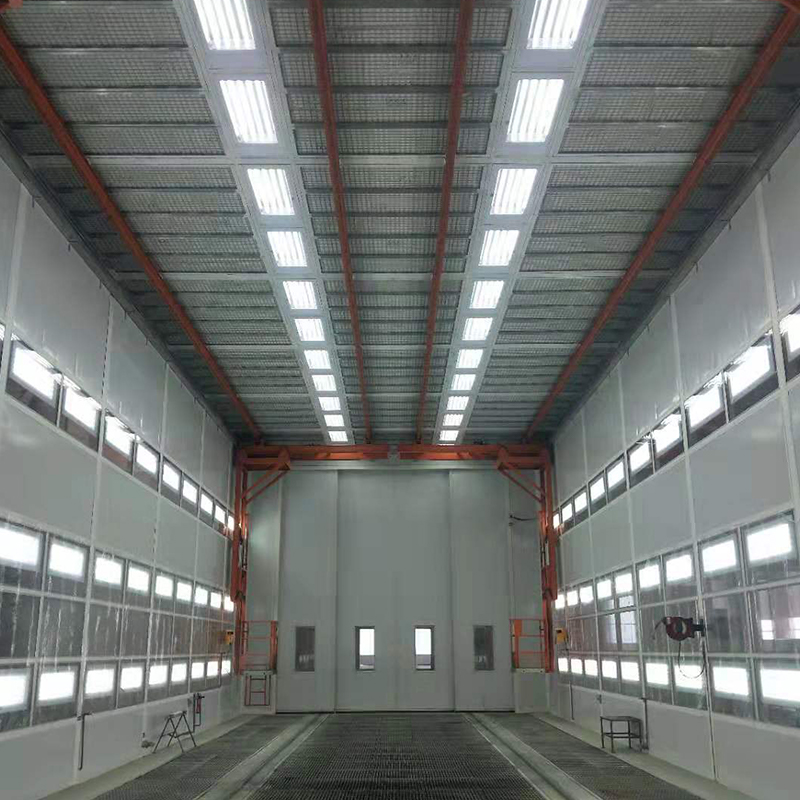
Heavy vehicle spray booth is a large-scale professional coating workshop, specially designed for oversize and heavy equipment. With powerful air circulation, heating system, and multi-stage exhaust fi...
See Details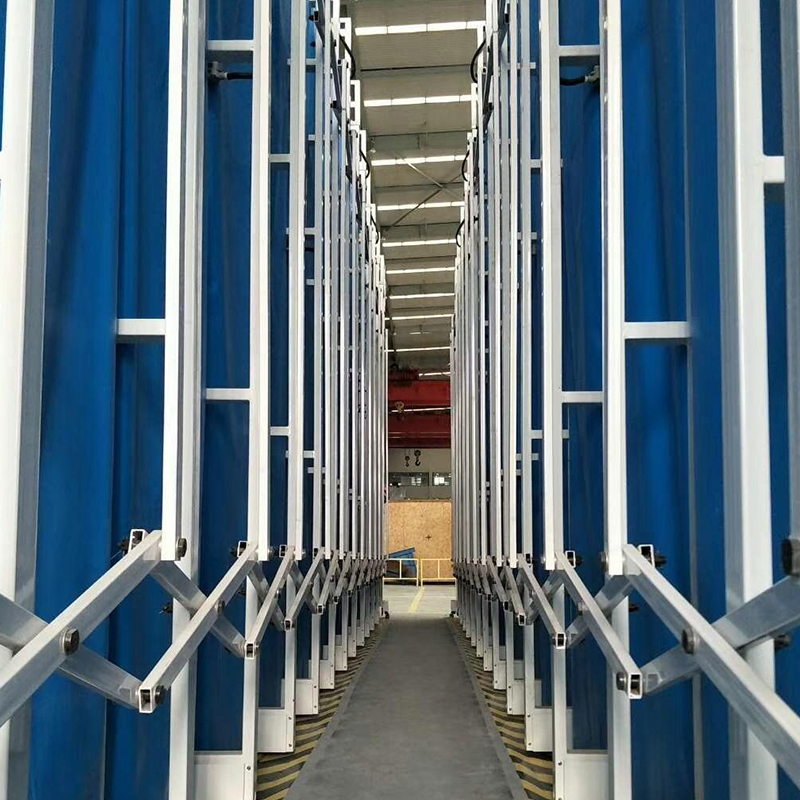
The retractable mobile spray & sanding booth is a flexible, space-saving, and multi-functional coating workstation. With a telescopic movable structure and integrated dust & paint mist filtrat...
See DetailsBuild Your Customized Industrial Coating System
Send us your workpiece information, production capacity, coating process, workshop layout, and environmental requirements. Yueze will help evaluate your project and develop a suitable coating, conveying, drying, and environmental treatment solution.
Main menu
Products
Contact Us
Company Address:
No. 12, Park Avenue, Shanggang Industrial Park, Jianhu, Yancheng City, Jiangsu Province
Message Us Right Now!

Follow us: