Why a Flue Gas Purification System Matters in Industrial Coating
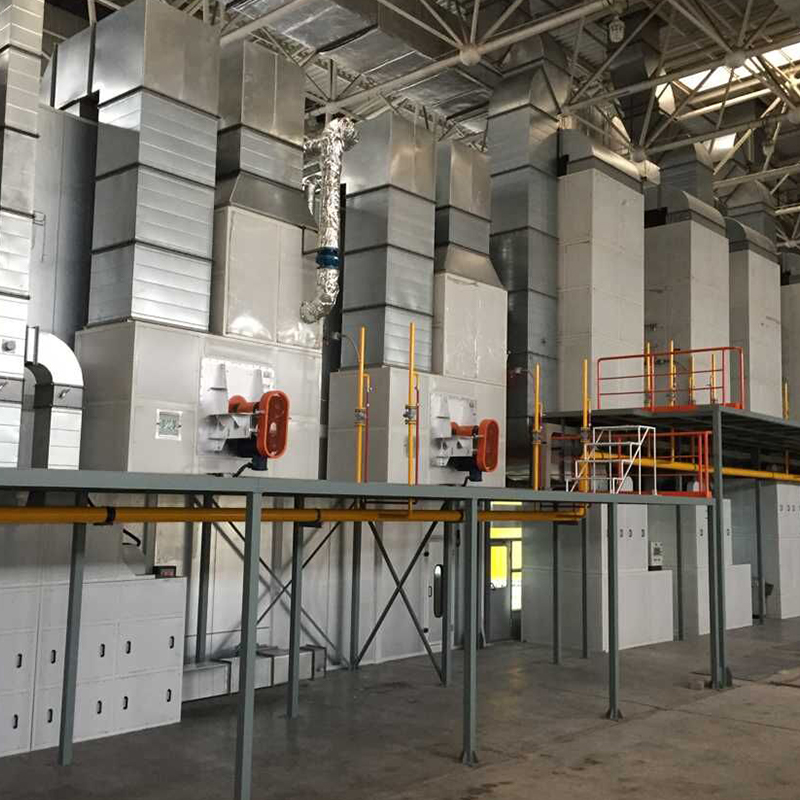
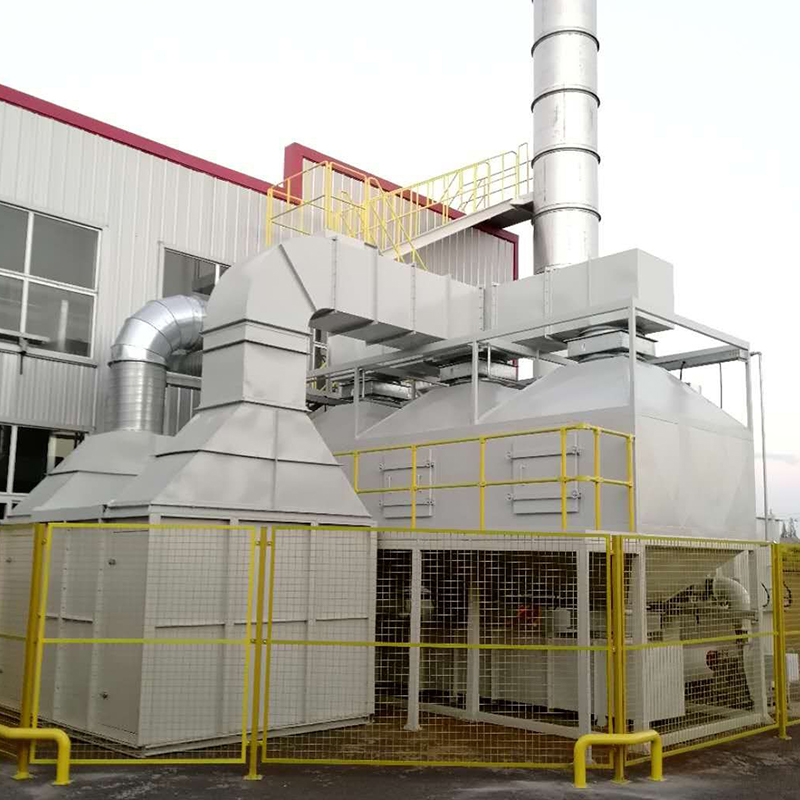
A Flue Gas Purification System captures and treats exhaust gases generated during spraying, drying, and curing processes before they are released into the atmosphere, helping factories meet environmental discharge standards. In powder coating and paint bake operations, untreated exhaust can contain particulate matter, volatile organic compounds (VOCs), and solvent vapors, all of which require proper flue gas purification to avoid regulatory penalties and workplace safety risks. A properly sized system can remove over 90% of particulate emissions from the exhaust stream when maintained according to design specifications, significantly reducing the environmental footprint of a production line.
Beyond compliance, effective flue gas purification also protects downstream equipment such as fans and ductwork from residue buildup, which helps extend equipment service life and reduce unplanned maintenance.
How the Purification Process Works
A typical flue gas purification process moves exhaust gas through several treatment stages before final discharge:
- Collection hood: captures exhaust gas at the source, such as spray booths or drying tunnels;
- Pre-filtration stage: removes larger particulates and overspray before gas enters the main treatment unit;
- Purification unit: applies methods such as water curtain, activated carbon adsorption, or catalytic oxidation depending on the pollutant type;
- Exhaust fan and stack: releases treated gas that meets required emission concentration limits.
The choice of purification method depends on the pollutant profile of the specific coating process, so the system is often paired with pre-treatment series equipment to reduce the pollutant load before it even reaches the main purification stage.
Role of Pre-Treatment Series Equipment in Emission Control
Pre-treatment series equipment, such as degreasing and rinsing stations positioned upstream of the coating booth, plays an important role in reducing the overall pollutant load that reaches the flue gas purification system. By removing oils, dust, and residues from workpiece surfaces before painting, these units lower the volume of particulate and VOC emissions generated during spraying, which in turn reduces the operating burden on downstream purification equipment.
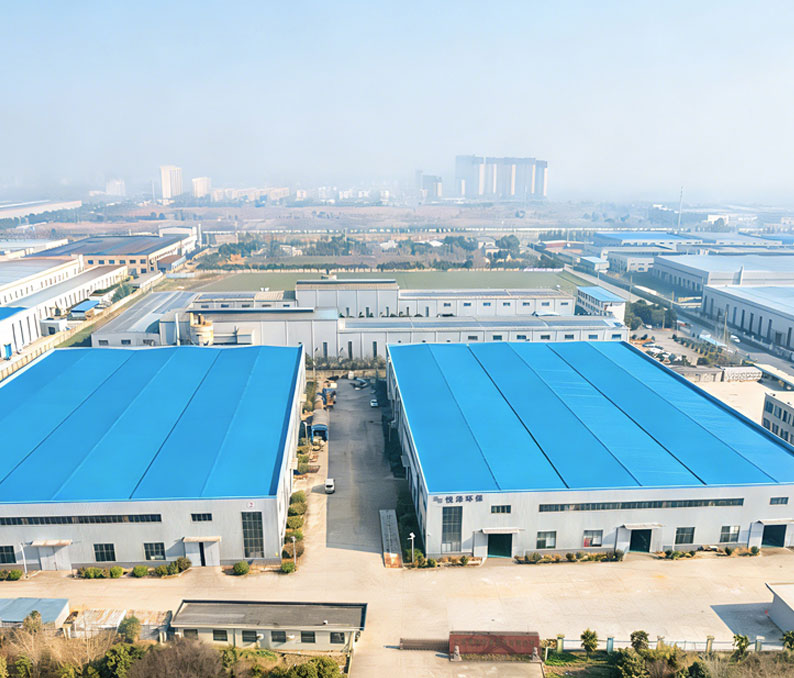
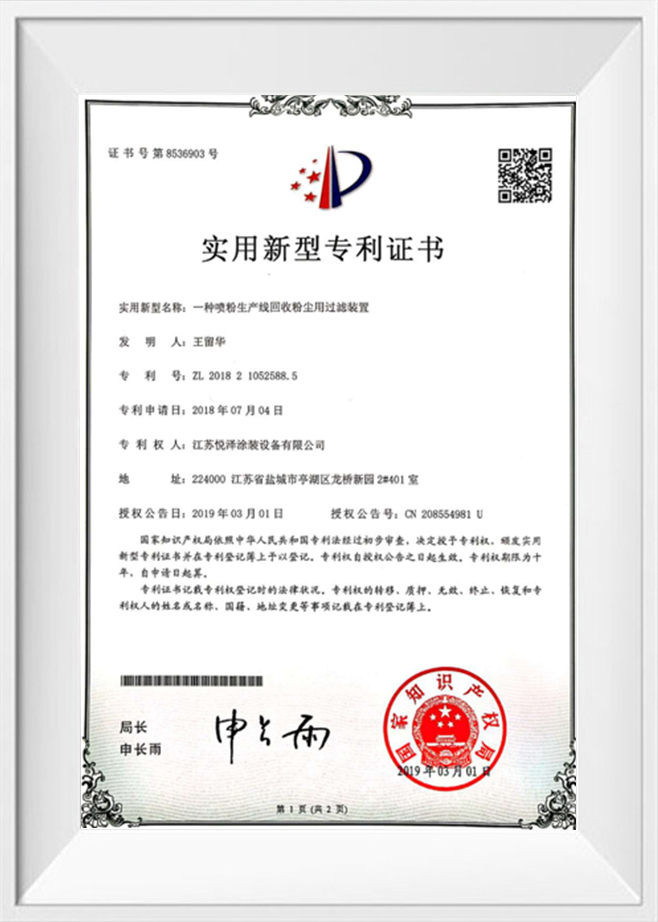
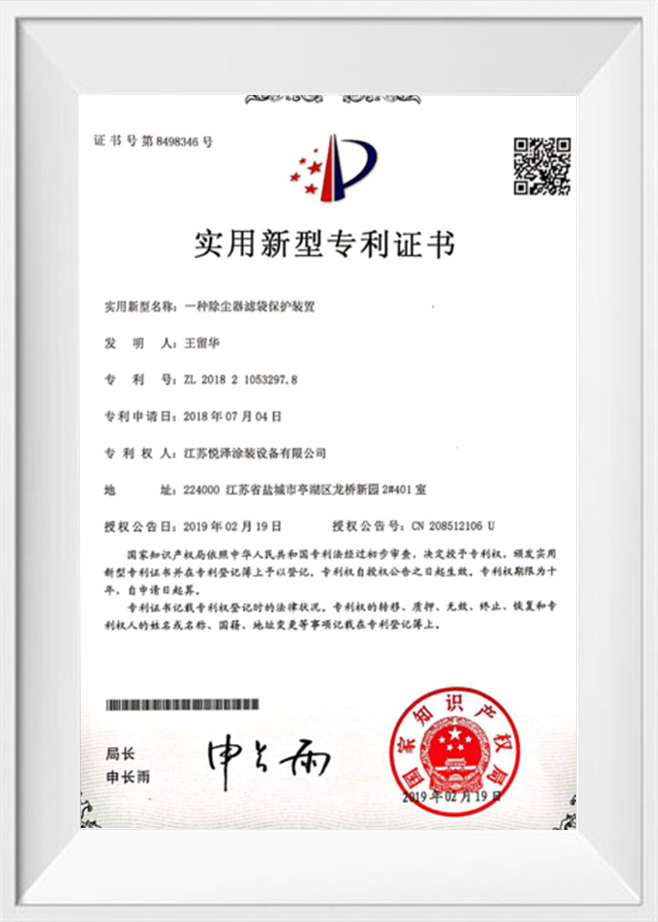
Jiangsu Yue Ze Environmental Protection Equipment Co., Ltd., based in Yancheng, Jiangsu, China, spans 35,000 square meters with a registered capital of 58 million yuan and brings more than 40 years of experience in waste gas treatment equipment, pre-treatment series equipment, and complete coating line design. Since developing one of the industry's first hanging automatic painting process lines for cast counterweight blocks in 2014, the company has integrated pretreatment and exhaust purification into unified system designs for projects across multiple provinces in China and overseas markets.
Common Purification Methods Compared
Table: Comparison of common flue gas purification methods by application
| Method |
Target Pollutant |
Typical Use |
| Water curtain |
Overspray particulates |
Spray booths |
| Activated carbon adsorption |
VOCs, solvent vapors |
Paint bake booths |
| Catalytic oxidation |
High-concentration VOCs |
Large-scale drying tunnels |
Frequently Asked Questions
Q1: Why is flue gas purification necessary for coating production lines?
Coating and drying processes release particulates and VOCs into exhaust gas, and treating this exhaust is necessary to meet environmental discharge standards and reduce health risks for workers and surrounding communities.
Q2: How does pre-treatment series equipment support the purification system?
By removing surface contaminants before painting, pre-treatment equipment reduces the amount of particulate and VOC emissions generated during spraying, which lowers the load on the flue gas purification system and can extend the service intervals of its filtration components.
Q3: Can a Flue Gas Purification System be customized for different production scales?
Yes. Systems can be sized and configured according to exhaust volume, pollutant concentration, and space constraints. For example, Jiangsu Yue Ze Environmental Protection Equipment Co., Ltd. designs purification and pre-treatment equipment tailored to each customer's specific coating process and workshop layout.


 русский
 عربى
عربى
 Tiếng Việt