The Core Role of a Dust Collector in Waste Gas Purification Systems
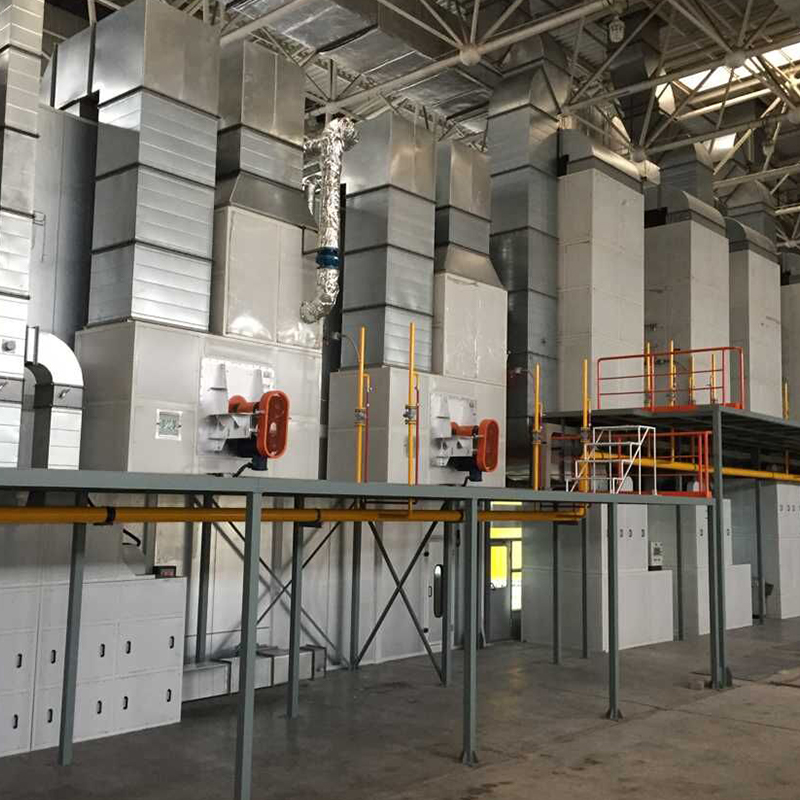
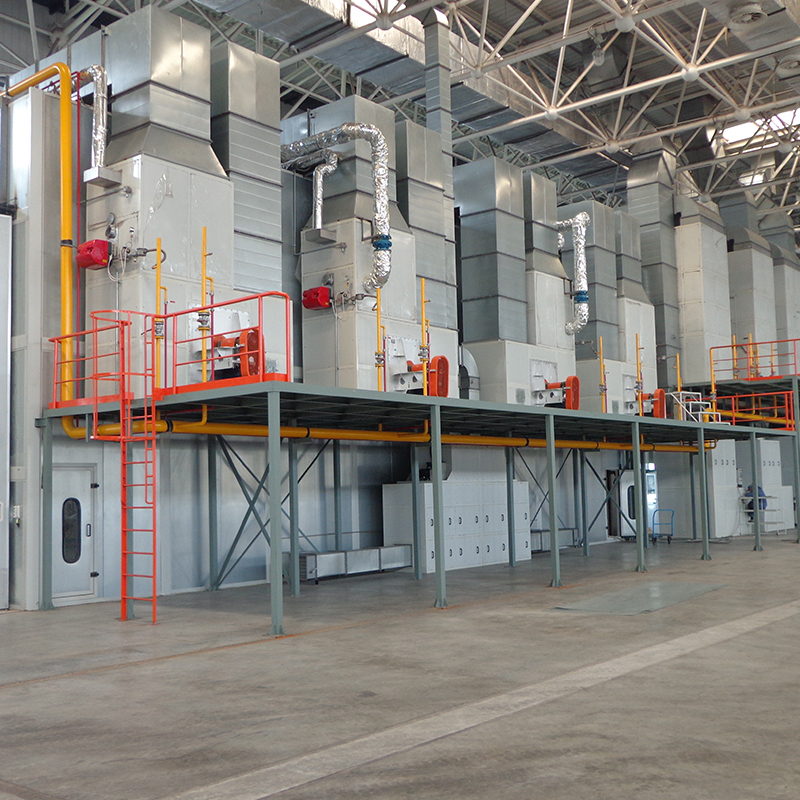
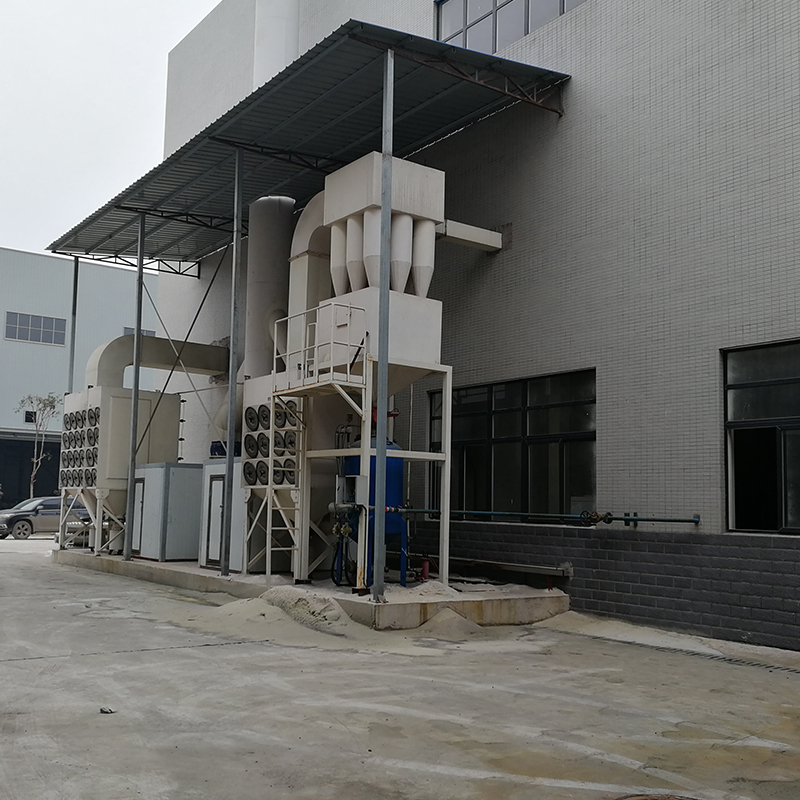
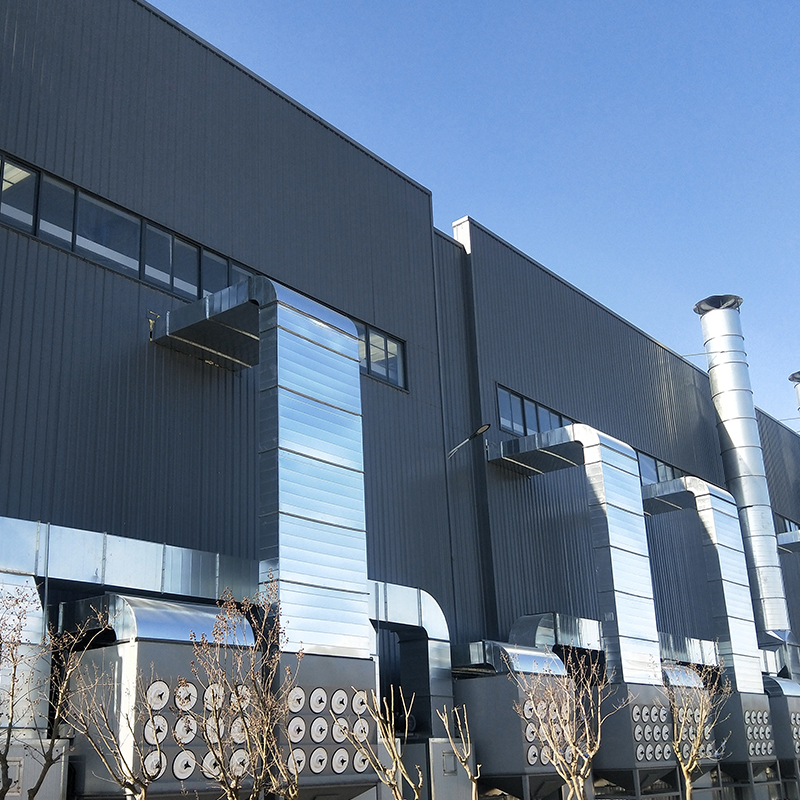
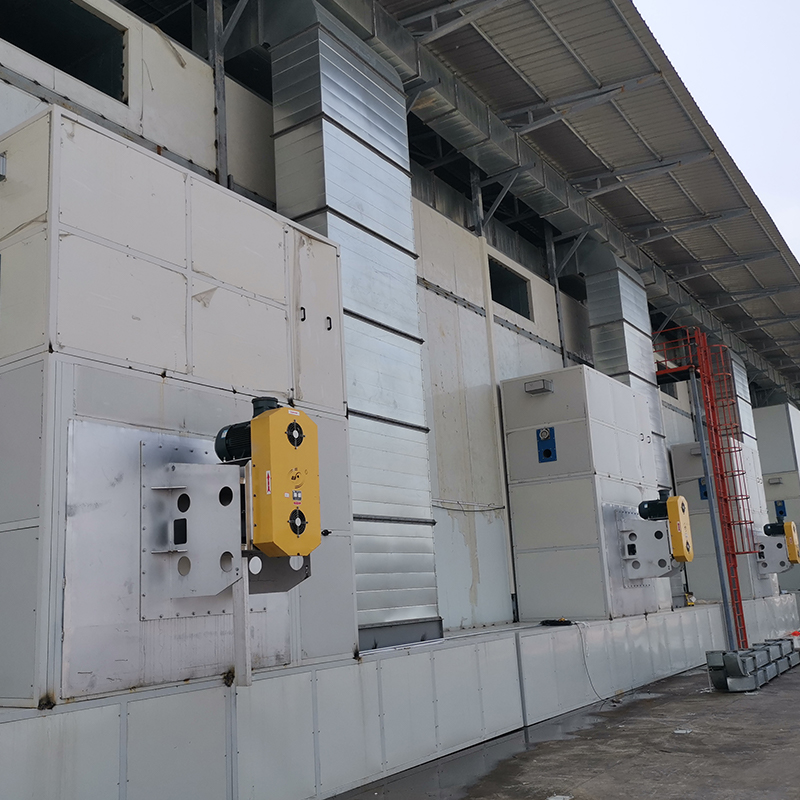
In industrial processes such as spraying, grinding, and polishing, dust and particulate matter are among the leading contaminants affecting workshop air quality and equipment lifespan. A Dust Collector works by capturing, separating, and filtering the dust generated during production, removing it from the air stream so that emissions meet regulatory standards and the working environment stays cleaner. As a key component of a waste gas purification system, the Dust Collector is widely used in large workpiece grinding rooms, painting workshops, and metal processing lines, making it an essential part of achieving cleaner, greener production.
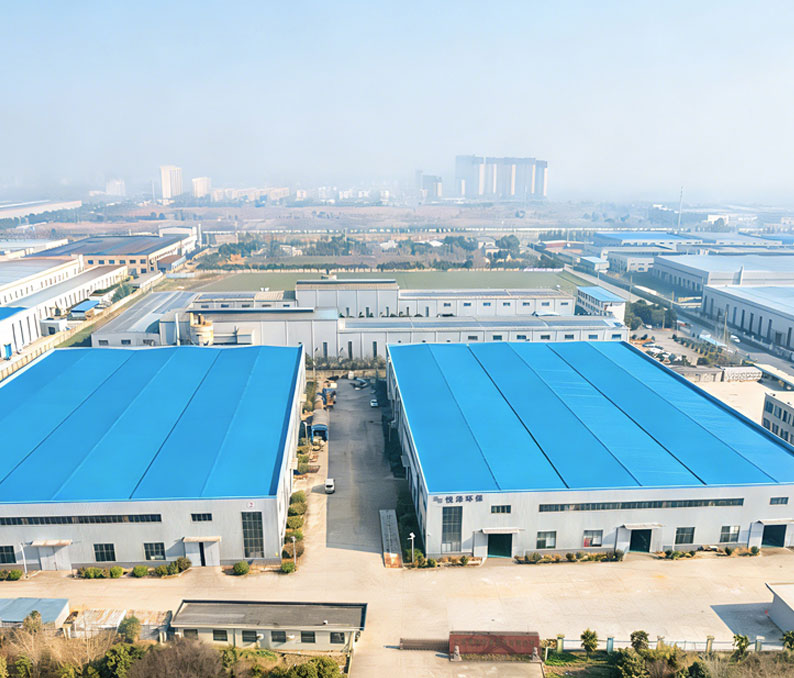
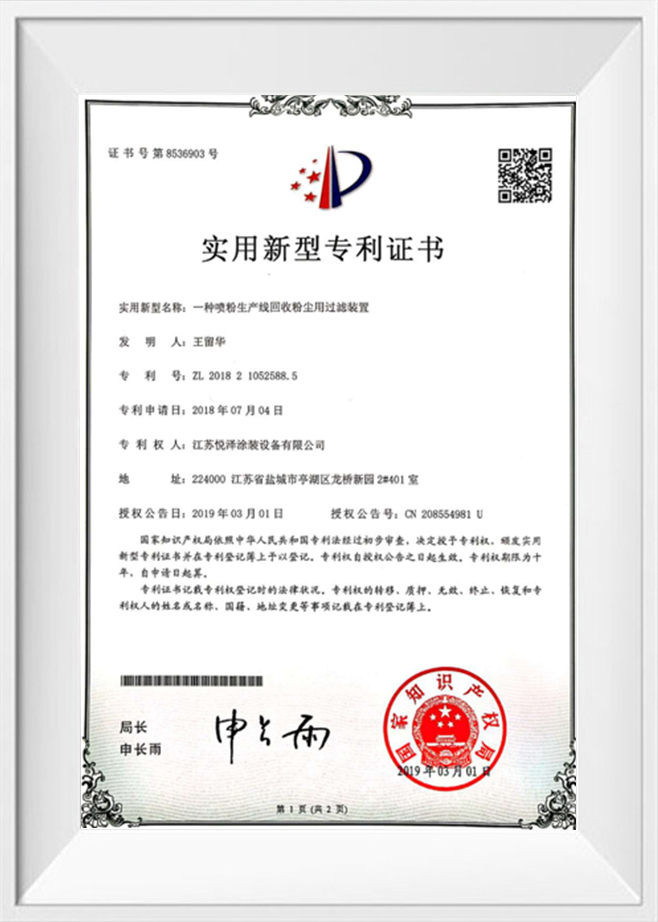
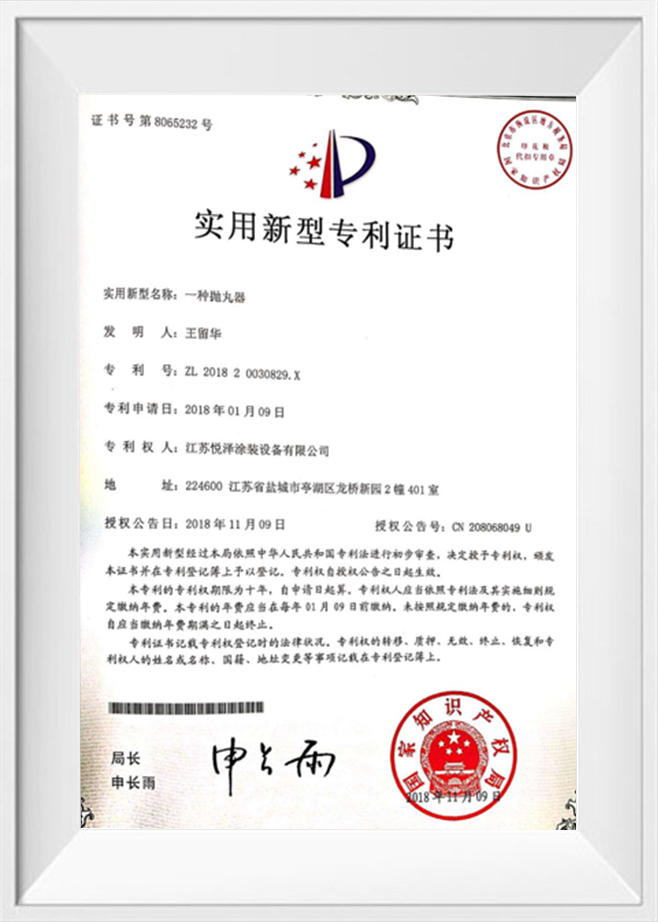
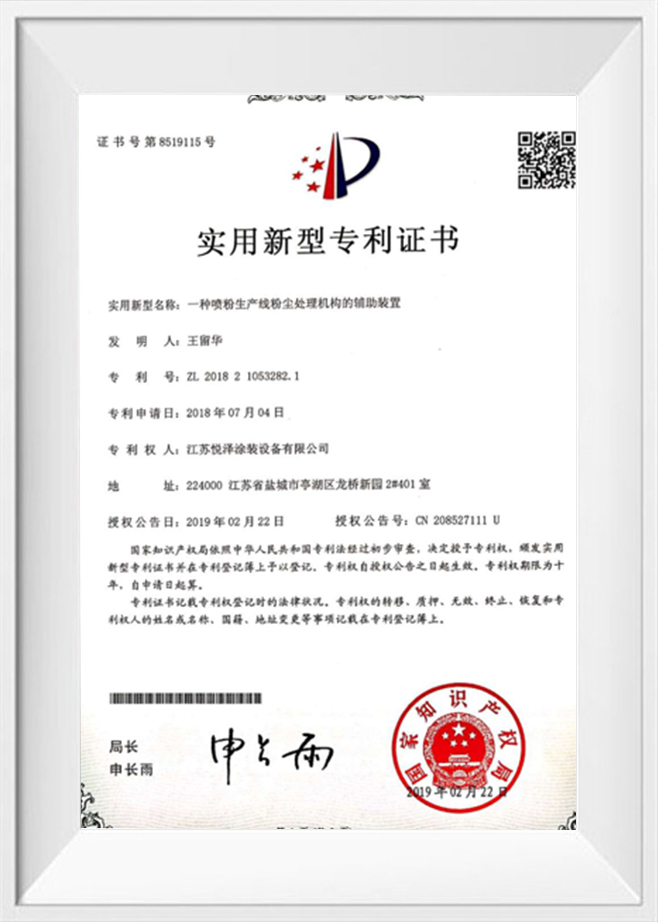
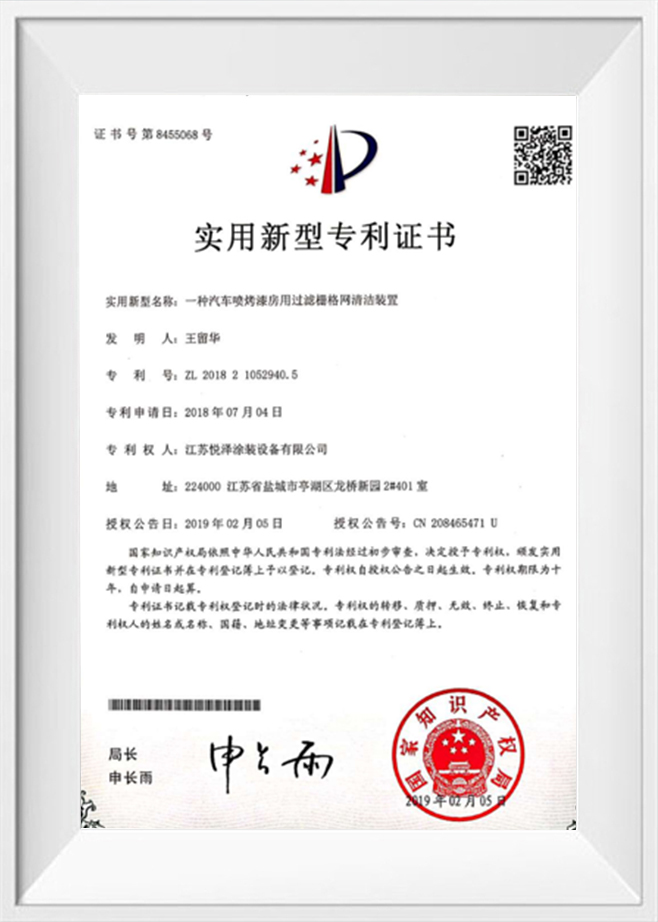
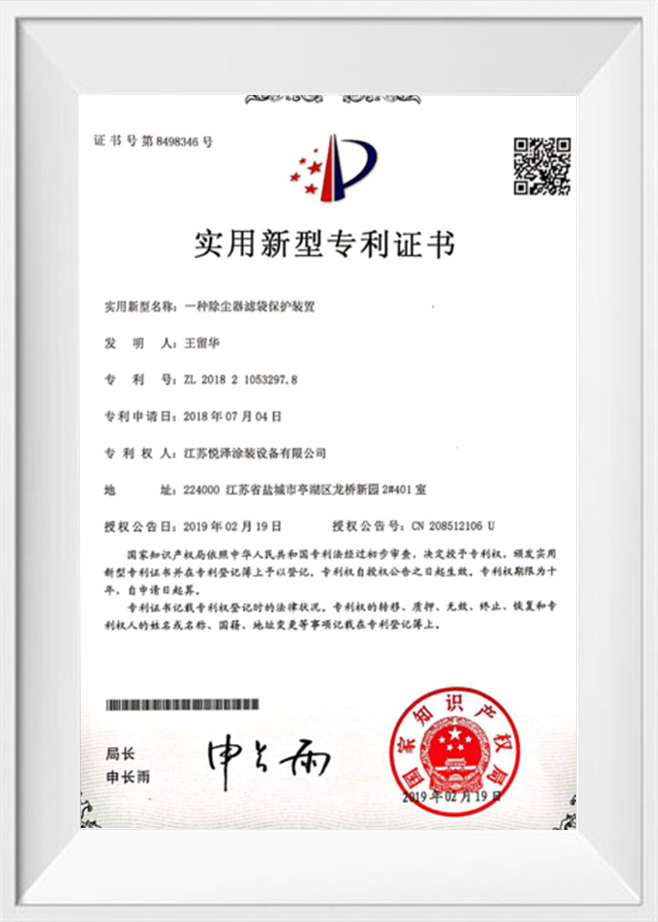
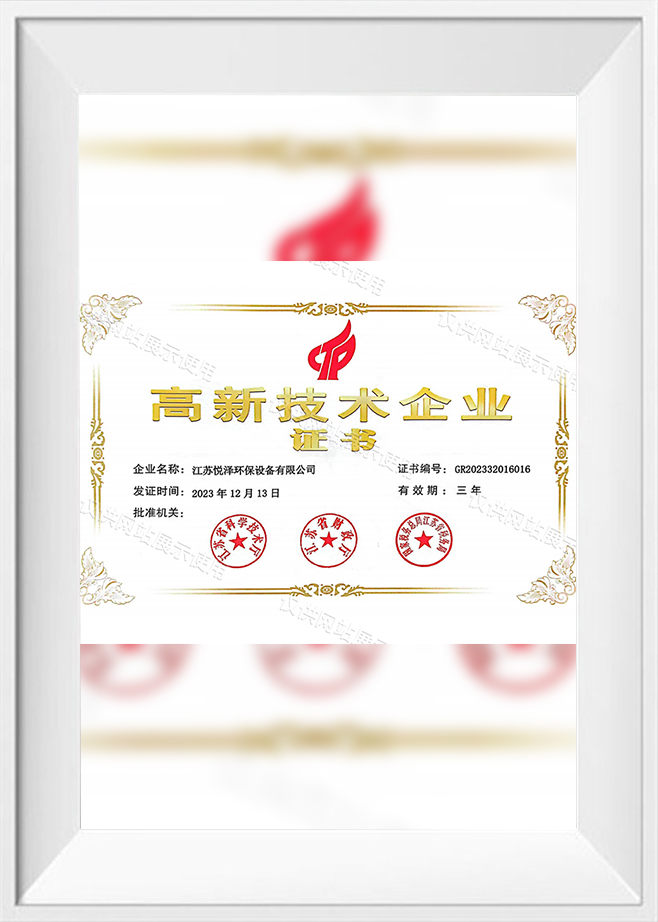
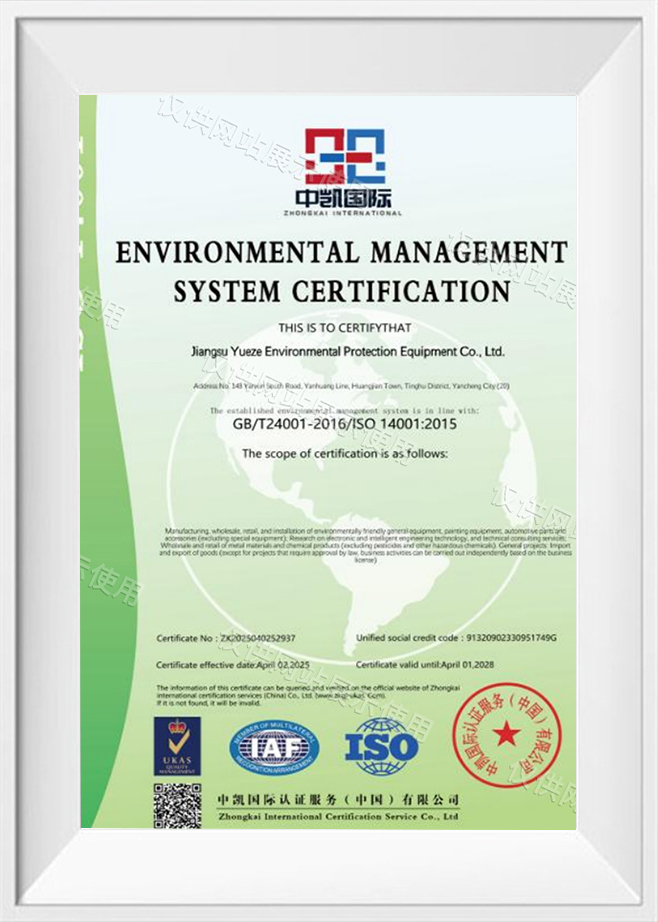
Jiangsu Yue Ze Environmental Protection Equipment Co., Ltd., located in Yancheng, Jiangsu, China, spans 35,000 square meters with a registered capital of 58 million yuan. With more than 40 years of experience in powder coating lines, spray booths, and waste gas treatment equipment, the company provides customized dust collection and filtration solutions to meet diverse client requirements.
How a Dust Collector Works
The basic operating process of a Dust Collector can be divided into three stages: air intake, dust separation, and clean air discharge.
1. Air Intake
Dust-laden air is drawn by a fan through ductwork into the collector. Airflow velocity must be matched to the characteristics of the dust particles to avoid secondary dust dispersion.
2. Dust Separation and Filtration
As the dust-laden air passes through the duster filter, larger particles settle first under gravity or inertia, while finer dust is trapped on the surface of the filter media or filter bags, forming a filter cake layer that further improves filtration efficiency.
3. Cleaning and Discharge
The system periodically removes accumulated dust from the filter surface through pulse-jet cleaning or mechanical vibration. Collected dust falls into a hopper for disposal, while purified air is discharged through the exhaust outlet in compliance with emission standards.
Choosing and Maintaining the Right Duster Filter
Selecting the right duster filter material and structure is key to ensuring the long-term stable operation of a Dust Collector. Different applications require different filtration precision, temperature resistance, and airflow resistance. The table below compares common filter media types:
| Filter Media Type |
Filtration Precision |
Typical Application |
| Polyester Filter Bag |
1-5 microns |
Ambient-temperature powder coating workshops |
| Membrane-Coated Filter Cartridge |
0.5-1 micron |
High-precision grinding and polishing |
| Heat-Resistant Filter Media |
1-3 microns |
Drying and bake-paint waste gas treatment |
Table: Common duster filter media types and their applications
Regularly monitoring changes in filter resistance is an important way to determine when cleaning or replacement is needed. Generally, when system pressure differential exceeds twice the initial value, maintenance should be scheduled to prevent excessive fan load or reduced filtration efficiency.
Key Advantages of a Dust Collector System
- Effectively captures fine particles from metal grinding and powder spraying, reducing workshop dust concentration
- Paired with a duster filter, it delivers consistent and efficient filtration while reducing maintenance frequency
- Modular design allows airflow and processing capacity to be flexibly scaled to production line size
- Integrates with automated spray lines and drying lines to help facilities meet environmental emission requirements
Frequently Asked Questions
Q1: How often does a Dust Collector need to be cleaned?
Cleaning frequency depends on the volume of dust generated and the type of filter media used. It is generally recommended to schedule pulse-jet cleaning or manual cleaning based on pressure differential monitoring data whenever a noticeable increase is observed.
Q2: What signals indicate a duster filter needs replacement?
If filtration efficiency cannot be restored after repeated cleaning cycles, or if the filter media shows damage or dust leakage, it should be replaced promptly to ensure emissions remain compliant.
Q3: Is a Dust Collector suitable for all types of workshops?
Dust characteristics, temperature, and humidity vary by workshop. It is recommended to select an appropriately matched equipment model and filter media based on actual operating conditions to achieve optimal treatment results.


 русский
 عربى
عربى
 Tiếng Việt