
 русский
 عربى
عربى
 Tiếng Việt
Professional coating line specially designed for large castings and heavy truck parts, applicable to various large castings (engineering castings, mining equipment castings, industrial castings) and h...
See Details
Yueze Environmental Protection provides one-stop compliant industrial surface treatment solutions with professional tech and fine craftsmanship.
 Get Inquiries
2026-05-18
Weighted block coating equipment: What are the Noise Levels?
Weighted block coating equipment is widely used in industries such as construction materials, automotive parts, packaging, and metalworking. These machines apply coatings—such as paints, protective films, or adhesives—to blocks or components, often using rollers, spray systems, or dipping mechanisms. Because they are driven by motors, pumps, fans, and conveyor systems, noise is an important factor in equipment selection and workplace safety. Understanding typical noise levels helps you plan for compliance with regulations, protect workers’ hearing, and design a more comfortable work environment.
Typical Noise Level Range
The noise level of weighted block coating equipment usually falls in the range of about **70–90 dB(A)** when measured at an operator’s position (typically 1 meter from the machine). However, the exact value depends on the machine design, coating method, production speed, and the surrounding installation conditions.
A rough breakdown is:
- **Low to medium noise**: 70–78 dB(A)
Common for modern, well‑insulated, small to medium coating lines, especially those with electric drives, quiet pumps, and good acoustic covers.
- **Moderate noise**: 78–85 dB(A)
Typical for many standard industrial coating machines, especially when running at higher speeds with continuous material handling (conveyors, rollers, air knives, fans).
- **High noise**: 85–90+ dB(A)
More likely in older equipment, high‑capacity production lines, or systems with powerful exhaust fans, high‑pressure pumps, air compressors, or impact-type feeding mechanisms.
In most professional environments, manufacturers aim to keep the sound pressure level below about **80 dB(A)** at the operator’s station, or at least to provide technical and organizational measures to control exposure.
Main Noise Sources in Weighted Block Coating Equipment
Several components contribute to the total noise level:
1. **Drive Motors and Gearboxes**
Motors that drive rollers, mixers, or pumps generate mechanical and electromagnetic noise. Gearboxes add gear meshing noise, which can be significant at higher speeds or when gear quality and lubrication are not optimal.
2. **Pumps and Hydraulic Systems**
If the coating system uses pumps to circulate paint or coating fluid, these pumps create vibration and fluid-flow noise. High‑pressure pumps, in particular, can be a dominant noise source.
3. **Fans and Ventilation Systems**
Exhaust fans and air filtration systems remove fumes and overspray from the coating area. Fan blades interacting with air, plus airflow through ducts and filters, often produce a continuous broadband noise that can be quite noticeable.
4. **Conveyors, Rollers, and Mechanical Handling**
The movement of blocks or components along conveyors, transfer rollers, or chain systems creates rolling, rattling, or impact sounds. Poorly aligned or worn components tend to be much louder.
5. **Spray and Air Systems**
In spray coating processes, compressed air or high‑velocity jets create additional noise. This can push overall levels toward the upper end of the typical range, especially in poorly damped enclosures.
6. **Impacts and Vibrations**
Any point where blocks are dropped, positioned, or clamped can create impact noise. Vibrations transmitted into the machine frame or building structure may amplify sound unless properly isolated.
Factors That Influence Noise Levels
Noise from the same model of machine can vary significantly depending on:
- **Operating Speed and Load**
Higher production speeds almost always mean more noise: faster rollers, more airflow, higher pump pressures, and more frequent impacts.
- **Type of Coating Process**
- Roller/curtain coating tends to be quieter than high‑pressure spray systems.
- Immersion or dip coating may generate less continuous noise but more intermittent splashes and mechanical sounds.
- **Machine Design and Age**
- Newer equipment often includes sound‑reducing features such as acoustic panels, more precise mechanical components, and quieter motors.
- Older equipment may have worn bearings, loose parts, and less effective enclosures, all of which raise noise levels.
- **Installation and Layout**
- Hard, reflective surfaces (bare concrete, metal walls) increase reverberation and perceived noise.
- Poorly isolated mounts can transmit vibration into floors and structures, effectively turning the building into a sound amplifier.
- **Maintenance Condition**
Lack of lubrication, misalignment, and wear all lead to rattling, squealing, or grinding sounds. Regular maintenance can noticeably reduce noise.
Noise Standards and Regulations
Different countries have similar guidelines for occupational noise exposure, often based on an 8‑hour workday:
- **Typical limit for continuous exposure**: around **85 dB(A)** over 8 hours, above which hearing protection and noise control measures are usually mandatory.
- **Action value zone**: often starts around **80 dB(A)**, at which employers should begin to assess risks, provide information, and consider control measures.
Manufacturers of coating equipment in many regions provide:
- **Declared sound power level (LwA)** of the machine.
- **Sound pressure level (LpA)** at the operator’s position, measured according to international standards (e.g., ISO 11201, ISO 3744).
When selecting equipment, you should ask the supplier for official noise data measured under standardized conditions and compare it with your local regulatory limits.
Practical Noise Control Measures
Even if the base noise level of a chosen machine is moderate, there are several ways to reduce the impact on workers and the plant environment:
1. **Engineering Controls**
- Use **acoustic enclosures or guards** around the loudest parts (fans, pumps, spray chambers).
- Install **vibration isolators** under the machine frame and motors.
- Add **sound‑absorbing panels** on nearby walls and ceilings to reduce reflections.
- Select **low‑noise fans and pumps**, and use variable‑speed drives to avoid running them at unnecessarily high speed.
- Ensure smooth material transfer to minimize impacts and rattling.
2. **Administrative Measures**
- Limit the time workers spend close to the loudest equipment.
- Rotate staff or schedule noisy production steps at specific times.
- Establish maintenance routines aimed specifically at noise (checking bearings, belts, loose mounts).
3. **Personal Protective Equipment (PPE)**
- Provide suitable **hearing protection**, such as earplugs or earmuffs, especially if levels exceed 80–85 dB(A).
- Train employees on the correct use and care of PPE.
Selecting Equipment with Acceptable Noise Levels
When evaluating weighted block coating equipment, consider noise as one of the key specification points, not an afterthought. You can:
- **Request detailed acoustic data** from the supplier, including measurement conditions.
- **Compare different models** on both performance and sound pressure level.
- **Ask about optional noise-reduction packages**, such as enclosed conveyors, quieter fans, or extra sound insulation.
- **Consider whole‑line noise**, not just the coater: dryers, curing ovens, and upstream/downstream handling systems may add significantly to total noise.
If your production environment is already noise‑sensitive (for example, shared with offices or precision inspection areas), it may be worth investing in a quieter model or enhanced acoustic treatment even if the base levels are within regulations.
Summary
Noise levels for weighted block coating equipment generally range from **about 70 to 90 dB(A)** at the operator’s position, depending on process type, speed, design, and maintenance. Main noise sources include motors, gearboxes, pumps, fans, conveyors, and spray or air systems. While many modern machines stay below 80–85 dB(A) with proper installation, high‑capacity or older lines can exceed this, requiring structured noise control measures and hearing protection.
When planning or upgrading a coating line, always obtain specific noise data from manufacturers, evaluate it against your local occupational noise regulations, and incorporate engineering, administrative, and PPE controls to ensure a safe and comfortable working environment.
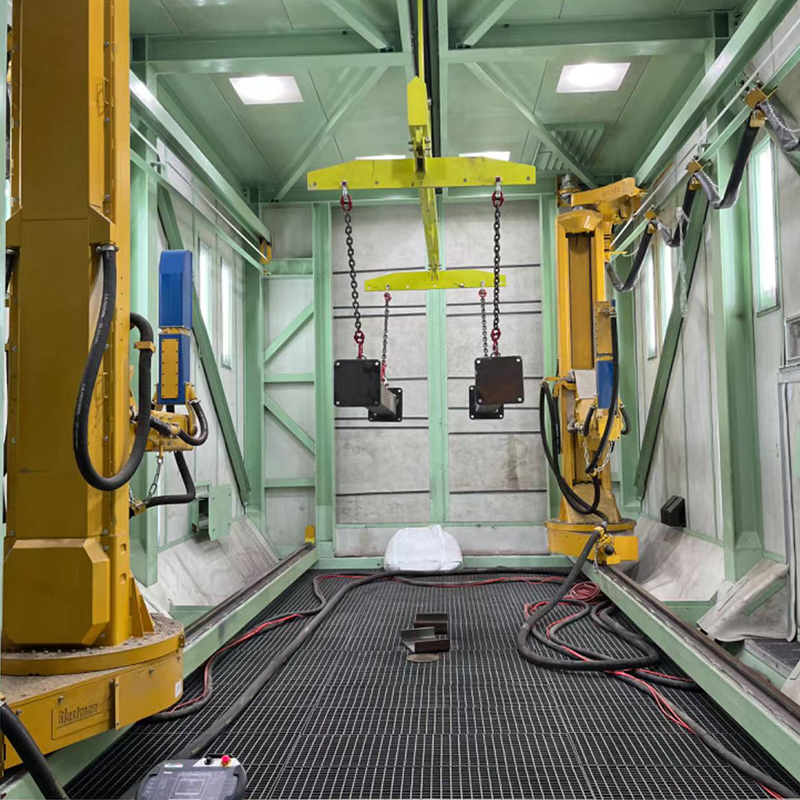
Professional coating line specially designed for large castings and heavy truck parts, applicable to various large castings (engineering castings, mining equipment castings, industrial castings) and h...
See Details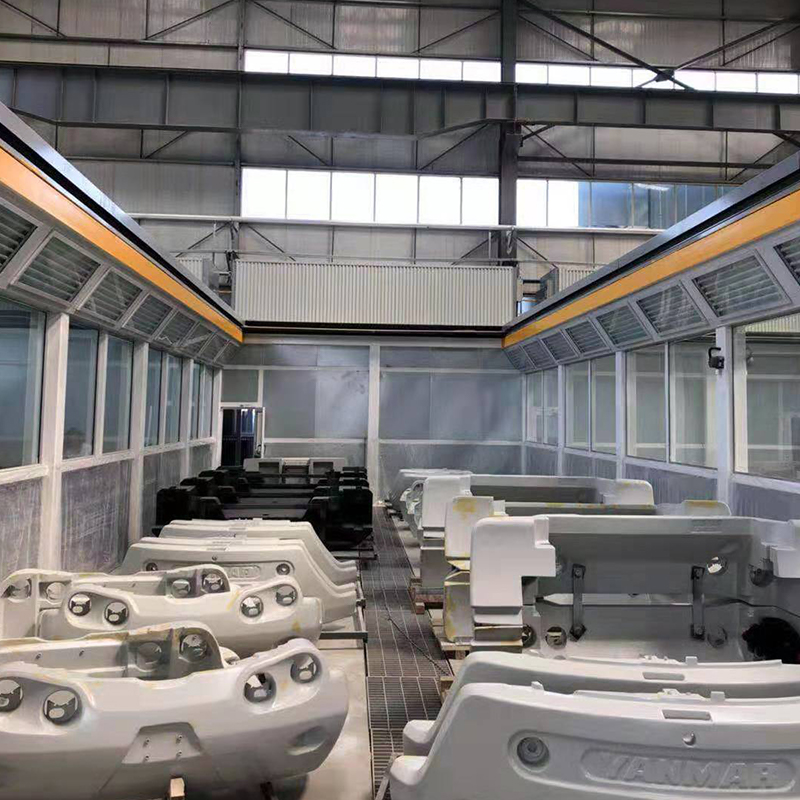
Professional spray coating line specially designed for car wheel manufacturing and refurbishment, applicable to various car wheel types (steel wheel, aluminum alloy wheel, forged wheel, cast wheel, pa...
See Details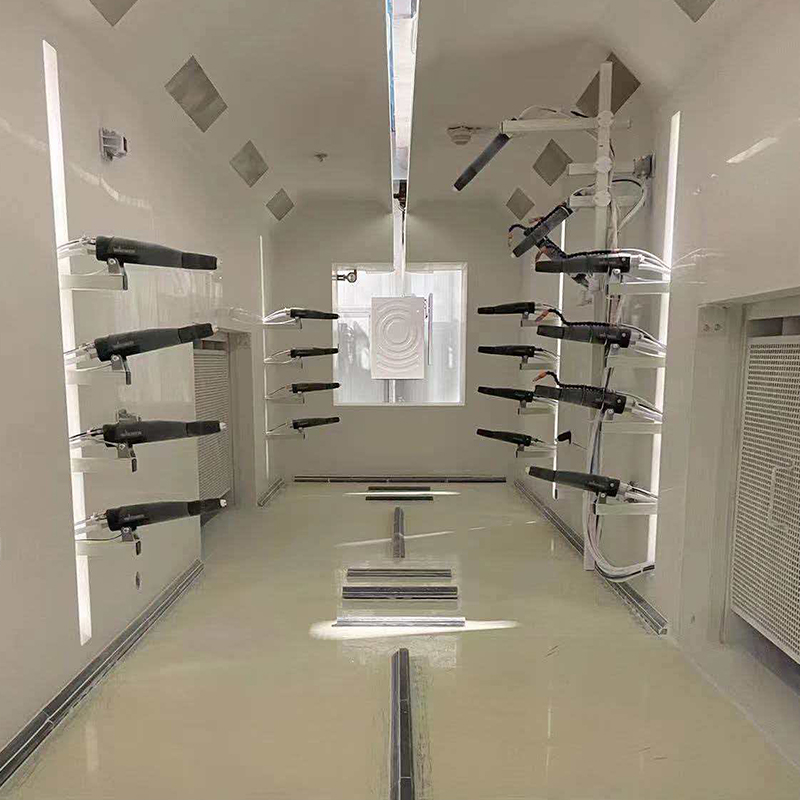
Widely used in metal workpieces such as hardware, auto parts, engineering machinery, metal furniture, art manhole covers, municipal facilities, and precision components, suitable for mass and standard...
See Details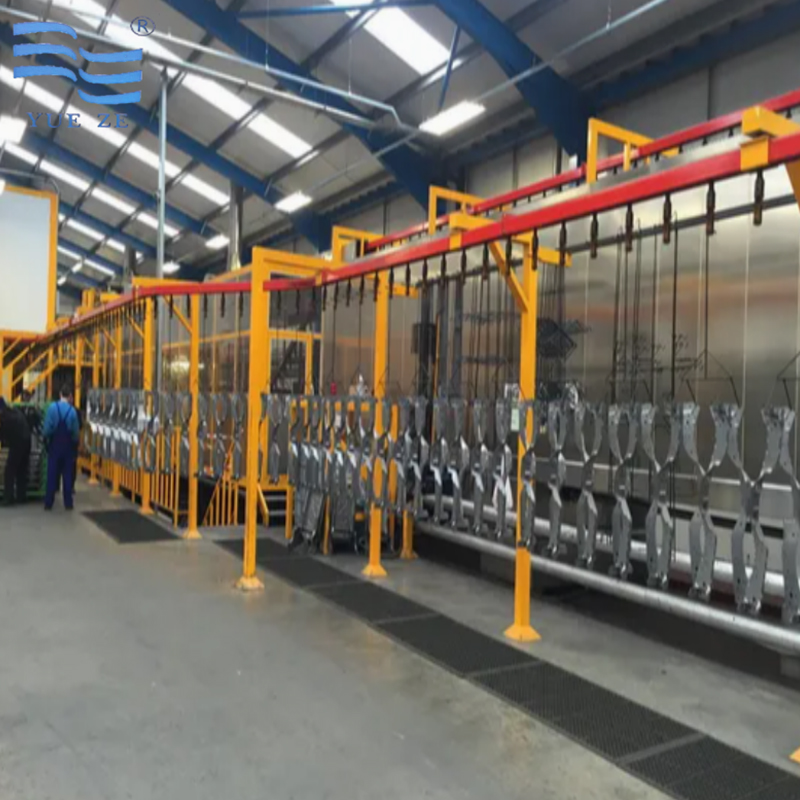
An electrophoretic coating line is a complete automatic surface treatment system. Through electrophoretic deposition, a uniform, dense, and anti-corrosion coating is formed on the metal surface. The w...
See Details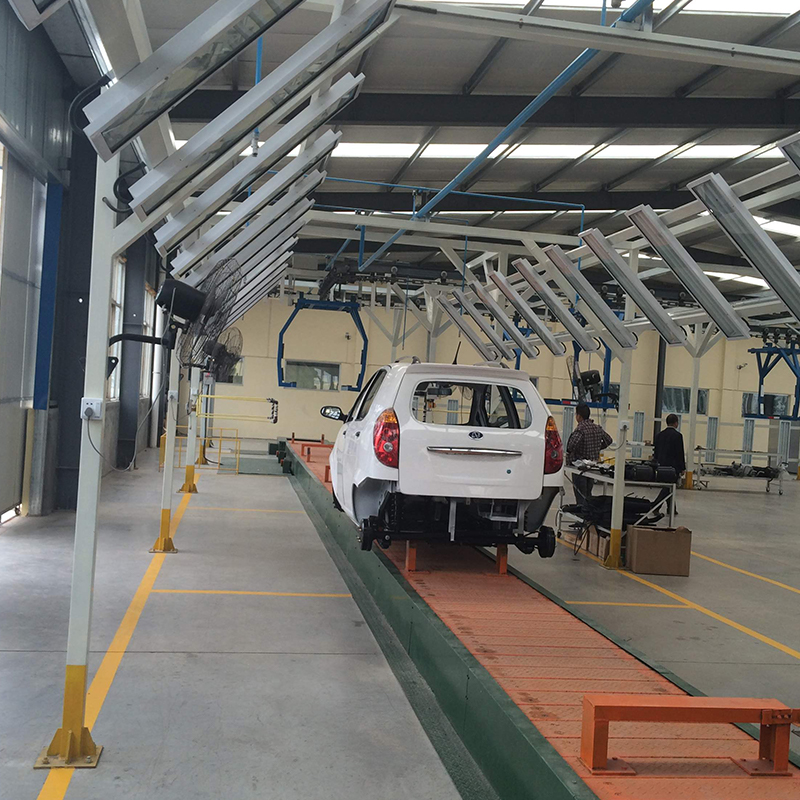
Professional electrophoresis coating line specially designed for electric vehicles (EVs), applicable to various EV types (passenger EV, commercial EV, new energy logistics vehicle) and EV components. ...
See Details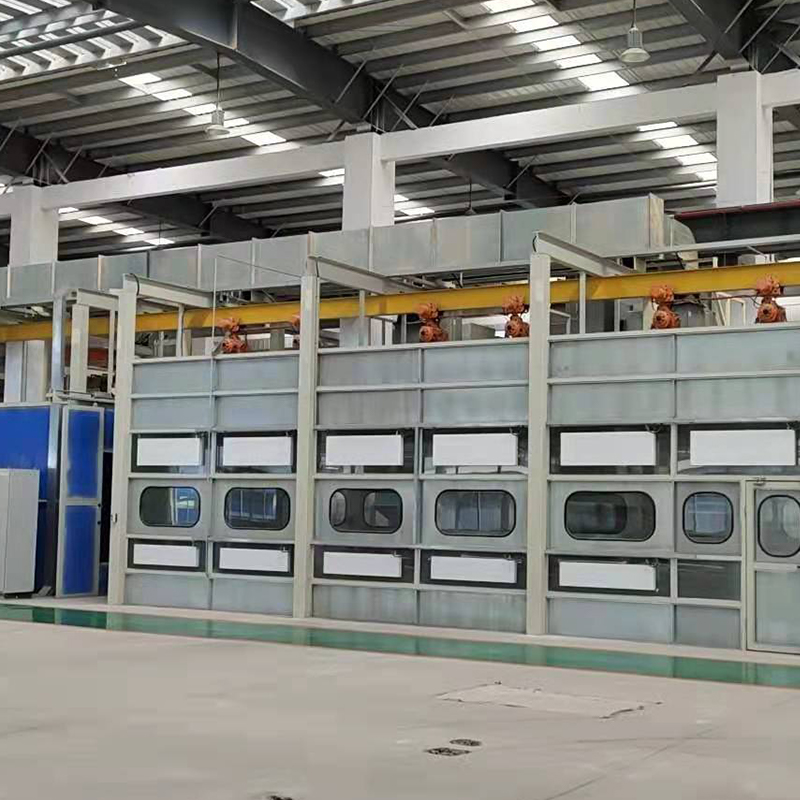
Professional spray coating line designed for engine manufacturing and maintenance, applicable to various engine types (gasoline engine, diesel engine, electric vehicle engine). Main types: engine bloc...
See DetailsBuild Your Customized Industrial Coating System
Send us your workpiece information, production capacity, coating process, workshop layout, and environmental requirements. Yueze will help evaluate your project and develop a suitable coating, conveying, drying, and environmental treatment solution.
Main menu
Products
Contact Us
Company Address:
No. 12, Park Avenue, Shanggang Industrial Park, Jianhu, Yancheng City, Jiangsu Province
Message Us Right Now!

Follow us: