What Is an Engine Spray Coating Line
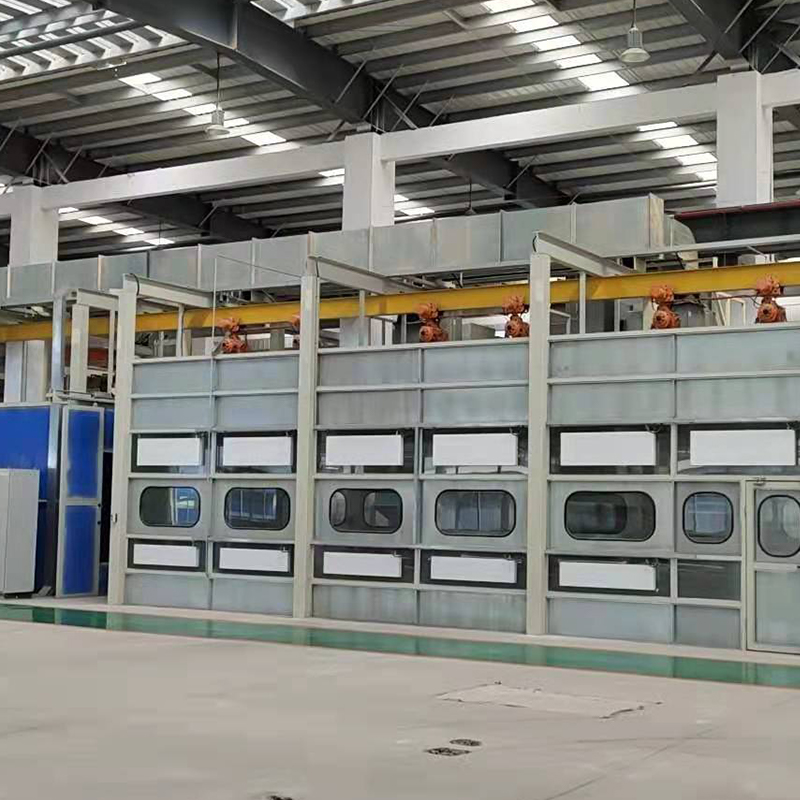
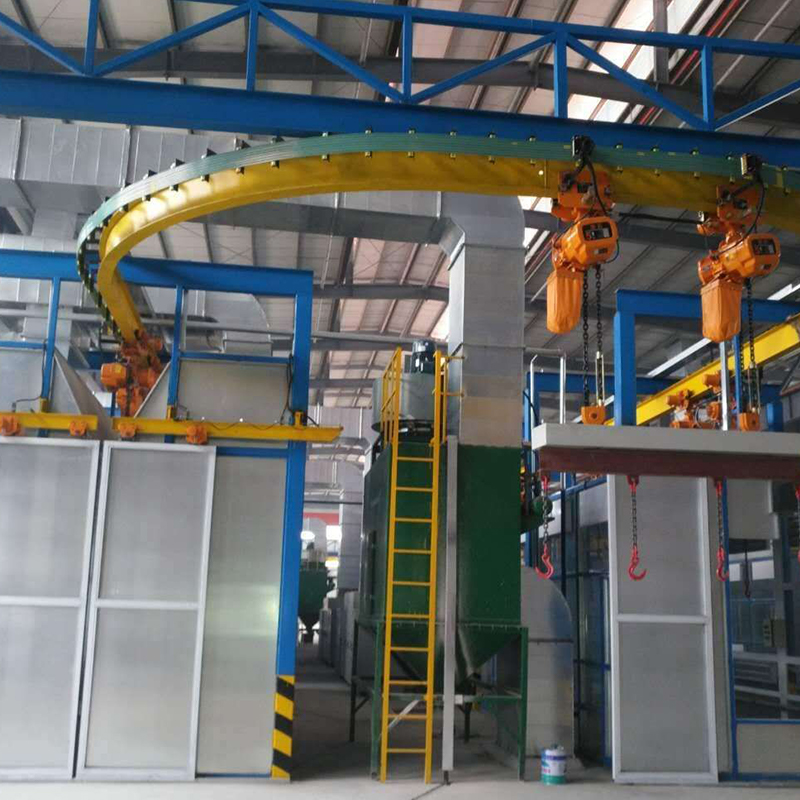
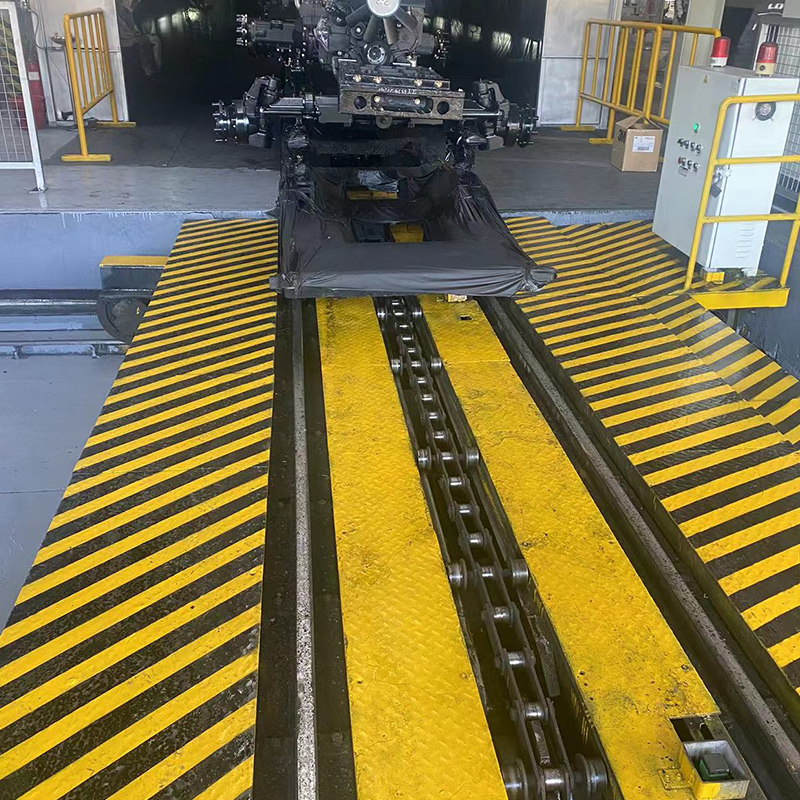
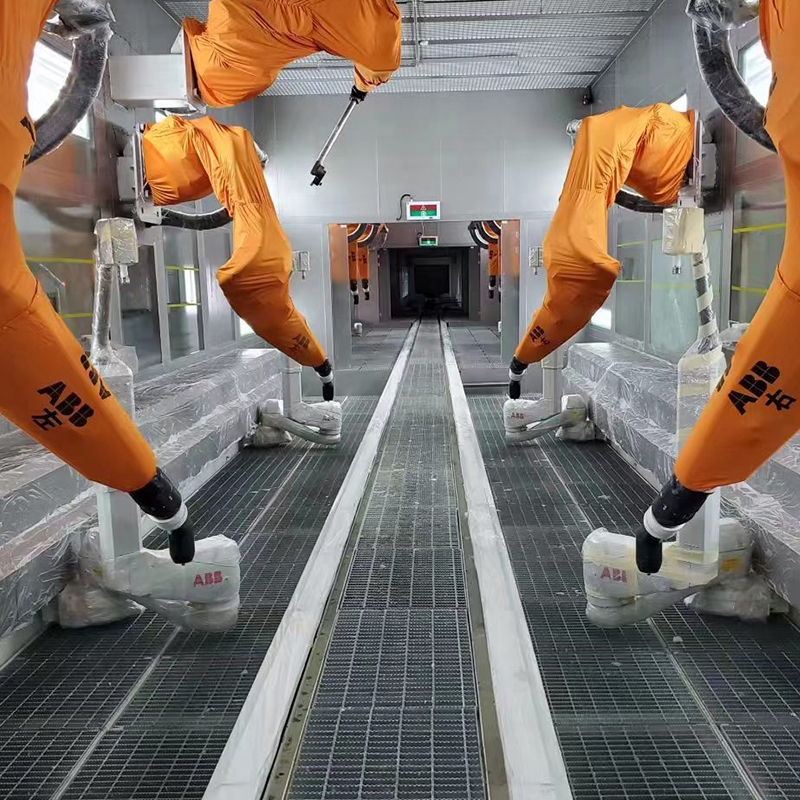
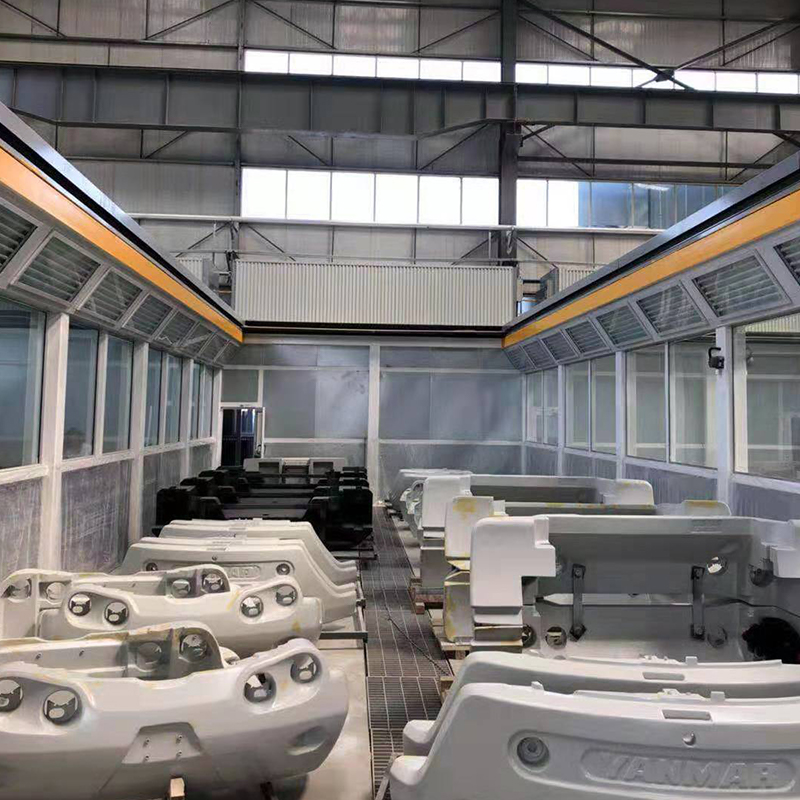
An Engine Spray Coating Line is a dedicated production system for applying protective and decorative coatings onto engine blocks, cylinder heads, valve covers, and other powertrain components. Unlike general body-panel painting, engine coating has to account for complex external geometry such as cooling fins, bolt bosses, and mounting flanges, plus operating conditions that include sustained high heat, oil exposure, and vibration.
Because these parts are cast from aluminum or iron and often machined on select surfaces after coating, the line also needs to protect finished machined areas from overspray during the process.
Coating engine components on a purpose-built line rather than a general spray booth addresses several specific performance requirements.
Table 1: Requirements addressed by a dedicated engine spray coating line
| Requirement |
Why It Matters |
| Heat-resistant coating materials |
Engine surfaces routinely reach high operating temperatures without failing or discoloring |
| Oil and chemical resistance |
Coating must resist degradation from engine oil, coolant, and cleaning solvents |
| Masking of machined surfaces |
Protects bolt holes, gasket faces, and sealing surfaces from overspray |
| Consistent fin and cavity coverage |
Even coating on cooling fins supports both appearance and heat dissipation |
How the Engine Coating Process Works
Engine components typically move through several distinct stages before a finished, cured coating is achieved.
Standard Process Sequence
- Castings are cleaned and degreased to remove machining oil and casting residue
- Machined surfaces, threads, and gasket faces are masked to keep them coating-free
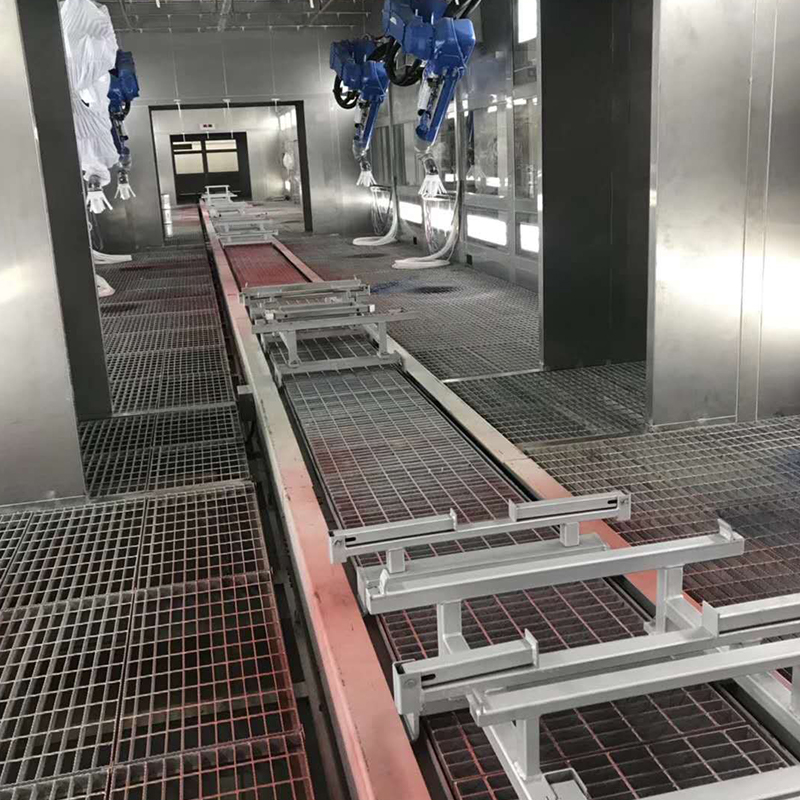
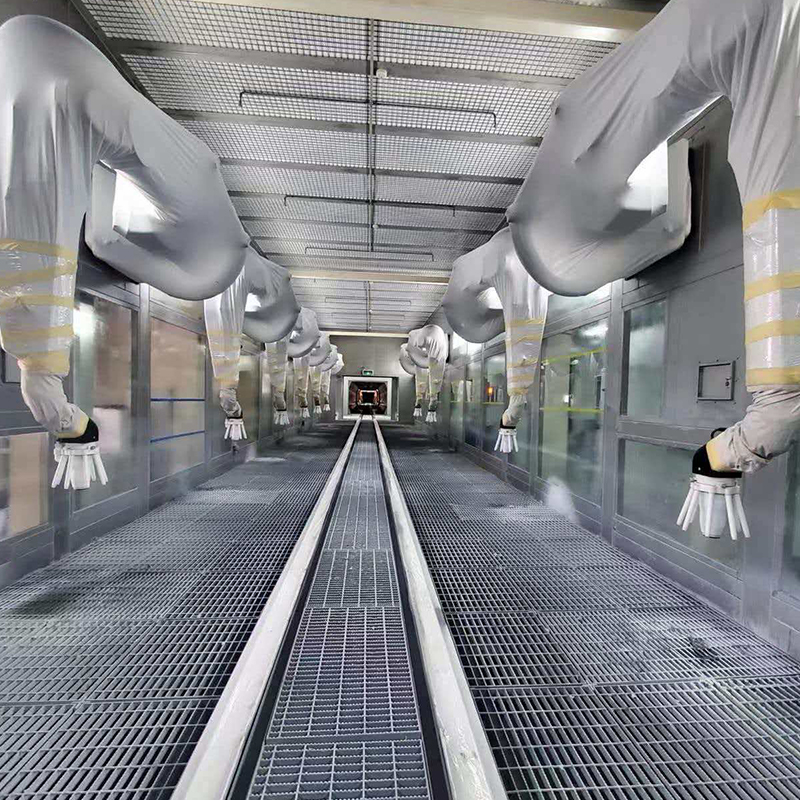
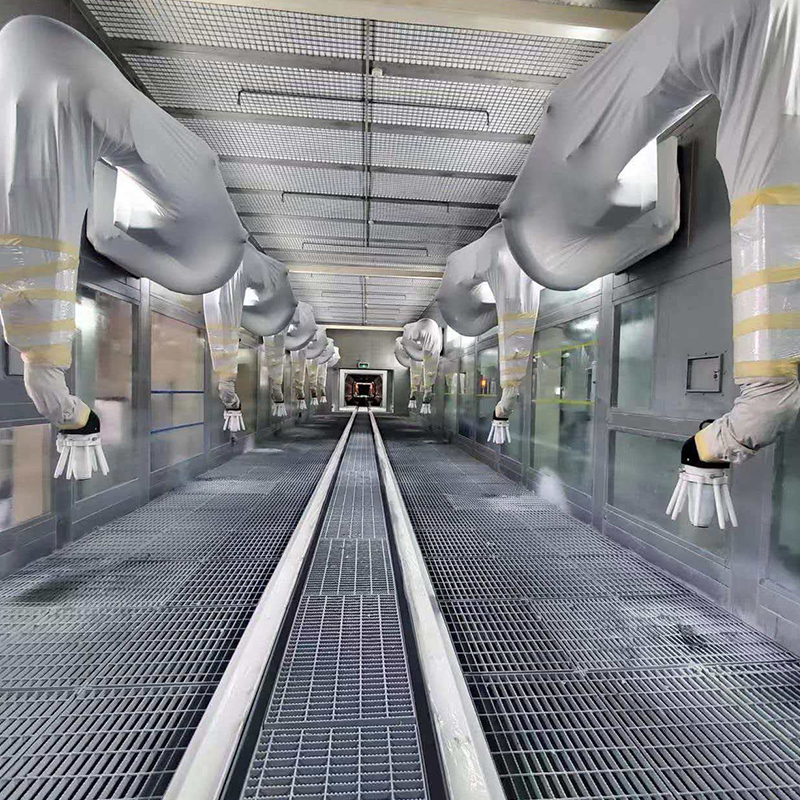
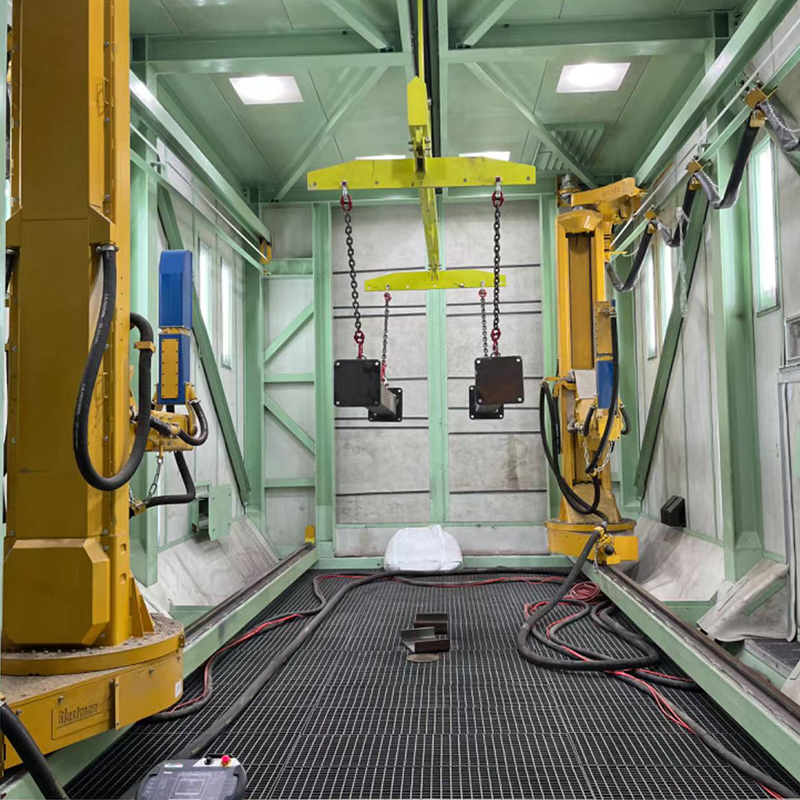
- Heat-resistant paint is applied using automated or semi-automated spray guns for even fin coverage
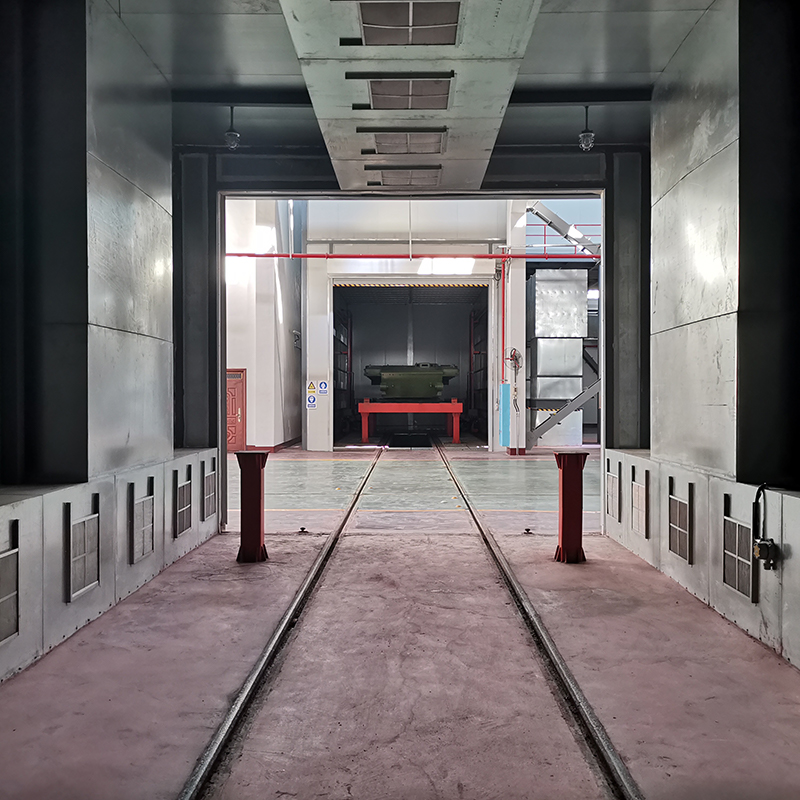
- Parts are cured in a bake oven at a temperature matched to the coating specification
- Masking is removed and finished parts move to quality inspection
Automated spray guns are commonly used on the fin and cylinder sections because manual spraying struggles to maintain consistent film thickness across repeated ridges and recesses on every unit.
Matching Coating Type to Engine Component
Not every engine part needs the same coating formulation. Selecting the right combination helps balance appearance, durability, and cost.
- Cylinder blocks and heads: high-temperature enamel or ceramic-based coatings for direct heat exposure
- Valve covers and intake manifolds: decorative powder or wet coatings with moderate heat resistance
- Brackets and housings: standard corrosion-resistant primer and top coat
Manufacturing Scale Behind the Equipment
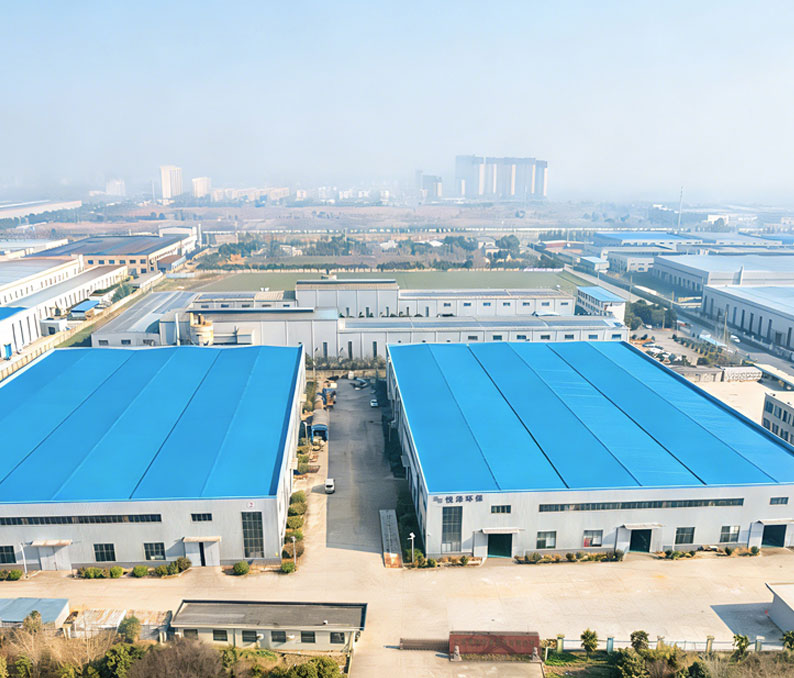
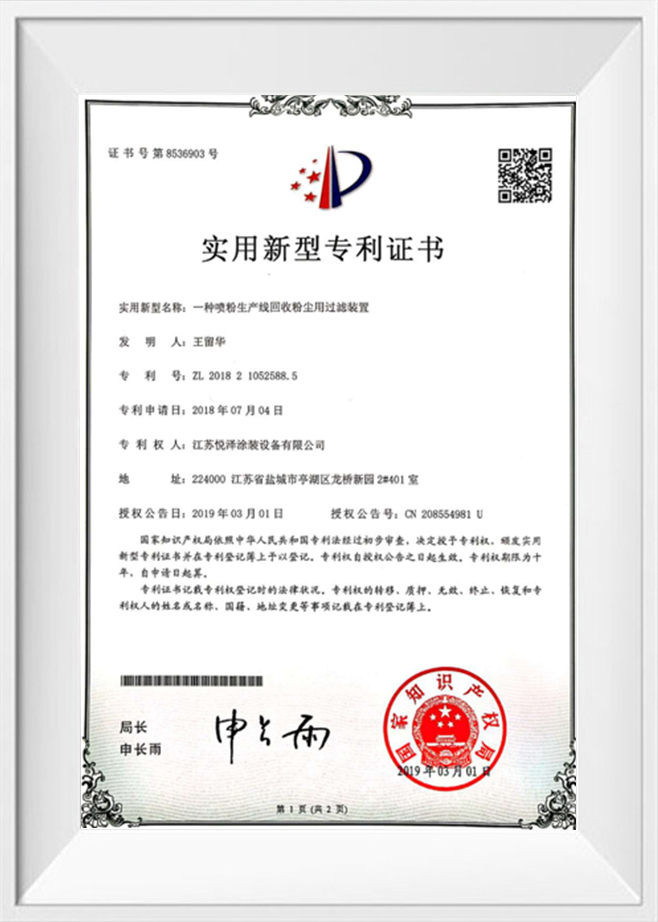
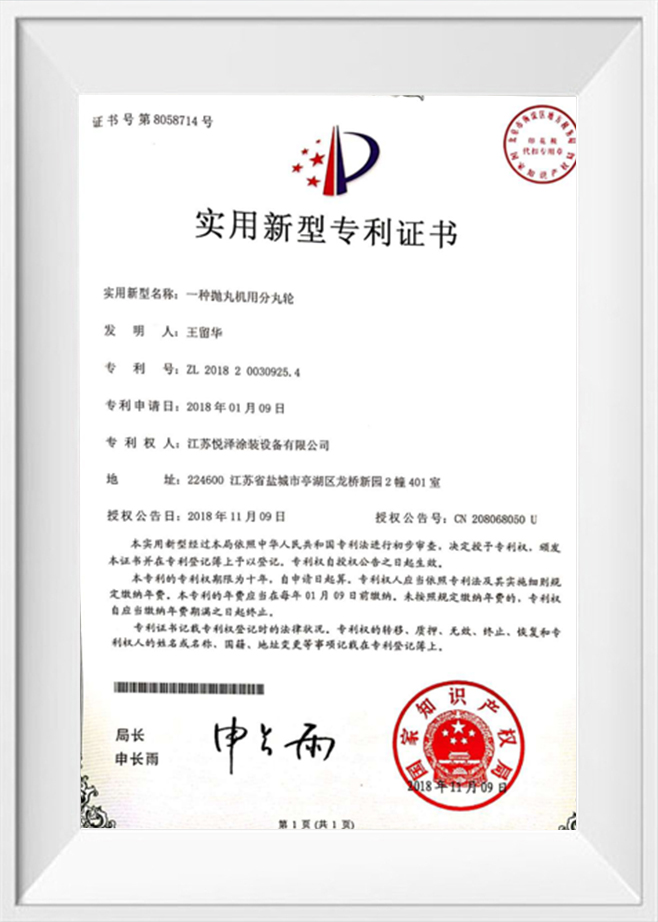
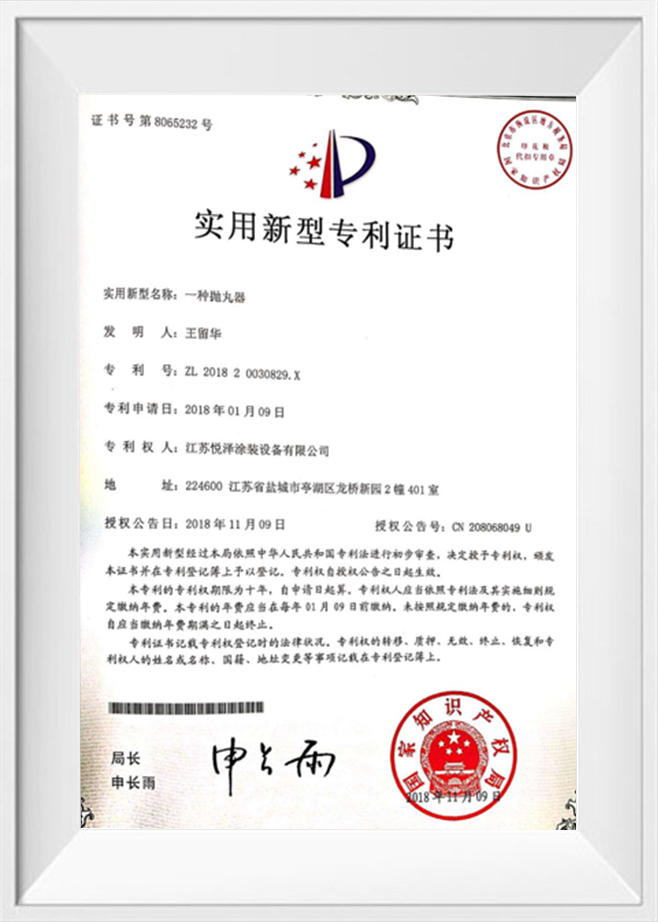
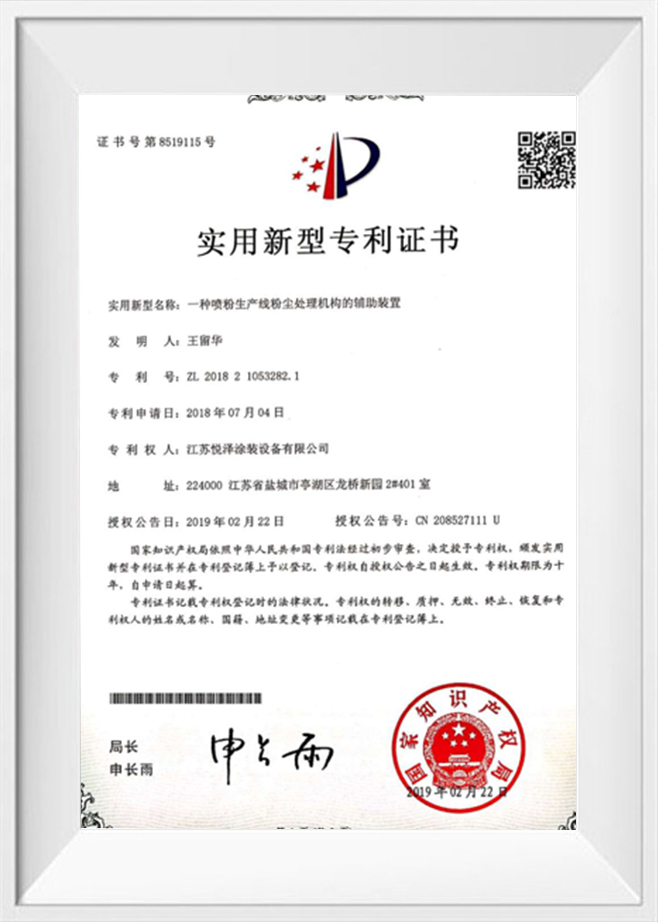
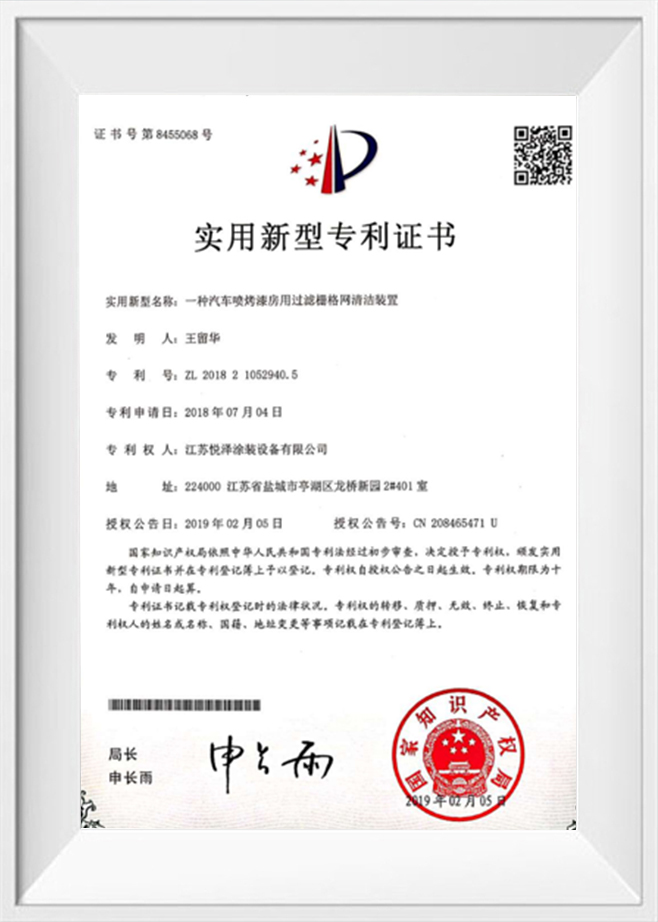
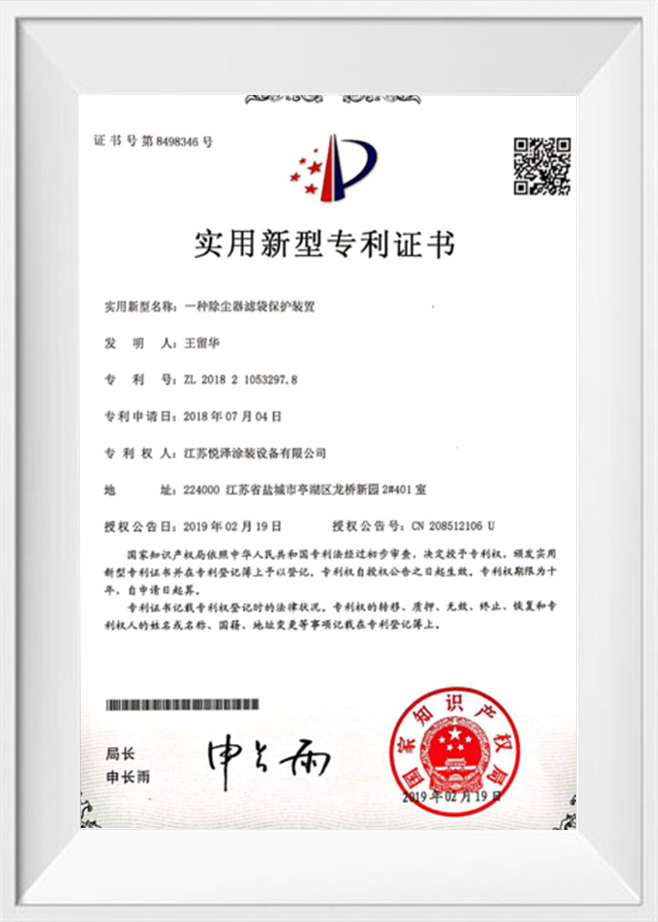
Jiangsu Yue Ze Environmental Protection Equipment Co., Ltd., located in Yancheng, Jiangsu, China, operates a facility spanning 35,000 square meters with a registered capital of 58 million yuan, and reports more than 40 years of combined experience across powder coating lines, paint and bake booths, and large-sized parts grinding rooms. Machines are custom-built to meet challenging machining requirements, with projects completed across multiple provinces and export markets.
Frequently Asked Questions
Q1: Why can't engine parts use the same paint as body panels?
Body panel paint is not designed for sustained high heat or constant oil exposure, so it can crack, discolor, or lose adhesion when applied to engine surfaces.
Q2: Why is masking such an important step in engine coating?
Coating on gasket faces, bolt holes, or sealing surfaces can cause leaks or assembly problems, so these areas are masked before spraying and unmasked after curing.
Q3: Does an engine spray coating line need a separate curing oven?
Yes, in most cases. High-temperature coatings typically require a controlled bake cycle to fully cure, which is different from the drying stage used for general body-panel paint.
Q4: What should buyers confirm before ordering an engine coating line?
Buyers should confirm the target coating type and its curing temperature range, the range of part sizes the line needs to support, and whether automated spray coverage is included for fin and cylinder areas.


 русский
 عربى
عربى
 Tiếng Việt