русский
 عربى
عربى
 Tiếng Việt

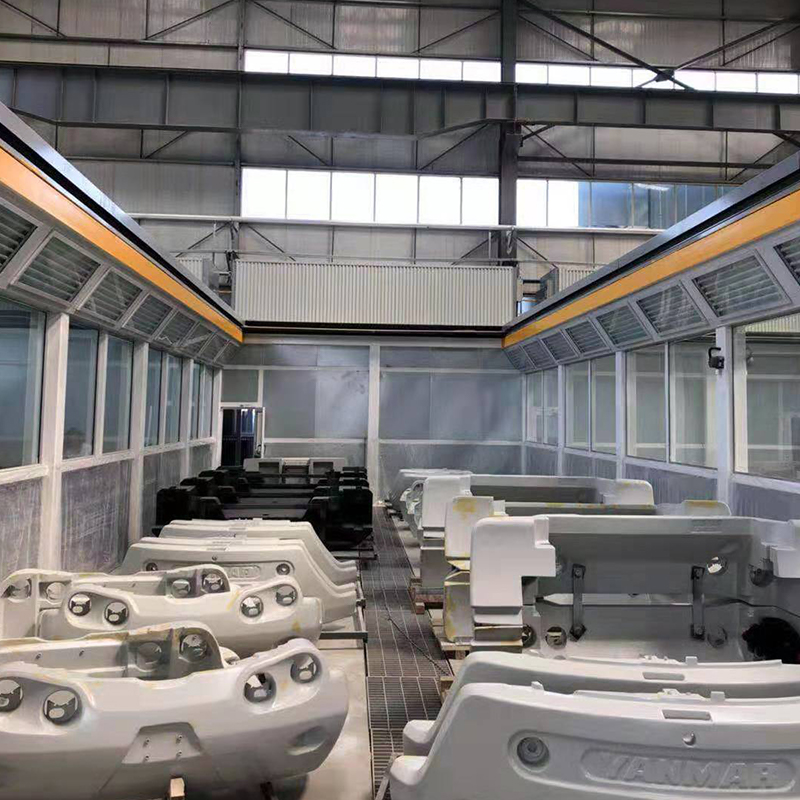
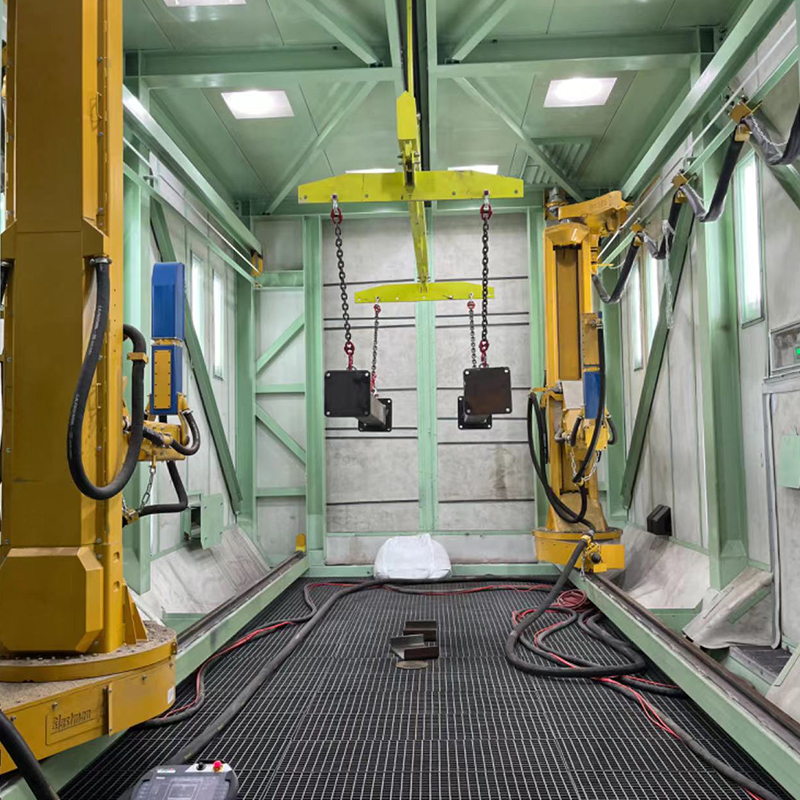
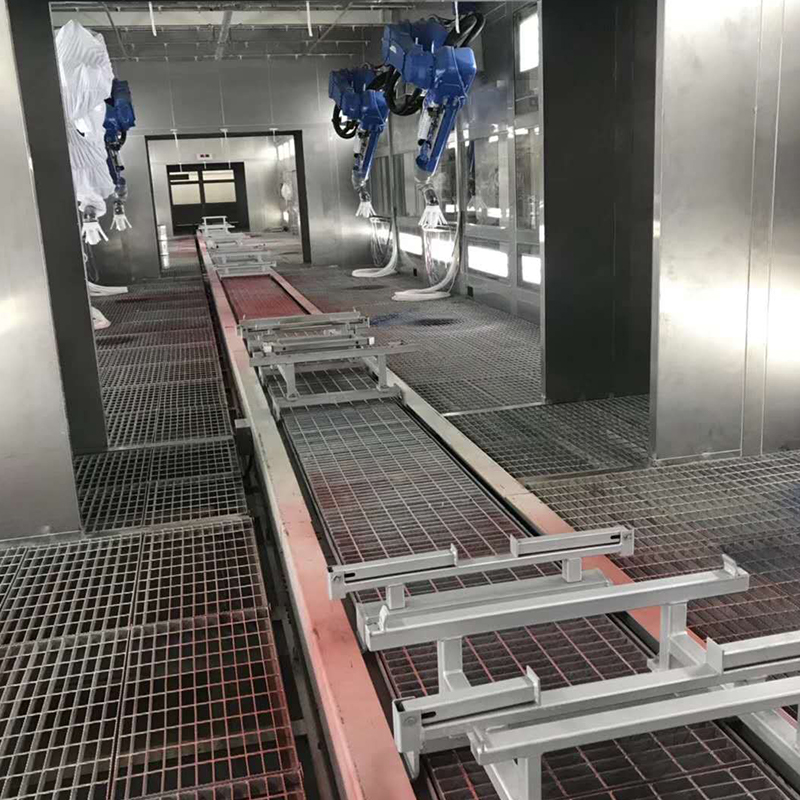
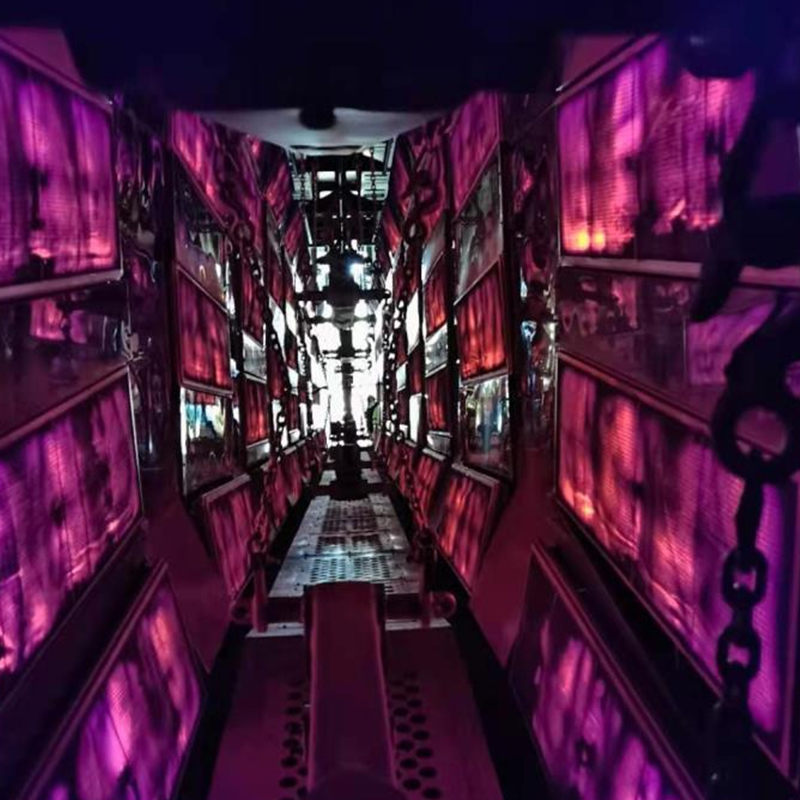
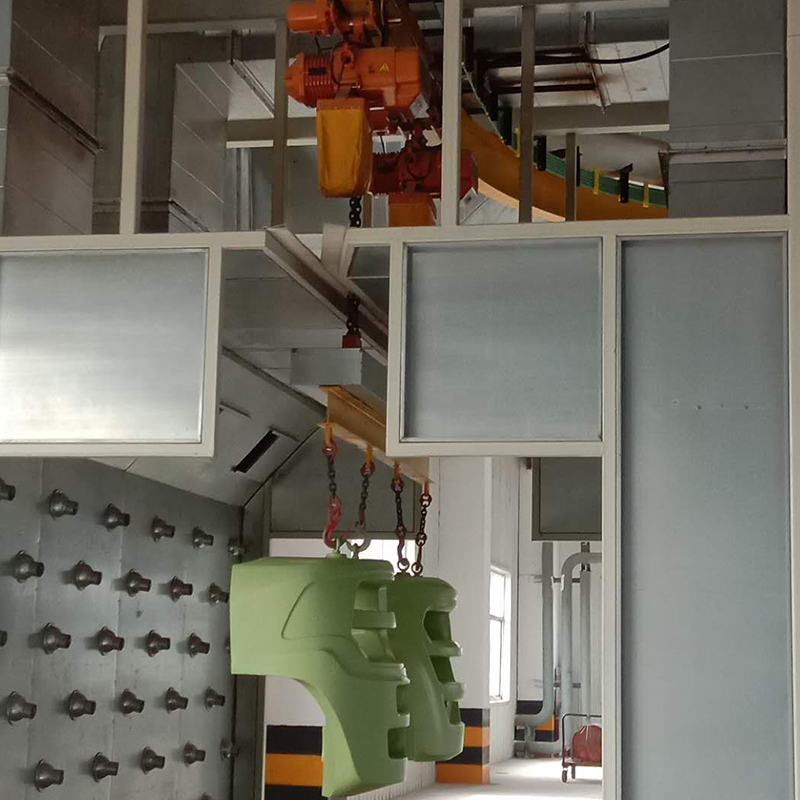
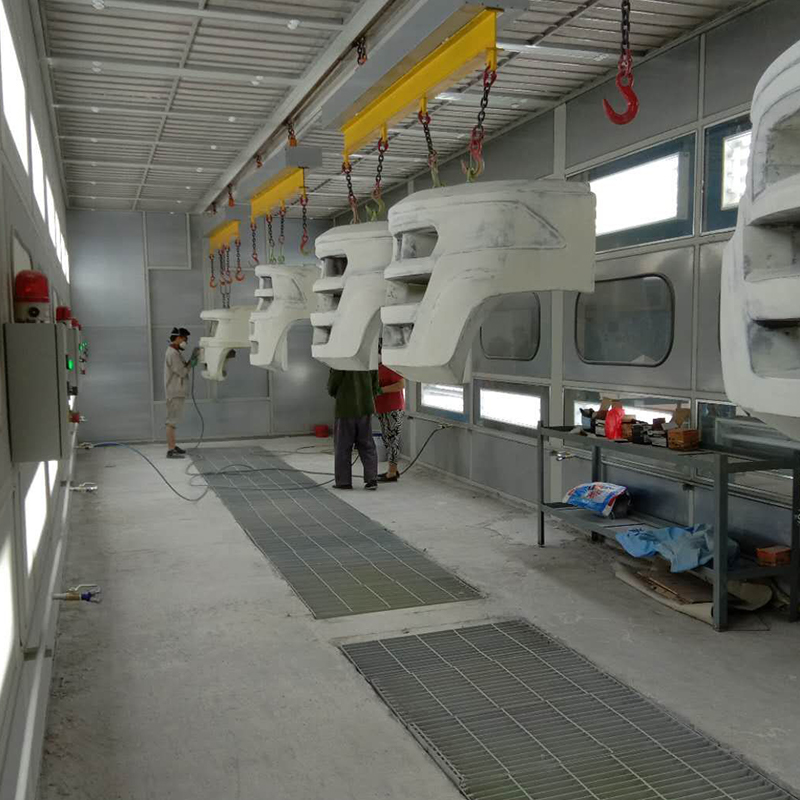
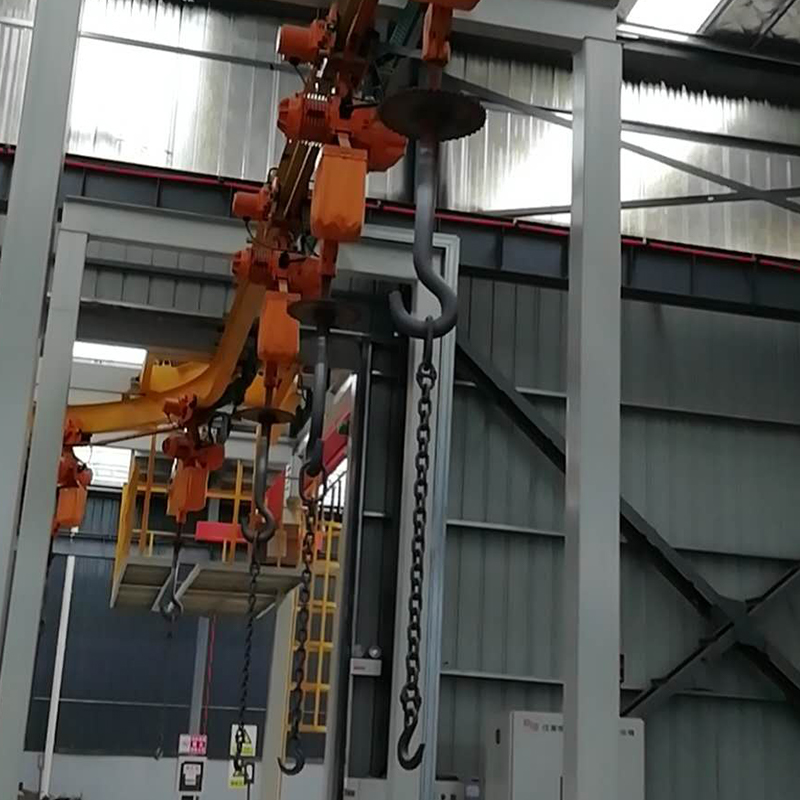
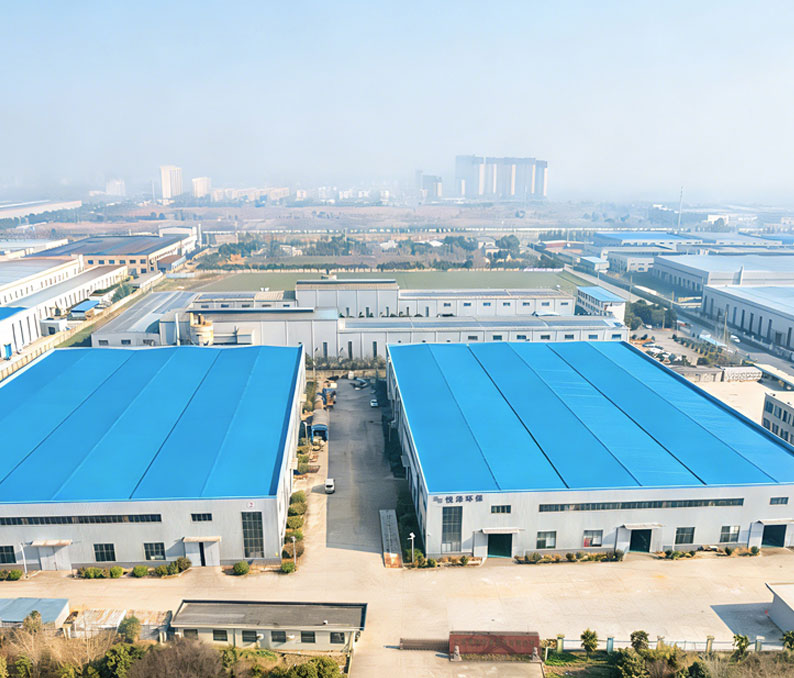
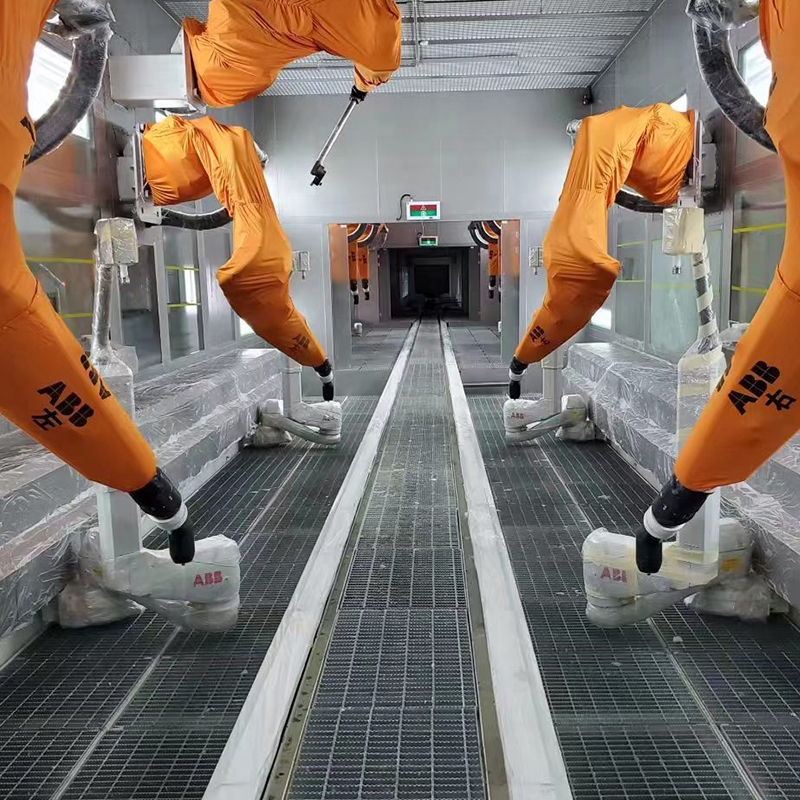
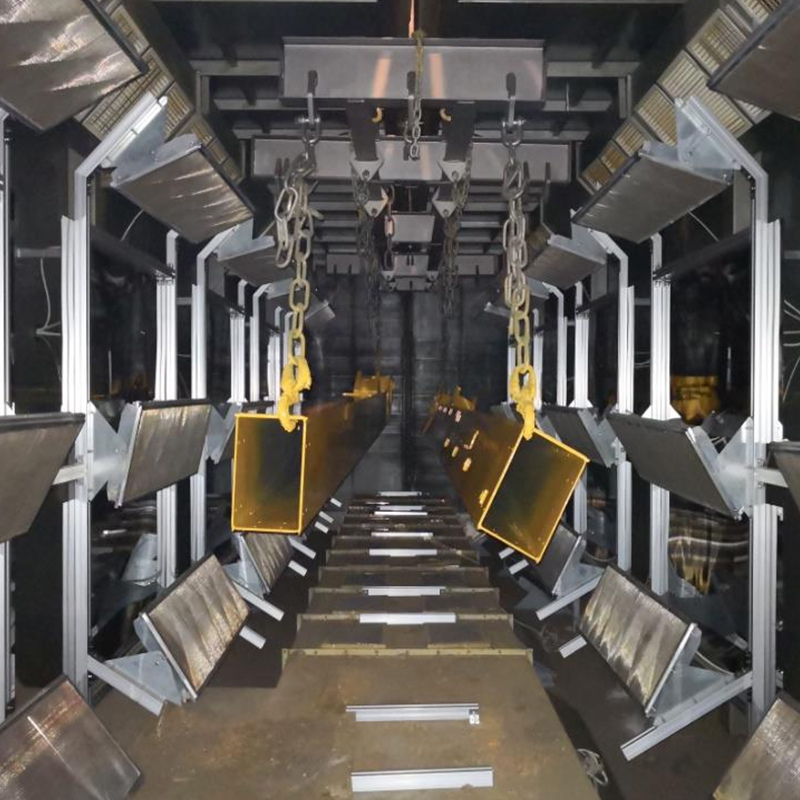
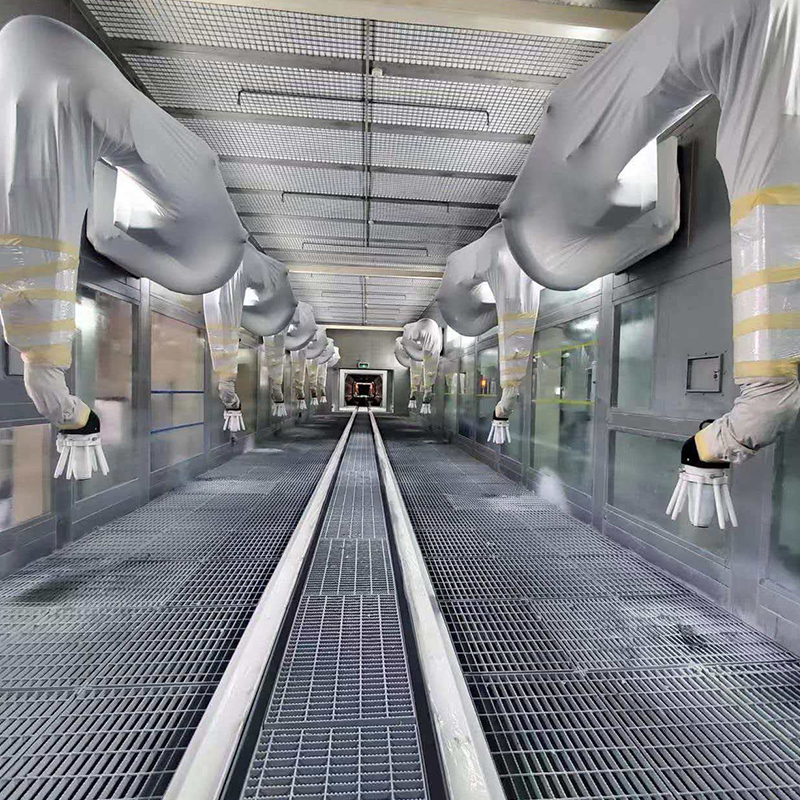
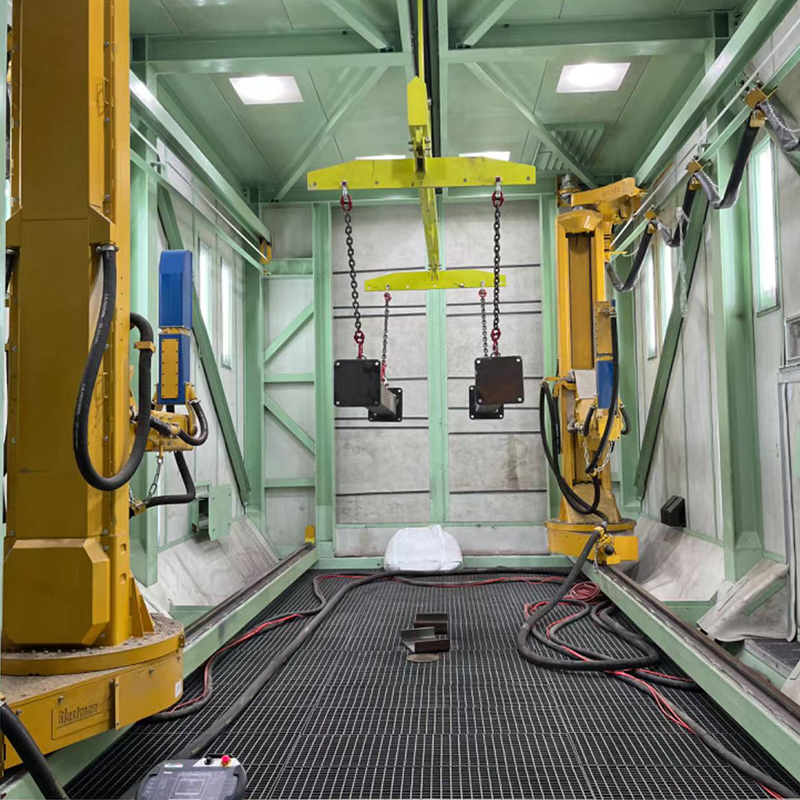
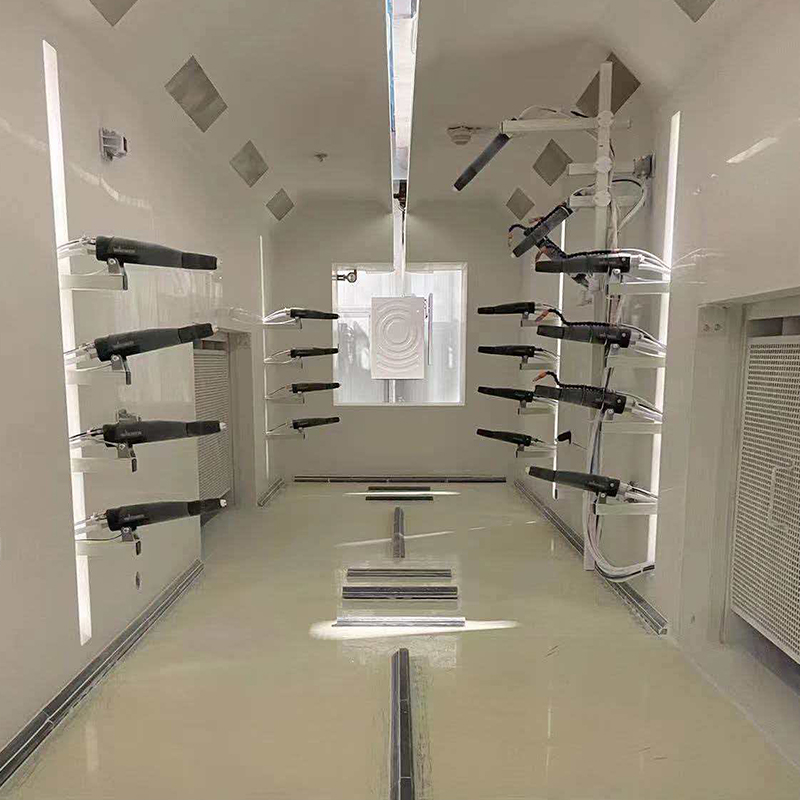
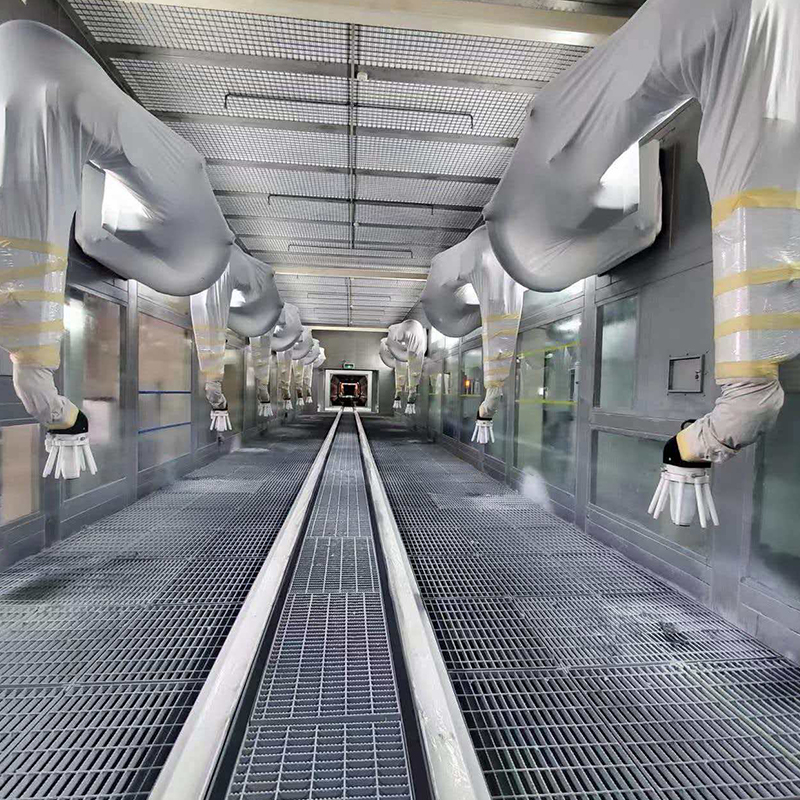
As Coating Line For Small Components Manufacturer and Coating Line For Small Components factory, Jiangsu Yue Ze Environmental Protection Equipment Co., Ltd. located in Yanchen, Jiangsu, China, spanning 35, 000 square meters with a registered capital of 58 million yuan, more than 40 years of experience in powder coating Line; electric car assembly line; drawer type bus production line; automative counterweight spray line; automotive body spray bake paint booth;large-sized parts grinding room; paint and bake booth; waste gas treatment equipment; new high infrared radiation drying series; Counterweight block logistics automated conveying series; and so on.
In 2014, we were the very first factory to create a hanging automatic painting process line for casting counterweight blocks, including a complete set of designs from the finishing and polishing of castings to the primer + top paint line of castings. The products cover different painting processes for large, medium, and small parts. The projects are spread across various provinces in the country and many countries. There are many significant achievements and rich experience in the industry. We have the perfect facilities to deliver the quality ensured equipment to our global customer network. Most of our machines are specially customized to meet customers' challenging machining requirements. Our development and design capabilities allow us to respond quickly and effectively to meet the client's requirements. Our development and design capabilities allow us to respond quickly and effectively to meet the client's requirements.
We are expecting your visit and cooperation!
Professional spray coating line specially designed for car wheel manufacturing and refurbishment, applicable to various car wheel types (steel wheel, aluminum alloy wheel, forged wheel, cast wheel, passenger car wheel, commercial vehicle wheel). Main types: full-automatic car wheel spray coating line, car wheel anti-corrosion painting line, wheel surface finishing line, integrated pre-treatment + spray coating + curing line, and customized wheel painting production line.