
 русский
 عربى
عربى
 Tiếng Việt
Waste Gas Treatment Equipment, electric-driven with stable power output, mainly composed of a gas collection hood, purification filter, fan, control system, and waste gas discharge device. It adopts o...
See Details
Yueze Environmental Protection provides one-stop compliant industrial surface treatment solutions with professional tech and fine craftsmanship.
 Get Inquiries
2026-07-02
Content
A solid waste incinerator is an industrial furnace that burns solid waste at high temperature to reduce its volume, destroy hazardous and pathogenic content, and convert combustible material into ash, flue gas, and in some systems, recoverable heat energy. It is used by manufacturing facilities, hospitals, and municipal waste operations to dispose of waste that cannot be safely landfilled, composted, or recycled in its original form.
The sections below explain how a solid waste incineration furnace works, what types are available, what materials it can and cannot process, and what factors determine whether an incinerator is the right disposal solution for a given facility.
A solid waste incinerator processes waste through three sequential stages inside the combustion chamber: drying, combustion, and ash cooling. Waste is fed into the chamber, where residual moisture evaporates as the material heats up. Combustible content then ignites and burns at sustained high temperature, breaking down organic compounds into carbon dioxide, water vapor, and inert ash. The remaining solid residue cools and is discharged for landfill disposal or further processing.
Most industrial incinerators use a two-chamber design. The primary chamber handles initial waste combustion at a lower oxygen level, which controls burn rate and limits particulate carryover. The secondary chamber operates at a higher temperature, often exceeding 850°C, to fully combust unburned gases and volatile organic compounds that escape the primary chamber. This staged combustion approach is what allows incinerators to meet stricter emission standards compared to single-chamber burning.
Combustion gases leaving the secondary chamber still contain particulates, acid gases, and trace heavy metals. Before release to the atmosphere, flue gas typically passes through a cooling section, a dust collection stage such as a cyclone separator or bag filter, and in many systems an acid gas scrubber or activated carbon adsorption unit to capture remaining pollutants. This treatment train is what determines whether the incinerator meets local environmental compliance limits.
Incinerator design varies based on the waste stream it is built to handle. The four configurations below cover the majority of industrial and institutional applications.
| Furnace Type | Combustion Method | Typical Waste Stream |
|---|---|---|
| Moving Grate Incinerator | Continuous mechanical grate movement | Mixed municipal solid waste |
| Rotary Kiln Incinerator | Rotating cylindrical chamber | Industrial and hazardous solid waste |
| Fixed Hearth (Batch) Incinerator | Static chamber, batch loading | Medical waste, animal carcasses |
| Fluidized Bed Incinerator | Suspended bed of heated particles | Sewage sludge, fine industrial residue |
Fixed hearth, batch-loaded incinerators are the most common choice for smaller-scale operations such as factories and clinics, because they require less continuous feed infrastructure and are simpler to operate and maintain than continuous-feed systems designed for municipal-scale throughput.
Incinerators are effective for combustible waste but are not a universal disposal solution. Understanding what a furnace can safely process prevents equipment damage and uncontrolled emissions.
Materials containing heavy metals, certain chlorinated plastics, batteries, and pressurized containers require pre-sorting before incineration, since burning them releases toxic compounds or creates explosion risk. Pyrolysis at low oxygen levels and incomplete combustion are both known to increase the formation of dioxins, which is why furnace temperature and residence time inside the secondary chamber must be tightly controlled rather than left to vary with feed composition.
Incineration is not always the cheapest disposal route, but it offers advantages that landfilling and untreated storage cannot match for specific waste types.
Choosing the correct furnace size and configuration prevents both under-capacity bottlenecks and unnecessary capital expense. The following specifications should be confirmed before purchase.
Capacity is rated in kilograms or tonnes of waste processed per hour or per batch cycle. Facilities should size capacity against actual daily waste generation volume plus a margin for seasonal or operational fluctuation, rather than against average daily output alone.
Secondary chamber temperature and the duration gases remain at that temperature directly affect how completely organic pollutants are destroyed. Facilities processing medical or hazardous waste typically require higher minimum secondary chamber temperatures and longer residence times than those processing general industrial solid waste.
The combustion chamber interior is lined with refractory casting material designed to withstand repeated thermal cycling without cracking. Lining quality directly affects furnace service life and the frequency of maintenance shutdowns, so this should be specified clearly with the equipment supplier rather than assumed from a standard model.
The incinerator must be paired with a flue gas treatment system rated for the specific pollutant load of the intended waste stream. A furnace that meets combustion performance targets but lacks adequate downstream gas treatment will not meet regulatory air quality standards regardless of how well the burn itself is controlled.
| Sector | Primary Waste Stream | Reason for Incineration |
|---|---|---|
| Manufacturing & Surface Treatment | Paint sludge, filter residue, packaging waste | Compliant disposal of process byproducts |
| Healthcare Facilities | Medical waste, biohazard materials | Pathogen destruction, regulatory requirement |
| Agriculture & Livestock | Animal carcasses, organic byproducts | Disease control, sanitary disposal |
| Municipal Waste Management | Mixed household solid waste | Volume reduction, landfill capacity preservation |
In manufacturing environments that already operate surface treatment lines, an on-site incineration furnace is frequently paired with flue gas purification equipment so that process waste — such as filter media and sludge generated by coating operations — can be disposed of without transporting hazardous residue off-site for separate treatment.
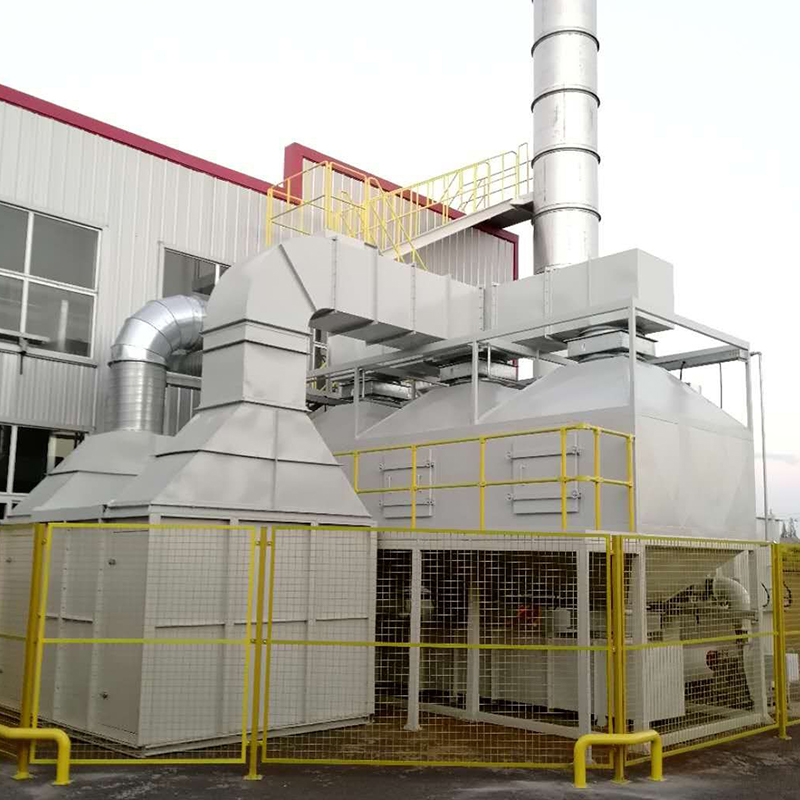
Waste Gas Treatment Equipment, electric-driven with stable power output, mainly composed of a gas collection hood, purification filter, fan, control system, and waste gas discharge device. It adopts o...
See Details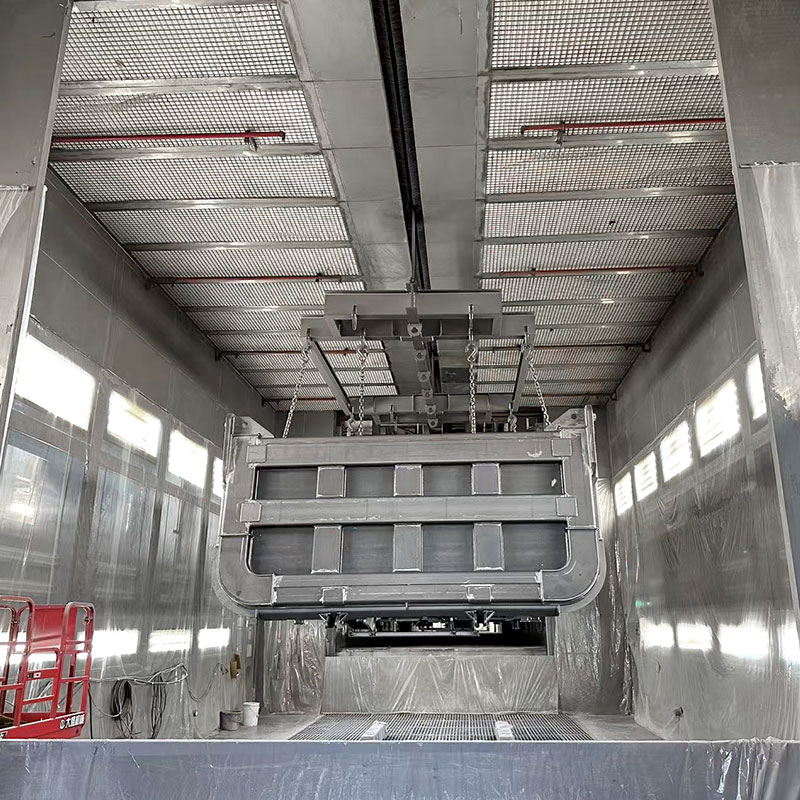
Manual spray booth is a small & economical painting workstation, designed for manual spraying operation. Equipped with efficient paint mist filtration and exhaust system, it ensures clean air and ...
See Details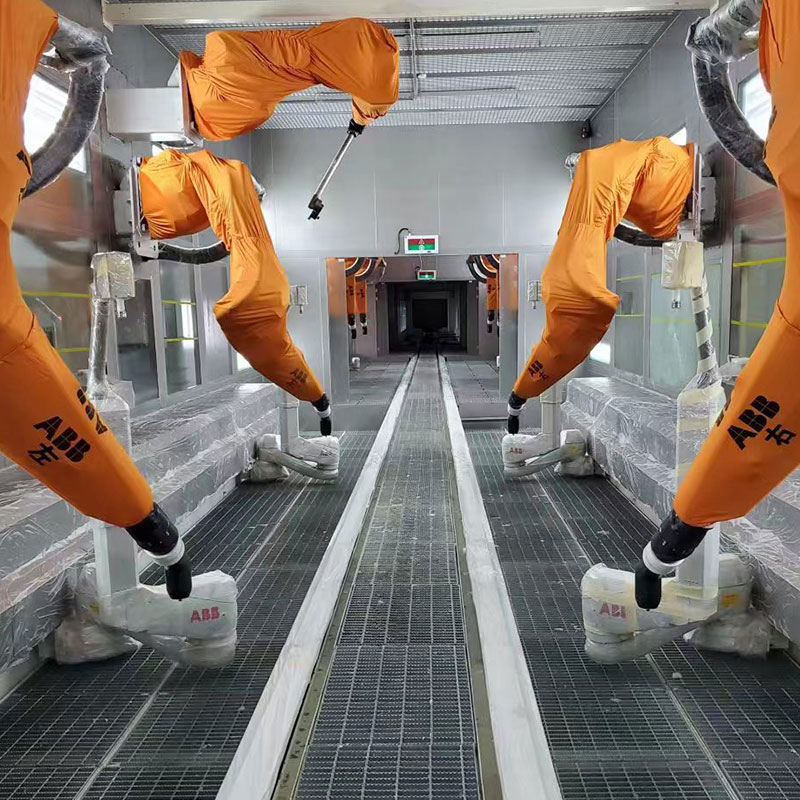
An automatic robotic spray booth is an intelligent, unmanned coating system. Equipped with a robot spraying system, constant temperature air circulation, and a high-efficiency exhaust filtration syste...
See Details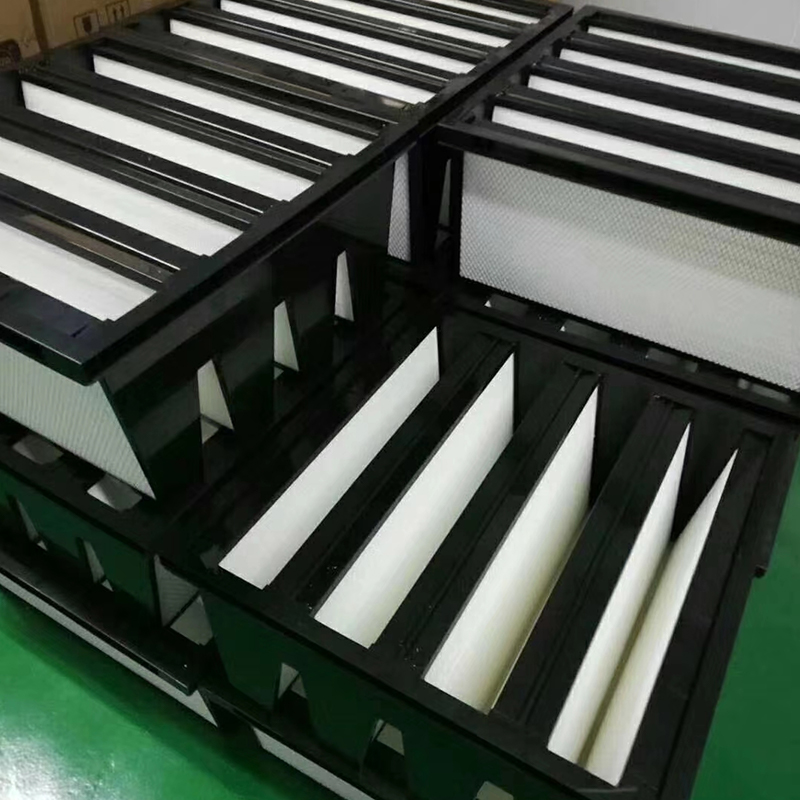
Dry-Type Paint Mist Filter is a core component for paint mist treatment, mainly made of high-quality filter materials (glass fiber, activated carbon, non-woven fabric). It has dense and uniform filter...
See Details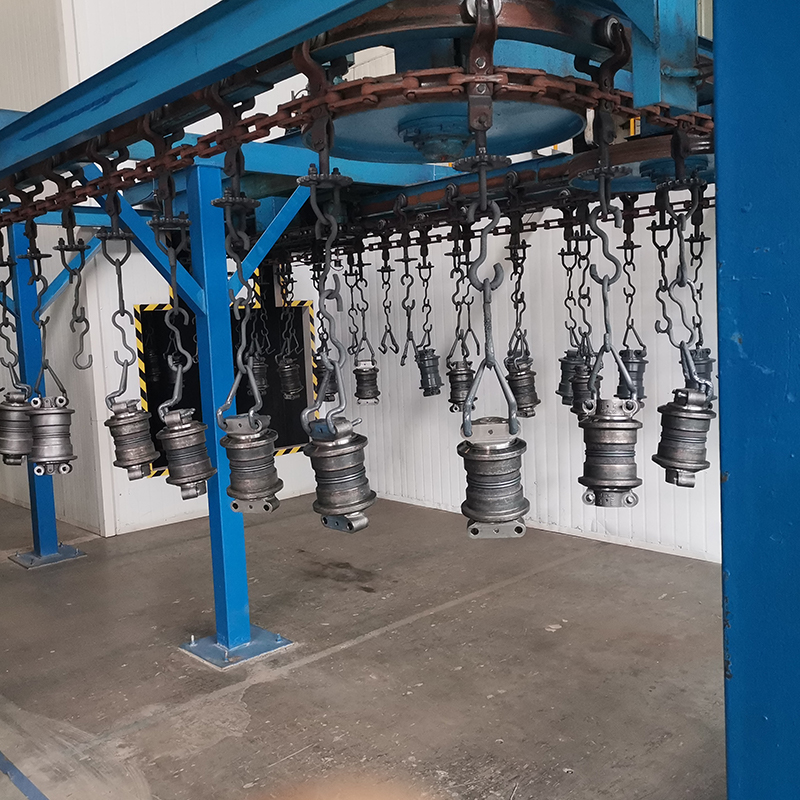
General overhead conveyor system, electric-driven with stable power output, mainly composed of track, hanging carrier, drive device, and intelligent control system. It adopts overhead installation, sa...
See Details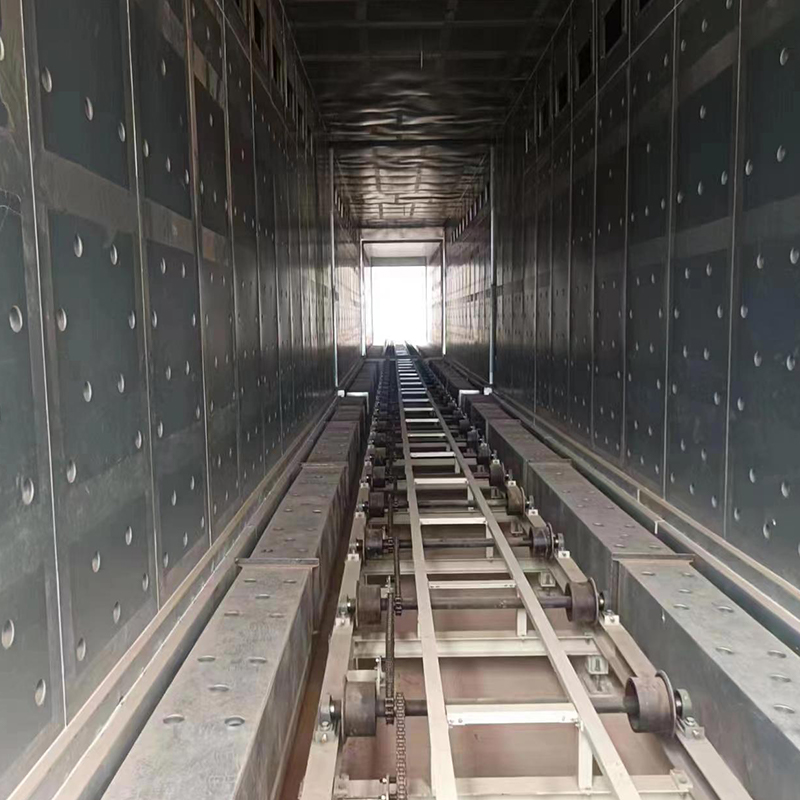
Roller table automation line, electric-driven with stable power output, mainly composed of high-quality steel rollers, drive motor, and intelligent control system. It adopts floor-mounted installation...
See DetailsBuild Your Customized Industrial Coating System
Send us your workpiece information, production capacity, coating process, workshop layout, and environmental requirements. Yueze will help evaluate your project and develop a suitable coating, conveying, drying, and environmental treatment solution.
Main menu
Products
Contact Us
Company Address:
No. 12, Park Avenue, Shanggang Industrial Park, Jianhu, Yancheng City, Jiangsu Province
Message Us Right Now!

Follow us: