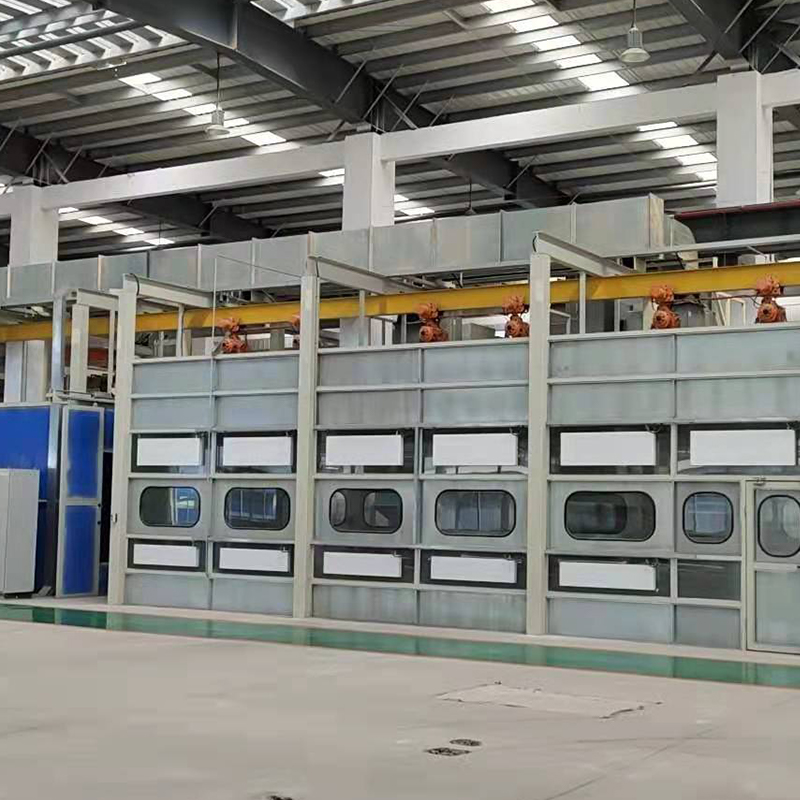
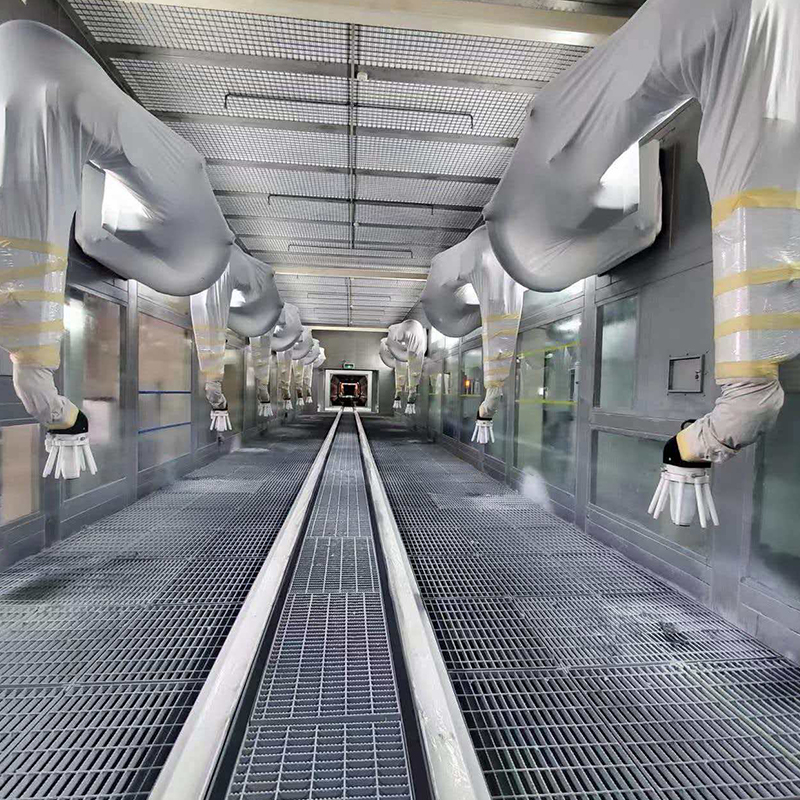
Key Advantages of an Electrophoretic Coating Line
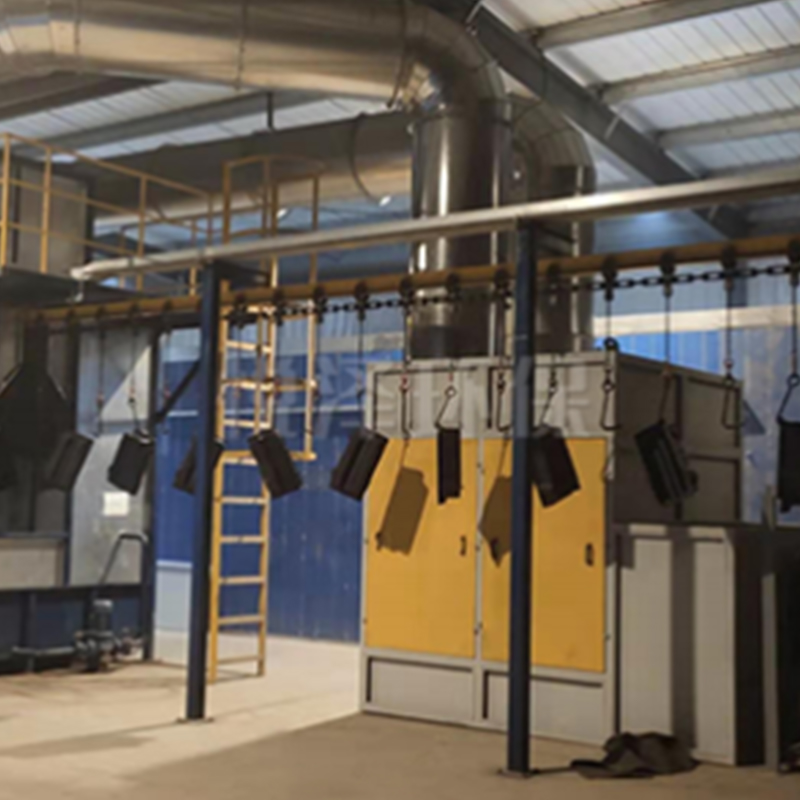
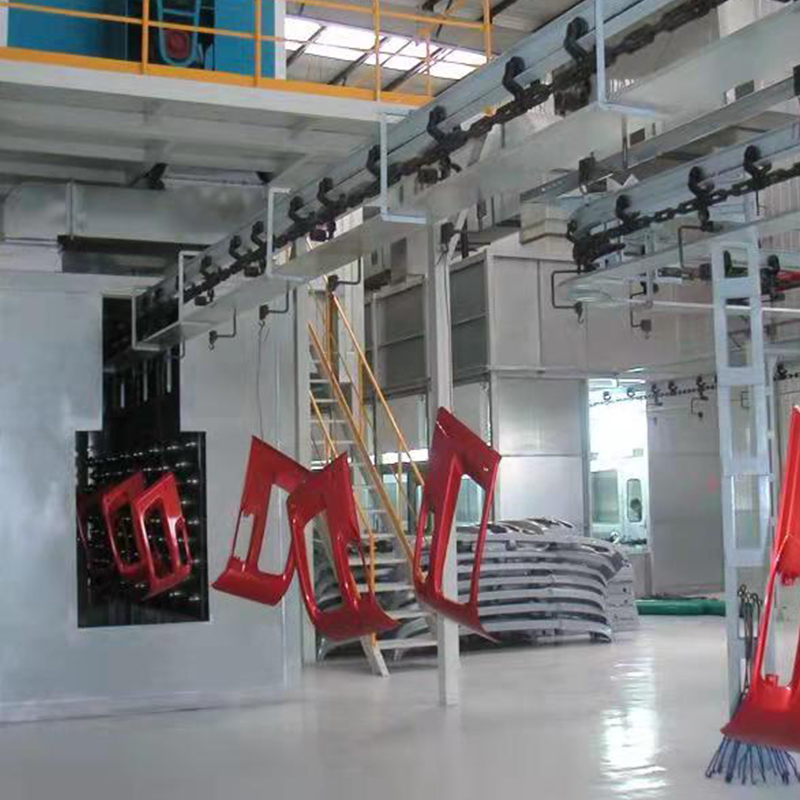
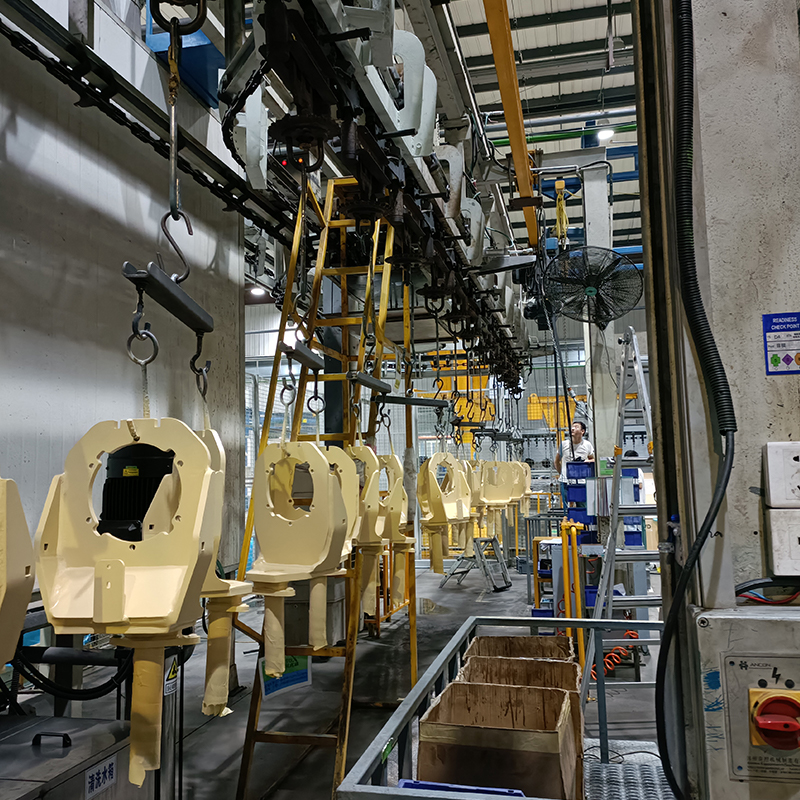
An Electrophoretic Coating Line applies a uniform primer layer to metal parts using an electric current to deposit charged paint particles onto every conductive surface, including internal cavities and recessed areas that spray guns often struggle to reach. This deposition method is one of the reasons electrophoretic coating, commonly known as e-coating, is widely used as a corrosion-resistant primer layer in automotive body and component manufacturing. Because the coating thickness is largely self-limiting once the deposited film reaches a certain electrical resistance, the process naturally produces a more consistent film thickness across complex geometries than conventional spray priming, reducing the risk of thin spots that can lead to premature corrosion.
The process also tends to generate less overspray waste than liquid spray priming, since paint is deposited through an electrochemical reaction rather than atomized application, improving material utilization across the line.
How the Electrophoretic Coating Process Works
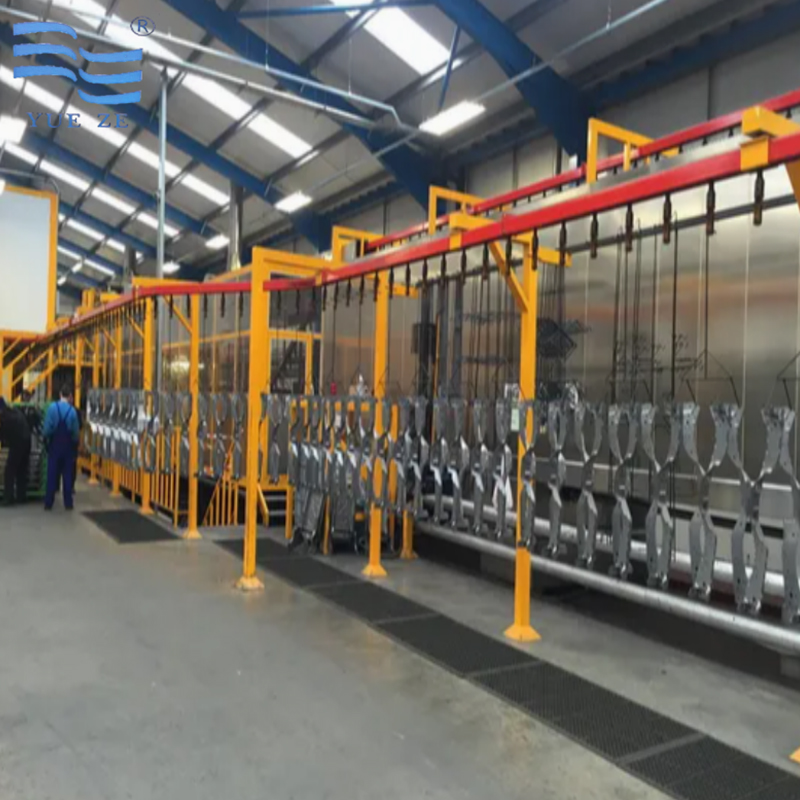
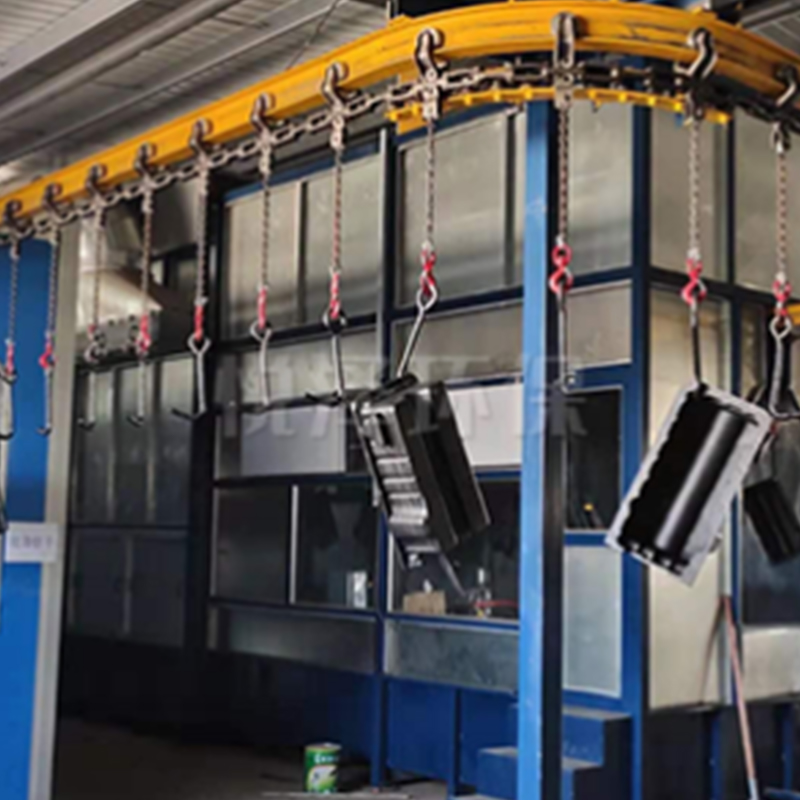
A typical electrophoretic coating line moves parts through the following core stages:
- Pretreatment: degreasing and phosphating prepare the surface for uniform paint deposition;
- E-coating tank: an electric current attracts charged paint particles from the bath onto the workpiece surface;
- Rinsing stage: removes excess, non-deposited paint from the surface using ultrafiltrate recovery rinses;
- Curing oven: bakes the deposited film to form a hardened, corrosion-resistant coating layer.
Because the coating builds up wherever an electrical path exists, the process is particularly effective for parts with complex internal structures, such as vehicle body frames, where uniform corrosion protection inside hollow sections is difficult to achieve through spray application alone.
Integrating an Electrophoretic Coating Line into a Full Production System
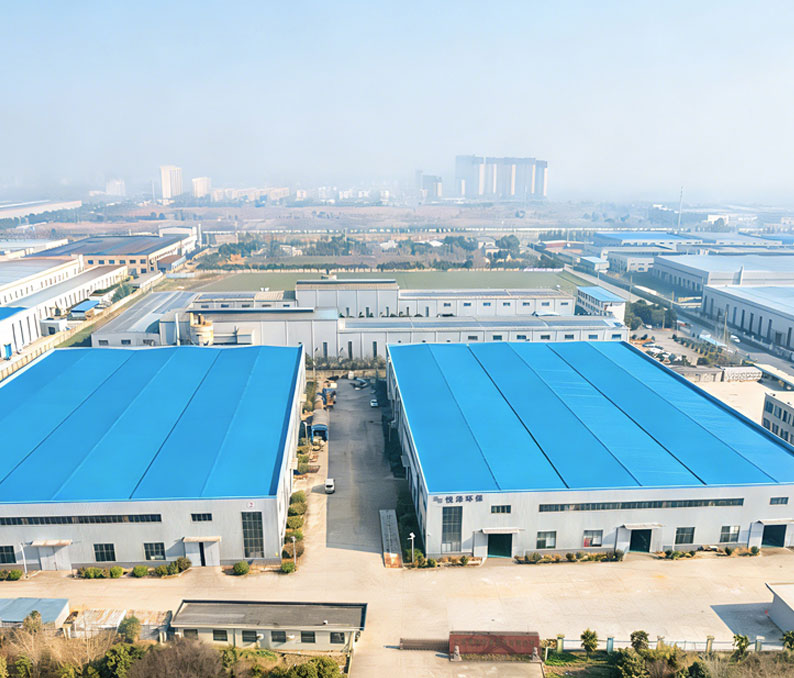
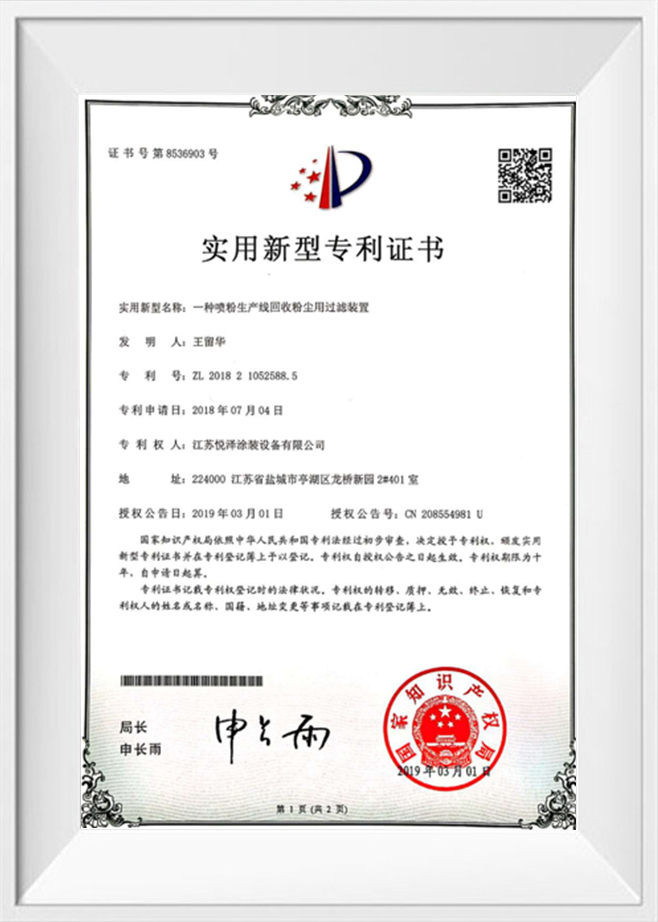
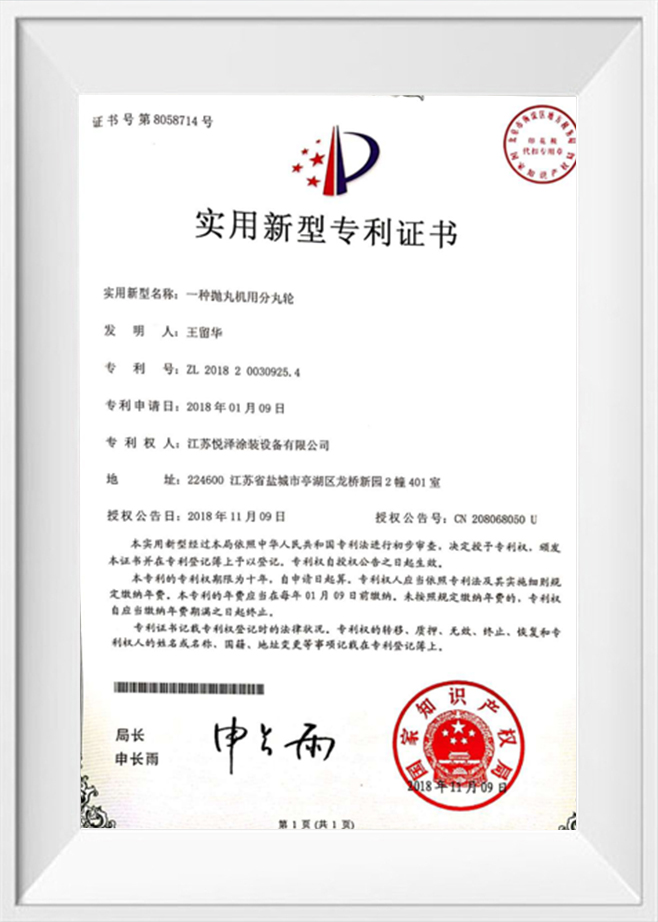
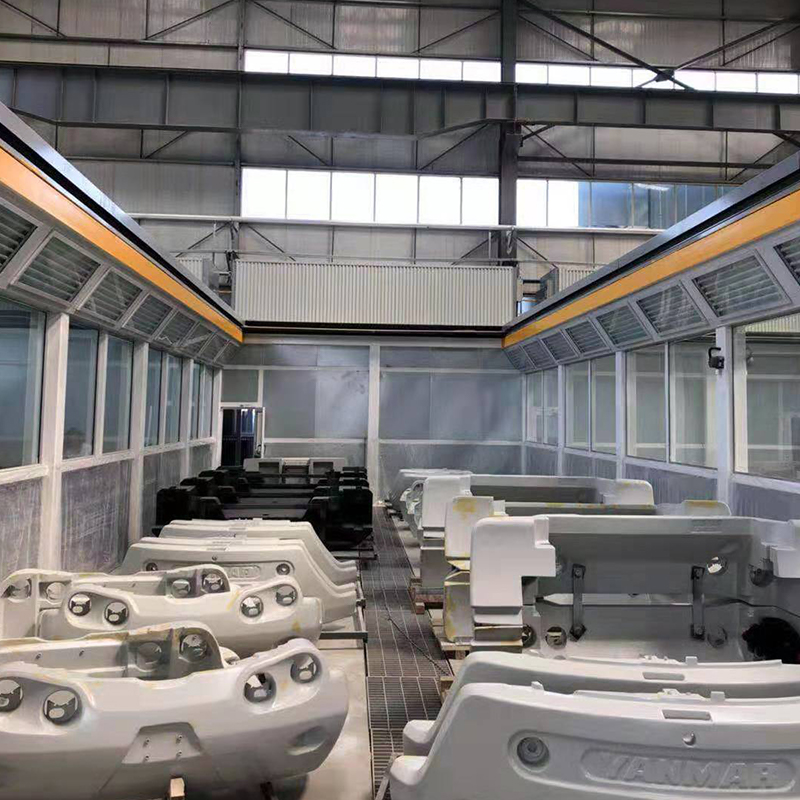
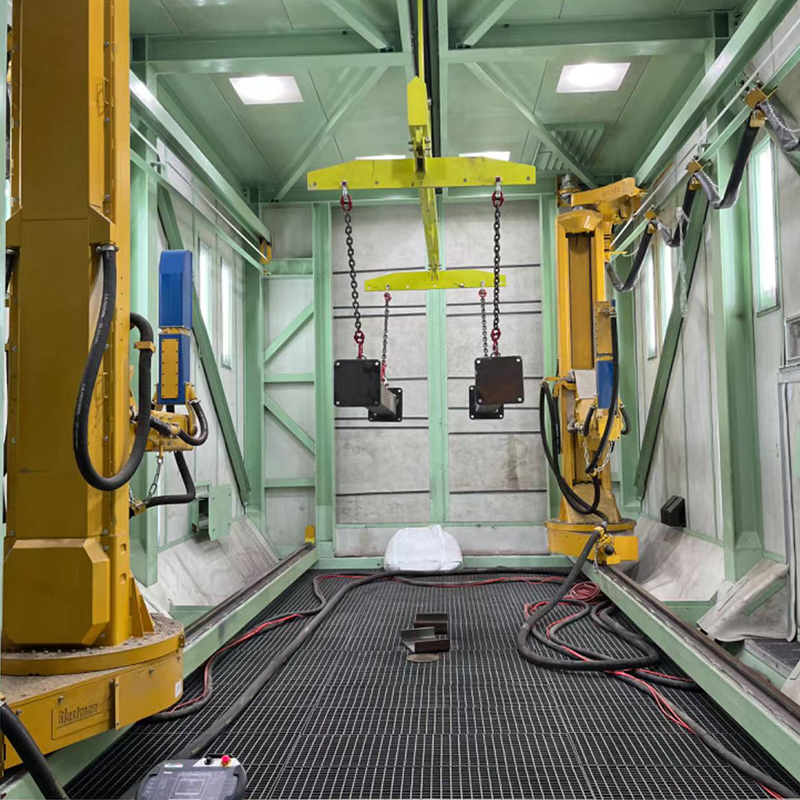
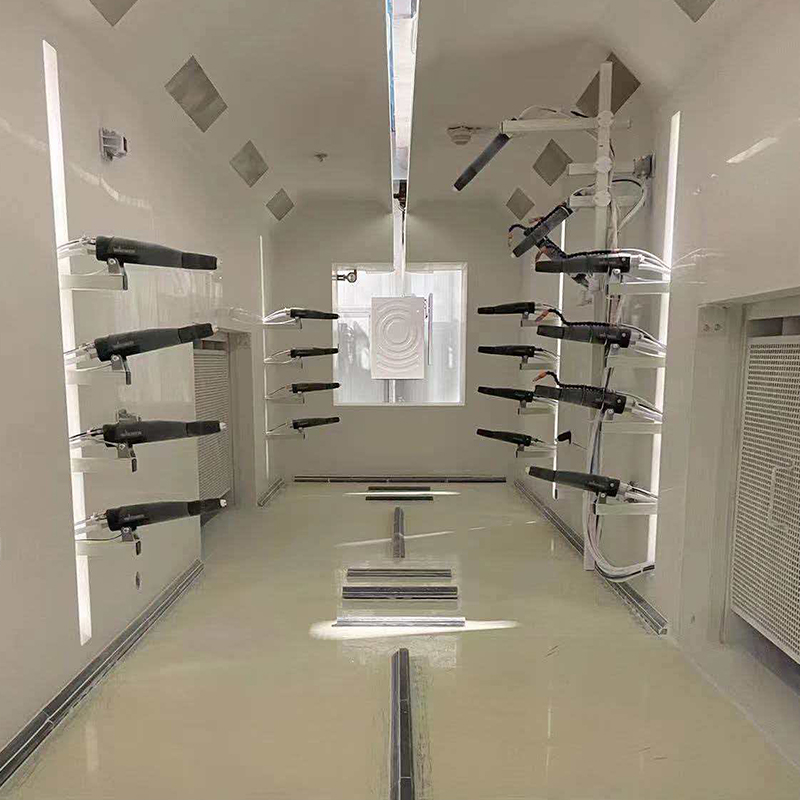
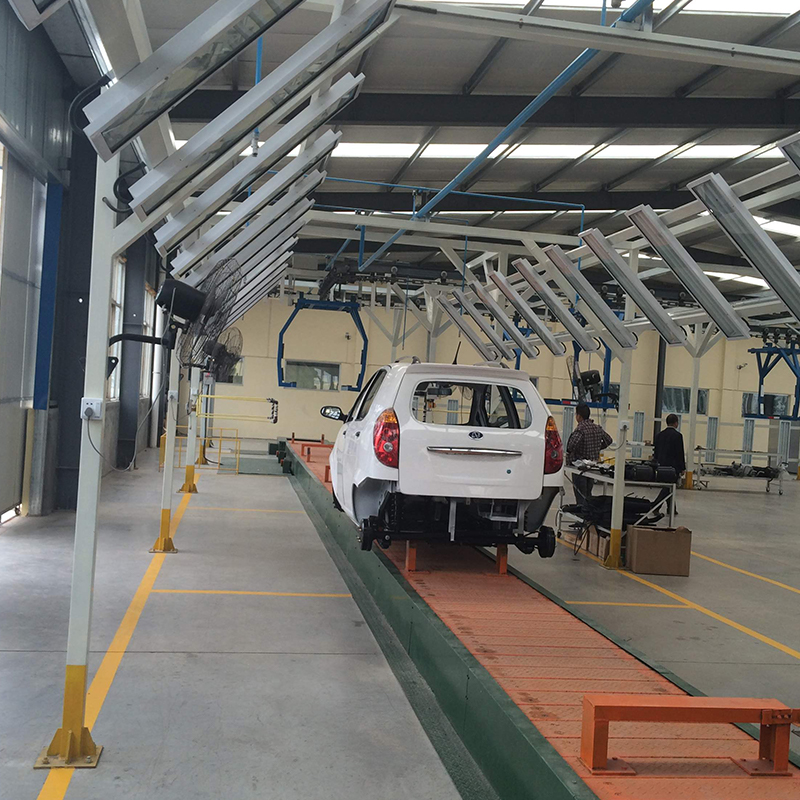
An e-coating line is often positioned as the primer stage within a larger production system, feeding into subsequent top-coat spraying and curing processes. Jiangsu Yue Ze Environmental Protection Equipment Co., Ltd., located in Yancheng, Jiangsu, China, spans 35,000 square meters with a registered capital of 58 million yuan and brings more than 40 years of experience in electric car assembly lines, automotive body spray bake paint booths, and complete custom coating production line equipment. Since developing one of the industry's first hanging automatic painting process lines for cast counterweight blocks in 2014, covering everything from casting finishing to primer and top-coat application, the company has applied this integrated line design experience to projects across multiple provinces in China and international markets.
Coating Method Comparison Reference
Table: Comparison between electrophoretic coating and conventional spray priming
| Factor |
Electrophoretic Coating |
Spray Priming |
| Coverage of internal cavities |
Excellent |
Limited |
| Film thickness consistency |
High |
Moderate, operator-dependent |
| Material utilization |
High, low overspray |
Moderate, overspray losses common |
Frequently Asked Questions
Because the coating deposits wherever an electrical path exists, it reaches internal cavities and recessed areas that spray application often misses, providing more complete corrosion protection across the entire part.
Q2: Is electrophoretic coating typically used as a primer or a top coat?
It is most commonly used as a primer layer that provides a corrosion-resistant base, with a separate top-coat process applied afterward to achieve the final color and surface finish.
Q3: Can an Electrophoretic Coating Line be integrated with existing pretreatment and top-coat equipment?
Yes. Since e-coating typically sits between pretreatment and top-coat stages, it can be designed to connect with existing production line equipment. Jiangsu Yue Ze Environmental Protection Equipment Co., Ltd. offers integrated line design based on extensive experience in complete coating system engineering.


 русский
 عربى
عربى
 Tiếng Việt