
 русский
 عربى
عربى
 Tiếng Việt
The retractable mobile spray & sanding booth is a flexible, space-saving, and multi-functional coating workstation. With a telescopic movable structure and integrated dust & paint mist filtrat...
See Details
Yueze Environmental Protection provides one-stop compliant industrial surface treatment solutions with professional tech and fine craftsmanship.
 Get Inquiries
2026-08-21
Content
Selecting an auto paint spray booth is fundamentally about balancing finish quality, throughput, and environmental compliance. For most automotive component and vehicle manufacturers, an automatic robotic spray booth becomes the better choice when cycle time targets or coating consistency requirements exceed what manual spraying can reliably provide. This guide covers booth types, core systems, selection criteria, and practical integration considerations to help you define a realistic specification for your next automotive manufacturing project.
An auto paint spray booth is a controlled enclosure designed to contain paint application, direct airflow, and capture overspray while providing a clean environment for coating vehicle bodies, parts, and components. In automatic configurations, robotic arms or reciprocating machines replicate the same spray path cycle after cycle, reducing variation that comes from manual technique. The booth itself is only one part of the system; it works with curing ovens, conveyors, and air treatment equipment to form a complete coating process.
For production planners, understanding the booth’s role matters because the booth determines how paint is applied, how much of it reaches the part, and how shop air is kept safe to breathe. These factors directly influence downtime and defect rates. A well-designed booth also supports faster color changes by allowing the spray environment to stabilize quickly.
There are several designs, and the right one depends on part volume, part size, and coating quality expectations. The table below summarizes the most common configurations used in automotive and vehicle coating lines.
| Type | Best Suited For | Key Characteristics |
|---|---|---|
| Manual spray booth | Low-volume batches, repair and touch-up | Flexible, lower upfront cost, relies on operator skill |
| Automatic robotic spray booth | High-volume automotive parts and bodies | Consistent film thickness, programmable paths, higher output |
| Heavy vehicle spray booth | Trucks, buses, construction machinery | Large internal dimensions, often combined with overhead conveyors or platform lifts |
| Retractable mobile spray booth | Multi-purpose workshop floors | Can be moved and stored, useful when space is shared |
In many modern lines, an automatic robotic spray booth replaces manual application because it provides exactly repeatable gun distance, angle, and speed. It also minimizes paint waste and reduces operator exposure to atomized paint. For very large items like truck bodies or heavy equipment cabs, a heavy vehicle spray booth with sufficient width, height, and airflow capacity is required.
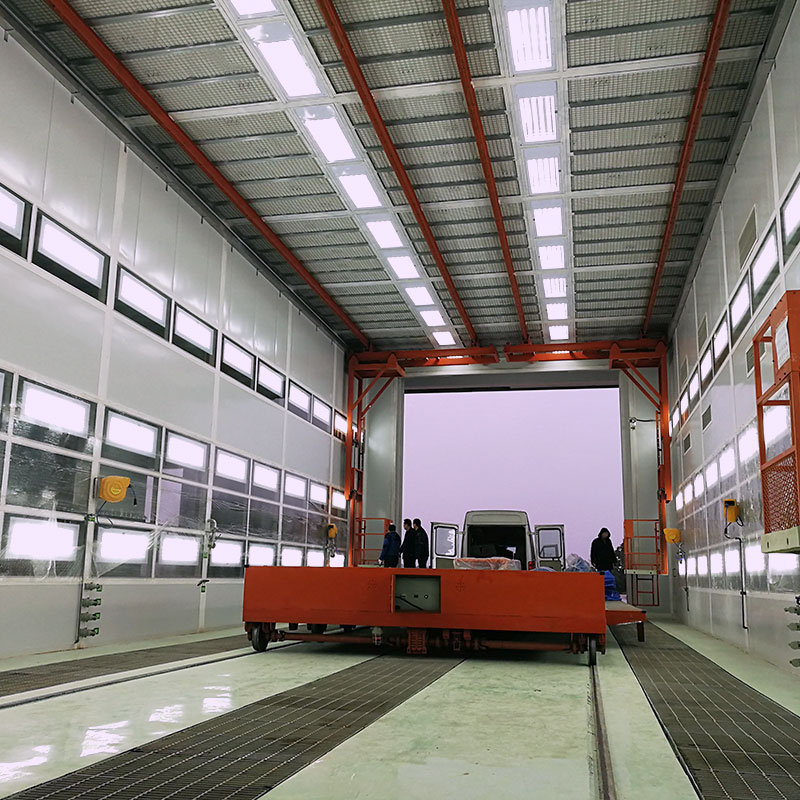 Custom Automatic Robotic Spray Booth Manufacturer, Exporter factory - Jiangsu YuYue Ze Environmental Protection Equipment Co., Ltd is China Automatic Robotic Spray Booth manufacturer and exporter factory, We custom Au...View Product →
Top-down airflow is the standard for automotive booths because it pushes fresh, filtered air over the vehicle and carries overspray down and away from the painted surface. Supply filters remove dust particles, while floor or exhaust filters catch paint solids. The speed of air movement must be tuned to the coating being applied; too much airflow creates rough finishes, too little leaves solvent trapped in the film.
The booth should also maintain a slight positive or negative pressure depending on the surrounding environment. Positive pressure keeps external dust out, while slightly negative pressure prevents overspray from leaking into the shop. Pressure control requires carefully balanced makeup air and exhaust fans.
Dry filter booths use cardboard or fiber media to capture overspray. Water-wash booths use a water curtain to trap paint particles. Dry systems are simpler to maintain, but the filters must be changed regularly. Water-wash systems handle heavy paint loads more effectively but add water treatment requirements and can increase humidity inside the booth. The choice between the two affects operating cost and waste classification.
A common operational mistake is focusing only on exhaust capacity. The booth needs make-up air to replace the volume being exhausted. If the plant cannot supply proper make-up air, the booth becomes negatively pressurized, and dust enters through openings, causing defects in the paint finish. Heating or cooling the makeup air is often the largest energy load in the paint shop, so duct insulation and heat recovery are worth evaluating during system design.
Even the best booth converts only a portion of the paint into coating on the part. The exhaust contains solvent vapors and particulate matter that must be treated before releasing to the atmosphere. This is why a compliant booth is integrated with waste gas treatment equipment that reduces VOC emissions and removes remaining particles. Facility planners should consider available space for ductwork and treatment units early, because retrofitting pollution control into an existing booth enclosure is more expensive than designing it in from the start.
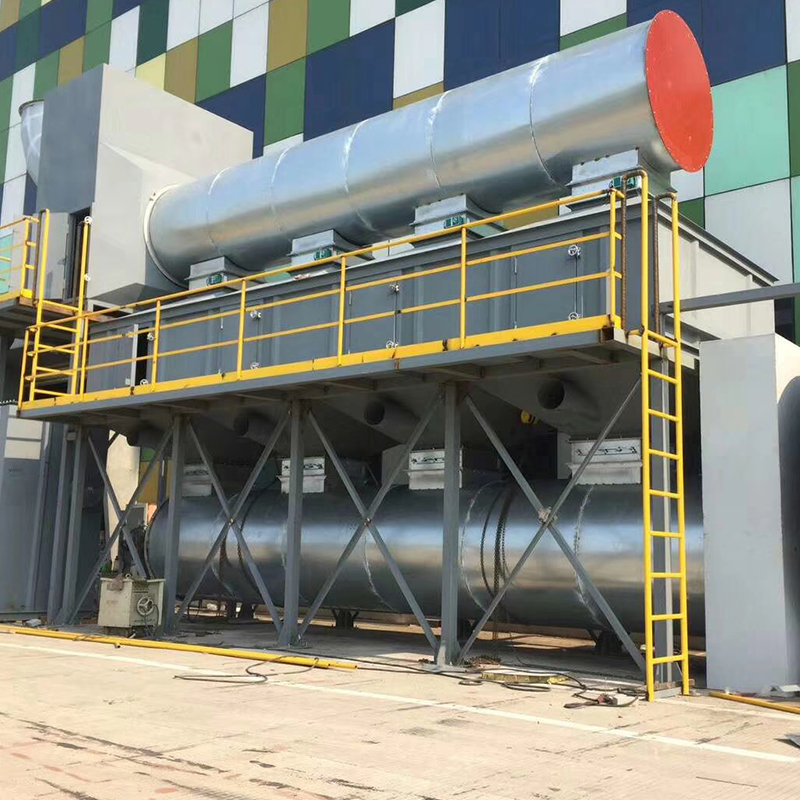 Custom Waste Gas Treatment Equipment Manufacturer, Exporter CompanyJiangsu Yue Ze Environmental Protection Equipment Co., Ltd is China waste gas treatment equipment manufacturer and exporter company, We s...View Product →
Before issuing a purchase specification, production, process, and facility engineering teams should agree on these factors:
Cycle time determines whether one booth or multiple booths are needed. If the bottleneck in the coating line is the spray booth, adding robotic automation often increases throughput without expanding floor space. A robot can maintain a continuous moving path over a part, while a manual sprayer needs recovery time. For a single, simple part geometry, a reciprocating sprayer may be enough; for complex 3D shapes like car wheels or mirror housings, six-axis robots are more flexible.
For long or heavy parts such as truck frames and counterweights, booth length and door openings are critical. The booth must also accommodate the conveyor system and allow space for robots or spray operators. We have supplied heavy vehicle spray booths sized around large cabs and machinery bodies, where the internal width must give the application equipment sufficient reach on both sides. Door openings require extra clearance for the workpiece, gun tips, and conveyor hangers. A booth designed without enough internal depth can force operators to slow down at the ends of the part.
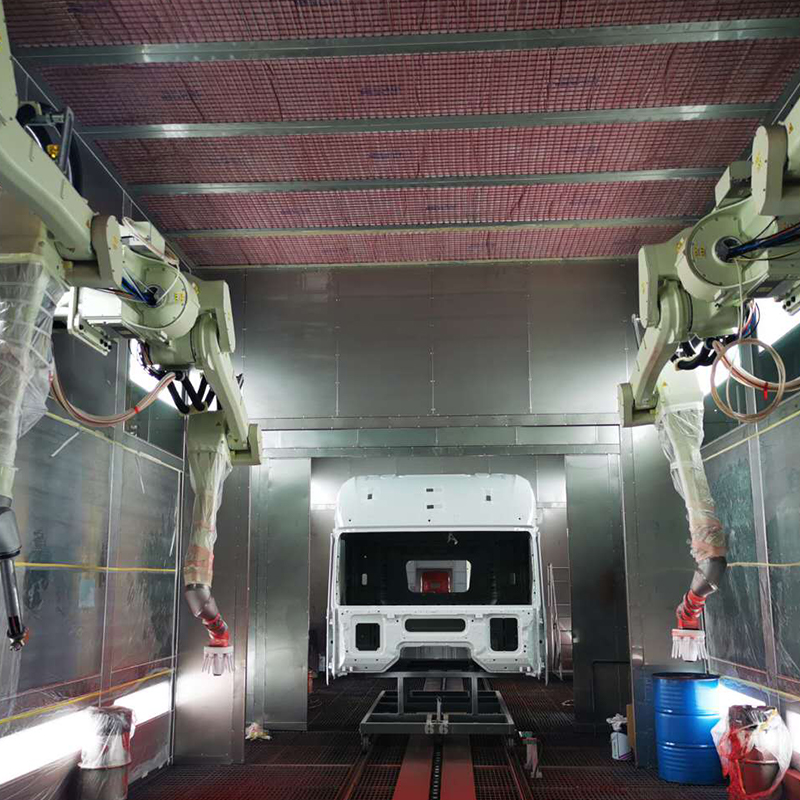 Car Spraying Booth Manufacturer, Automotive Paint Spray Booth CompanyYue Ze Environmental Protection Equipment Co., Ltd is China car spraying booth manufacturer and automotive paint spray booth company, We ...View Product →
Liquid paint, powder, and electrocoating each require different booth environments. For liquid automotive paints, solvent flash-off time and temperature control are important. Powder coating does not contain solvents but still needs controlled airflow to keep dust from settling on parts before cure. For high-solids solventborne paints, lower air velocity is sometimes needed to avoid excessive solvent flash on the surface; waterborne paints require tighter temperature and humidity control.
A paint booth is a classified area for fire safety because of flammable vapors. Electrical components, lighting, and motors must be rated for the hazard. Ventilation rates should be designed to keep vapor concentrations below safe limits. Additionally, many regions require VOC abatement and documented waste handling procedures. Safety standards may require explosion-proof equipment, emergency interlock doors, and alarms for airflow failure. These requirements should be identified before selecting mechanical equipment and filters.
Filter replacement, compressed air consumption, energy for heating make-up air, and waste disposal can be higher than the initial purchase price. Dry filter booths require a disciplined preventive maintenance schedule; filter media must be checked and replaced before airflow drops below specification. Water-wash booths add the cost of water treatment, biocides, and sludge disposal. Carbon footprint is also becoming a factor for automotive suppliers submitting sustainability reports, so energy efficiency in booth lighting, fans, and heating should be part of the evaluation.
The largest measurable benefit of an automatic robotic spray booth is consistency. A robot does not change technique between shifts or operators. Film thickness is controlled within a narrow band, which reduces material consumption and rework. This is especially important for automotive exterior panels where a visible variation in color or orange peel is a rejection cost.
Robotic booths also enable compact designs because robots can be mounted on rails and move with the part. This reduces booth length compared to a stationary operator applying paint to a moving vehicle. For manufacturers upgrading an old manual booth, replacing the manual operation with robotic arms is often the fastest way to increase line rate. The robot eliminates the human factor, but it requires precise part positioning and consistent conveyor indexing to deliver its full repeatability advantage.
The booth does not operate in isolation. Incoming parts arrive from a pretreatment line, move through a drying zone, then enter the booth, and continue to an oven. Conveyor speed and booth cycle time must be synchronized. A mismatch at any point creates queues, missed cure windows, or surface defects.
Many equipment failures in paint shops are actually integration failures, not booth failures. That is why working with a supplier who can deliver the spray booth together with heavy equipment coating lines and conveyor systems makes the project easier to manage. When the same engineering team is responsible for booth, drying room, conveyor, and air treatment, the handoff between each process step is defined before installation starts.
Choosing an auto paint spray booth starts with your production target and ends with a system that meets safety and environmental obligations. Define the part variety, required finish quality, cycle time, and regulatory limits first. Then compare booth types and automation levels against those numbers. A proven approach is to request a line layout proposal that includes the booth, air treatment, and conveyor integration, rather than buying booth modules separately. That prevents hidden costs and avoids the most common source of startup delays.
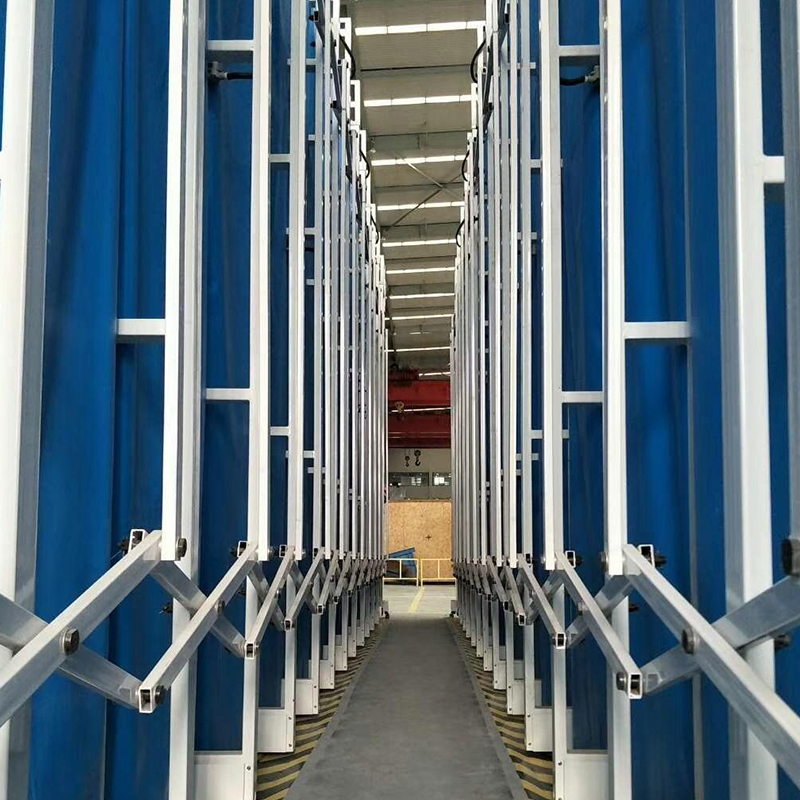
The retractable mobile spray & sanding booth is a flexible, space-saving, and multi-functional coating workstation. With a telescopic movable structure and integrated dust & paint mist filtrat...
See Details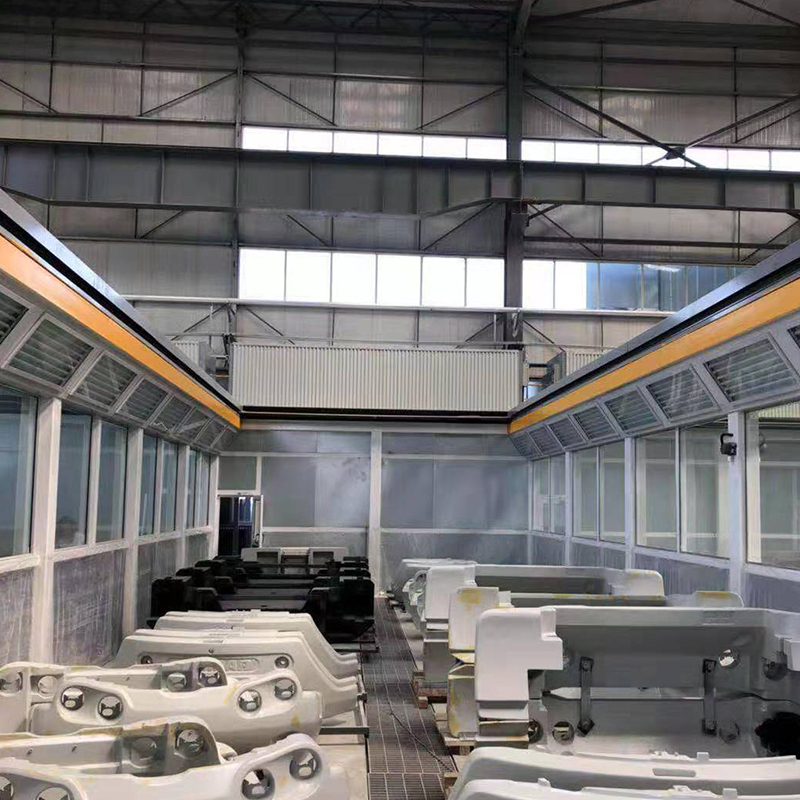
The retractable mobile spray & sanding booth is a flexible, space-saving, and multi-functional coating workstation. With a telescopic movable structure and integrated dust & paint mist filtrat...
See Details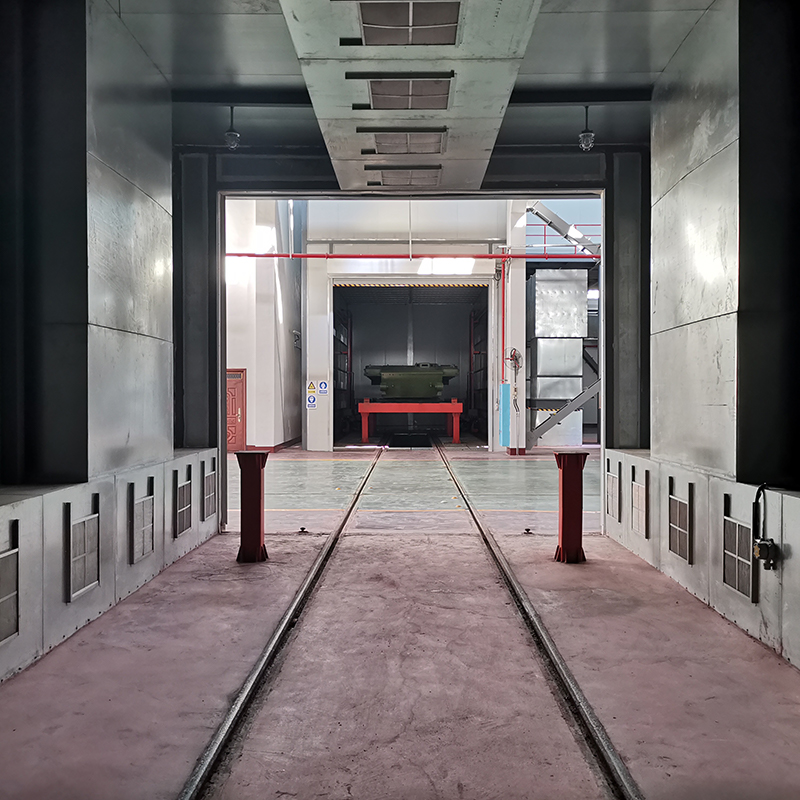
The spray paint line is a complete automated coating system, including spraying, drying, curing, and conveying processes. It features stable operation, uniform spraying effect, and good sealing perfor...
See Details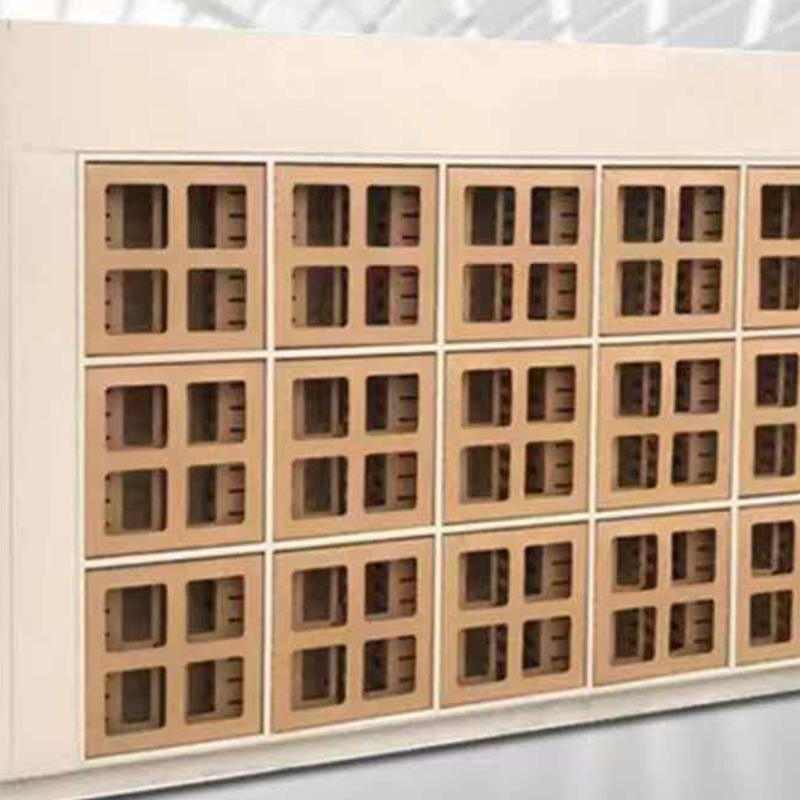
Cardboard Paint Arresto is professional equipment for capturing and filtering paint mist, mainly made of high-quality corrugated cardboard, filter cotton, and waterproof coating. It adopts a modular d...
See Details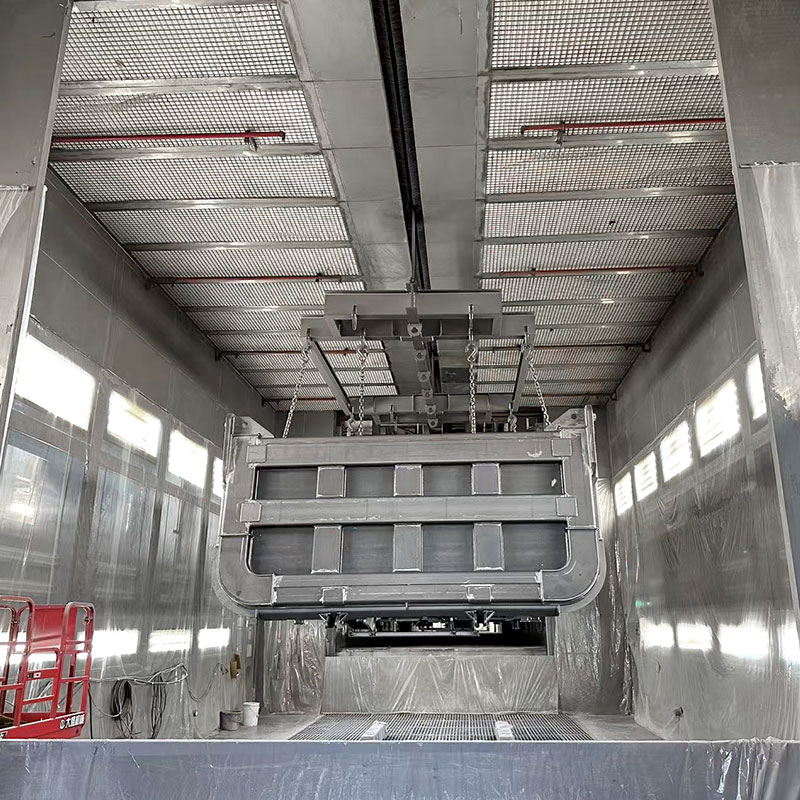
Manual spray booth is a small & economical painting workstation, designed for manual spraying operation. Equipped with efficient paint mist filtration and exhaust system, it ensures clean air and ...
See Details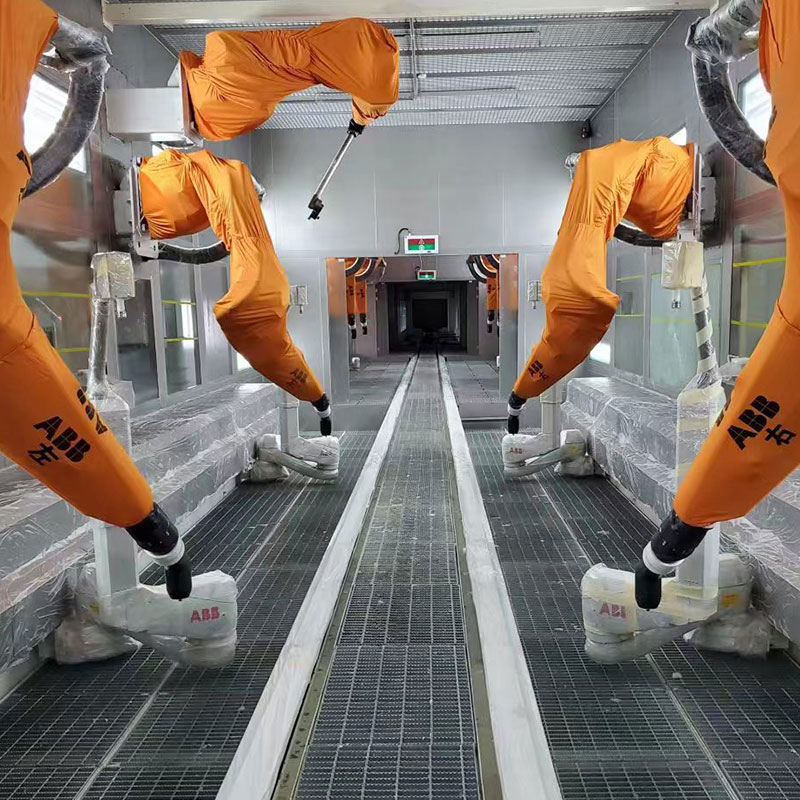
An automatic robotic spray booth is an intelligent, unmanned coating system. Equipped with a robot spraying system, constant temperature air circulation, and a high-efficiency exhaust filtration syste...
See DetailsBuild Your Customized Industrial Coating System
Send us your workpiece information, production capacity, coating process, workshop layout, and environmental requirements. Yueze will help evaluate your project and develop a suitable coating, conveying, drying, and environmental treatment solution.
Main menu
Products
Contact Us
Company Address:
No. 12, Park Avenue, Shanggang Industrial Park, Jianhu, Yancheng City, Jiangsu Province
Message Us Right Now!

Follow us: