
 русский
 عربى
عربى
 Tiếng Việt
Professional spray coating line specially designed for car wheel manufacturing and refurbishment, applicable to various car wheel types (steel wheel, aluminum alloy wheel, forged wheel, cast wheel, pa...
See Details
Yueze Environmental Protection provides one-stop compliant industrial surface treatment solutions with professional tech and fine craftsmanship.
 Get Inquiries
2026-08-14
Content
Most powder coatings cure between 160 and 210 degrees Celsius, with the vast majority of standard thermoset polyester and epoxy powders curing at 180 to 200 degrees Celsius for 10 to 20 minutes once the part itself reaches that temperature. Low cure powder formulations can finish as low as 120 to 150 degrees Celsius, which matters when heat sensitive substrates like MDF, plastics, or thin gauge aluminum are running through a powder coating line. The number that actually determines a good cure is not the oven set point, it is the metal temperature of the part, since ovens are set higher than the target cure temperature to account for heat up time and part mass.
Powder coating is applied as a dry, electrostatically charged powder and only becomes a hard, continuous film once it is heated. Inside the curing oven of a powder coating line, the powder first melts and flows into a smooth layer, then cross links chemically to form the final durable coating. If the temperature is too low or the dwell time too short, the film never fully cross links, leaving a soft, chalky, or easily scratched surface even though the part looks coated when it leaves the oven.
Every powder manufacturer publishes a cure schedule as a pair of numbers, a temperature and a time, for example 200 degrees Celsius for 10 minutes measured at the metal surface. Both numbers are tied together, and one cannot be judged without the other. A part that only reaches 180 degrees Celsius may still cure properly if it is held there for a longer dwell time, which is why oven length and conveyor speed on a powder coating line are calculated around part mass, not just around the target temperature.
Cure requirements vary by chemistry, and choosing the right powder for the application often comes down to matching the cure temperature to the substrate and the production line capability.
| Powder Chemistry | Typical Cure Temp | Typical Dwell Time |
|---|---|---|
| Standard TGIC Polyester | 180 to 200 degrees Celsius | 10 to 15 minutes |
| Epoxy Powder | 160 to 190 degrees Celsius | 10 to 20 minutes |
| Epoxy Polyester Hybrid | 170 to 190 degrees Celsius | 10 to 15 minutes |
| Low Cure Polyester | 120 to 150 degrees Celsius | 15 to 25 minutes |
The correct answer to what temp do you need for powder coating always depends on what the part is made of, not just what powder is in the hopper. Running a substrate above its safe limit can warp, discolor, or weaken the material even if the coating itself cures perfectly.
The curing oven is the single most important station on a powder coating line for hitting the correct temperature consistently. An oven that is set too hot at the start and too cool by the end of the conveyor path produces inconsistent cure results across a batch, even when every part received the same nominal powder and set point.
Many industrial ovens on a modern powder coating line use multiple heating zones so the air temperature can ramp gradually rather than blasting the part with full heat immediately, which reduces the risk of surface skinning before the part core reaches temperature.
Even airflow distribution across the oven chamber prevents cold spots, and overloading a powder coating line with too many parts hung too close together blocks air circulation and creates undercured sections on the shadowed side of parts.
Conveyor speed on a powder coating line is set based on part mass and oven length so that every part spends enough time at temperature to complete the cross linking reaction, not simply enough time to pass through the oven.
| Problem | Temperature Related Cause |
|---|---|
| Chalky Or Soft Coating | Undercure from insufficient metal temperature or dwell time |
| Yellowing Or Discoloration | Overcure from excessive oven temperature or extended dwell time |
| Pinholes Or Surface Bubbles | Rapid heat rise causing outgassing before the film sets |
| Uneven Gloss Across A Batch | Inconsistent oven zone temperature or blocked airflow |
Guessing at oven set points is the most common reason a powder coating line produces inconsistent results, so most quality programs verify actual part temperature rather than trusting the oven display alone.
Standard aluminum parts cure well at the normal 180 to 200 degrees Celsius range, but thin extrusions sometimes benefit from a slightly lower oven set point paired with a longer dwell to avoid heat distortion.
Yes, low cure powder formulations are designed to fully cross link at 120 to 150 degrees Celsius, which is the standard choice for wood, plastic, and other heat sensitive substrates run on a powder coating line.
The powder will melt and flow but will not fully cross link, leaving a coating that looks finished but fails adhesion, hardness, and chemical resistance testing.
Most standard powders need 10 to 20 minutes once the part metal itself reaches the target temperature, and the exact figure is always listed on the powder manufacturer's technical data sheet.
Part thickness changes how long it takes to reach the target temperature rather than the target temperature itself, so heavier parts need longer oven dwell or slower conveyor speed on the powder coating line to reach full cure.
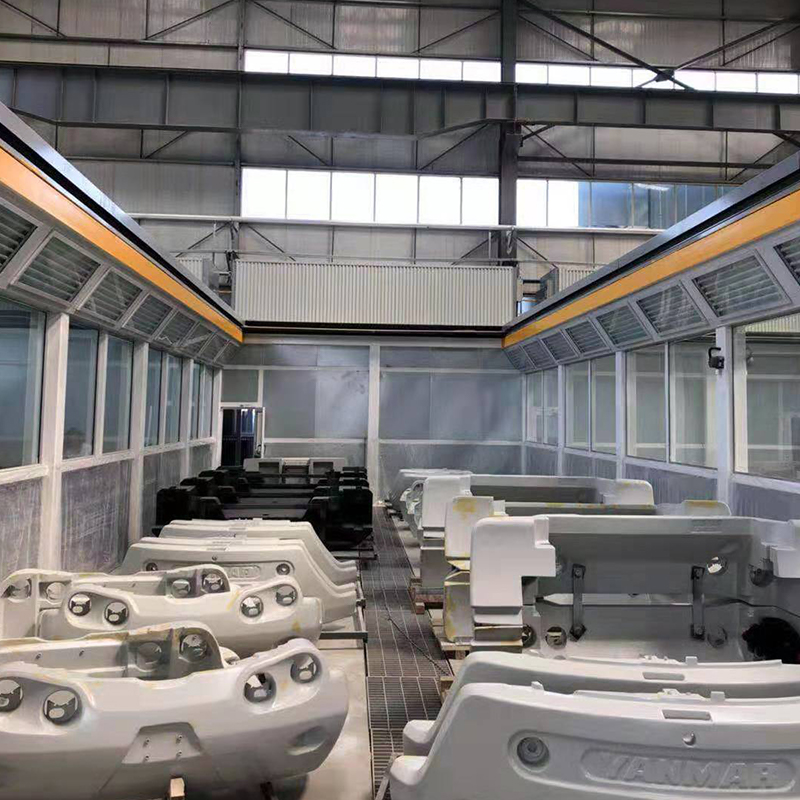
Professional spray coating line specially designed for car wheel manufacturing and refurbishment, applicable to various car wheel types (steel wheel, aluminum alloy wheel, forged wheel, cast wheel, pa...
See Details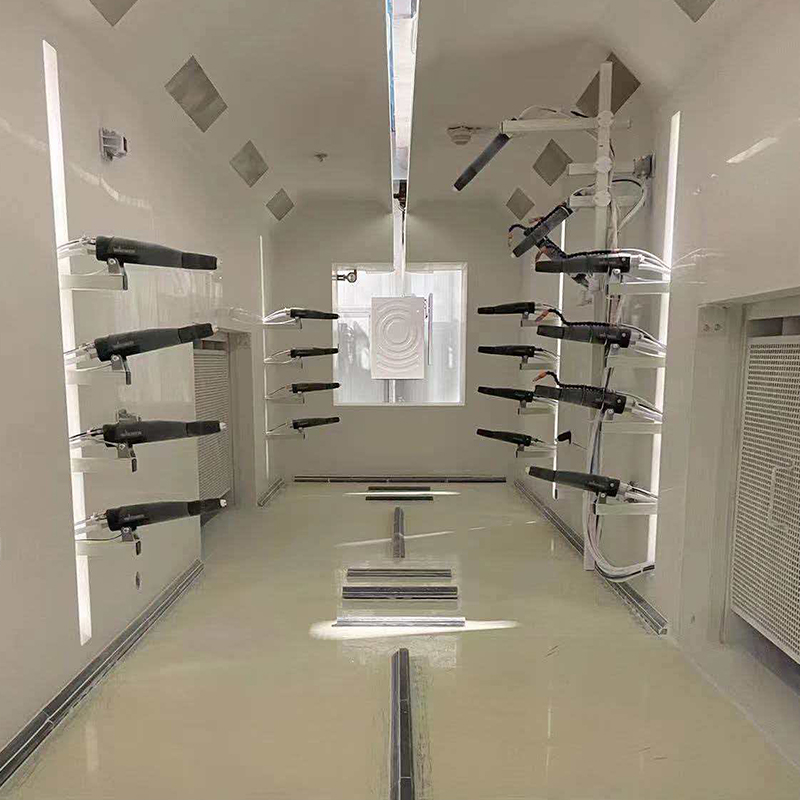
Widely used in metal workpieces such as hardware, auto parts, engineering machinery, metal furniture, art manhole covers, municipal facilities, and precision components, suitable for mass and standard...
See Details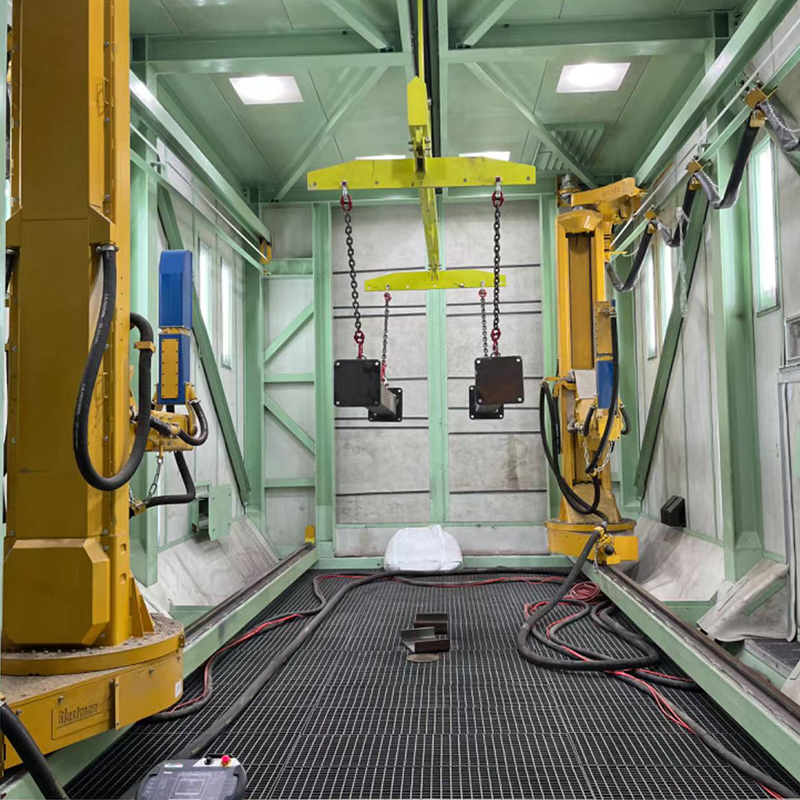
Professional coating line specially designed for large castings and heavy truck parts, applicable to various large castings (engineering castings, mining equipment castings, industrial castings) and h...
See Details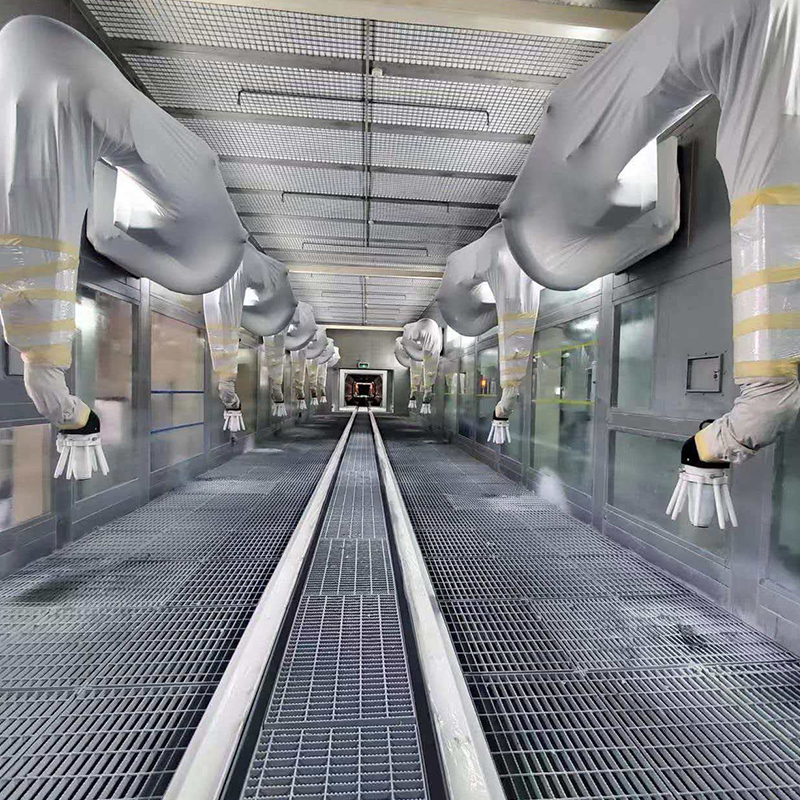
Professional spray coating line specially designed for car wheel manufacturing and refurbishment, applicable to various car wheel types (steel wheel, aluminum alloy wheel, forged wheel, cast wheel, pa...
See Details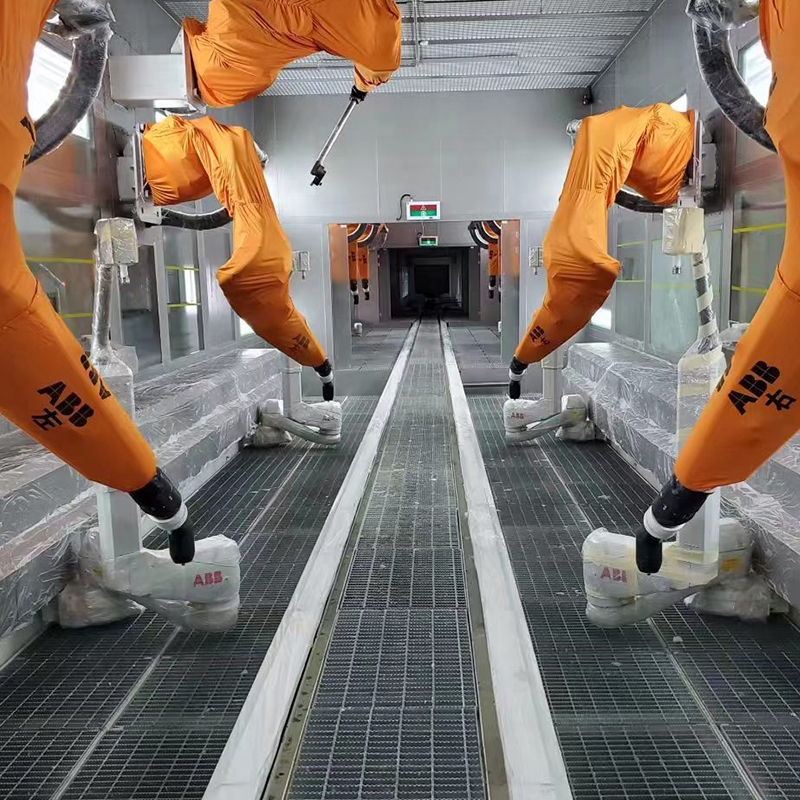
Professional spray coating line specially designed for motor casings, applicable to various motor casing types (electric vehicle motor casing, industrial motor casing, household motor casing, high-tem...
See Details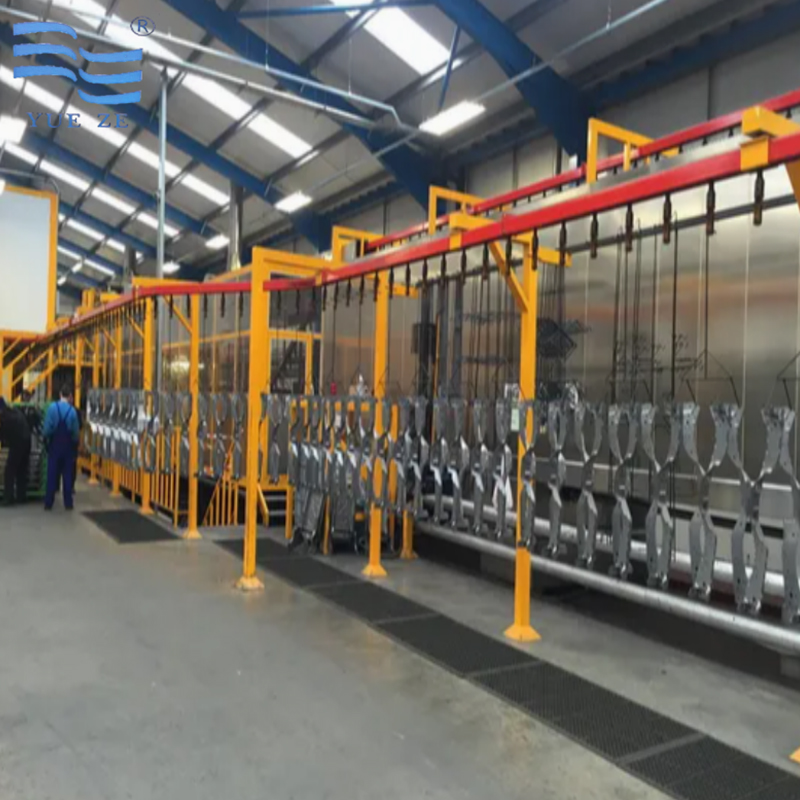
An electrophoretic coating line is a complete automatic surface treatment system. Through electrophoretic deposition, a uniform, dense, and anti-corrosion coating is formed on the metal surface. The w...
See DetailsBuild Your Customized Industrial Coating System
Send us your workpiece information, production capacity, coating process, workshop layout, and environmental requirements. Yueze will help evaluate your project and develop a suitable coating, conveying, drying, and environmental treatment solution.
Main menu
Products
Contact Us
Company Address:
No. 12, Park Avenue, Shanggang Industrial Park, Jianhu, Yancheng City, Jiangsu Province
Message Us Right Now!

Follow us: