
 русский
 عربى
عربى
 Tiếng Việt
An electrophoretic coating line is a complete automatic surface treatment system. Through electrophoretic deposition, a uniform, dense, and anti-corrosion coating is formed on the metal surface. The w...
See Details
Yueze Environmental Protection provides one-stop compliant industrial surface treatment solutions with professional tech and fine craftsmanship.
 Get Inquiries
2026-08-07
Content
Electrophoretic coating, often called e-coating or electrocoating, is a paint application process that uses an electrical current to deposit charged paint particles onto a metal substrate submerged in a water-based coating bath. The electrical field drives paint particles toward the workpiece, resulting in a uniform, thin film that coats every surface, including recessed areas, edges, threaded holes, and internal cavities that spray painting often misses entirely.
This process is carried out on an Electrophoretic Coating Line, an automated production system that moves parts through cleaning, pretreatment, coating, rinsing, and curing stages in sequence. These lines are widely used in automotive, appliance, and industrial equipment manufacturing because they combine high coverage consistency with strong corrosion resistance, often achieving film thickness variation within just a few microns across an entire part.
In short, electrophoretic coating is less about spraying paint onto a surface and more about using electrochemistry to pull a controlled, self-limiting film onto every conductive area of a part, which is exactly why it has become the default finishing method for parts that must survive years of environmental exposure.
To understand why electrophoretic coating produces such consistent results, it helps to look at the underlying electrochemistry. Paint resin particles are formulated to carry an electrical charge when dispersed in water. When a direct current voltage is applied between the workpiece and an electrode inside the bath, these charged particles migrate through the liquid toward the oppositely charged surface, a phenomenon known as electrophoresis.
As paint particles reach the metal surface, they lose their charge and coagulate into a solid film. This film is electrically insulating, so as it thickens, it increasingly resists further current flow to that area. The practical result is a self-limiting deposition process: thin spots continue attracting paint faster than already-coated areas, which naturally evens out the film thickness across the entire part without operator intervention.
Conventional spray painting depends heavily on operator skill and gun angle, which can leave thin coverage in corners or recessed features. Because electrophoretic coating is governed by electrical resistance rather than line-of-sight spraying, it reaches into box sections, weld seams, and drilled holes just as effectively as it coats flat outer panels.
In cathodic electrocoating, the workpiece serves as the cathode, attracting positively charged paint particles. This method is the dominant choice in automotive manufacturing because it produces superior corrosion resistance, making it the standard for vehicle body panels, chassis components, and underbody parts that face constant exposure to moisture, road salt, and temperature swings.
In anodic electrocoating, the workpiece acts as the anode, attracting negatively charged particles. While less corrosion-resistant than cathodic systems, anodic coating is generally lower in cost and remains suitable for general industrial parts that do not face the same exposure demands as automotive components, such as indoor equipment housings or lightly used metal fixtures.
The decision typically comes down to the part's end-use environment. Parts destined for outdoor exposure, high humidity, or road contact almost always justify the added cost of cathodic systems, while indoor or low-exposure components can often achieve acceptable performance with anodic coating at a lower operating cost.
An electrophoretic coating line is a fully integrated system rather than a single machine, combining multiple process stages to ensure consistent, defect-free coating on every part that passes through it. Each stage plays a distinct role in preparing, coating, and finishing the metal surface.
| Stage | Purpose |
|---|---|
| Degreasing | Removes oils and manufacturing residue from the metal surface |
| Pretreatment / phosphating | Creates a conversion coating that improves paint adhesion and corrosion resistance |
| Electrocoating bath | Deposits a uniform paint film using electrical current |
| Ultrafiltration rinse | Recovers excess paint solids and rinses off loosely bound particles |
| Curing oven | Heat-cures the paint film to achieve full hardness and chemical resistance |
Automated conveyor or hoist systems typically move parts through each stage on a fixed cycle, allowing manufacturers to maintain consistent throughput and repeatable coating quality across large production runs. Cycle times vary by part size and line design, but many production lines are engineered to process several hundred parts per shift while holding tight film thickness tolerances.
Electrophoretic coating lines are used across a wide range of manufacturing sectors where consistent finish quality and corrosion resistance are critical requirements for the finished product. The specific line configuration, bath chemistry, and cycle time are typically tailored to the part geometry and performance requirements of each industry.
| Industry | Typical Application |
|---|---|
| Automotive | Body panels, chassis parts, and underbody components |
| Home appliances | Metal casings for washing machines, refrigerators, and ovens |
| Furniture | Metal frames for office and outdoor furniture |
| Industrial equipment | Machinery housings and structural metal components |
| Electrical enclosures | Cabinets and panels requiring dielectric protection and corrosion resistance |
Even a well-designed electrophoretic coating line can produce defects if bath chemistry, voltage, or pretreatment quality drift out of specification. Understanding the most common issues helps manufacturers set up better process controls from the start.
Gas bubbles generated during electrolysis can become trapped against the part surface, leaving small pinholes in the cured film. Proper part racking angles and controlled voltage ramp-up during the early seconds of immersion help gas escape before it becomes trapped in the forming film.
While electrocoating is inherently self-limiting, poor bath agitation or inconsistent conductivity can still cause thickness variation. Regular bath filtration and conductivity monitoring keep deposition rates predictable across the entire tank.
Deep recesses or fully enclosed cavities can shield certain surfaces from the electrical field, resulting in thin or missing coating inside those areas. Line designers address this by adjusting part orientation, adding drainage holes, or increasing dwell time for geometrically complex parts.
Manufacturers evaluating an electrophoretic coating line should consider bath capacity, conveyor speed, and pretreatment stage count based on their part size, production volume, and finish requirements. Companies producing coating equipment, such as Yueze, design lines that can be scaled from small workshop setups to high-volume automotive-grade systems.
Key factors typically include bath temperature control accuracy, voltage regulation for consistent film thickness, and rinse system efficiency, since these variables directly affect coating uniformity and long-term corrosion performance of the finished parts. Buyers should also assess how easily the line integrates with existing pretreatment or powder coating stages, since many facilities run electrocoating as one step within a broader multi-stage finishing process.
Energy consumption and wastewater treatment requirements are additional practical considerations, as electrophoretic coating lines involve continuous bath heating, rinse water usage, and ultrafiltration systems that need ongoing maintenance to operate efficiently over the life of the equipment.
Understanding these fundamentals helps manufacturers evaluate whether an electrophoretic coating line fits their production goals, particularly when corrosion resistance, finish consistency, and long-term part durability are top priorities.
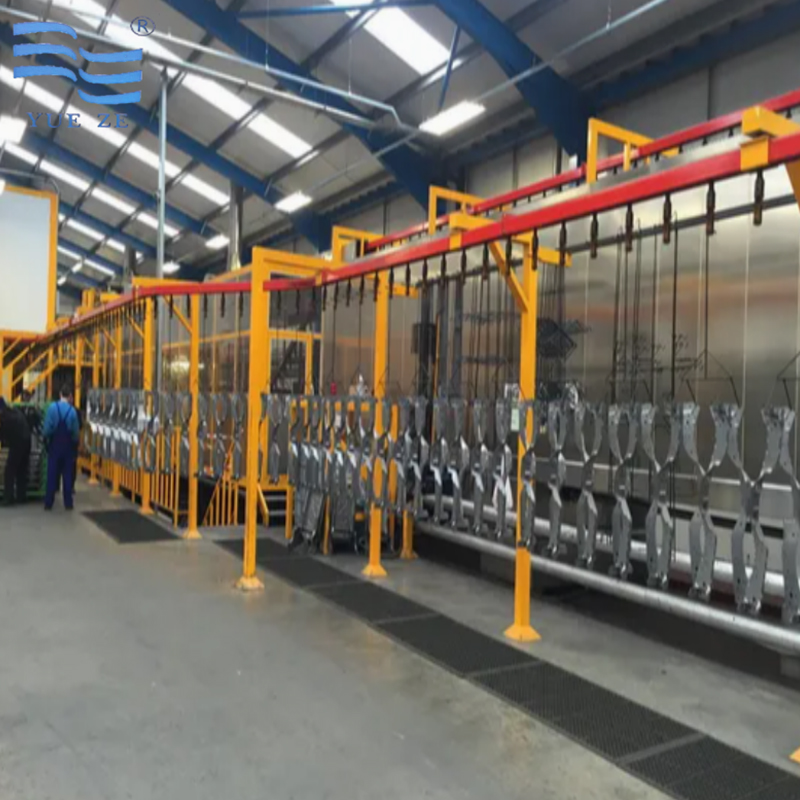
An electrophoretic coating line is a complete automatic surface treatment system. Through electrophoretic deposition, a uniform, dense, and anti-corrosion coating is formed on the metal surface. The w...
See Details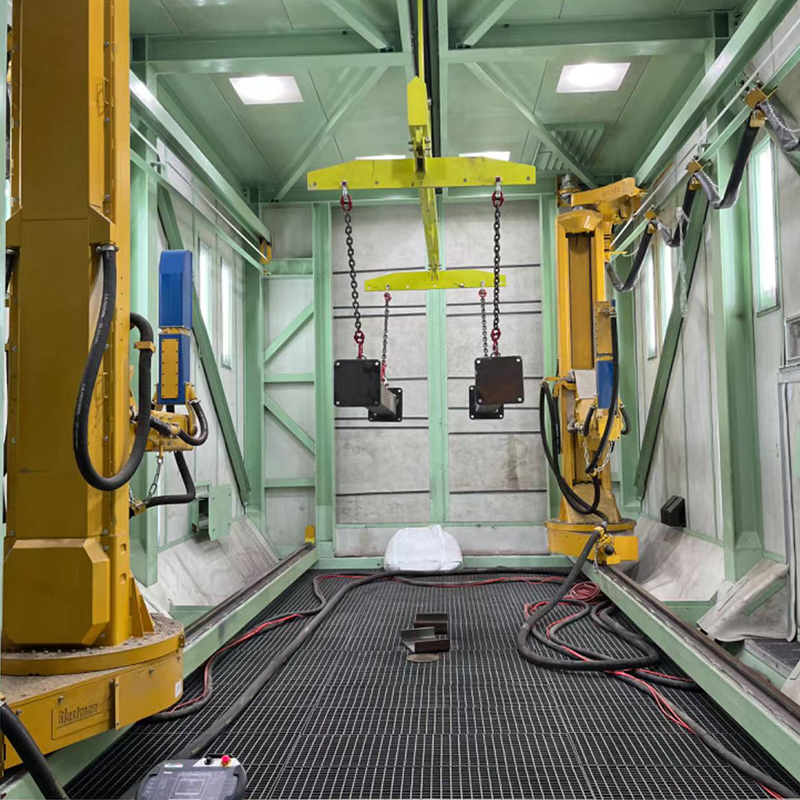
Professional coating line specially designed for large castings and heavy truck parts, applicable to various large castings (engineering castings, mining equipment castings, industrial castings) and h...
See Details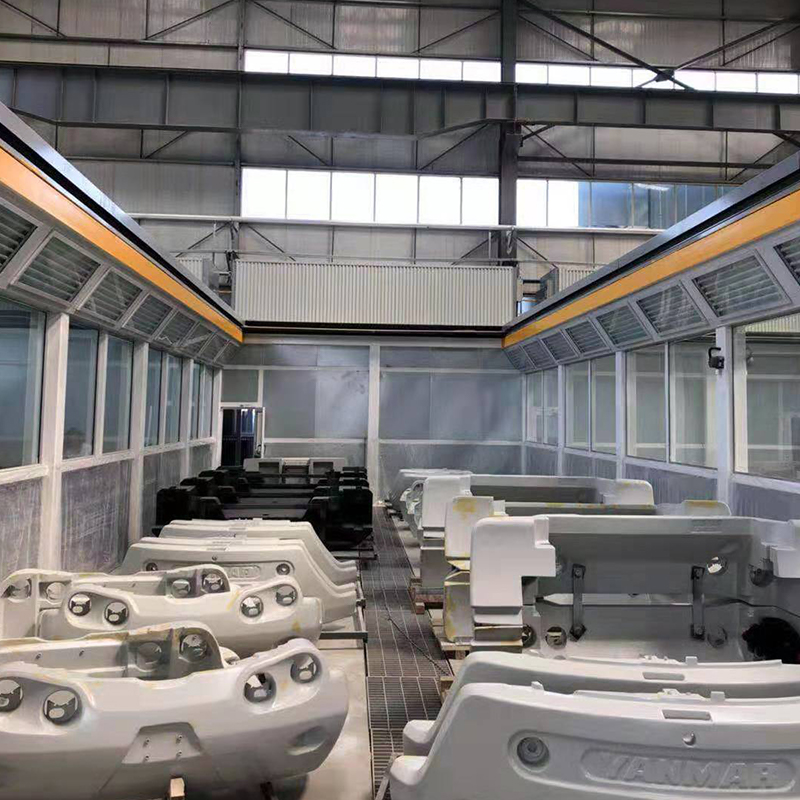
Professional spray coating line specially designed for car wheel manufacturing and refurbishment, applicable to various car wheel types (steel wheel, aluminum alloy wheel, forged wheel, cast wheel, pa...
See Details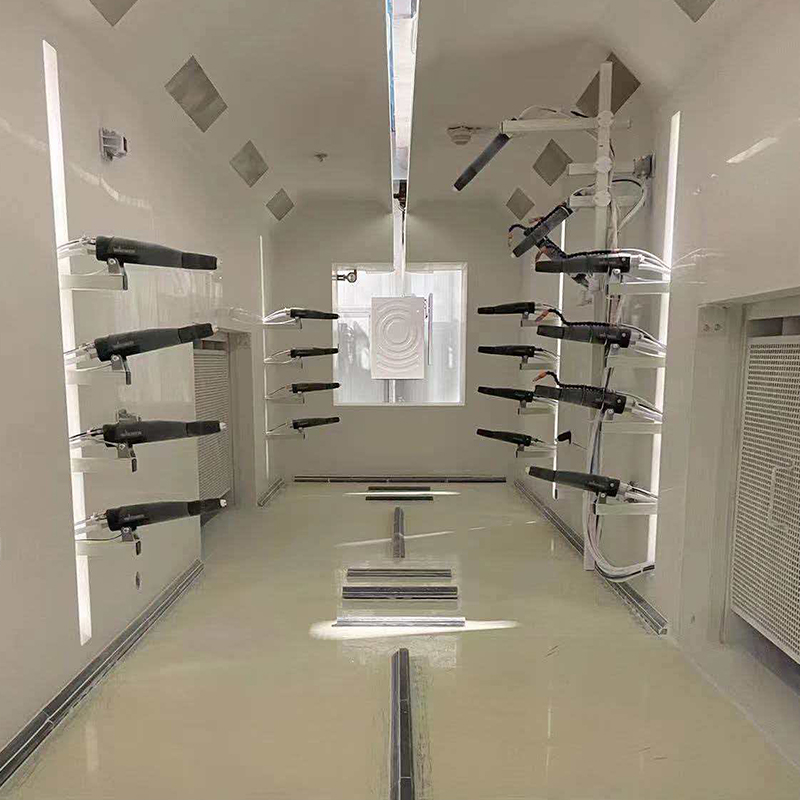
Widely used in metal workpieces such as hardware, auto parts, engineering machinery, metal furniture, art manhole covers, municipal facilities, and precision components, suitable for mass and standard...
See Details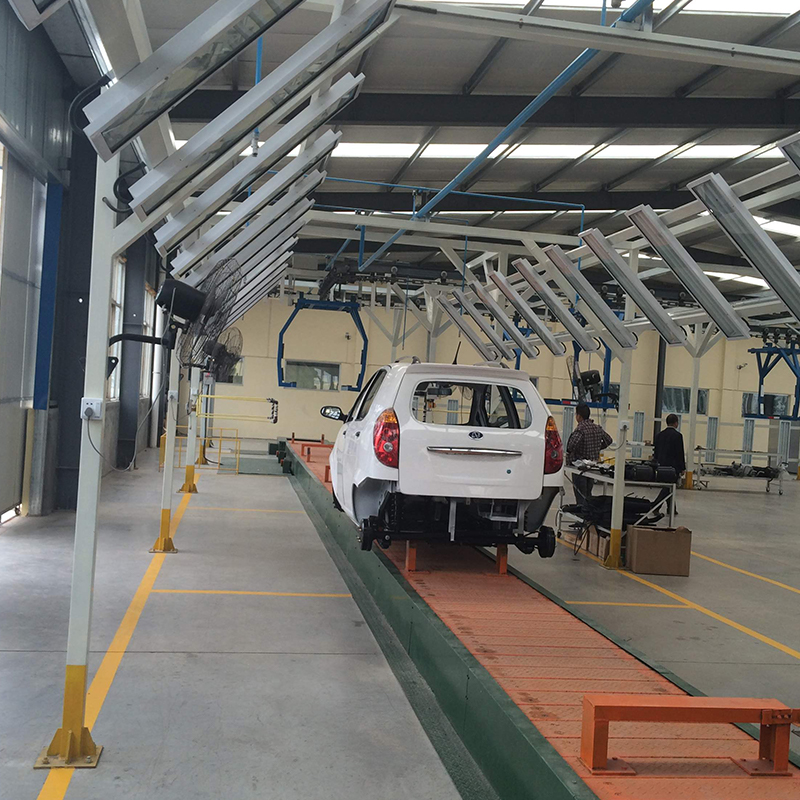
Professional electrophoresis coating line specially designed for electric vehicles (EVs), applicable to various EV types (passenger EV, commercial EV, new energy logistics vehicle) and EV components. ...
See Details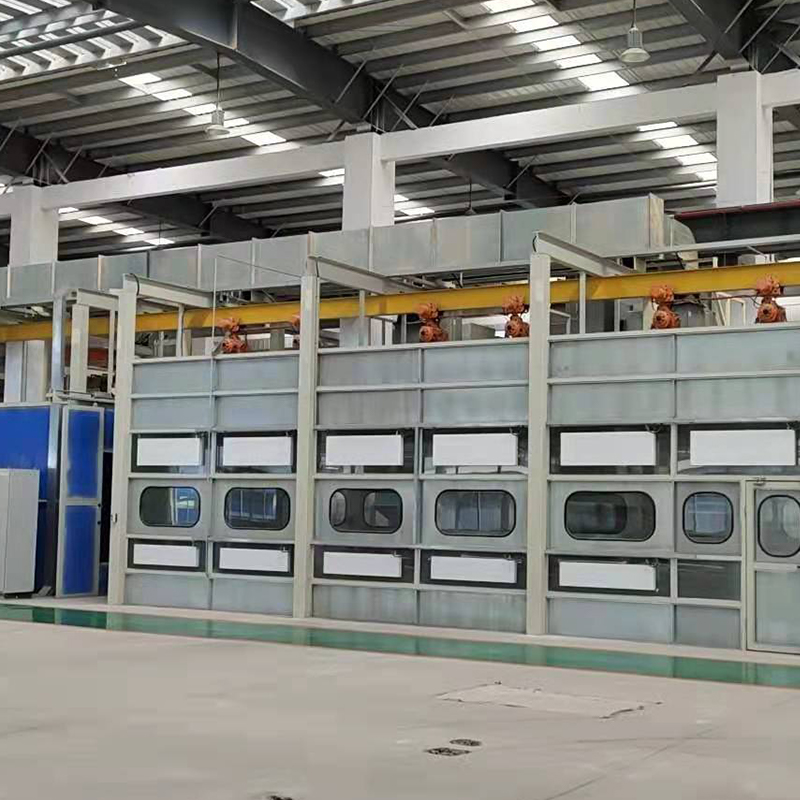
Professional spray coating line designed for engine manufacturing and maintenance, applicable to various engine types (gasoline engine, diesel engine, electric vehicle engine). Main types: engine bloc...
See DetailsBuild Your Customized Industrial Coating System
Send us your workpiece information, production capacity, coating process, workshop layout, and environmental requirements. Yueze will help evaluate your project and develop a suitable coating, conveying, drying, and environmental treatment solution.
Main menu
Products
Contact Us
Company Address:
No. 12, Park Avenue, Shanggang Industrial Park, Jianhu, Yancheng City, Jiangsu Province
Message Us Right Now!

Follow us: