
 русский
 عربى
عربى
 Tiếng Việt
Professional production line specially designed for decorative manhole covers, applicable to various decorative manhole cover types (cast iron decorative manhole cover, stainless steel decorative manh...
See Details
Yueze Environmental Protection provides one-stop compliant industrial surface treatment solutions with professional tech and fine craftsmanship.
 Get Inquiries
2026-07-31
Content
Manhole covers are manufactured through a sequence of casting, machining, and surface finishing steps, and for decorative units, a dedicated Decorative Manhole Cover Production Line handles the pattern molding, precision casting, shot blasting, and powder coating stages that turn raw ductile iron into a finished, weather-resistant street fixture. The process begins with pattern design, where the decorative relief on the cover face, whether a city emblem, geometric grid, or custom artwork, is engraved into the mold tooling before any metal is poured.
While the underlying casting method has been used for over a century, the modern manufacturing process has shifted toward automated, modular equipment. A well-configured Decorative Manhole Cover Production Line integrates casting preparation, cleaning, and coating into a continuous workflow, which improves consistency across large batches while reducing the manual labor traditionally required at each stage.
Producing a manhole cover, decorative or standard, follows a defined sequence of operations. Understanding each stage clarifies why a purpose-built production line delivers more consistent quality than piecing together individual machines.
The final powder coating stage is what gives a decorative manhole cover its long-term color retention and corrosion resistance, since an uncoated or poorly coated ductile iron surface will oxidize quickly when exposed to weather and road salt.
A modern Decorative Manhole Cover Production Line is built as a modular automatic system, meaning individual process stations, pretreatment, drying, powder spray booth, and curing oven, are connected by a conveyor so covers move through each stage without manual transfer between machines.
| Station | Function | Impact on Final Product |
|---|---|---|
| Shot blasting chamber | Removes sand, scale, and surface oxide from the casting | Improves powder adhesion and coating durability |
| Pretreatment tunnel | Degreases and chemically prepares the metal surface | Prevents coating peeling or premature corrosion |
| Drying oven | Removes residual moisture before powder application | Ensures a smooth, defect-free coating layer |
| Electrostatic powder spray booth | Applies decorative and protective powder coating | Delivers consistent color and coverage on relief patterns |
| Curing oven | Heat-cures the powder into a hardened protective film | Determines long-term weather and abrasion resistance |
Because manhole covers have deep, intricate relief patterns, the powder spray station must be carefully tuned to reach recessed surfaces evenly, which is a key differentiator between a general-purpose coating line and one specifically engineered for decorative castings.
Standard utility manhole covers are often left uncoated or given a simple asphaltic dip coating, since their function is purely structural. Decorative covers, by contrast, are frequently installed in plazas, historic districts, or landscaped walkways where visual appearance matters as much as load rating.
A Decorative Manhole Cover Production Line must therefore balance two goals at once: preserving the structural load rating required by municipal codes while achieving the surface finish quality expected in visible public spaces.
The base material selected for a manhole cover changes the manufacturing pathway significantly. Ductile iron remains the dominant choice for heavy-duty applications, but composite and other materials are also produced through different processes.
| Material | Primary Process | Typical Load Class |
|---|---|---|
| Ductile iron | Sand casting, machining, powder coating | Heavy vehicle traffic, municipal roads |
| Gray cast iron | Sand casting, basic finishing | Light to medium pedestrian and vehicle areas |
| Composite (SMC or BMC) | Compression molding under heat and pressure | Light to medium duty, anti-theft applications |
| Stainless steel | Sheet forming, welding, polishing | Decorative pedestrian areas, corrosive environments |
Ductile iron finished with a dedicated powder coating process remains the most common approach for decorative covers intended for both aesthetic appeal and heavy structural duty, since it combines high load capacity with the surface preparation needed for durable, vivid coatings.
Consistent output from a manhole cover production line depends on quality checks built into the workflow rather than inspection only at the very end. Catching defects early prevents wasted coating material and rework on castings that are already flawed.
Jiangsu Yueze Environmental Protection Equipment Co., Ltd. is a manufacturer specializing in the design, manufacturing, and installation of coating equipment, including modular automatic production lines used for decorative castings such as manhole covers. The company has built automatic painting process lines covering finishing, polishing, primer application, and top-coat curing for cast components, with projects delivered across multiple provinces for industries including construction machinery, steel mills, and foundries, reflecting experience in adapting coating line design to different casting shapes and surface finishing requirements.
Foundries and municipal suppliers evaluating a new or upgraded Decorative Manhole Cover Production Line should weigh throughput needs, coating quality targets, and the range of cover sizes and patterns they intend to produce, since these factors determine the required conveyor length, oven capacity, and spray booth configuration.
A properly specified Decorative Manhole Cover Production Line reduces manual handling, improves coating consistency across large batches, and helps foundries deliver covers that hold both their structural load rating and their visual appearance for years of outdoor service. Working with an equipment supplier experienced in casting surface treatment allows foundries to match line configuration precisely to their product mix rather than adapting a generic coating system not designed for deep-relief decorative castings.
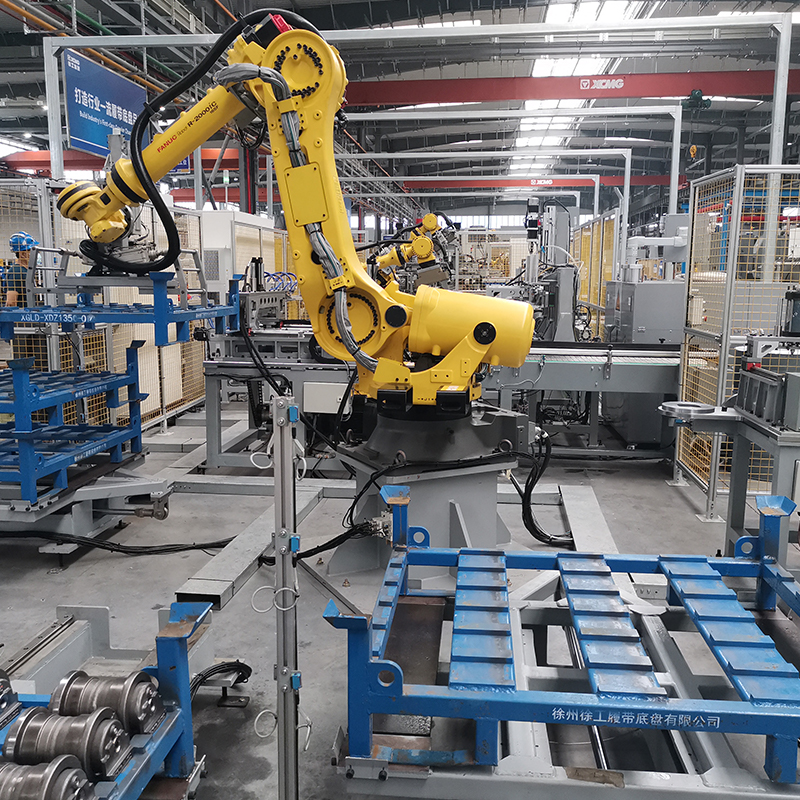
Professional production line specially designed for decorative manhole covers, applicable to various decorative manhole cover types (cast iron decorative manhole cover, stainless steel decorative manh...
See Details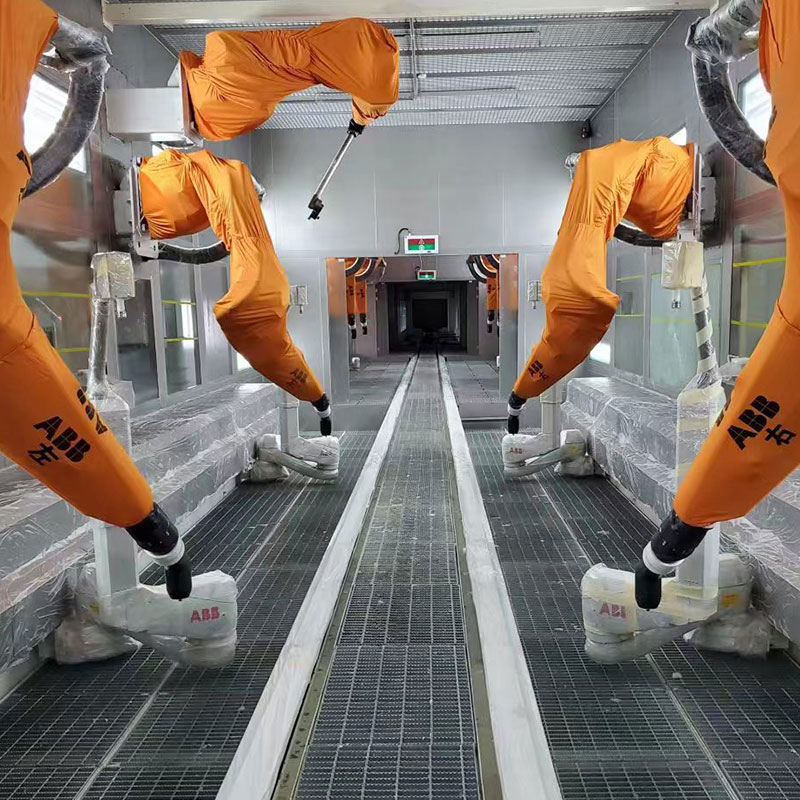
An automatic robotic spray booth is an intelligent, unmanned coating system. Equipped with a robot spraying system, constant temperature air circulation, and a high-efficiency exhaust filtration syste...
See Details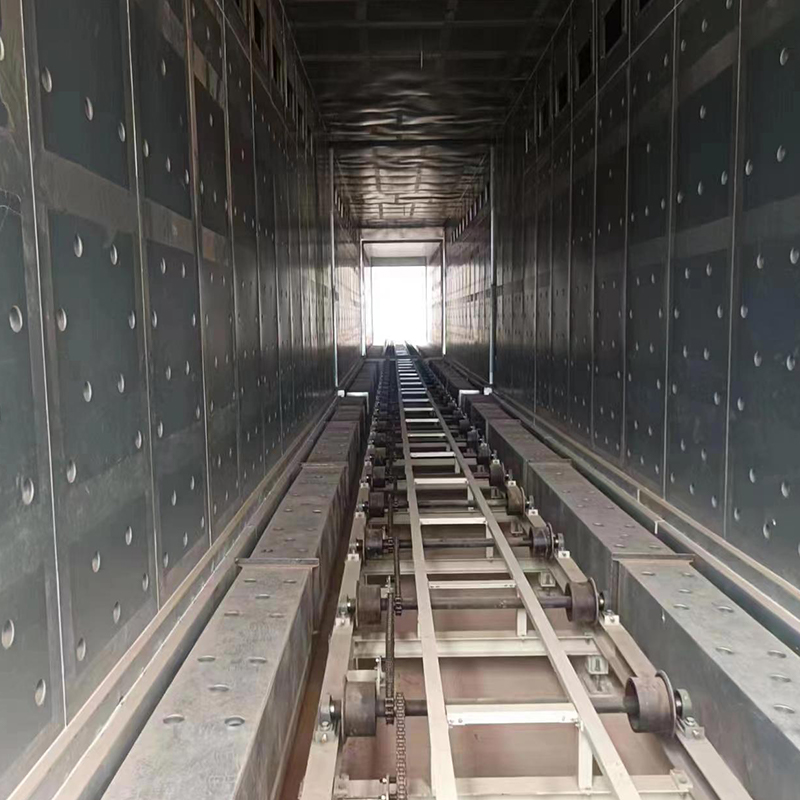
Roller table automation line, electric-driven with stable power output, mainly composed of high-quality steel rollers, drive motor, and intelligent control system. It adopts floor-mounted installation...
See Details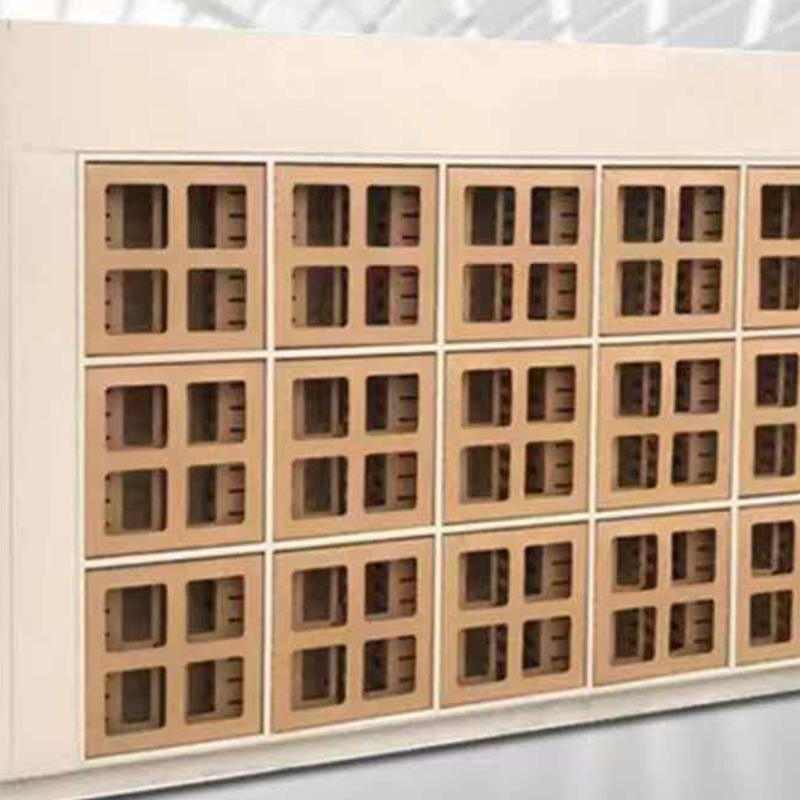
Cardboard Paint Arresto is professional equipment for capturing and filtering paint mist, mainly made of high-quality corrugated cardboard, filter cotton, and waterproof coating. It adopts a modular d...
See Details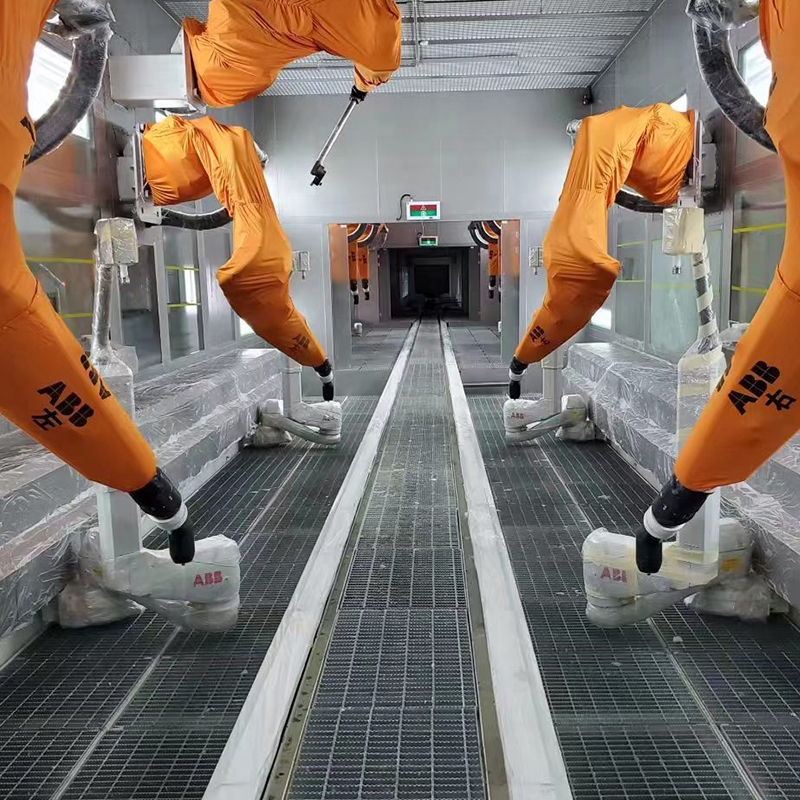
Professional spray coating line specially designed for motor casings, applicable to various motor casing types (electric vehicle motor casing, industrial motor casing, household motor casing, high-tem...
See Details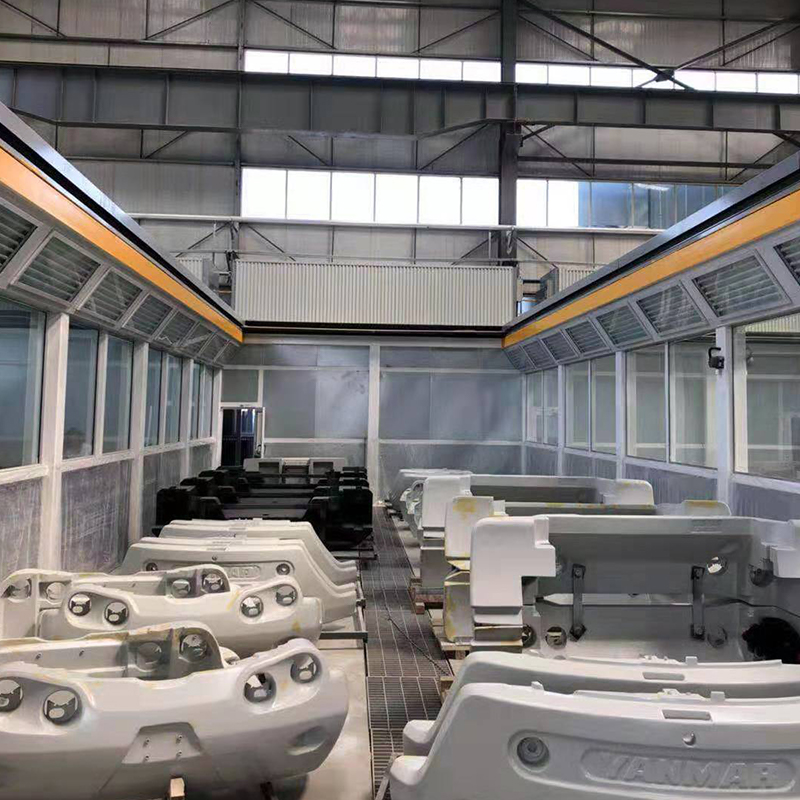
Professional spray coating line specially designed for car wheel manufacturing and refurbishment, applicable to various car wheel types (steel wheel, aluminum alloy wheel, forged wheel, cast wheel, pa...
See DetailsBuild Your Customized Industrial Coating System
Send us your workpiece information, production capacity, coating process, workshop layout, and environmental requirements. Yueze will help evaluate your project and develop a suitable coating, conveying, drying, and environmental treatment solution.
Main menu
Products
Contact Us
Company Address:
No. 12, Park Avenue, Shanggang Industrial Park, Jianhu, Yancheng City, Jiangsu Province
Message Us Right Now!

Follow us: