
 русский
 عربى
عربى
 Tiếng Việt
Professional spray coating line specially designed for car wheel manufacturing and refurbishment, applicable to various car wheel types (steel wheel, aluminum alloy wheel, forged wheel, cast wheel, pa...
See Details
Yueze Environmental Protection provides one-stop compliant industrial surface treatment solutions with professional tech and fine craftsmanship.
 Get Inquiries
2026-07-24
Content
Line coating refers to applying a protective or decorative finish — most commonly powder coating, but also liquid paint or e-coat — as parts move continuously through an automated coating production line, rather than being sprayed and cured one at a time by hand. Parts are hung on a conveyor and pass in sequence through pretreatment, drying, coating application, and curing stages, so every part receives the same process conditions in the same order. This is what gives line coating its main advantage over manual or batch spraying: consistent film thickness, consistent cure, and far higher daily throughput.
In practical terms, if a factory is producing more than a handful of coated parts per day, moving from manual spray booths to a dedicated coating production line is almost always the point where quality becomes repeatable and production cost per part starts dropping.
Batch spraying works fine at small volumes, but it runs into real limits as output requirements grow. A dedicated coating production line addresses those limits directly:
Regardless of the specific coating type used, most coating production lines follow the same fundamental sequence:
Because each stage feeds directly into the next along the same conveyor path, a well-tuned coating production line can maintain consistent quality across thousands of parts per shift without the variability that comes from manual, stage-by-stage handling.
Not every coating production line applies the same coating type. The table below compares the three most common configurations.
| System Type | Coating Material | Common Application |
|---|---|---|
| Powder coating line | Dry powder, electrostatically applied | Metal furniture, appliances, auto parts |
| Liquid/wet spray line | Solvent or water-based liquid paint | Complex geometries, thin substrates |
| E-coat (electrocoat) line | Waterborne resin, applied via electrical current | Automotive bodies, corrosion-critical parts |
A complete coating production line is built from several linked equipment groups working in sequence:
Because part size, volume, and coating type vary so widely between factories, most coating production lines are built to order rather than sold as a single fixed configuration. Key specification points include:
Once installed, a few maintenance habits keep line coating quality consistent over years of operation:
Yueze, a manufacturer producing custom coating production line equipment, designs powder coating systems built around a customer's specific part size, throughput target, and substrate requirements. When comparing equipment suppliers, asking directly about oven insulation quality, recovery booth efficiency, and control system responsiveness is one of the most reliable ways to judge how consistent a line's output will remain once it is running full shifts in production.
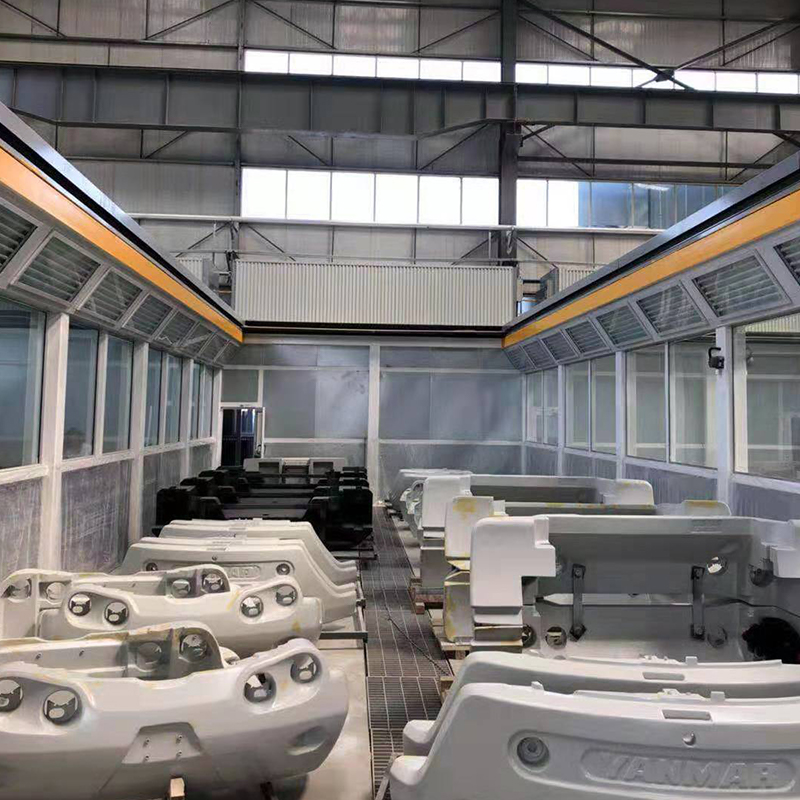
Professional spray coating line specially designed for car wheel manufacturing and refurbishment, applicable to various car wheel types (steel wheel, aluminum alloy wheel, forged wheel, cast wheel, pa...
See Details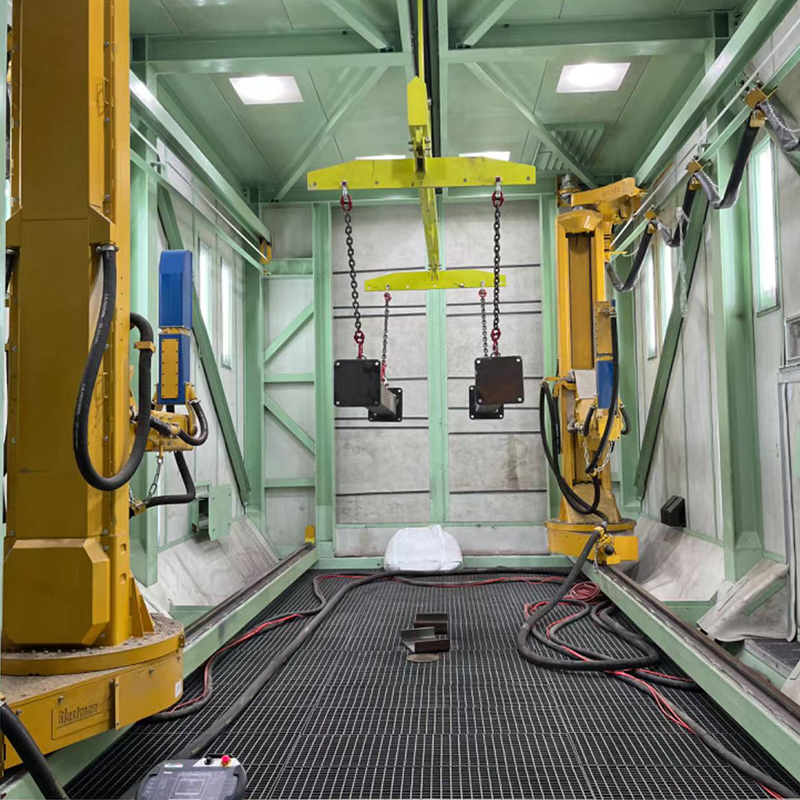
Professional coating line specially designed for large castings and heavy truck parts, applicable to various large castings (engineering castings, mining equipment castings, industrial castings) and h...
See Details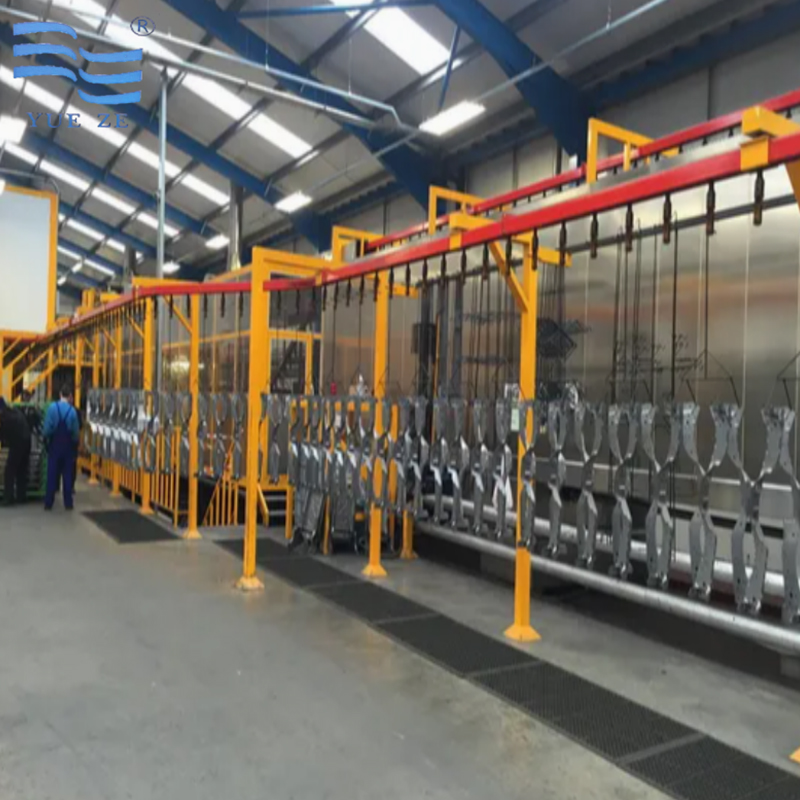
An electrophoretic coating line is a complete automatic surface treatment system. Through electrophoretic deposition, a uniform, dense, and anti-corrosion coating is formed on the metal surface. The w...
See Details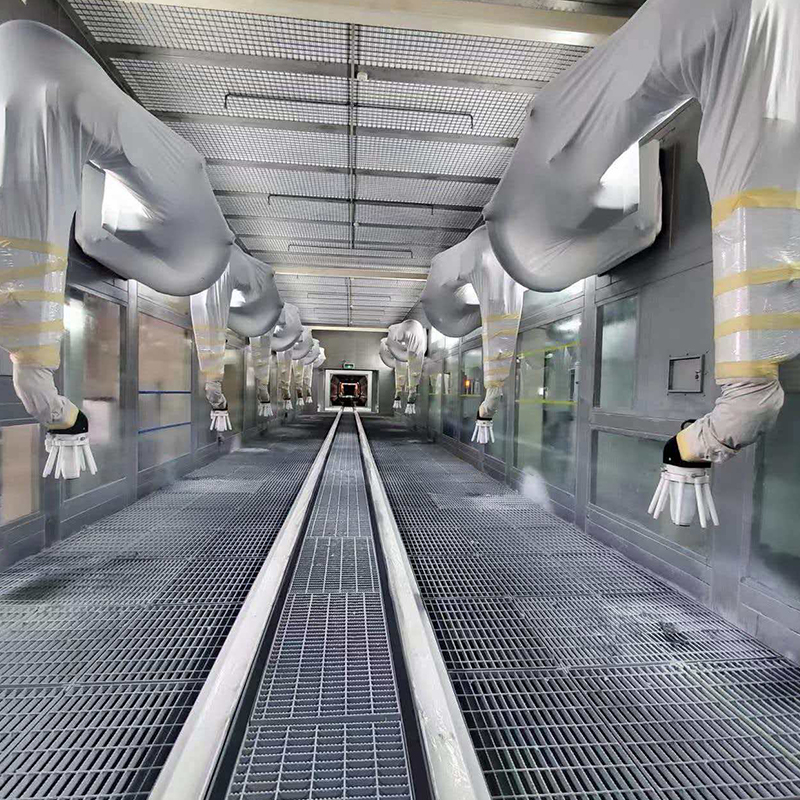
Professional coating line dedicated to truck body manufacturing and refurbishment, applicable to various truck types (heavy-duty truck, light-duty truck, pickup truck, van, commercial truck). Main typ...
See Details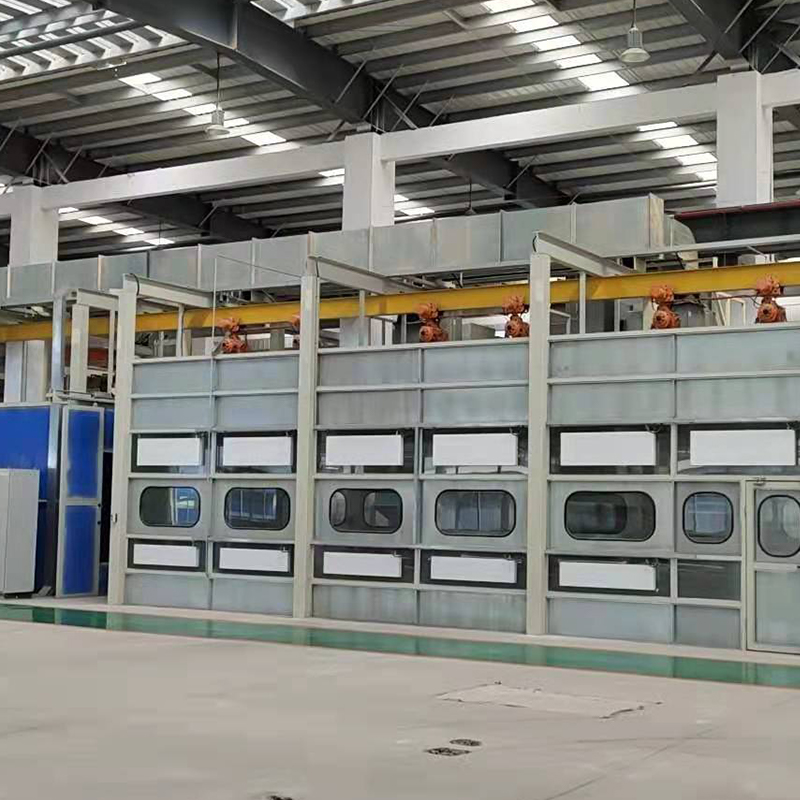
Professional spray coating line designed for engine manufacturing and maintenance, applicable to various engine types (gasoline engine, diesel engine, electric vehicle engine). Main types: engine bloc...
See Details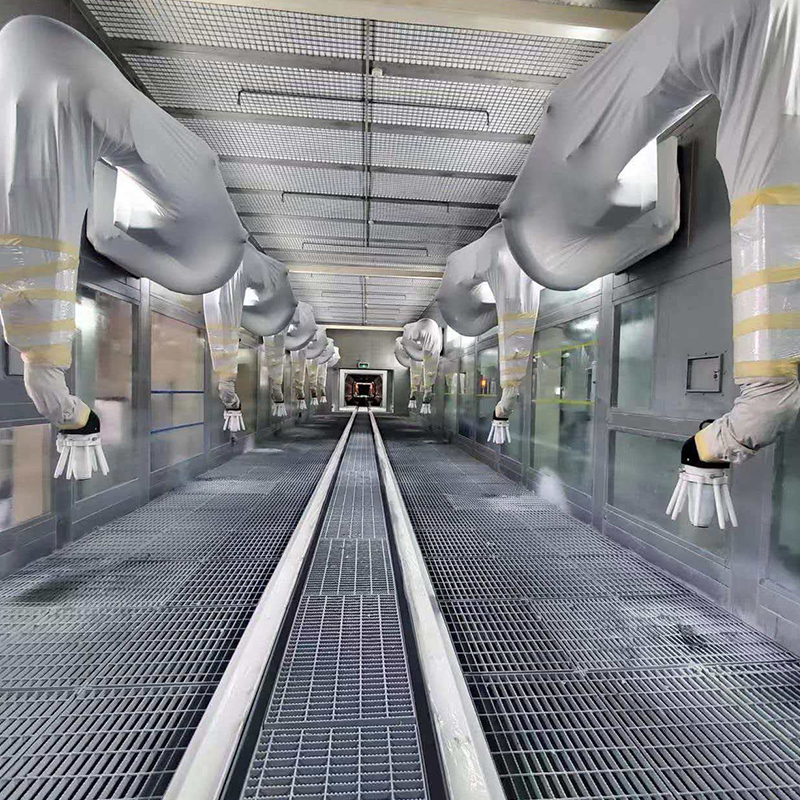
Professional spray coating line specially designed for car wheel manufacturing and refurbishment, applicable to various car wheel types (steel wheel, aluminum alloy wheel, forged wheel, cast wheel, pa...
See DetailsBuild Your Customized Industrial Coating System
Send us your workpiece information, production capacity, coating process, workshop layout, and environmental requirements. Yueze will help evaluate your project and develop a suitable coating, conveying, drying, and environmental treatment solution.
Main menu
Products
Contact Us
Company Address:
No. 12, Park Avenue, Shanggang Industrial Park, Jianhu, Yancheng City, Jiangsu Province
Message Us Right Now!

Follow us: