
 русский
 عربى
 Tiếng Việt
Widely used in metal workpieces such as hardware, auto parts, engineering machinery, metal furniture, art manhole covers, municipal facilities, and precision components, suitable for mass and standard...
See Details
Yueze Environmental Protection provides one-stop compliant industrial surface treatment solutions with professional tech and fine craftsmanship.
 Get Inquiries
2026-10-30
Content
Powder coating does one essential job: it turns a bare metal surface into a part that resists corrosion, abrasion, chemicals, and impact for years. Unlike liquid paint, which relies on solvents to carry pigment, powder coating uses a dry blend of resin and pigment that is electrostatically sprayed onto a grounded workpiece and then fused in a curing oven into a continuous, cross-linked film.
That difference in mechanism leads to a measurable difference in results. A cured powder film typically lands at 60-120 microns, produces near-zero VOC emissions, and delivers impact and salt-spray performance that most liquid paints cannot match in a single coat. For a manufacturer, the practical meaning is straightforward: fewer rejects, longer part life, and a lower cost per finished part once the line is running consistently.
The first job of powder coating is sealing the substrate from moisture and oxygen. Once cured, the film acts as a barrier that stops rust from starting at scratches, cut edges, and fastener holes. With a zinc phosphate or zirconium pretreatment underneath, powder-coated steel parts commonly pass 500 to more than 1,000 hours of neutral salt spray testing before corrosion reaches the base metal.
The second job is mechanical toughness. Thermoset powder films cross-link during curing, forming a polymer network that absorbs impact and resists scratching. Production specs for coated components frequently cite direct impact resistance of 40-80 inch-pounds and pencil hardness of 2H to 4H, which is why powder-coated enclosures, frames, and wheel rims survive transport and installation without showing wear.
The third job is appearance, and here the thickness works in your favor. Powder coats come in smooth, textured, metallic, and matte finishes, hold color well under UV exposure, and provide more even coverage on corners and edges than thin liquid films. This combination of protection, toughness, and finish quality is the reason powder coating is specified for parts that must keep both function and appearance over a long service life.
Powder coating delivers its promised performance only when the process is controlled. Every line, from a manual booth to a fully conveyorized system, follows the same three stages:
An automated line does not change this chemistry; it improves consistency. Programmable guns, accurate oven zones, and conveyor pacing turn a hand-operated process into a repeatable production step. For high-volume work, a dedicated line links every stage so parts move from pretreatment to cooling without intermediate handling, which is where most quality variation is introduced.
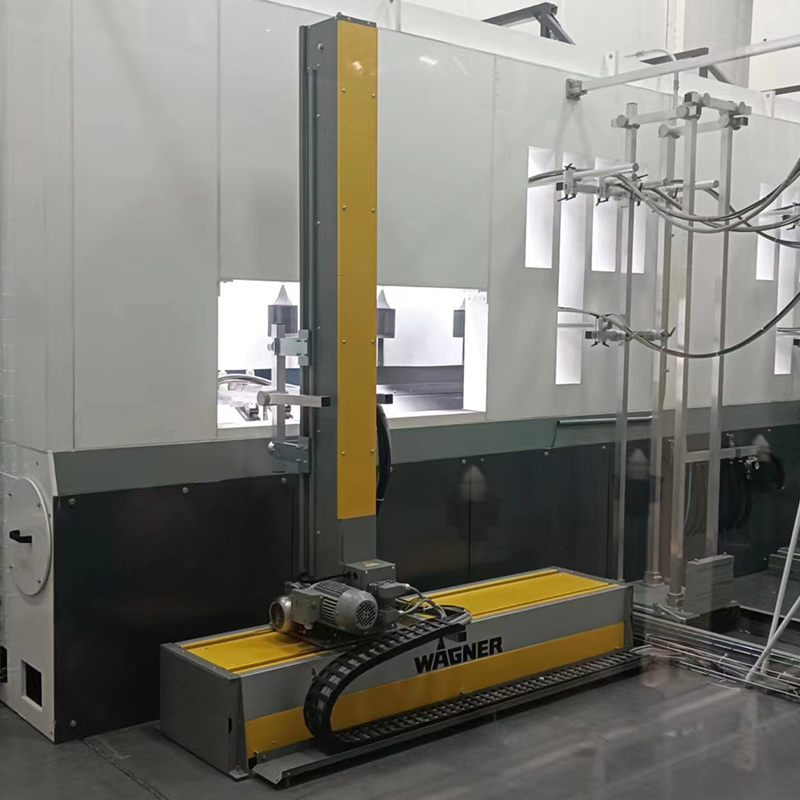 Complete Powder Coating Line for High-Volume Metal FinishingThis automated system integrates pretreatment, powder application, and curing for continuous production. It suits mass finishing of metal parts, offers high powder reuse, and reduces labor cost. Relevant when comparing solvent-based painting to powder coating for consistent quality.View Product →
If you are evaluating a new finishing line, the comparison below reflects what most shops see after switching production from solvent-based spray painting to powder. Numbers vary by resin and pretreatment, but the pattern is consistent.
| Property | Powder Coating | Liquid Paint |
|---|---|---|
| Film thickness per coat | 60-120 microns | 25-80 microns, usually needs several coats |
| Material utilization | Above 90% with reclaim | 30-60% typical transfer efficiency |
| VOC emissions | Near zero | Solvent-based: high; waterborne: low |
| Impact and scratch resistance | High; cross-linked film | Moderate; varies by resin |
| Edge coverage | Even on corners and holes | Thin at edges; runs and sags possible |
| Color change time | Minutes with dedicated recovery | Solvent flush required; slower |
The reason this matters on the shop floor is consistency. Powder application is less dependent on the painter's technique, so film thickness stays uniform across long production runs. Overspray can be recovered and reused, which brings material utilization above 90 percent in most lines. And because there are no solvents to evaporate, defects like runs, sags, and solvent pop largely disappear.
There is also an energy trade-off to understand. Powder needs a curing oven at 180-200°C, so the line consumes more power than an air-dry liquid system. Factories that already bake parts, or that need the throughput of a continuous oven, usually find the energy cost more than offset by reduced rework and lower material spending.
Powder coating earns its keep in environments where painted parts are expected to survive real abuse. In automotive and EV manufacturing, powder coats protect battery trays, suspension components, motor casings, and wheels from salt, coolant, and stone chips. Construction machinery makers apply powder to booms, frames, and guards that operate in mud and rain. Foundries use it on counterweights and castings that are handled brutally during shipping and installation. Furniture and appliance makers rely on it for consistent color and scratch resistance on visible surfaces.
For production shops, the common thread is volume. Powder coating becomes economical when parts flow continuously through a line, because the same equipment can finish thousands of identical parts per shift. That is why many factories pair a powder booth with an automatic robotic spray booth to keep film thickness uniform on complex geometries, and why modular lines are now built specifically for wheels, truck cabs, engine housings, and small components.
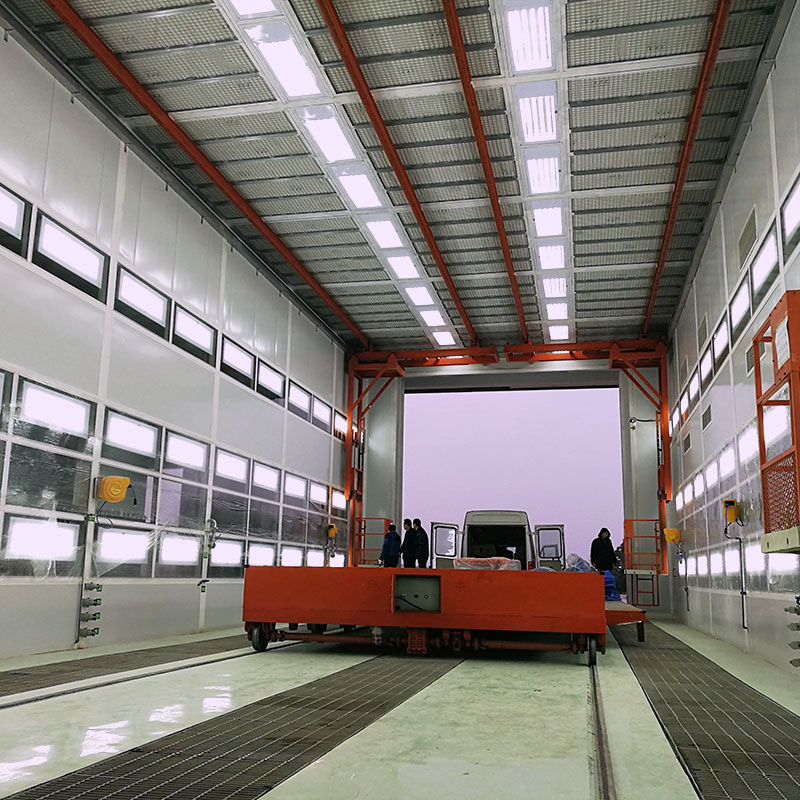 Robotic Spray Booth for Automated and Uniform Powder ApplicationThis unmanned booth uses programmable robots for precise coating on complex parts, achieving high repeatability and powder utilization. It supports 24-hour operation and is ideal for large workpieces or mass production, directly addressing the need for consistent film thickness on difficult geometries.View Product →
Switching to powder coating is a process decision, not just an equipment purchase. Five factors have an outsized effect on the results you will get.
None of these factors are exotic, but they are easy to underestimate during planning. A good starting point is to review the full equipment list used in a coating production line, then map each item to your part mix and shift targets. You also need a drying room sized to the line speed, because it gates everything downstream.
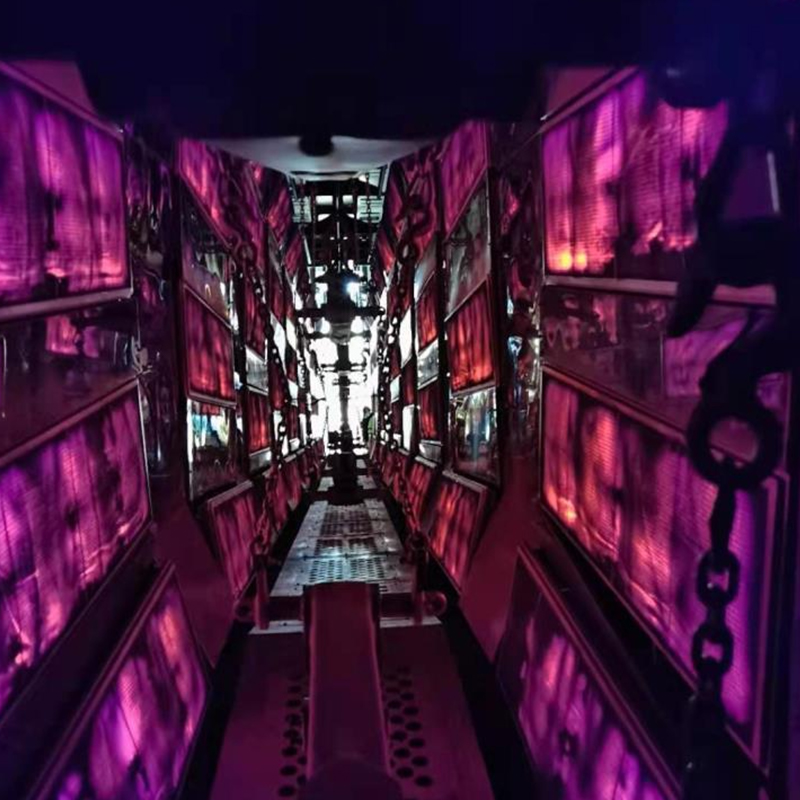 Industrial Drying Room for Curing and Dehydration of Coated PartsThis batch or inline unit provides accurate temperature control and uniform hot air circulation for complete curing of powder coatings. Size and heating mode are customizable, making it essential to match line speed and ensure downstream processes are not bottlenecked.View Product →
The shortest summary is also the most useful one: powder coating does its job when the surface is clean, the powder is applied evenly, and the oven is accurate. Get those three conditions right, and the finish will protect the part far longer than conventional paint.
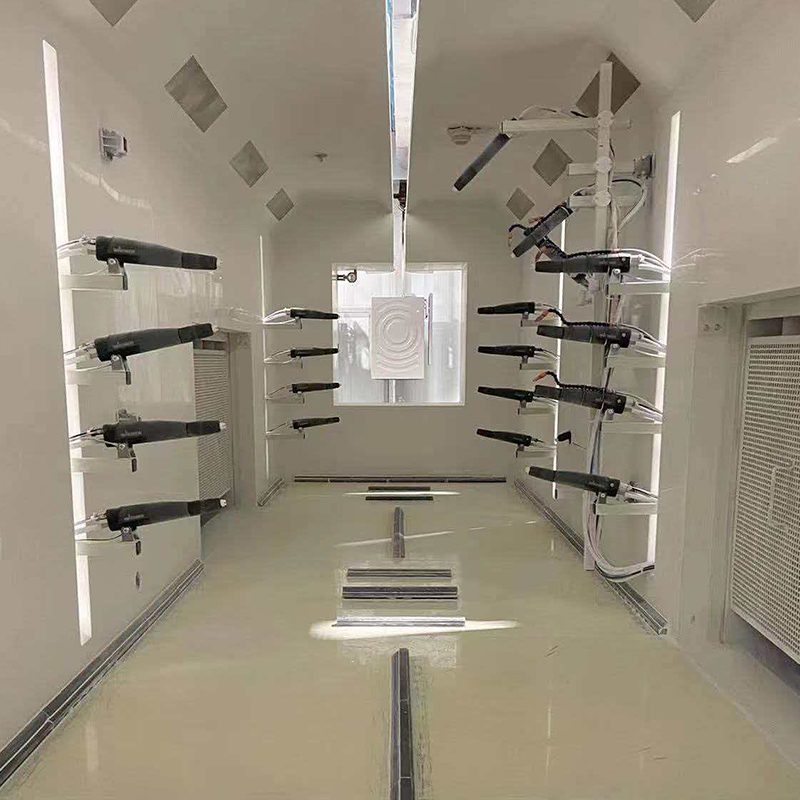
Widely used in metal workpieces such as hardware, auto parts, engineering machinery, metal furniture, art manhole covers, municipal facilities, and precision components, suitable for mass and standard...
See Details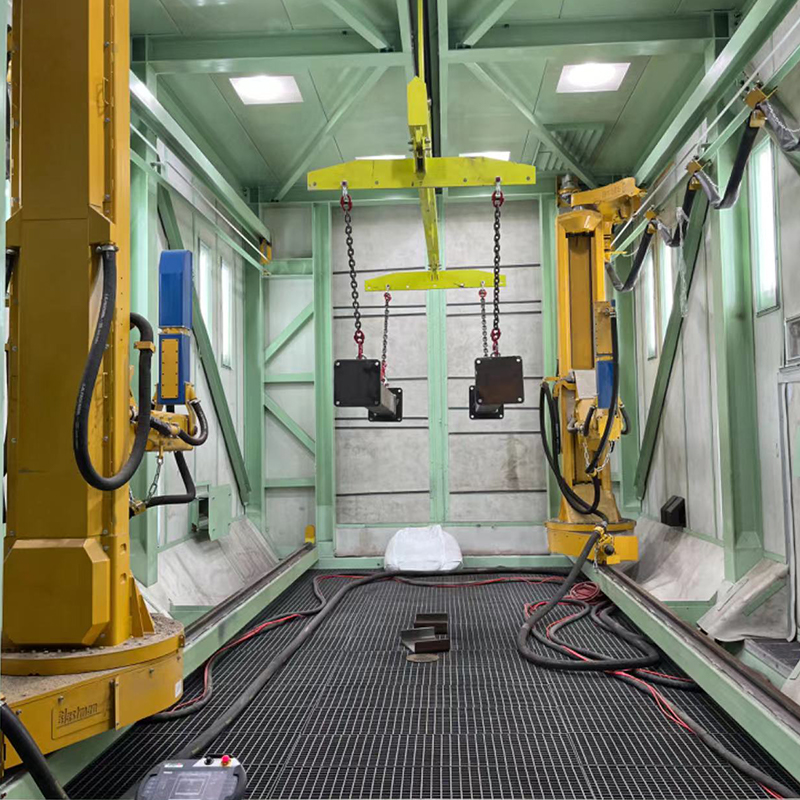
Professional coating line specially designed for large castings and heavy truck parts, applicable to various large castings (engineering castings, mining equipment castings, industrial castings) and h...
See Details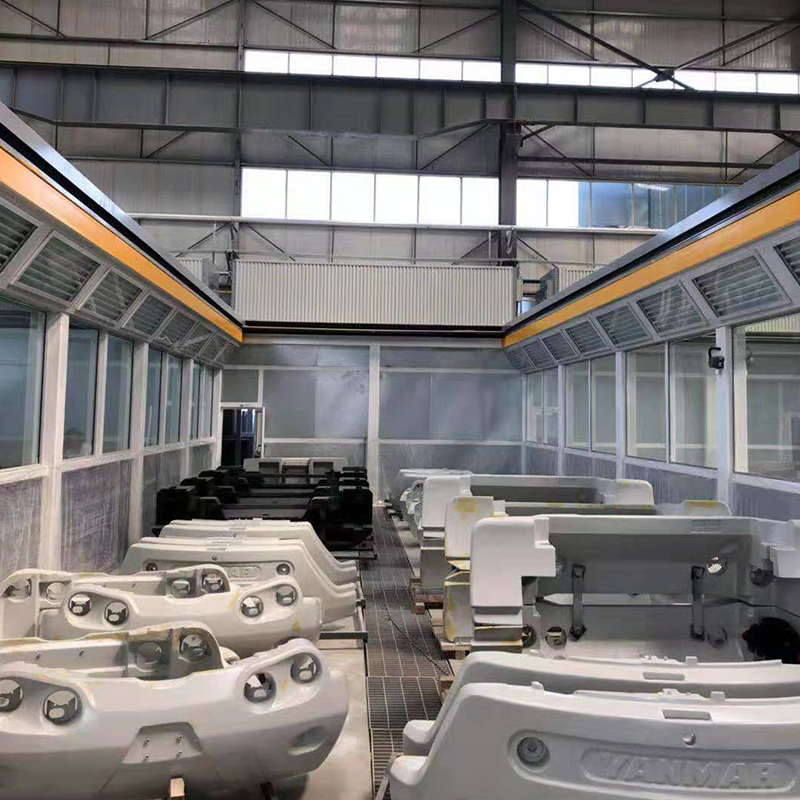
Professional spray coating line specially designed for car wheel manufacturing and refurbishment, applicable to various car wheel types (steel wheel, aluminum alloy wheel, forged wheel, cast wheel, pa...
See Details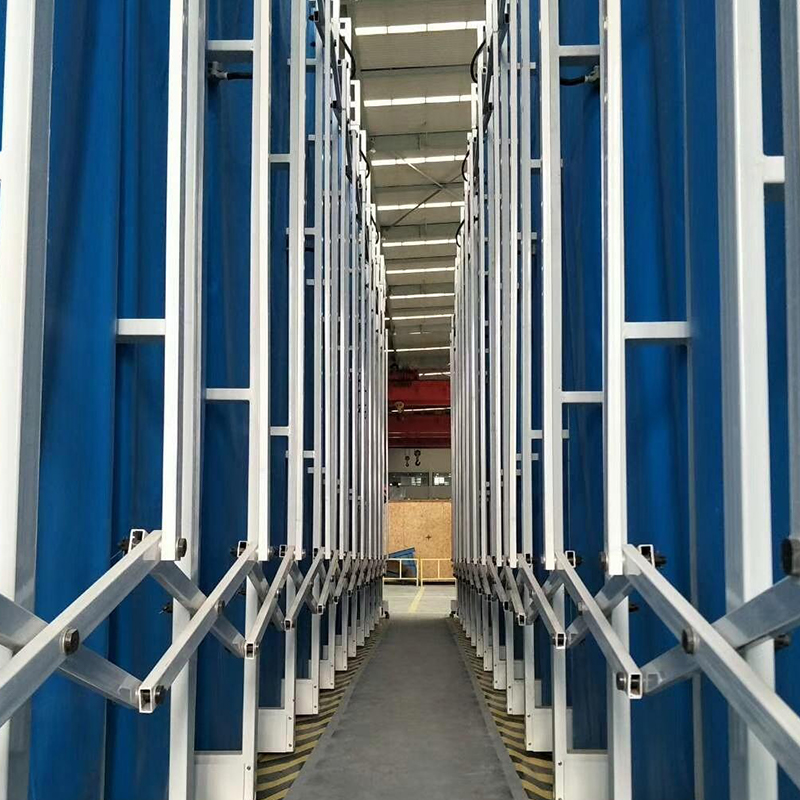
The retractable mobile spray & sanding booth is a flexible, space-saving, and multi-functional coating workstation. With a telescopic movable structure and integrated dust & paint mist filtrat...
See Details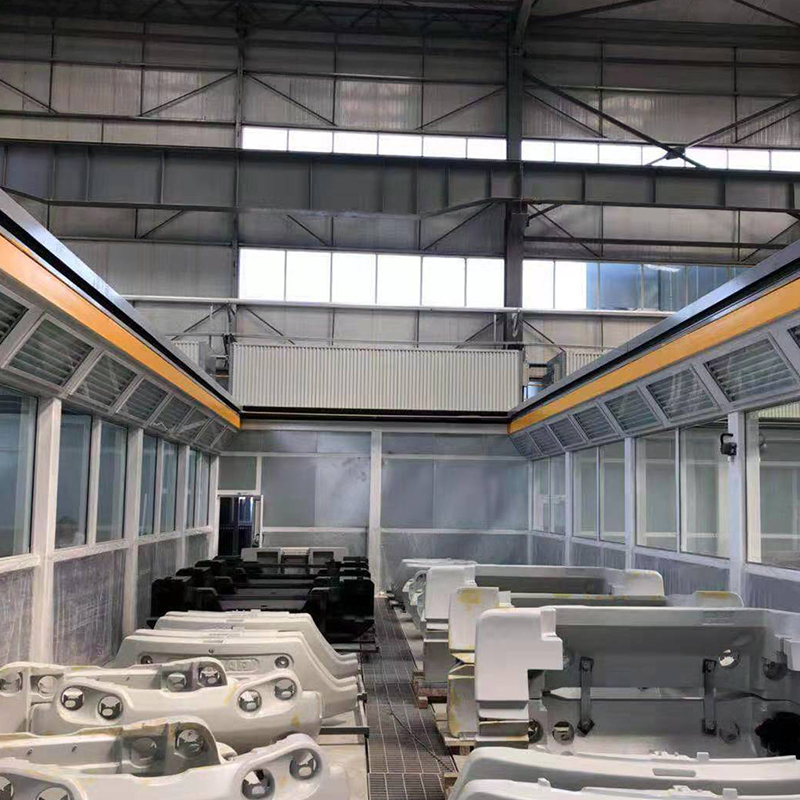
The retractable mobile spray & sanding booth is a flexible, space-saving, and multi-functional coating workstation. With a telescopic movable structure and integrated dust & paint mist filtrat...
See Details
We supply high-quality blasting room and automatic shot blasting machines. The equipment adopts mature surface treatment technology, realizing rust removal, oxide layer cleaning and surface roughening...
See DetailsBuild Your Customized Industrial Coating System
Send us your workpiece information, production capacity, coating process, workshop layout, and environmental requirements. Yueze will help evaluate your project and develop a suitable coating, conveying, drying, and environmental treatment solution.
Main menu
Products
Contact Us
Company Address:
No. 12, Park Avenue, Shanggang Industrial Park, Jianhu, Yancheng City, Jiangsu Province
Message Us Right Now!

Follow us: