
 русский
 عربى
 Tiếng Việt
The retractable mobile spray & sanding booth is a flexible, space-saving, and multi-functional coating workstation. With a telescopic movable structure and integrated dust & paint mist filtrat...
See Details
Yueze Environmental Protection provides one-stop compliant industrial surface treatment solutions with professional tech and fine craftsmanship.
 Get Inquiries
2026-10-02
Content
In Pune, a metal fabricator learned that a spray booth permit is not a single document. A state pollution control board inspection found solvent vapor drifting from the booth's open face, while the factory inspectorate questioned the electrical fittings near the solvent storage area. The plant had a booth, but it did not have a compliance story that matched India's overlapping rules.
Here is the practical takeaway: spray booth regulations in India come from four directions — factory safety, petroleum and explosives licensing, environmental emission control, and state-level building and fire codes. A booth that meets only one layer, such as airflow or fire rating, can still fail an inspection. The rest of this guide explains what each regulator expects, where the numbers come from, and how to verify a new or upgraded booth before it is installed.
India does not have one standalone "spray booth code." Instead, a coating operation is regulated by a combination of national acts, rules, and standards, interpreted by state factory departments and pollution control boards. For a manufacturing plant, the four layers below usually matter most.
Because these layers overlap, a single vendor specification sheet is rarely enough. The booth must be designed so that airflow, electrical classification, solvent storage, and emission treatment all point to the same compliance conclusion.
For a spray booth, the most scrutinized performance figure is air velocity across the open face. Many Indian project specifications and insurance reviews reference a minimum of 0.5 metres per second (about 100 feet per minute) at the booth opening during spraying. Dry filter booths often target 0.4 to 0.6 m/s, depending on the paint chemistry and the amount of overspray.
Why this number matters: if velocity is too low, solvent vapor and paint mist can escape into the workshop, triggering both fire risk and worker exposure concerns. If velocity is too high, you waste energy and may pull dust into the finish. Inspectors often check the booth's manometer or pressure gauge, filter loading, and the fan curve. A booth without a documented airflow test can be treated as unverified, even if it looks clean.
Design details that support compliance include interlocked fans, visible pressure differential gauges, and filters that match the paint type. For high-volume operations, automatic and robotic booths can maintain consistent extraction while reducing operator exposure. A compliant robotic spray booth must still meet the same airflow and electrical rules as a manual unit.
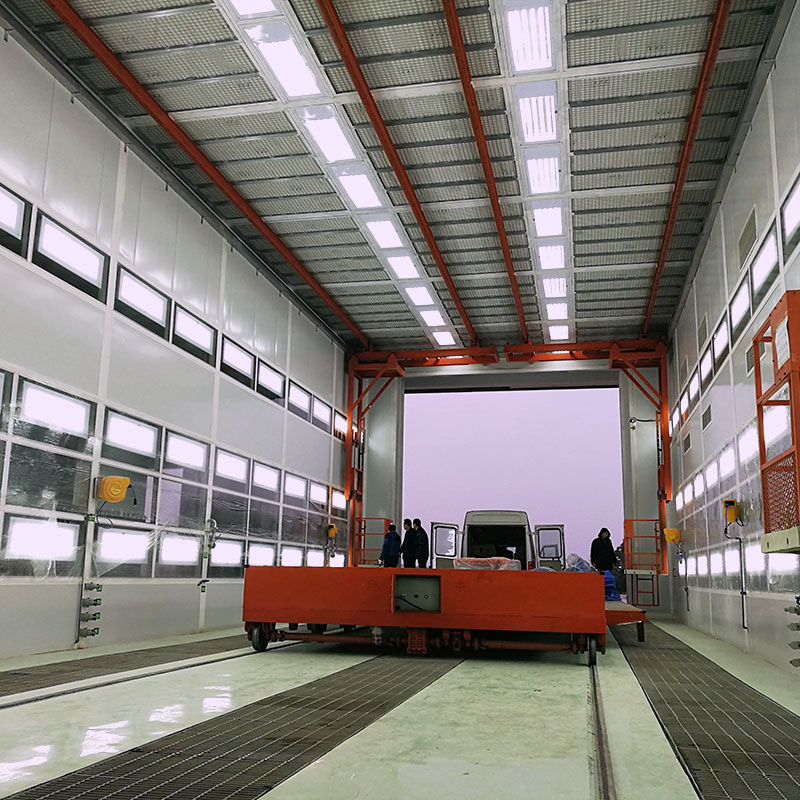 Automatic Robotic Spray BoothAn automatic robotic spray booth is an intelligent, unmanned coating system. Equipped with a robot spraying system, constant temperature air circulation, and a high-ef...View Product →
Solvent-based paints bring flammable vapor into the booth. Under Petroleum Rules and PESO expectations, flammable liquid storage areas are classified, and electrical equipment inside the hazardous zone must be rated for the appropriate gas group and temperature class. Ordinary light fittings, switches, and motors are common inspection failures.
Bonding and grounding are equally important. All conductive parts of the booth, the conveyor, the workpiece hangers, and the paint container should be bonded so that static charges cannot build up. Fire dampers, spark-proof fans, and a clear separation between the spray zone and solvent storage reduce the chance that a small ignition becomes a major incident.
In practice, a fire-safety review for an Indian spray booth usually asks three questions: Is the electrical classification documented? Is the grounding continuity tested and logged? Is the solvent storage quantity and location approved? If the answer to any is no, the booth may be shut down even when the paint finish quality is excellent.
Environmental compliance does not stop at the booth exhaust. CPCB and state board rules control particulate matter and VOC emissions from coating operations. For solvent-based paints, a dry filter alone may not meet the limit; a downstream VOC control device, such as activated carbon adsorption or thermal oxidation, may be required. Dust from sanding and shot blasting also needs capture and filtration.
The equipment package typically includes a dust collector for particulate and a waste gas treatment unit for VOCs. The selection depends on solvent type, concentration, airflow, and the local SPCB consent conditions. Painting shops in industrial estates may face stricter limits than isolated rural plants, so the emission target should be confirmed before the booth is ordered.
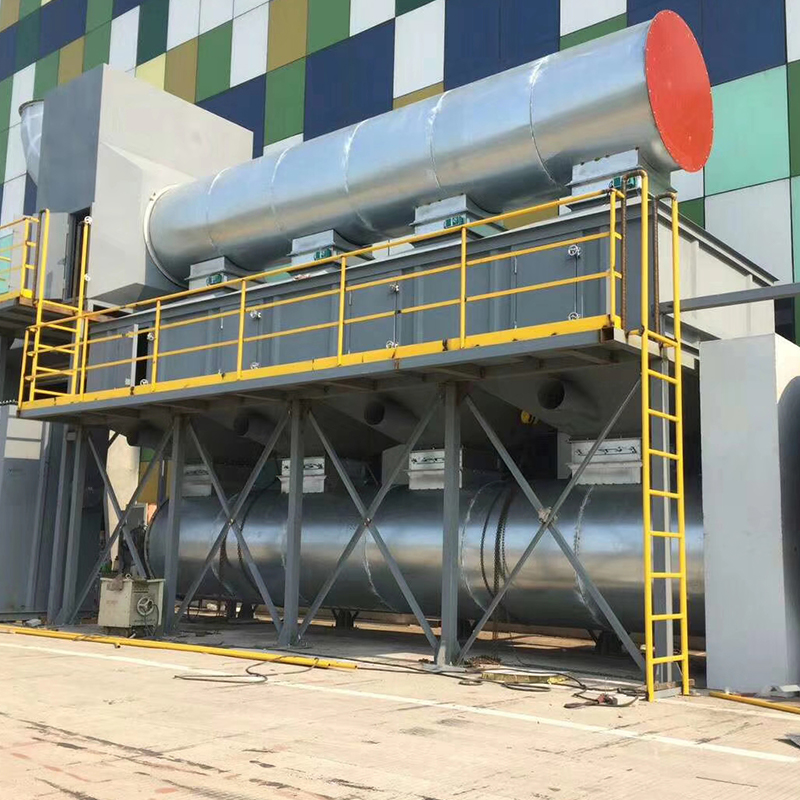 Waste Gas Treatment EquipmentWaste Gas Treatment Equipment, electric-driven with stable power output, mainly composed of a gas collection hood, purification filter, fan, control system, and waste ...View Product →
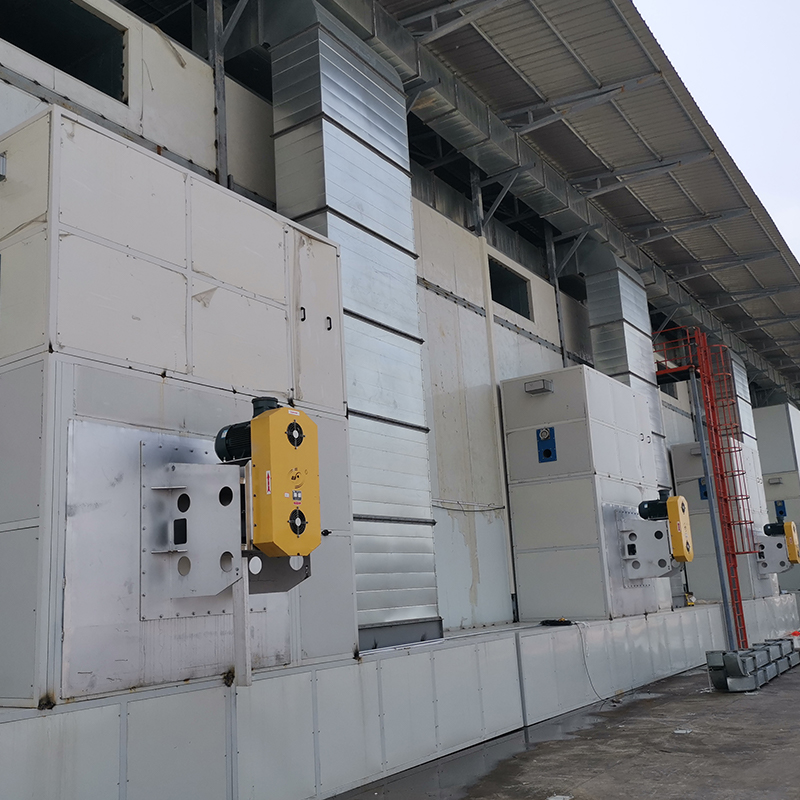 Dust CollectorDust Collector, electric-driven with stable power output, mainly composed of a dust collection hood, filter element, fan, control system, and ash discharge device. It ...View Product →
Solid waste is the other half of the compliance picture. Spent filters, paint sludge, and solvent-soaked rags are usually classified as hazardous waste under the Hazardous and Other Wastes (Management and Transboundary Movement) Rules, 2016. They must be stored, labelled, and sent to an authorised treatment, storage, and disposal facility. Some plants evaluate on-site solid waste incinerator options for suitable waste streams, but the decision must match the waste category and state approvals.
The table below summarises the main regulatory touchpoints, the typical evidence an inspector asks for, and the practical design response. Use it as a checklist during booth specification and pre-inspection audits.
| Regulatory layer | Typical requirement | Evidence to keep | Design response |
|---|---|---|---|
| Factories Act and state factory rules | Ventilation, dust and fume removal, fire safety | Airflow test report, maintenance log | Interlocked fans, pressure gauges, filter schedule |
| Petroleum Rules and PESO | Flammable liquid storage licence, hazardous area classification | PESO licence, electrical certificate, grounding test | Flameproof fittings, bonding, spill containment |
| Environment (Protection) Act, CPCB and SPCB | Emission limits for particulate and VOC, consent to operate | Stack test report, consent order, filter disposal records | Dust collector, VOC control, ducting design |
| Hazardous waste rules | Segregation, labelling, authorised disposal | Manifest documents, storage area records | Sealed filter bins, sludge collection, dedicated storage |
| BIS and local fire codes | Booth construction, electrical equipment, fire suppression | Material certificates, fire NOC, equipment datasheets | Non-combustible panels, rated electricals, suppression system |
Many compliance failures are set before the booth arrives. A low-cost quotation may exclude the documentation package, leaving the plant to argue with inspectors after installation. For an Indian project, the purchase order should require a compliance file that includes electrical classification drawings, fan performance curves, airflow test reports, material certificates, and a hazardous area assessment.
Ask the supplier to confirm the booth's design basis in writing. Which standard was used for the airflow calculation? What gas group and temperature class apply to the electricals? How will VOC treatment meet the SPCB consent limit? If the supplier cannot answer these questions, the equipment may be technically functional but commercially risky.
For automotive and EV manufacturing, where coating lines run at high throughput, the same compliance logic applies to the full line, not only the booth. A complete line includes pretreatment, drying, conveyor, and emission control. Buyers evaluating automotive and EV manufacturing coating solutions should map every subsystem to the relevant Indian regulation before layout approval.
Spray booth regulations in India are layered, but they are not mysterious. The plants that pass inspections without drama treat compliance as a design input from day one: airflow is calculated and tested, electricals are classified and certified, emissions are captured and treated, and hazardous waste is documented from the first filter change.
The cost of retrofitting a booth after a shutdown notice is almost always higher than specifying the right documentation and safety features at the order stage. Whether you are installing a manual booth, a robotic booth, or a full coating line, the winning approach is to collect the evidence before the inspector asks for it.
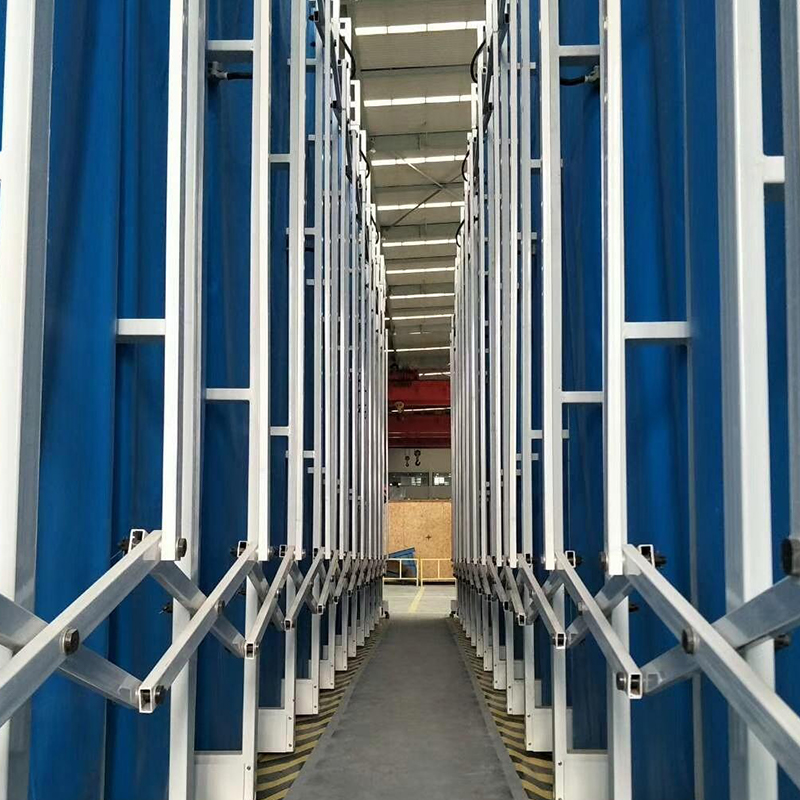
The retractable mobile spray & sanding booth is a flexible, space-saving, and multi-functional coating workstation. With a telescopic movable structure and integrated dust & paint mist filtrat...
See Details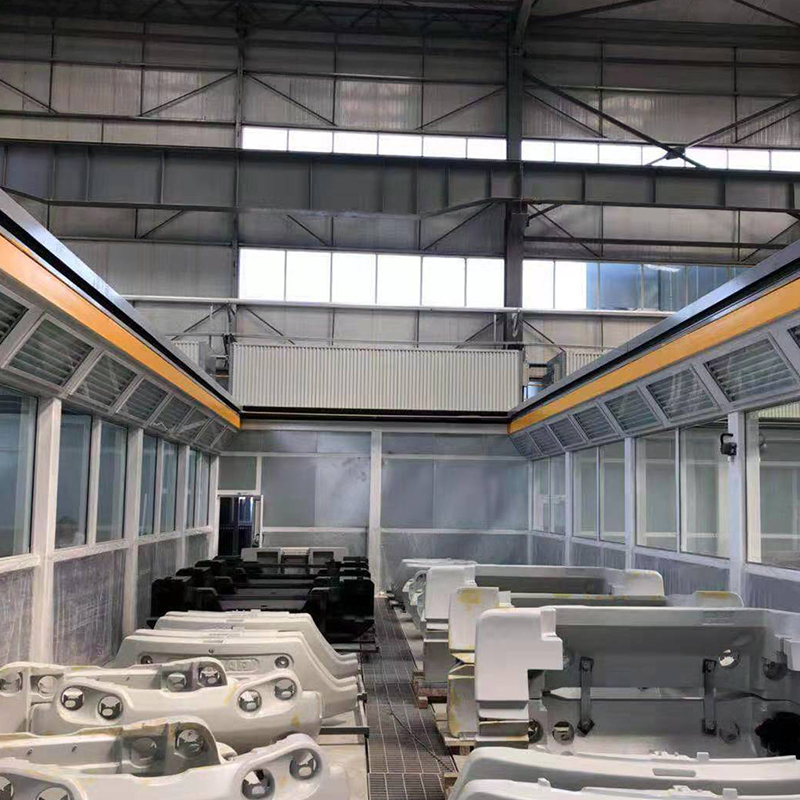
The retractable mobile spray & sanding booth is a flexible, space-saving, and multi-functional coating workstation. With a telescopic movable structure and integrated dust & paint mist filtrat...
See Details
Cardboard Paint Arresto is professional equipment for capturing and filtering paint mist, mainly made of high-quality corrugated cardboard, filter cotton, and waterproof coating. It adopts a modular d...
See Details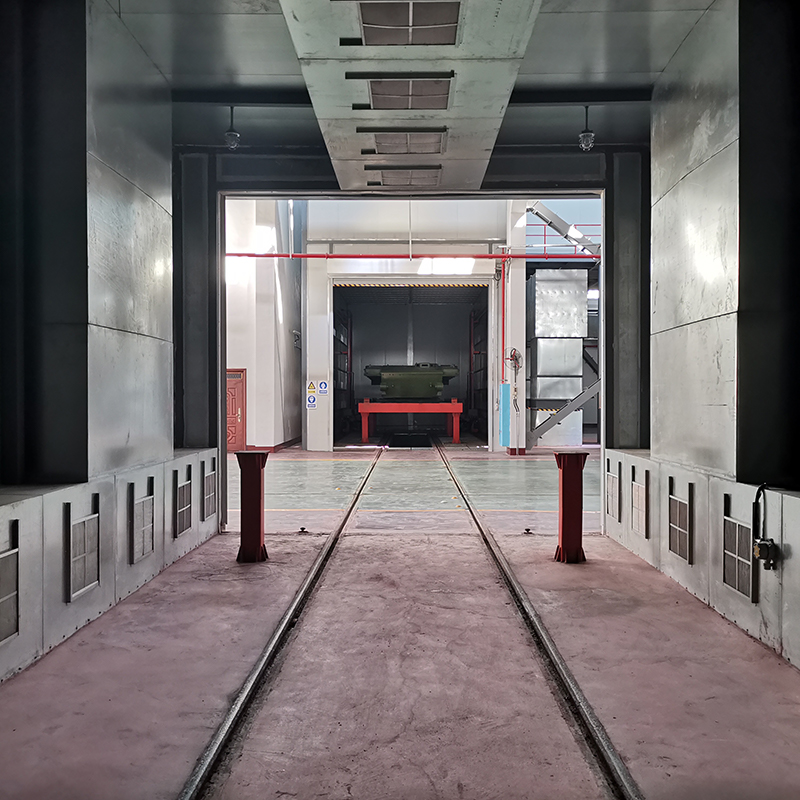
The spray paint line is a complete automated coating system, including spraying, drying, curing, and conveying processes. It features stable operation, uniform spraying effect, and good sealing perfor...
See Details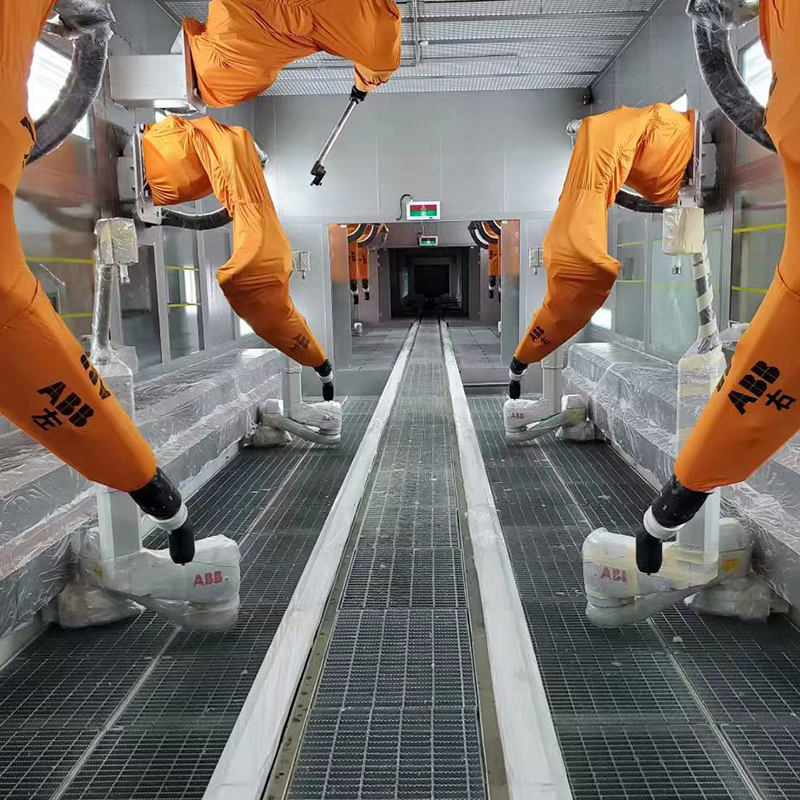
Professional spray coating line specially designed for motor casings, applicable to various motor casing types (electric vehicle motor casing, industrial motor casing, household motor casing, high-tem...
See Details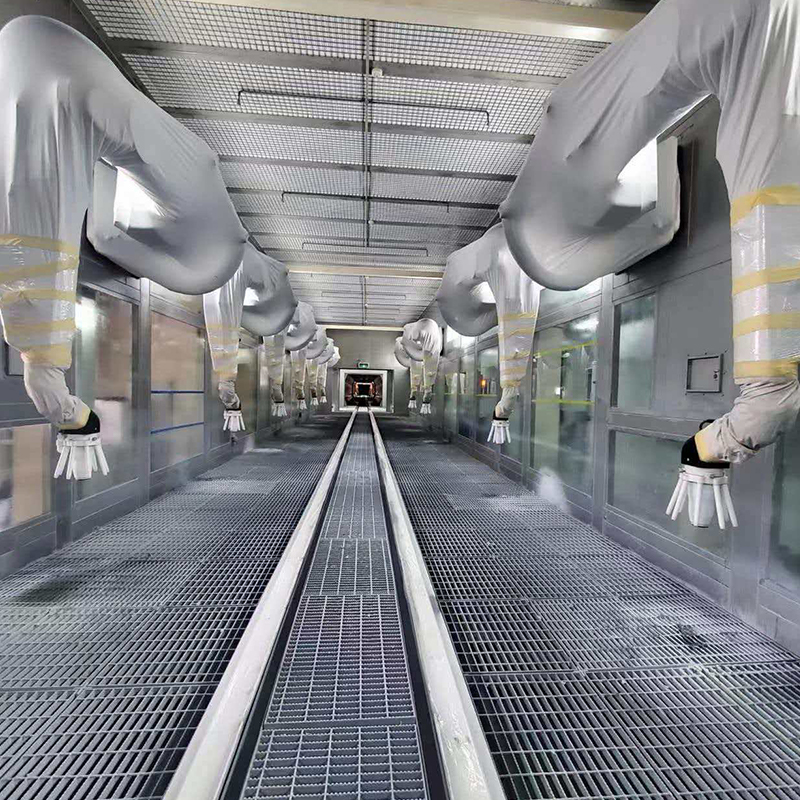
Professional spray coating line specially designed for car wheel manufacturing and refurbishment, applicable to various car wheel types (steel wheel, aluminum alloy wheel, forged wheel, cast wheel, pa...
See DetailsBuild Your Customized Industrial Coating System
Send us your workpiece information, production capacity, coating process, workshop layout, and environmental requirements. Yueze will help evaluate your project and develop a suitable coating, conveying, drying, and environmental treatment solution.
Main menu
Products
Contact Us
Company Address:
No. 12, Park Avenue, Shanggang Industrial Park, Jianhu, Yancheng City, Jiangsu Province
Message Us Right Now!

Follow us: