
 русский
 عربى
 Tiếng Việt
Cardboard Paint Arresto is professional equipment for capturing and filtering paint mist, mainly made of high-quality corrugated cardboard, filter cotton, and waterproof coating. It adopts a modular d...
See Details
Yueze Environmental Protection provides one-stop compliant industrial surface treatment solutions with professional tech and fine craftsmanship.
 Get Inquiries
2026-10-09
Content
Two body shops buy spray booths at roughly the same price and end up with completely different paint jobs. The difference is rarely the paint. It is the air: how it moves, how it is filtered, and how quickly the booth recovers after someone opens the door.
So here is the conclusion first. If your booth sprays entire vehicles from primer through clearcoat, a downdraft, pressurized booth is the realistic baseline. If the shop mostly handles spot repairs and panel work, a crossdraft or a retractable non-pressurized booth can hold up fine, provided you stop selling full resprays out of it. And if you are building volume rather than doing repair, the rules change again, because robotic booths are judged on repeatability and cycle time, not on how a painter feels about them.
This guide sorts car spray booths by airflow direction, the variable that actually determines finish quality, running cost and compliance, and then explains why each specification deserves a second question.
Every booth does three jobs: it brings filtered air in, it carries overspray and solvent out, and it keeps the air around the workpiece stable. Airflow direction decides which of those three jobs the design makes easy, and which one it makes expensive.
Four layouts cover almost every car spray booth on the market, and that single choice drives more downstream decisions than heating type, brand or control panel ever will.
| Booth Layout | Airflow Path | Typical Use | Main Trade-off |
|---|---|---|---|
| Crossdraft | Front to back, horizontal | Panel work, occasional resprays | Lowest cost, but overspray passes the body |
| Semi-downdraft | Ceiling down, then rear exhaust | General body shop respray | No pit needed, but airflow is not fully vertical |
| Side downdraft | Ceiling or rear, out through side floor | Long vehicles, conveyor lines | Floor and grate layout must be planned carefully |
| Full downdraft | Ceiling down through floor grates | Premium respray, production finishing | Highest cost, needs a pit or raised deck |
Read the table from top to bottom and you are reading a price ladder. Every step adds cost, and every step buys better control over where the overspray goes after it leaves the gun.
An open-face booth has three walls and an open front. There is no pressurization and usually no heat, so it is essentially a filtered exhaust area with a frame around it. For wheels, bumpers, small components and occasional spot repair, it works and it is cheap enough that the decision takes ten minutes.
A crossdraft booth is enclosed. Filtered air enters at the front, crosses the workpiece horizontally and leaves through the rear wall. Installation is fast and running costs are modest because there is one intake filter bank and one exhaust fan.
The cost shows up on the surface. Overspray is pushed past the body rather than away from it, so dry spray tends to settle on rear quarter panels and deck lids. On a full respray, that means polishing or sanding back areas you already finished.
If you buy crossdraft, check two numbers closely: fan capacity and exhaust filter face area. Too little airflow leaves visible fog in the cabin. Too little filter area means pressure drop climbs quickly and the booth starts to feel sluggish within weeks.
A full downdraft booth supplies air through ceiling filtration and pulls it straight down through grated floor sections. Because the movement is vertical, dust and overspray travel below the workpiece instead of across it. These booths are normally built pressurized, meaning supply air slightly exceeds exhaust, so opening a door pulls air out rather than dragging shop dust in.
This is the reference point for complete refinishing and premium restoration. The cost is in the civil work: a pit or raised deck, structural grates and a floor that is harder to clean than a flat slab.
Semi-downdraft is the compromise most workshops end up choosing. Air enters at the ceiling, travels down past the vehicle and exits at the lower rear. You avoid the pit while keeping most of the finish benefit, but the flow is not perfectly vertical, so spraying several adjacent panels at once can still leave faint dust patterns.
Side downdraft takes air from above and behind and exhausts it at floor level along the sides of the vehicle. It appears most often in long-vehicle booths and continuous conveyor lines, where a central floor grate would interfere with movement or access.
A retractable booth collapses. When it is not in use, the walls and canopy fold back into a short section, often taking up only a fraction of the working length. In workshops where the same bay has to serve for sanding, prep and delivery, that is often the only practical answer.
The trade-off is stability. A retractable structure will not seal the way a fixed pressurized booth does, so temperature retention and dust control are weaker, and exhaust filtration needs to be sized for the dirtiest job the booth will ever see, not the average one.
 Retractable Mobile Spray and Sanding BoothA space-saving telescopic booth for spray, sanding, and storage; check its rail system and seals for reliable alignment and sealing.View Product →
When comparing suppliers, look at the rail system and the seals before you look at the panels. The frame has to close square and tight every single time. A booth that drifts out of alignment is a booth that leaks, and every airflow calculation you paid for stops mattering.
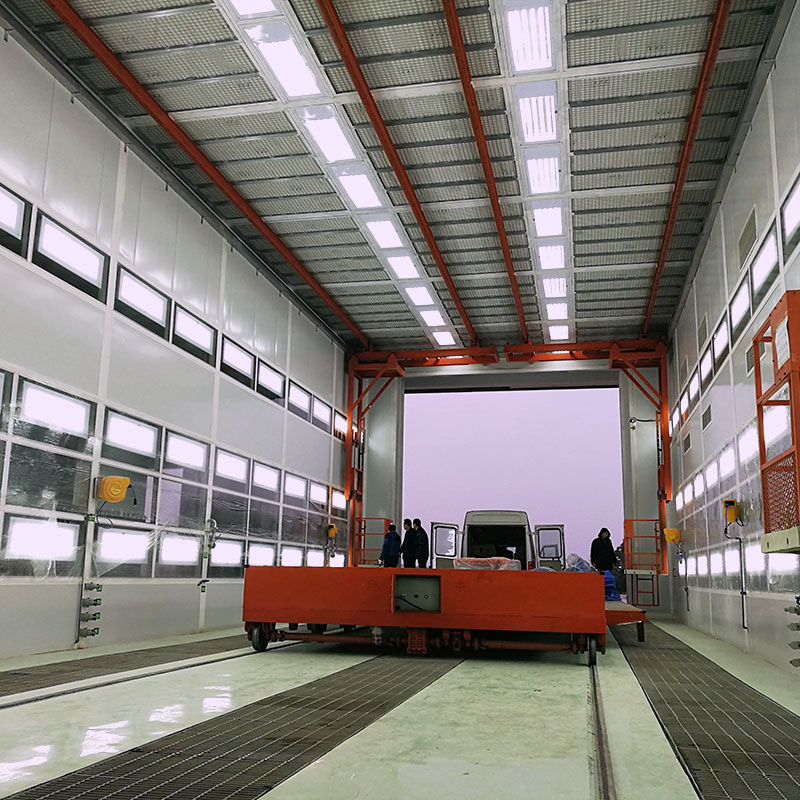
The moment a van, a pickup or a motorhome rolls into the shop, the specification changes. On large vehicles, the limiting factors are rarely the airflow pattern. They are door opening dimensions, internal height and floor loading.
Those numbers decide what work you can accept. A booth rated for a full-size pickup may still not take a panel van. Heating and exhaust capacity matter too: a heavy-vehicle booth must be able to reach cure temperature in winter with a cold, empty cabin, not only to spray comfortably.
 Large Heavy Vehicle Spray and Curing BoothA customized large-vehicle booth for trucks, buses, and machinery; confirm internal dimensions, heating capacity, and working height before choosing.View Product →
Also budget height for an access platform. If technicians spray roofs and upper panels regularly, that is a routine task, not an occasional one, and the working height inside the booth should reflect it.
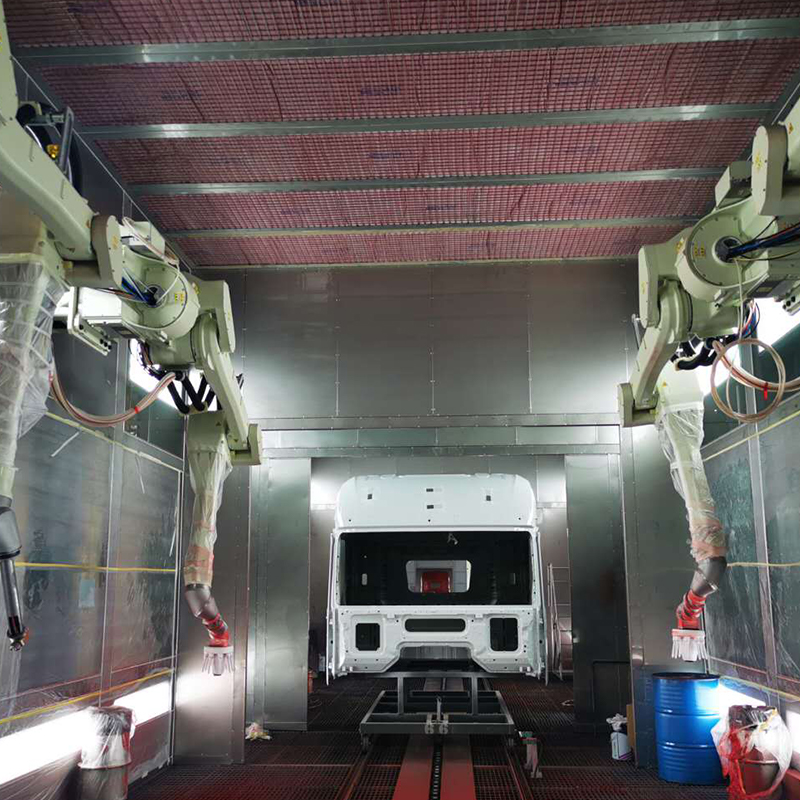
Refinishing is judged one vehicle at a time. Volume production is judged on repeatability, transfer efficiency and labor cost. A robotic booth fixes the path: same trajectory, same distance, same speed, cycle after cycle. That saves paint, shortens gun cleaning time and takes the operator out of the cabin entirely.
These booths are rarely purchased alone. They connect to a conveyor, a curing stage and exhaust treatment to form a complete line. The automotive and EV manufacturing solutions follow exactly that logic, where electrophoresis, spray application, curing and conveying are designed against one takt time instead of being bought separately and reconciled later.
 Automatic Robotic Spray Booth for Coating LinesAn unmanned robotic spray booth for consistent mass production; evaluate recovery rate, conveyor indexing, and cure time alongside robot speed.View Product →
If you are evaluating a robotic booth, do not stop at the robot. Booth recovery rate, conveyor indexing and cure time are usually the real capacity limits, and a fast robot inside a slow booth produces nothing extra.
Heating affects both operating cost and the finish you can achieve. Direct-fired diesel units raise temperature quickly and cost less upfront, but combustion products enter the booth air. Indirect-fired units separate the burner from the airstream through a heat exchanger, which is cleaner and more expensive. Electric heat is clean and simple to install, though running cost tracks electricity prices. For low-volume patch work, infrared curing lamps often beat heating the entire cabin.
Filtration happens twice per pass. Intake filters keep the air arriving at the panel clean. Exhaust filters trap overspray, using cardboard arrestor boxes, filter media rolls or a water curtain. Both stages belong in your operating budget, and the replacement interval depends on how many vehicles the booth sprays each week.
For most shops, the consumable and filter line, rather than the steel structure, is where the long-term money goes, and a look at what equipment a coating production line contains makes that pattern clear.
Poor lighting makes painters miss runs and color mismatches, and those are found after the clearcoat dries, when correcting them costs a full sand and polish. Mount vertical lamps along both sides of the roof as well as overhead. Do not simply order the minimum illuminance figure.
A controller that logs temperature curves is no longer a luxury. If your work supports warranty claims or customer audits, a stored spray record is worth more than another digital readout on the panel.
Before you sign, ask for five numbers in writing: air velocity at the exhaust filter, air changes per hour, exhaust filter face area, heating capacity, and the time needed to go from spray temperature to cure temperature. A price comparison without those figures is not a comparison at all.
And keep the final point in view. A car spray booth delivers the finish that its airflow, filtration and heating allow, not the finish promised by the category it was filed under in a catalogue.
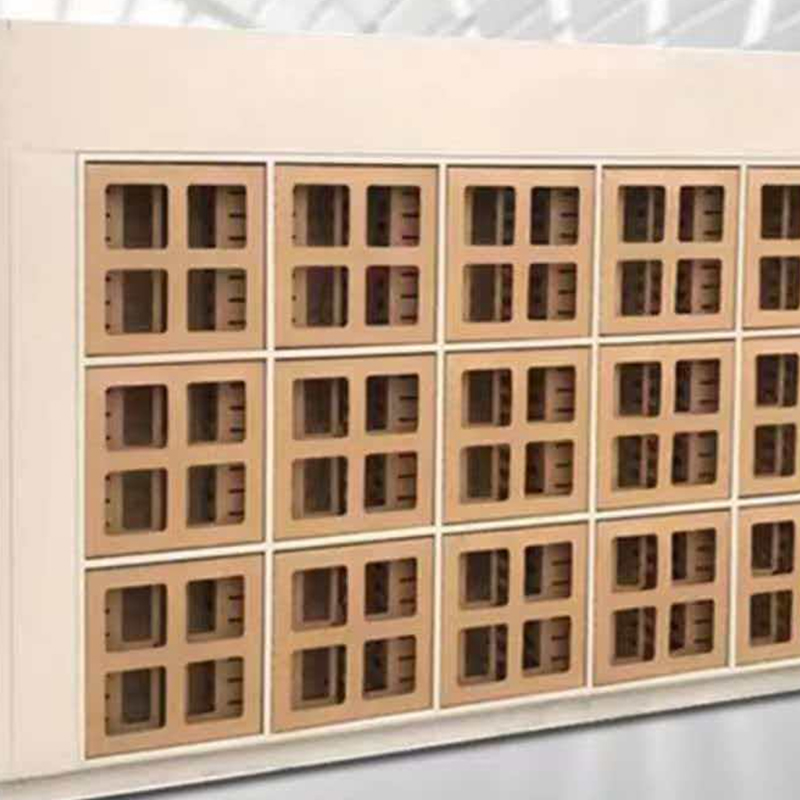
Cardboard Paint Arresto is professional equipment for capturing and filtering paint mist, mainly made of high-quality corrugated cardboard, filter cotton, and waterproof coating. It adopts a modular d...
See Details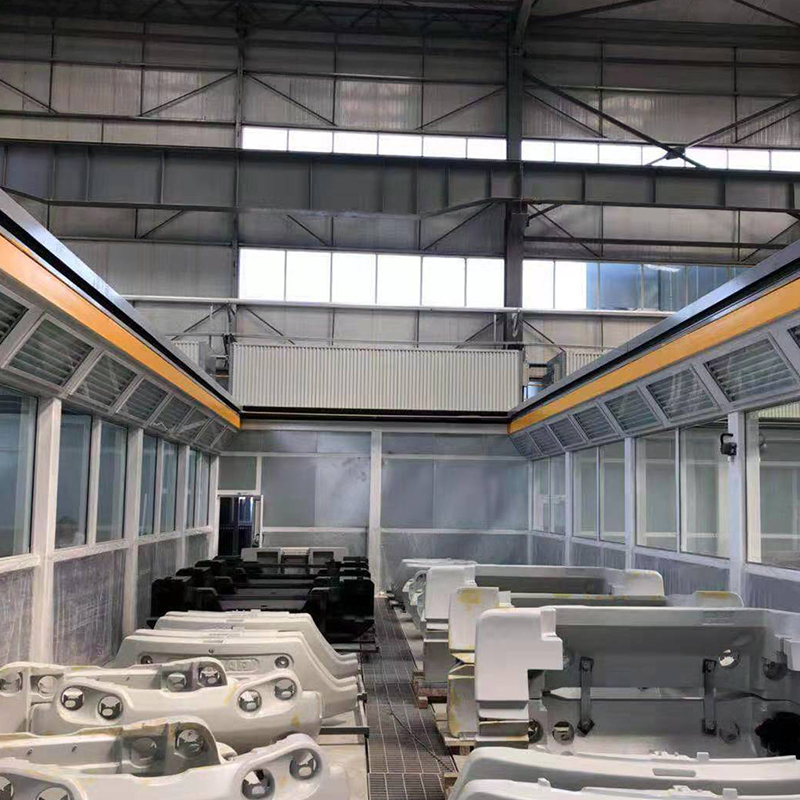
The retractable mobile spray & sanding booth is a flexible, space-saving, and multi-functional coating workstation. With a telescopic movable structure and integrated dust & paint mist filtrat...
See Details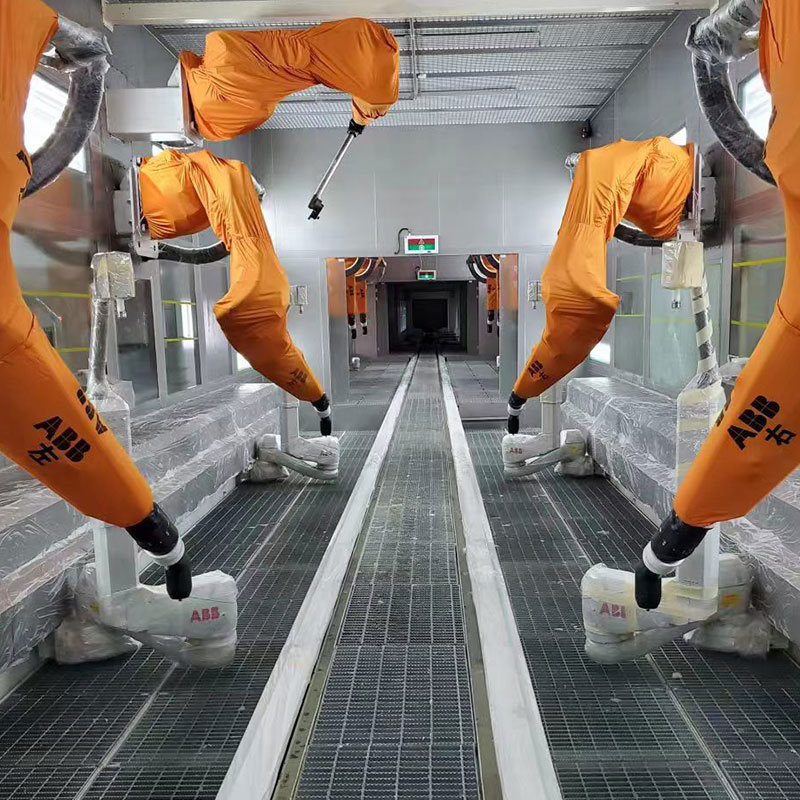
An automatic robotic spray booth is an intelligent, unmanned coating system. Equipped with a robot spraying system, constant temperature air circulation, and a high-efficiency exhaust filtration syste...
See Details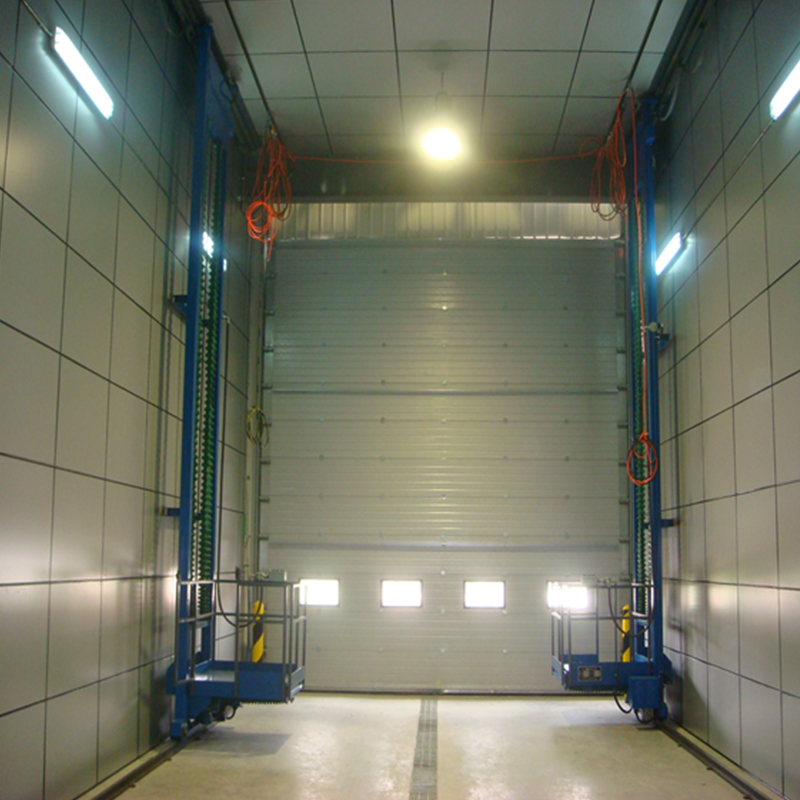
We supply high-quality blasting room and automatic shot blasting machines. The equipment adopts mature surface treatment technology, realizing rust removal, oxide layer cleaning and surface roughening...
See Details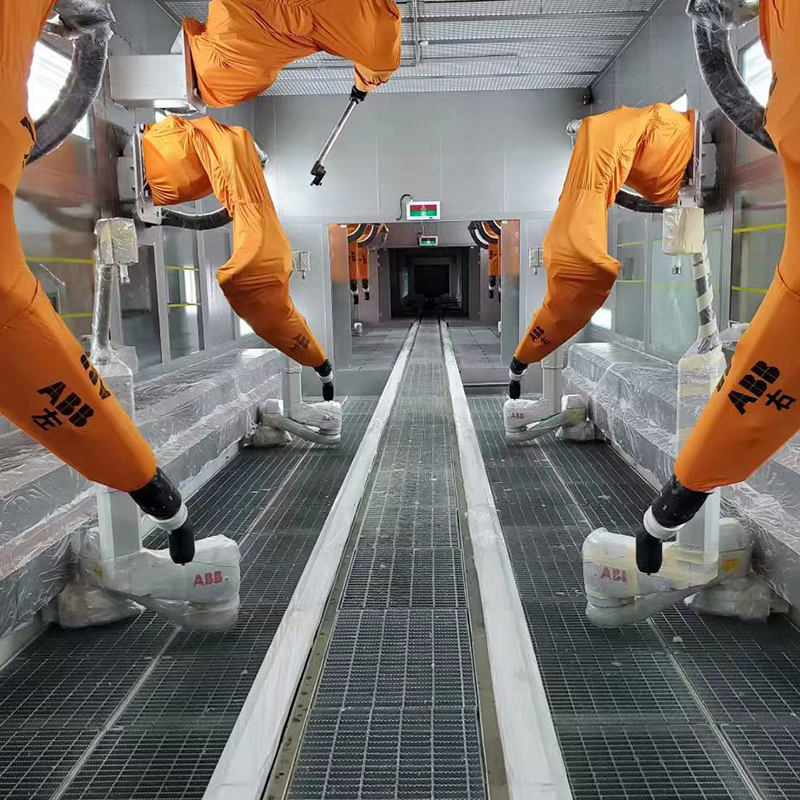
Professional spray coating line specially designed for motor casings, applicable to various motor casing types (electric vehicle motor casing, industrial motor casing, household motor casing, high-tem...
See Details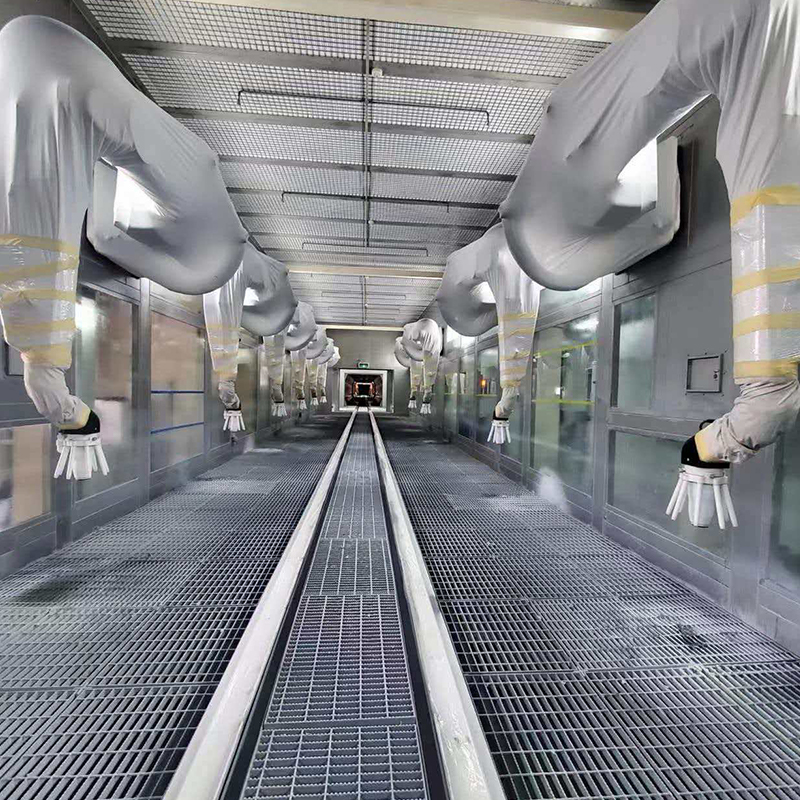
Professional spray coating line specially designed for car wheel manufacturing and refurbishment, applicable to various car wheel types (steel wheel, aluminum alloy wheel, forged wheel, cast wheel, pa...
See DetailsBuild Your Customized Industrial Coating System
Send us your workpiece information, production capacity, coating process, workshop layout, and environmental requirements. Yueze will help evaluate your project and develop a suitable coating, conveying, drying, and environmental treatment solution.
Main menu
Products
Contact Us
Company Address:
No. 12, Park Avenue, Shanggang Industrial Park, Jianhu, Yancheng City, Jiangsu Province
Message Us Right Now!

Follow us: