Core Advantages of a Modular Automatic Production Line
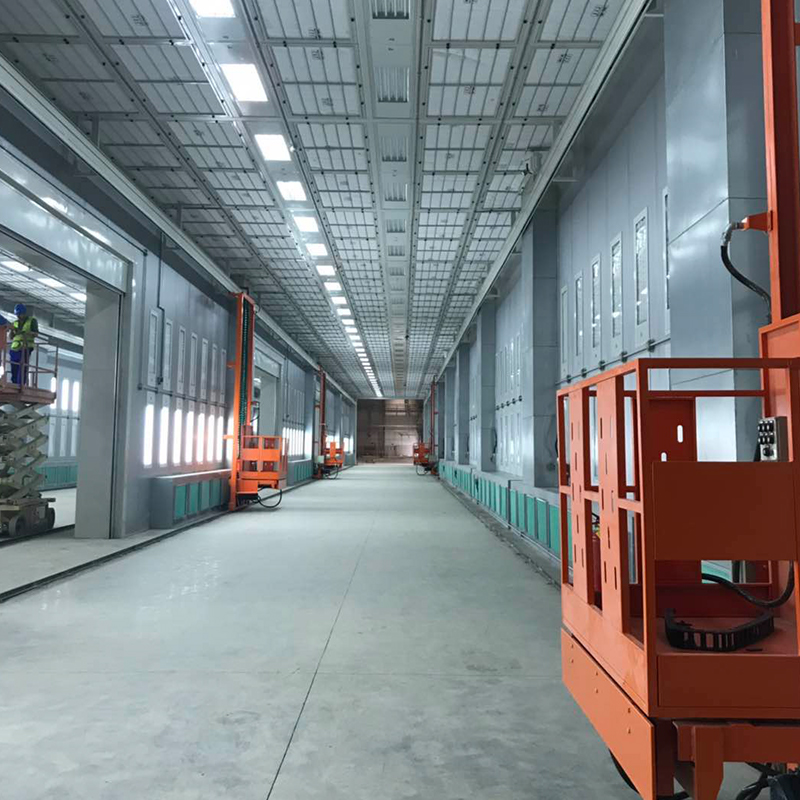
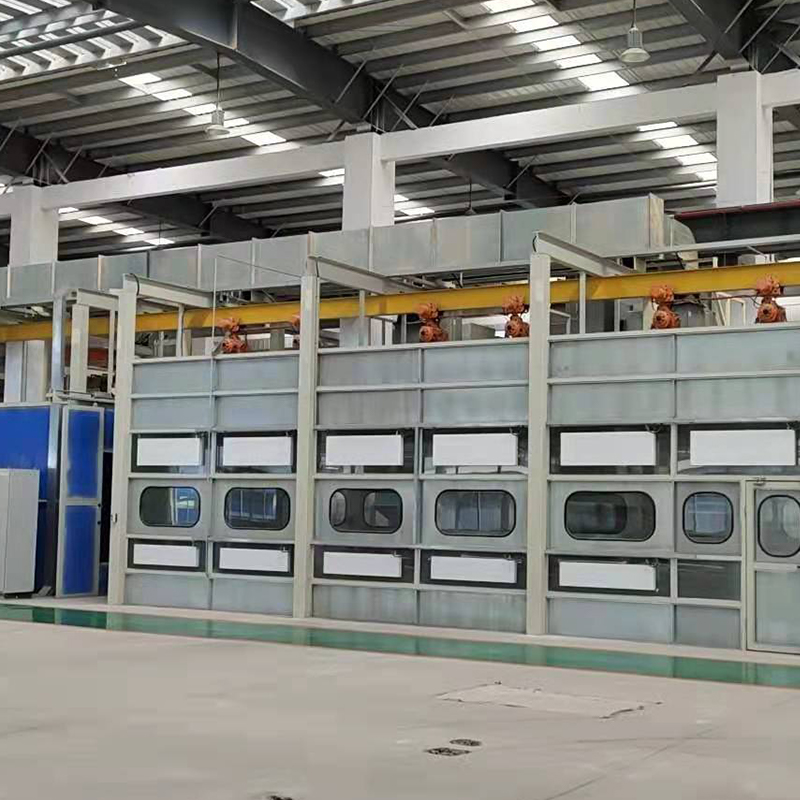
A Modular Automatic Production Line breaks down pretreatment, spraying, drying, and conveying processes into standardized units that can be commissioned independently and freely combined. Compared with a fixed, single-piece production line, a modular design can be reconfigured according to workshop space, capacity requirements, and workpiece dimensions, shortening installation and commissioning time by roughly 30%-40% while lowering the cost of future capacity expansion or retrofitting. This flexibility is especially valuable for factories handling multiple workpiece specifications, since it avoids rebuilding an entire line every time the product changes.
In addition, modules are connected through standardized interfaces, so if one module fails it can be quickly replaced or repaired without shutting down the whole line for an extended period. This is essential for maintaining continuous production and improving overall equipment utilization.
How a Modular Production Line Works
A typical modular automatic production line usually consists of the following functional units working together:
- Pretreatment module: completes degreasing, derusting, phosphating, and other surface treatment steps;
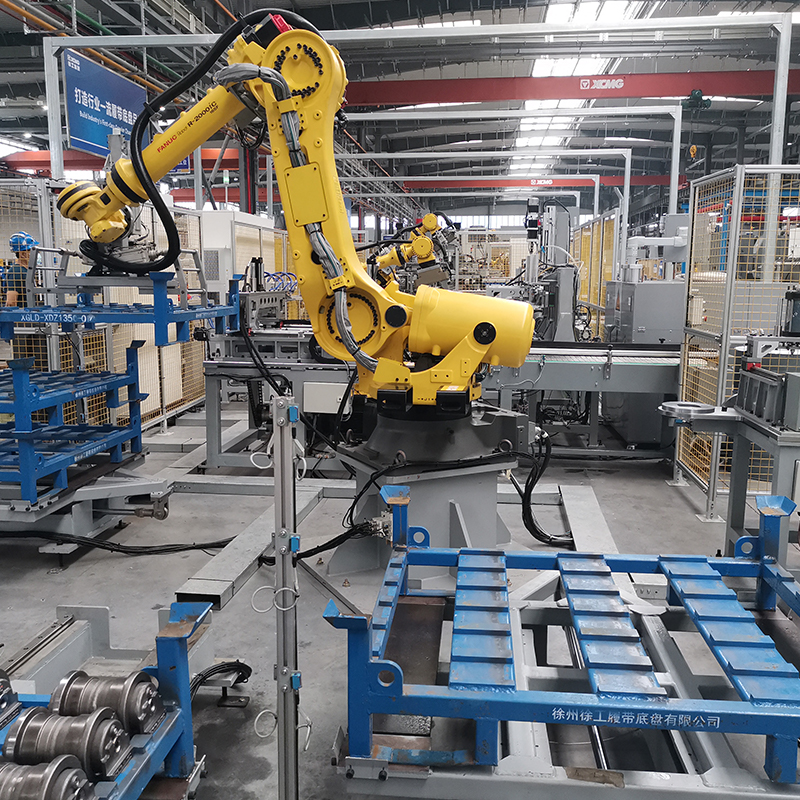
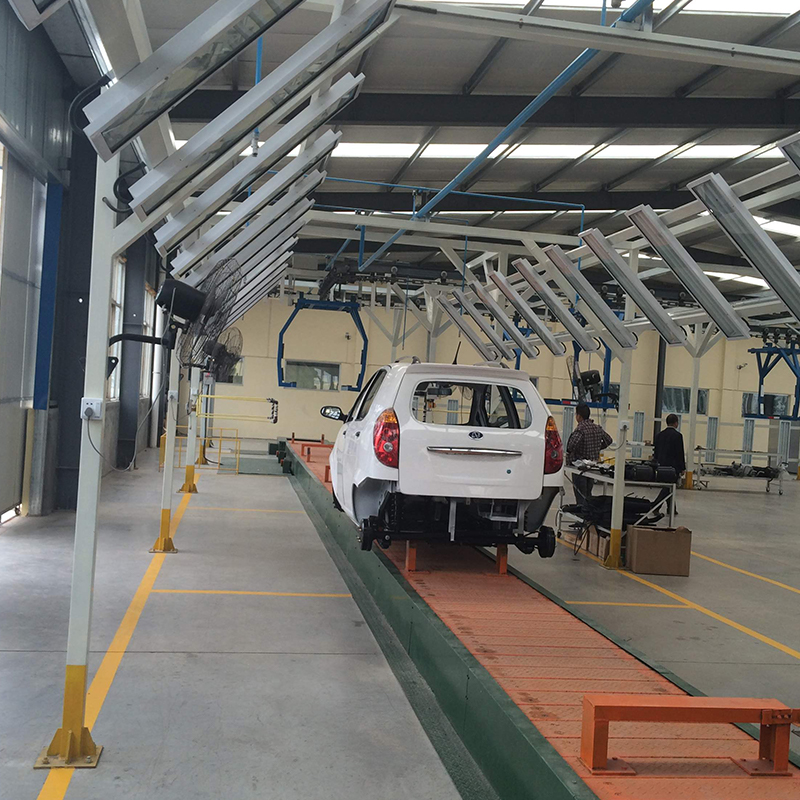
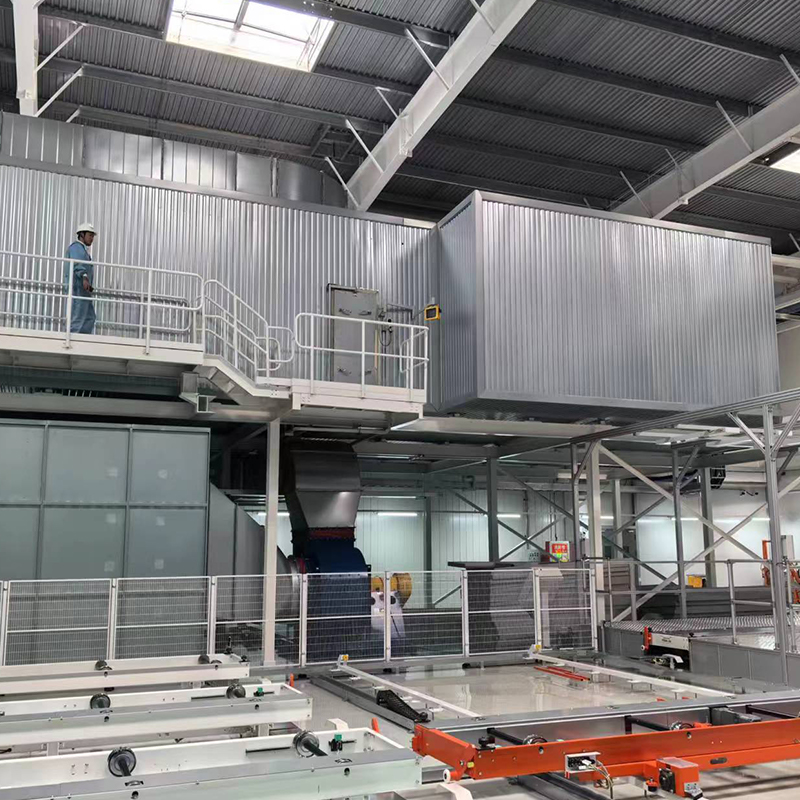
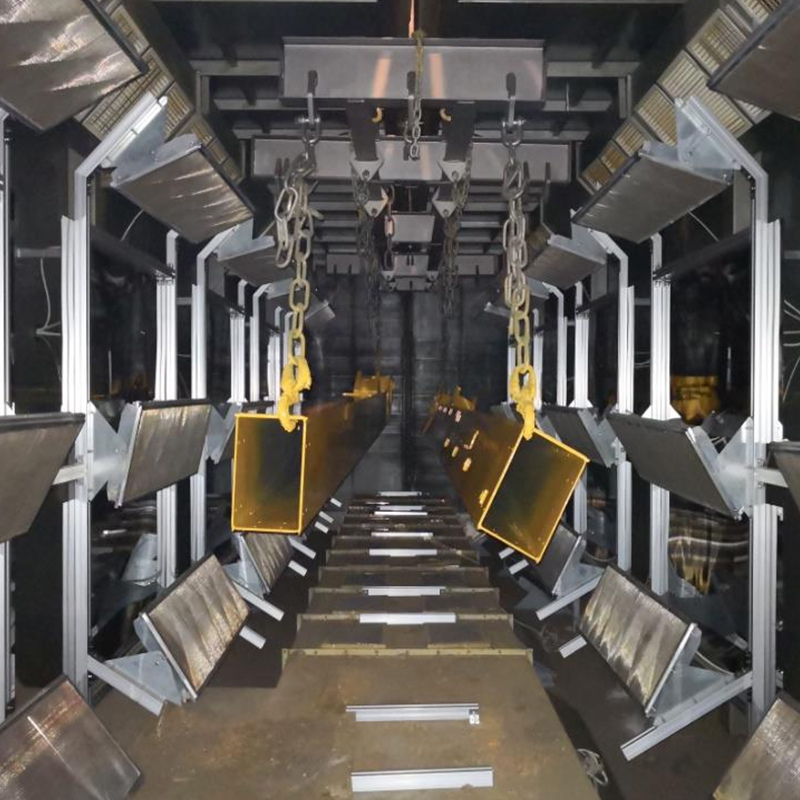
- Conveying module: uses overhead chain or plate-chain conveyors to automatically move workpieces between stations;
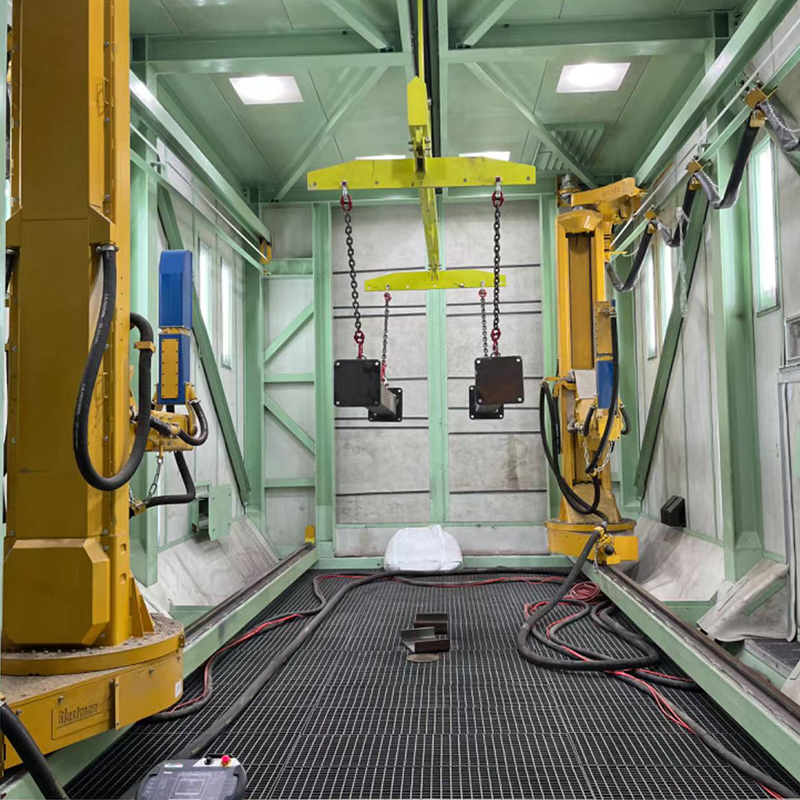
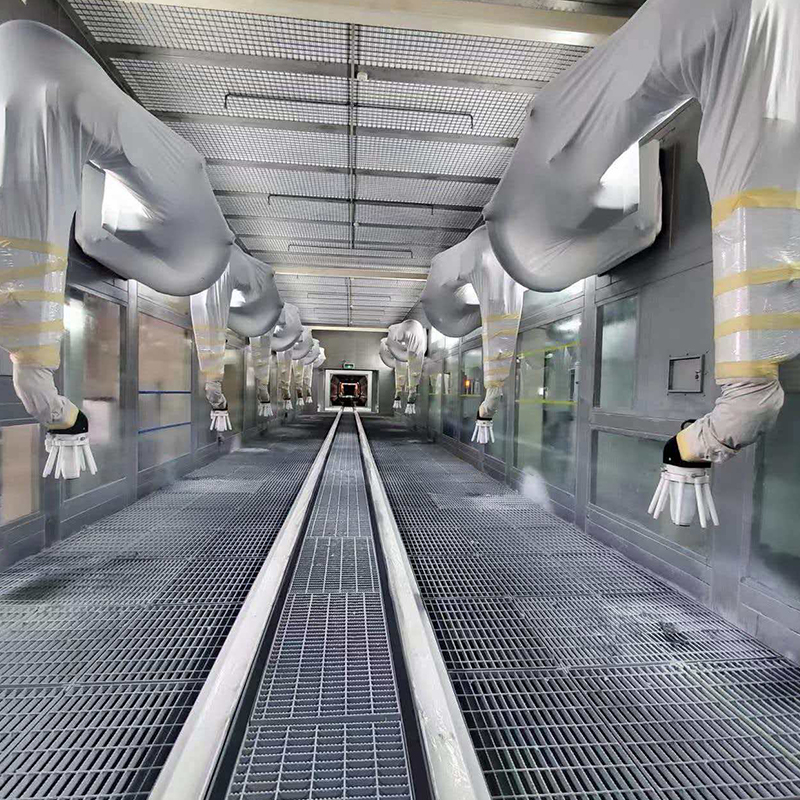
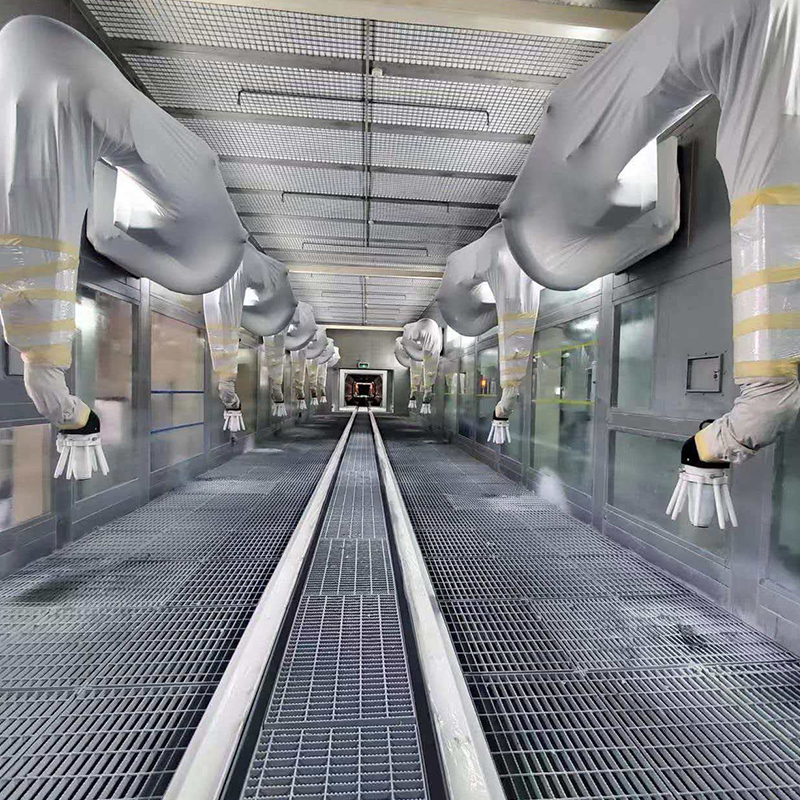
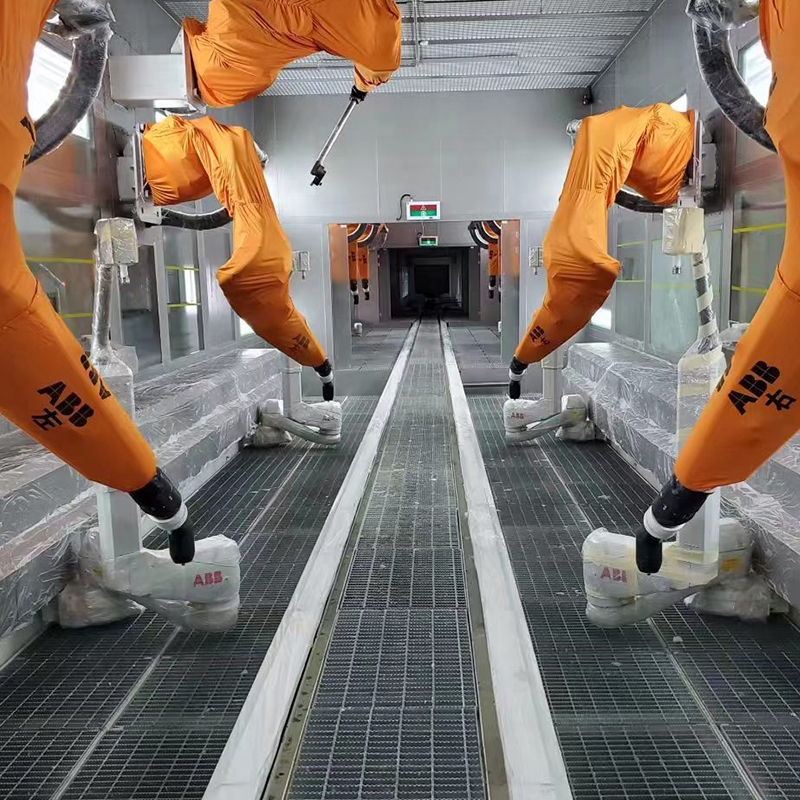
- Spraying/coating module: can switch between electrostatic spraying or automatic spray gun systems depending on process needs;
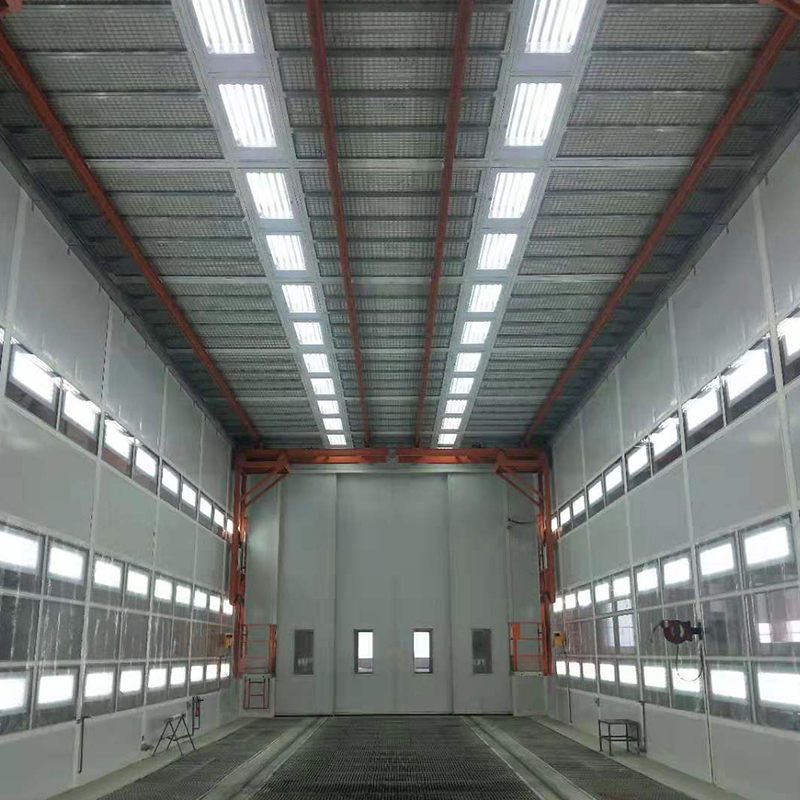
- Drying and curing module: uses infrared or hot-air circulation to achieve rapid coating curing;
- Control system module: coordinates the cycle time of each station for fully automated line operation.
These modules communicate and synchronize through a centralized PLC control system, allowing the entire line to maintain stable operating efficiency under varying capacity demands.
Industry Applications and Selection Reference for a China Automatic Production Line
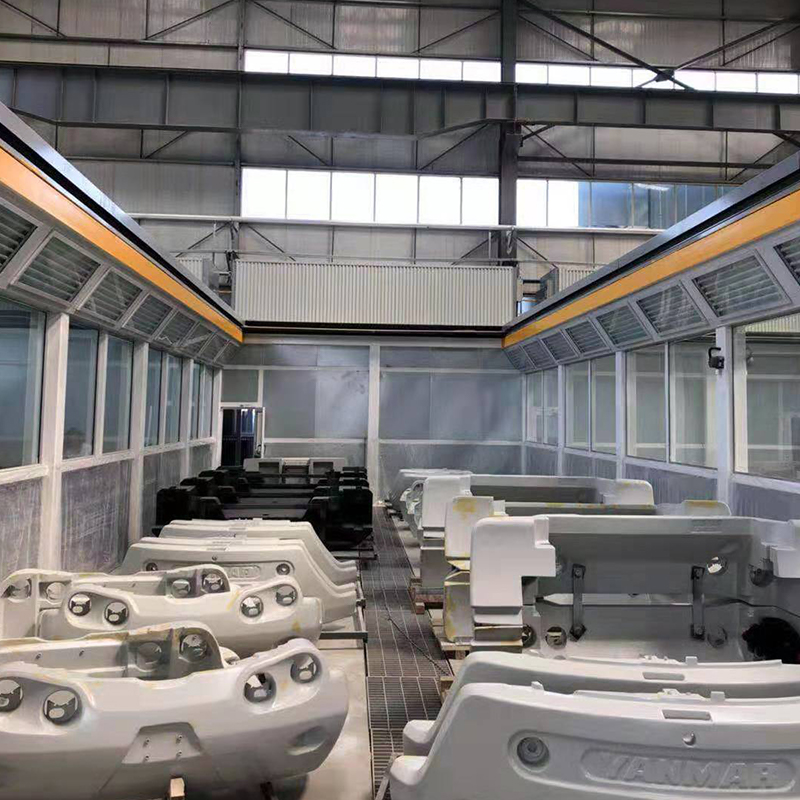
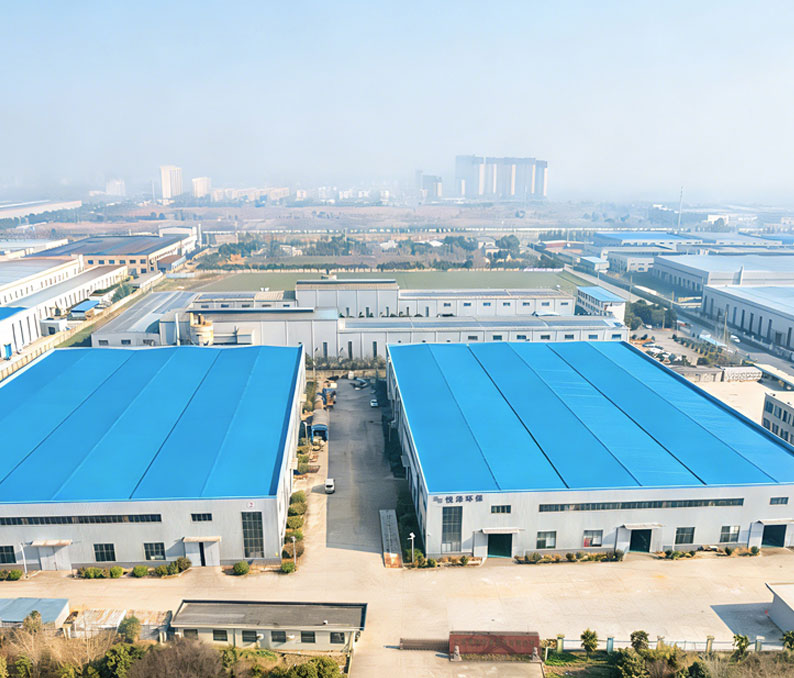
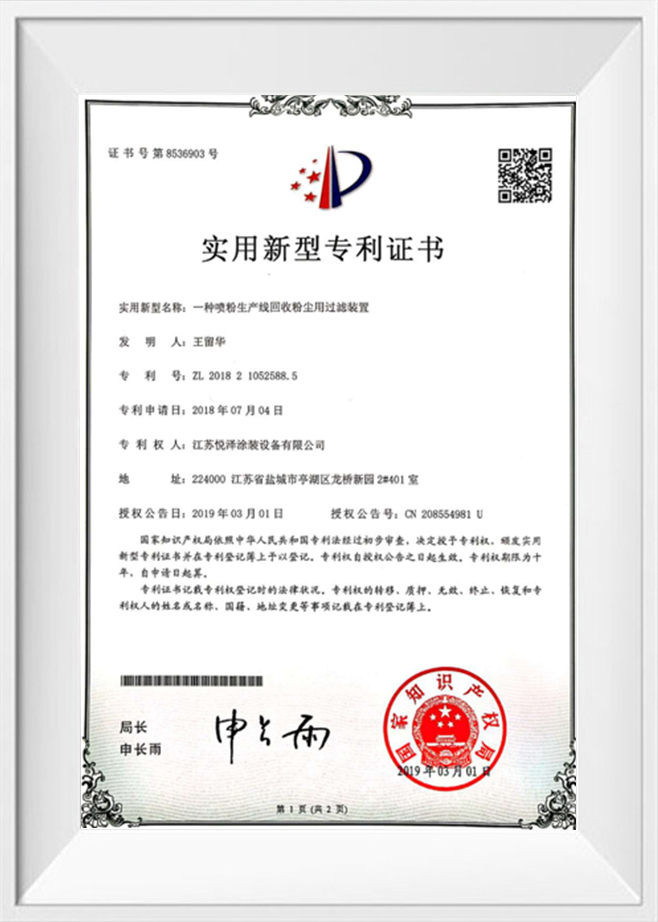
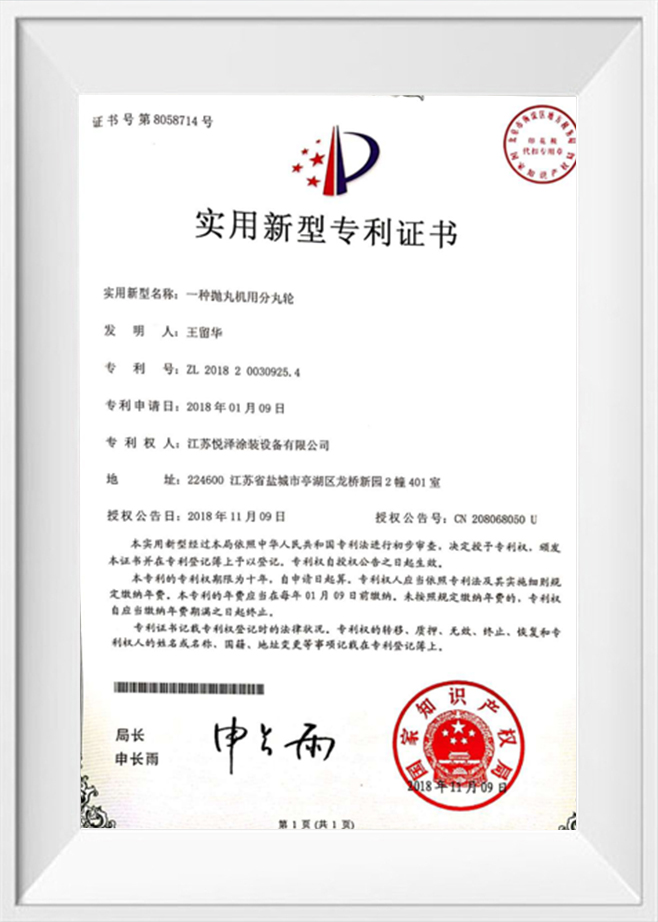
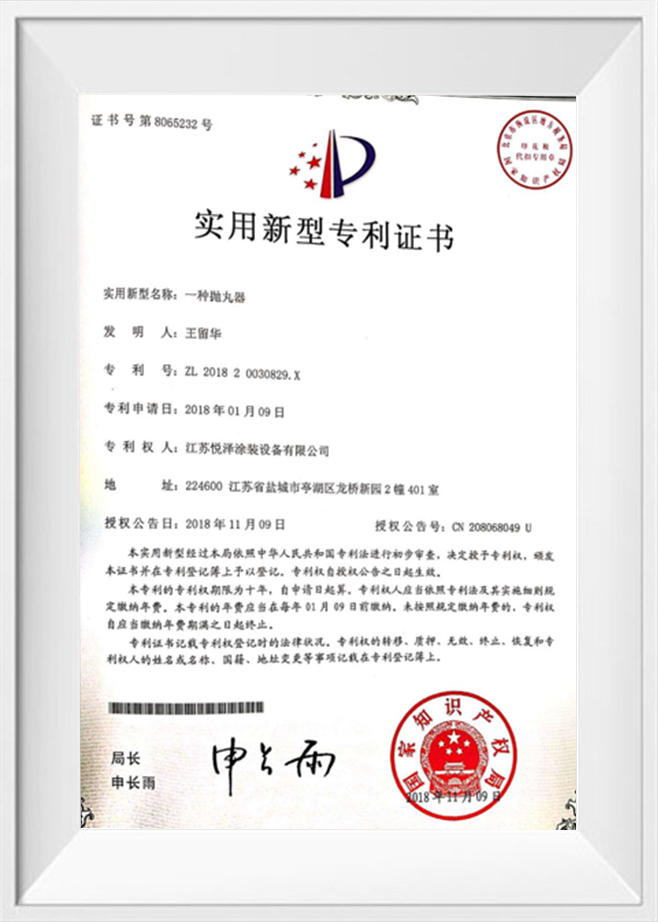
In recent years, a China Automatic Production Line has been widely applied in fields such as electric vehicle assembly, construction machinery counterweight coating, and automotive parts painting. Jiangsu Yue Ze Environmental Protection Equipment Co., Ltd., located in Yancheng, Jiangsu, spans 35,000 square meters with a registered capital of 58 million yuan and has accumulated more than 40 years of industry experience in powder coating lines, electric car assembly lines, and counterweight spray lines. As early as 2014, the company was among the first to develop a hanging automatic painting process line for cast counterweight blocks, covering a complete solution from casting polishing to primer and top-coat application, with projects spread across multiple provinces in China as well as numerous overseas markets.
Module Configuration Recommendations for Different Factory Scales
Table: Reference module configurations for modular production lines at different capacity levels
| Factory Scale |
Recommended Modules |
Typical Application |
| Small factory |
3-4 basic modules |
Small parts coating |
| Medium factory |
5-7 functional modules |
Automotive parts, counterweight block production |
| Large factory |
8+ customized modules |
Full vehicle assembly, large structural part coating |
Frequently Asked Questions
Q1: What is the main difference between a Modular Automatic Production Line and a traditional production line?
A modular production line is assembled from independent units, offering shorter installation time and stronger scalability, while a traditional production line is typically an integrated design that is harder and more costly to retrofit.
Q2: What factors should be considered when choosing a China Automatic Production Line supplier?
It is advisable to focus on the supplier's engineering experience, design and customization capabilities, and past project references. For example, Jiangsu Yue Ze Environmental Protection Equipment Co., Ltd. draws on years of experience in coating line design and manufacturing to provide customized modular solutions based on the customer's specific workpiece characteristics.
Q3: Is a modular production line suitable for small-batch, multi-variety production?
Yes. A modular production line can quickly switch or add/remove modules to accommodate different workpiece requirements, making it particularly well suited to flexible production scenarios involving multiple product types in small batches.


 русский
 عربى
عربى
 Tiếng Việt