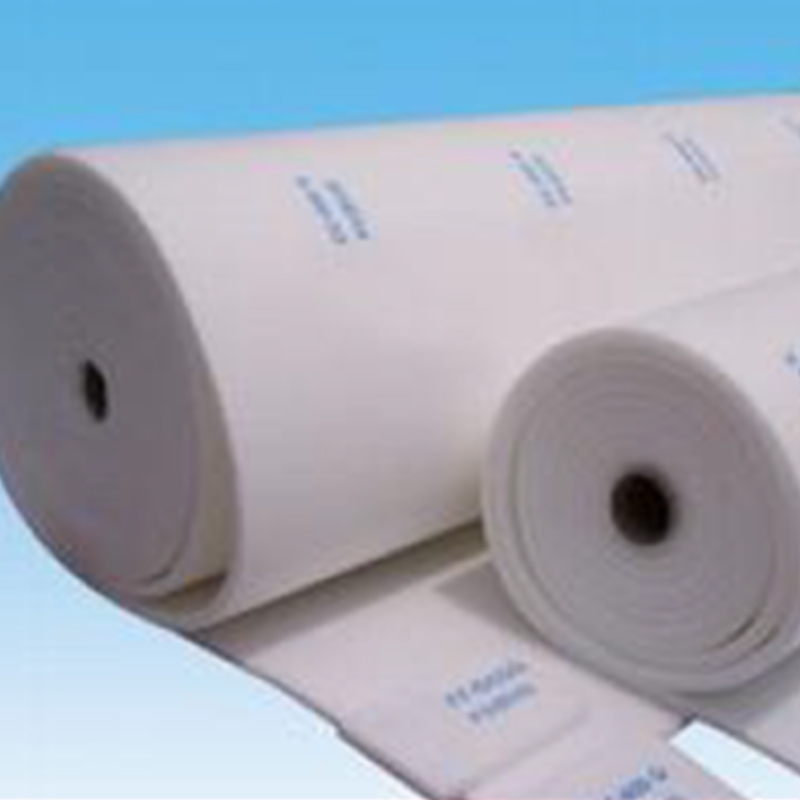
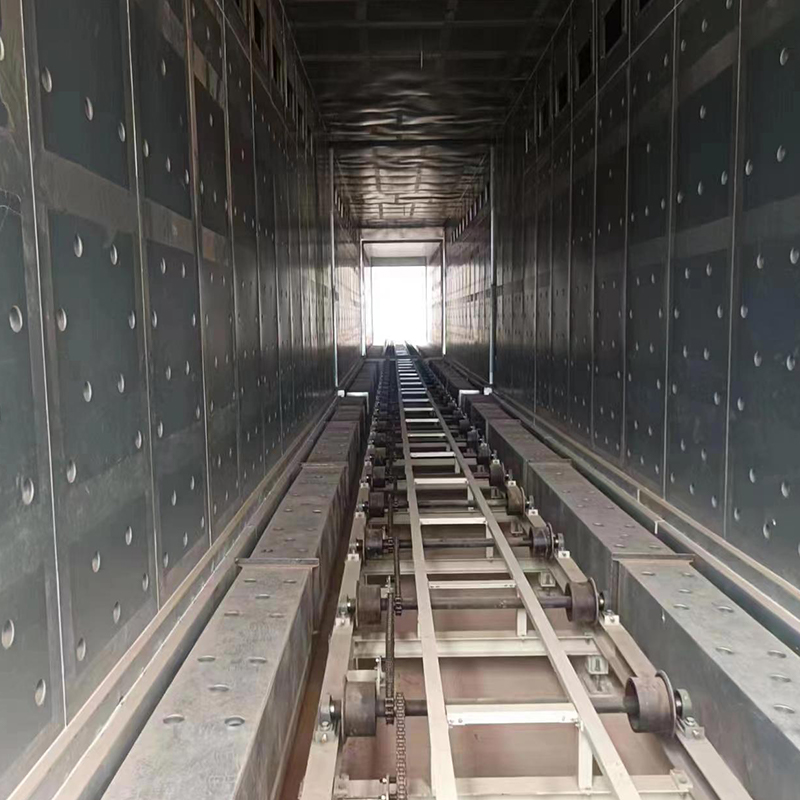
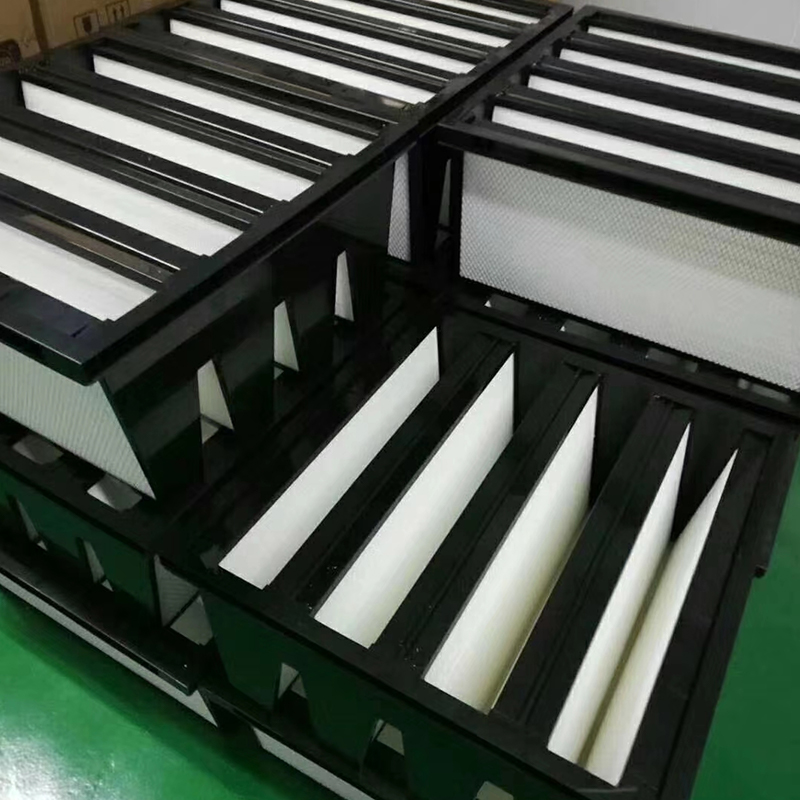
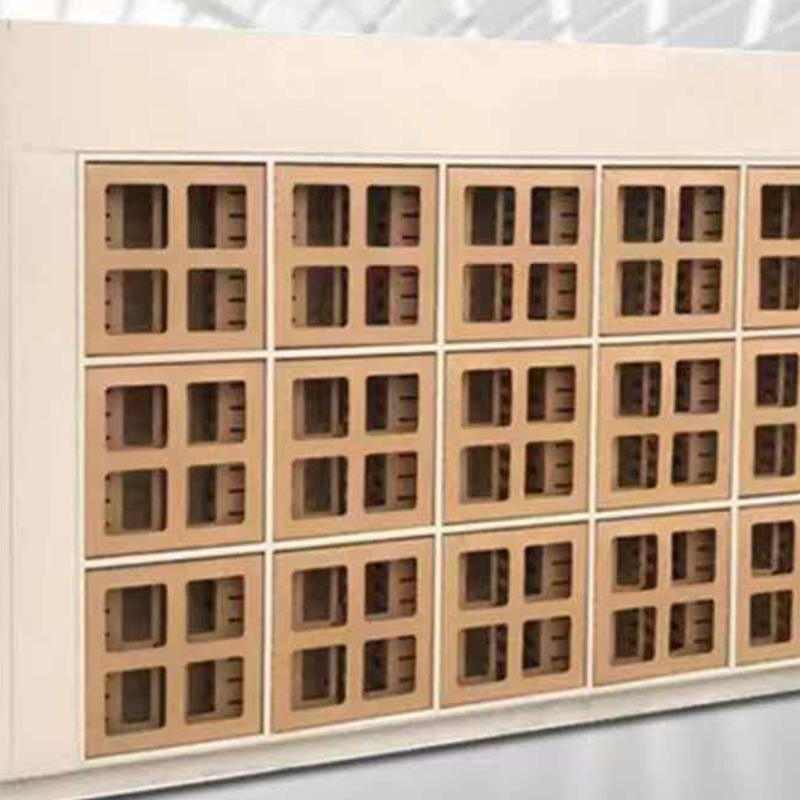
In powder coating and liquid paint spray booths, overspray particles and airborne fibers must be captured before exhaust air is released or recirculated. Filter Cotton Roll High Efficiency is a fibrous filtration media designed specifically for this purpose, offering a dense, layered structure that traps fine paint particles while allowing air to pass through with minimal resistance. It is commonly installed at the exhaust end of spray booths, paint and bake booths, and large-sized parts grinding rooms to protect downstream equipment and maintain stable airflow.
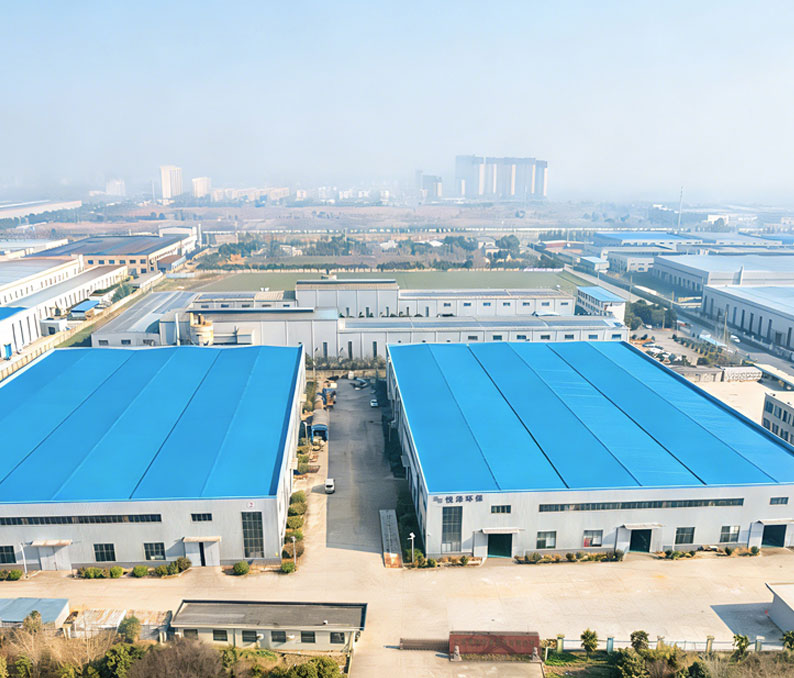
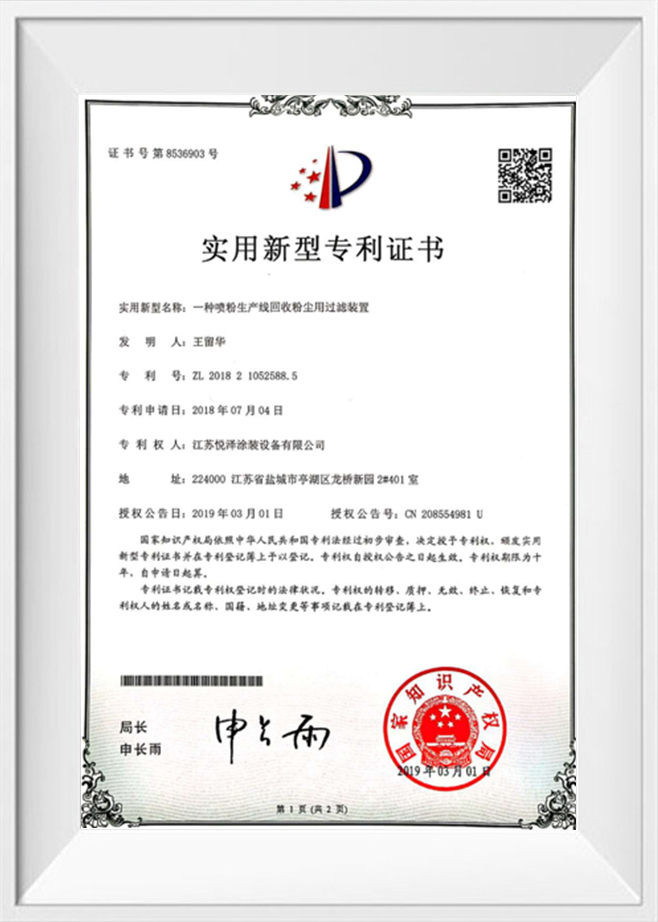
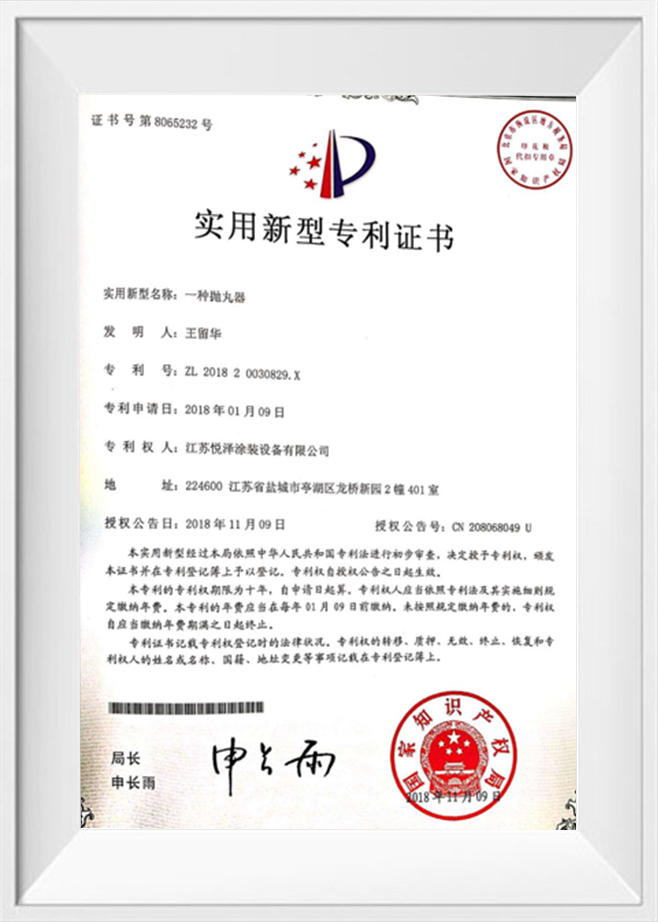
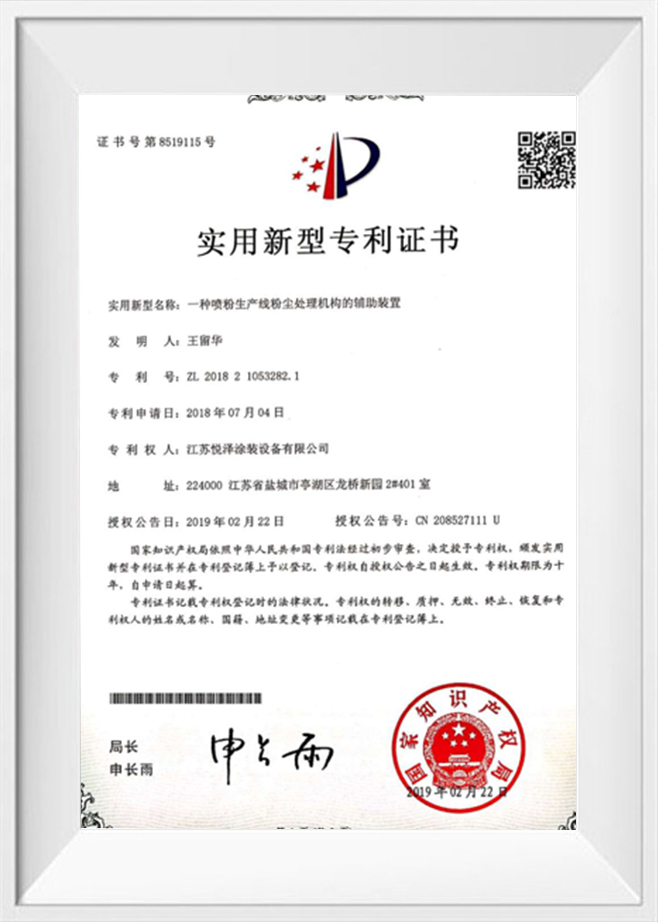
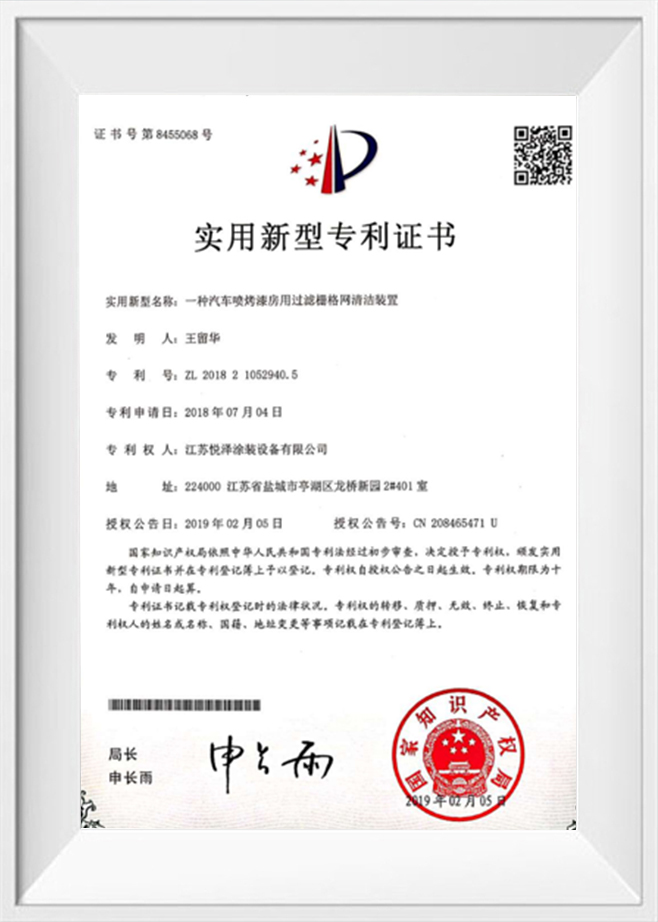
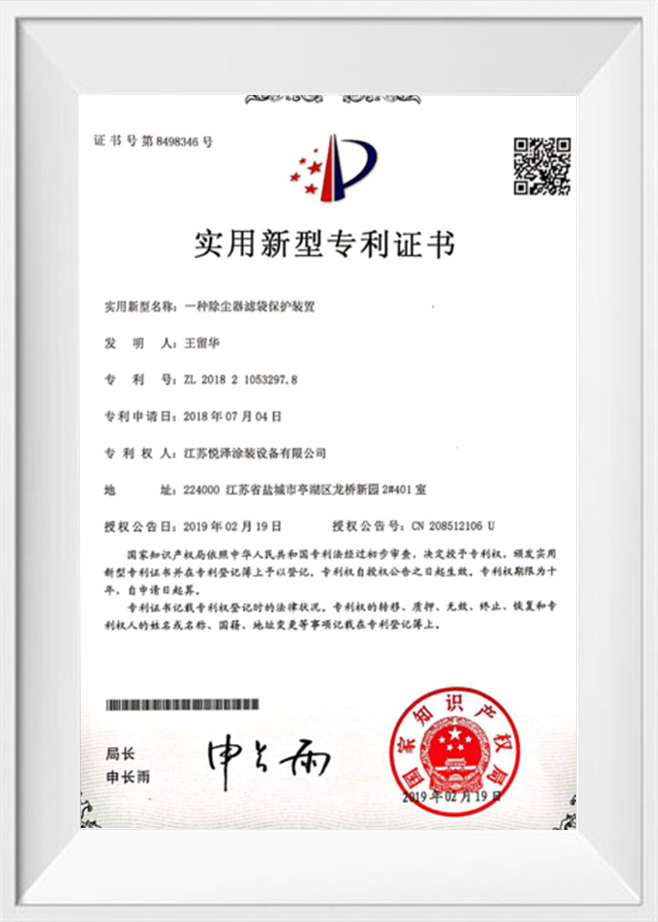
Jiangsu Yue Ze Environmental Protection Equipment Co., Ltd., located in Yancheng, Jiangsu, China, spans 35,000 square meters with a registered capital of 58 million yuan. With more than 40 years of experience in powder coating lines, automotive body spray bake paint booths, and waste gas treatment equipment, the company supplies filtration consumables engineered to match the demands of continuous industrial spraying operations.
The filtration mechanism relies on a multi-layer fiber structure that separates particles in stages as air passes through the media.
1. Coarse Pre-Filtration Layer
The first layer, made of low-density fibers, intercepts larger overspray droplets and prevents rapid saturation of the deeper layers.
2. Progressive Density Filtration
As air moves deeper into the roll, fiber density gradually increases, capturing progressively finer particles. This graduated structure extends the usable life of the filter compared with a single-density media.
3. Final Air Discharge
Once particles are retained within the fiber matrix, cleaned air continues through the exhaust system, helping the spray booth maintain consistent airflow and pressure balance during production.
Comparing Filter Cotton Roll High Efficiency Options
Filter cotton rolls are typically classified by thickness and density, which directly affect filtration efficiency and airflow resistance. The table below outlines common specifications and their suited applications:
| Thickness |
Density Level |
Suggested Application |
| 30-50 mm |
Low density |
Pre-filtration in light-duty spray booths |
| 50-80 mm |
Medium density |
Standard powder coating booths |
| 80-100 mm |
High density |
High-throughput automotive body spray lines |
Table: Filter cotton roll specifications by thickness and application
Selecting the correct thickness helps balance filtration efficiency against pressure drop, since media that is too dense for the airflow volume can increase fan load and energy consumption.
Key Advantages of High-Efficiency Filter Cotton Roll
- Delivers high particle retention while maintaining low airflow resistance across the spray booth exhaust
- Layered fiber design extends service life compared with single-layer filter media
- Easy to cut and install to fit various booth exhaust configurations without special tools
- Cost-effective as a replaceable consumable, reducing downtime during routine maintenance
Installation and Replacement Guidelines
Proper installation and timely replacement directly affect the filtration performance of the spray booth system.
- Cut the filter cotton roll to match the exact dimensions of the exhaust frame to avoid air bypass around the edges
- Position the low-density side facing the airflow inlet so pre-filtration occurs before finer particles reach the denser layers
- Inspect the media regularly for visible saturation or discoloration and replace once resistance noticeably increases
Frequently Asked Questions
Replacement frequency depends on production volume and coating type, but the media should be checked whenever airflow appears reduced or the surface becomes visibly saturated with overspray.
Q2: Can the filter cotton roll be reused after cleaning?
Because the fiber structure retains particles internally, cleaning is generally not effective for restoring original filtration performance, and replacement is the recommended approach.
Q3: Does filter thickness affect spray booth airflow?
Yes, thicker and denser media increases filtration efficiency but also raises airflow resistance, so thickness should be matched to the booth's fan capacity and exhaust volume.


 русский
 عربى
عربى
 Tiếng Việt