Intelligent Coating Lines: Core Advantages & Synergy with Environmental Protection
Modern manufacturing demands intelligent coating lines and environmental protection equipment solutions that merge high efficiency with strict emission control. At the core are engineered coating solutions that optimize material use and energy consumption. Advanced systems achieve transfer efficiency over 75% in powder applications, cutting waste drastically versus liquid spraying. When integrated with real-time monitoring, these Coating Systems enable predictive maintenance and adaptive control—slashing VOC emissions by up to 30% via automated airflow adjustments based on part geometry.
How Industrial Surface Treatment Systems Work: A Functional Breakdown
Industrial surface treatment systems follow a sequence of preparation, application, and curing. Key stages:
- Pre-treatment: Chemical or mechanical cleaning (phosphate baths, shot blasting) for optimal surface profile.
- Application: Electrostatic spraying, wet painting, or dip coating based on part size and film thickness.
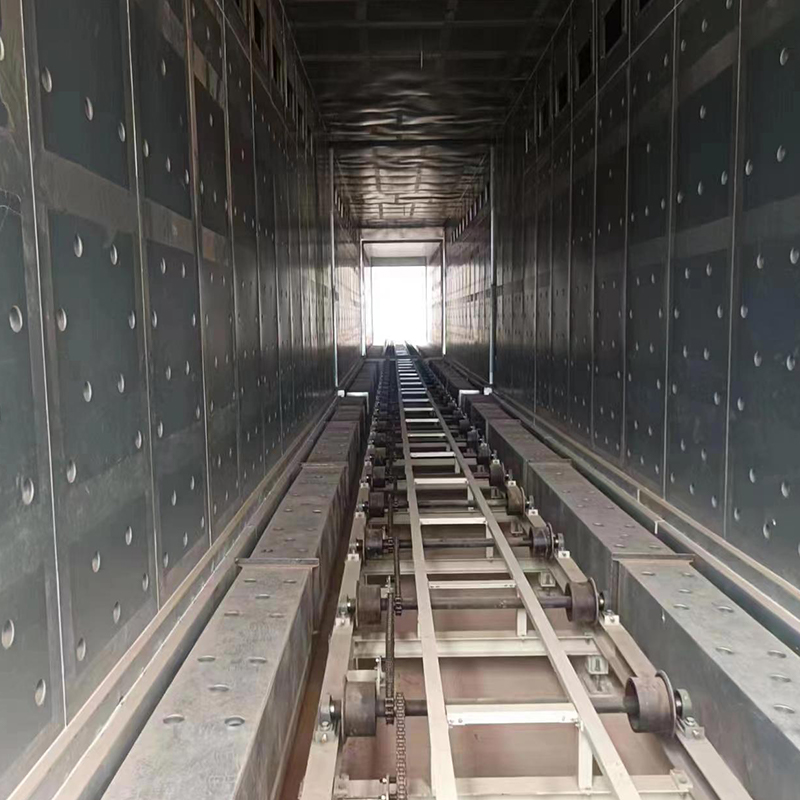
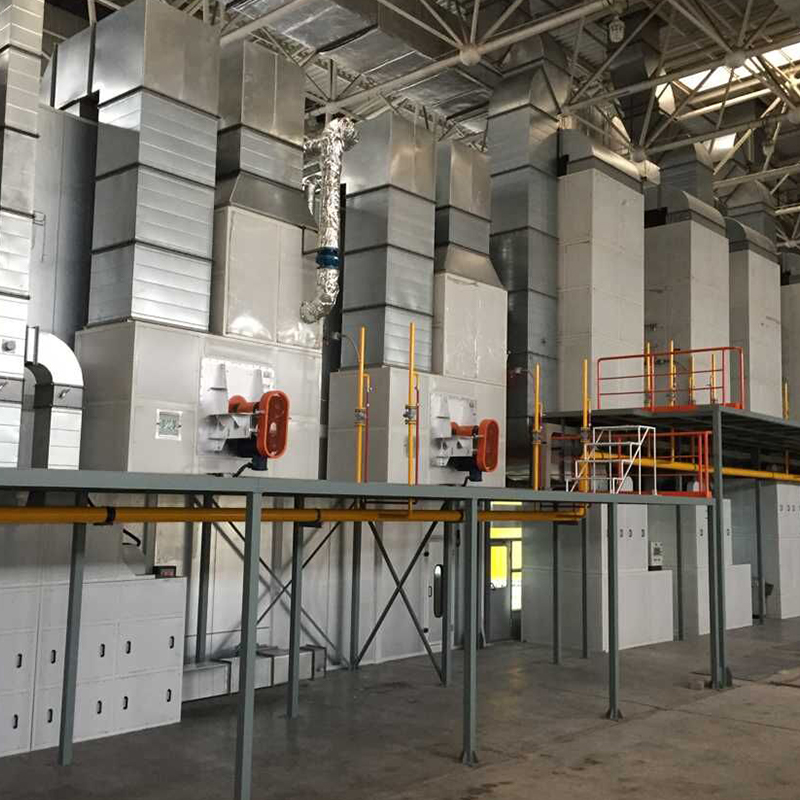
- Curing: Infrared ovens (e.g., new high infrared radiation drying series) that cut cure time by up to 40% vs. convection.
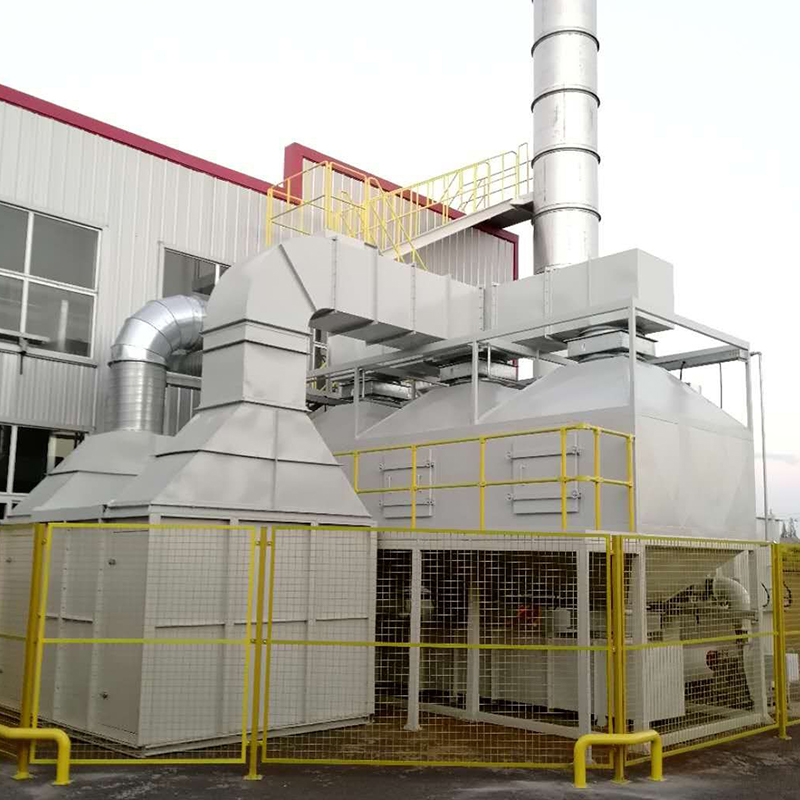
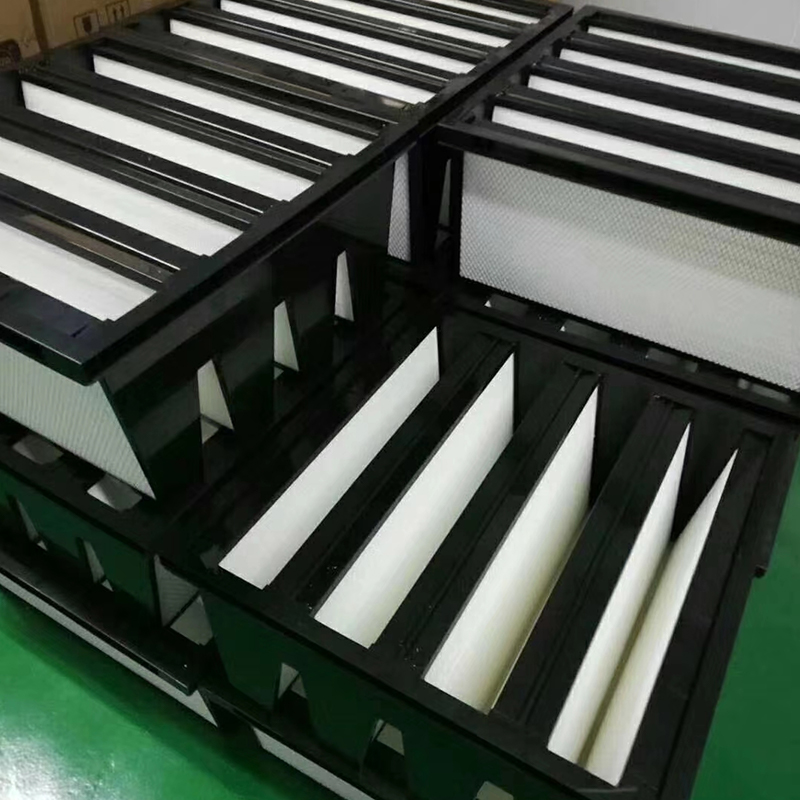
- Exhaust Treatment: Waste gas treatment equipment (RTO, carbon adsorbers) neutralizing VOCs before release.
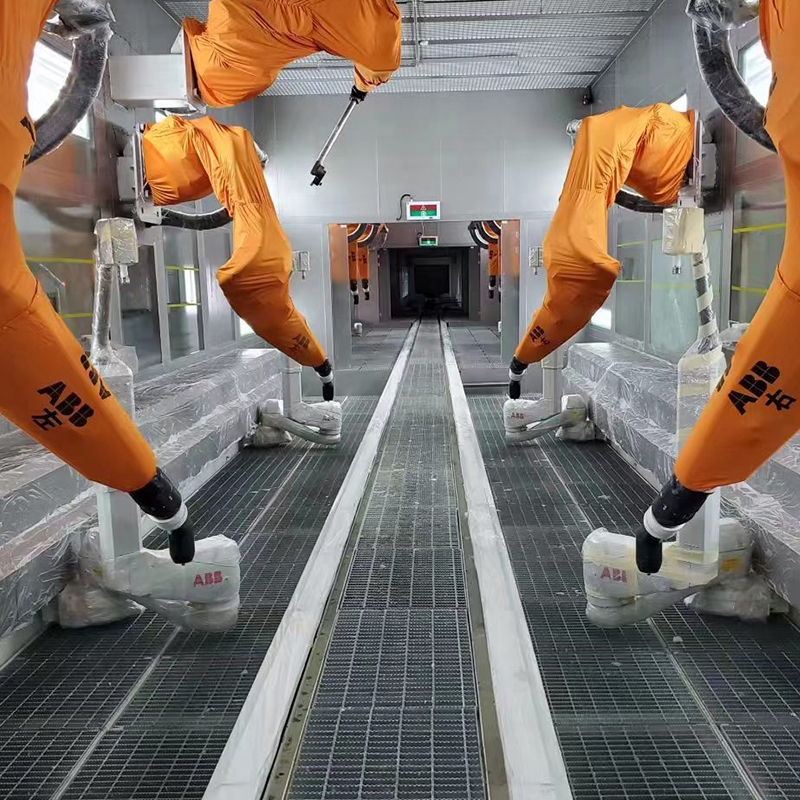
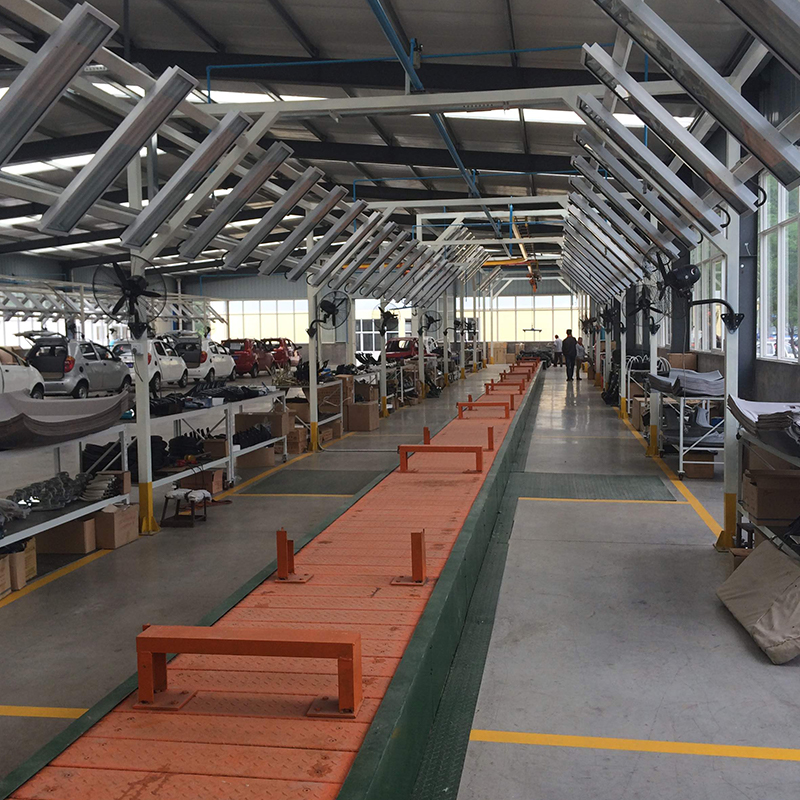
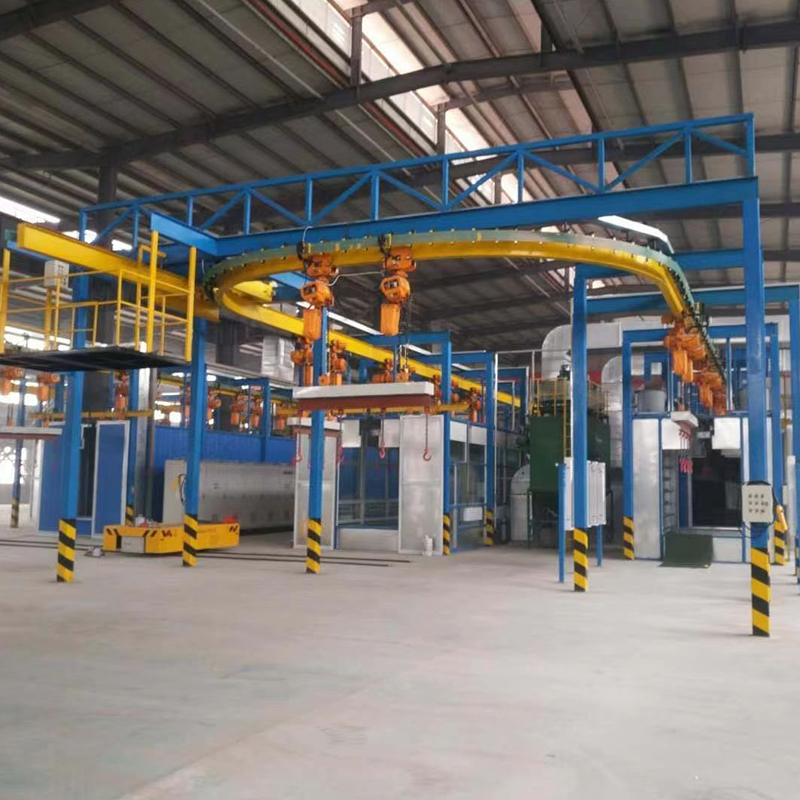
For large-scale lines like automotive body spray bake paint booths or counterweight block logistics conveying systems, synchronization between coating and conveyor speed is vital. Typical line speeds: 2–5 m/min for medium parts, with automatic gun positioning maintaining a 150–200 mm spray distance.
Engineering Coating Systems: Customization for Diverse Production
Standard solutions rarely fit complex scenarios. Thus, Engineering Coating Systems are modular and customizable. A provider with over 40 years of experience can develop specialized lines—drawer type bus production, automotive counterweight spray, etc.—handling:
- Large parts: Automotive bodies, castings with heavy-duty conveyors and wide booths.
- Medium/small components: Robotic arms and rapid color-change for precision and speed.
- High-mix low-volume: Quick-change hoppers and PLC storing dozens of recipes.
Customized Equipment for Coating, Conveying and Environmental Treatment can reduce changeover from 45 to under 15 minutes, boosting OEE by 12–18%.
Integrated Environmental Protection: Beyond Compliance
Today's solutions incorporate energy recovery—heat exchangers saving 15–25% in gas consumption—and advanced VOC destruction (e.g., RTO achieving >98% efficiency). A mid-sized line emitting 50 kg/h VOCs untreated drops to under 1 kg/h with proper abatement, while recovering thermal energy to offset costs.
Performance Benchmarks
Comparison: Conventional vs. Intelligent Coating Systems
| Parameter |
Conventional |
Intelligent System |
| Transfer Efficiency |
45–60% |
75–85% |
| Curing Energy (kWh/m²) |
4.2 |
2.7 |
| VOC Emission (g/m²) |
18 |
<2 |
| Changeover (min) |
35–50 |
12–18 |
Common Questions
Q1: Payback period for such systems?
Typically 2.5–4 years, factoring paint savings, lower waste disposal, and avoided penalties. Faster where emission trading is active.
Q2: How does automation improve quality in mixed production?
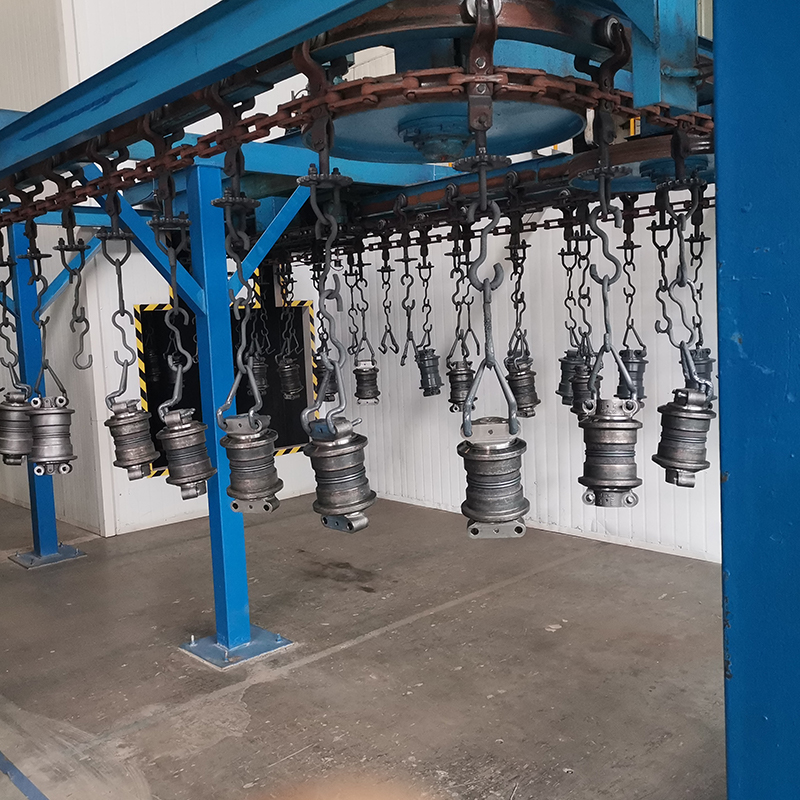
Real-time part recognition adjusts parameters, achieving ±5μm film thickness (vs. manual's ±20μm). For example, Jiangsu Yue Ze's hanging line for casting counterweight blocks (first in 2014) exemplifies this precision.
Q3: Key maintenance considerations?
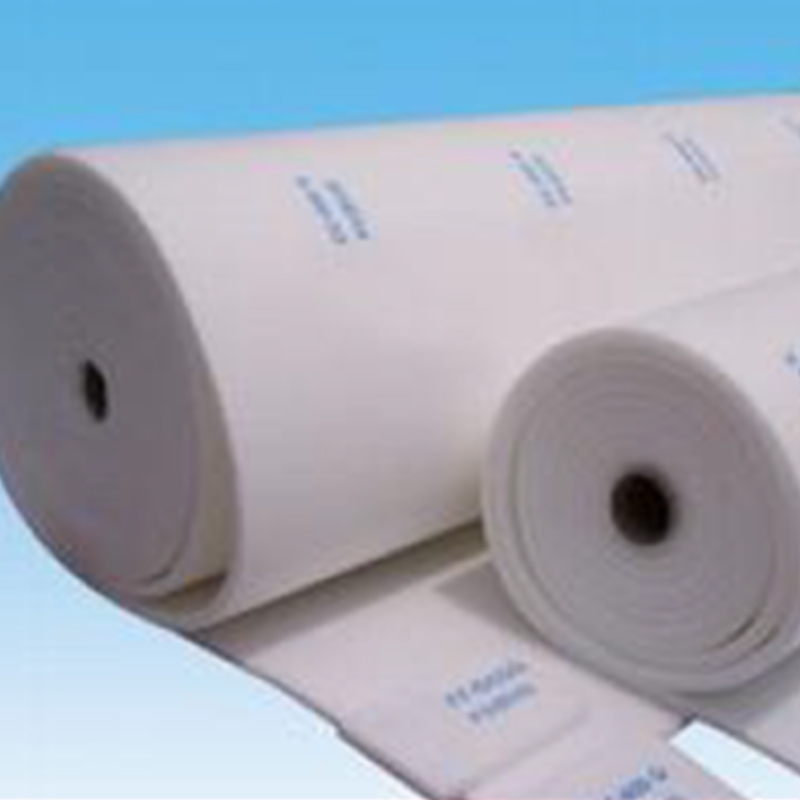
Clean electrostatic generators regularly, replace filters every 200–400 hours, and calibrate infrared sensors. Predictive maintenance can extend component life by 30% and reduce unplanned downtime.
Selecting the Right Partner
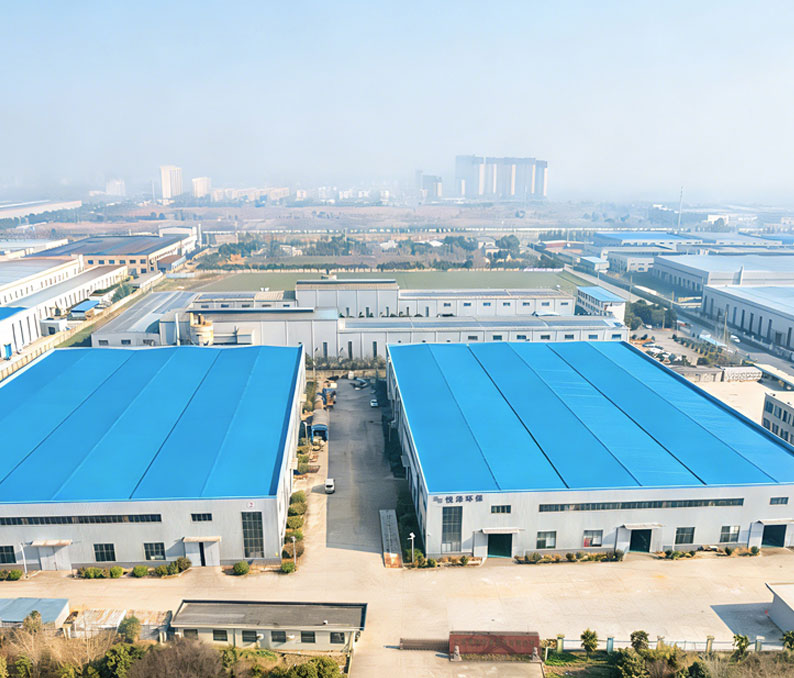
Look for proven expertise in your industry segment. A supplier like Jiangsu Yue Ze—spanning 35,000 m² with ¥58M registered capital—offers comprehensive design-to-commissioning capabilities, including pioneering the hanging automatic painting process line for castings (from finishing to primer+topcoat). Effective partners also provide full lifecycle support, remote diagnostics, and spare parts, reducing MTTR by up to 40%. Always request case studies from similar production environments.


 русский
 عربى
عربى
 Tiếng Việt